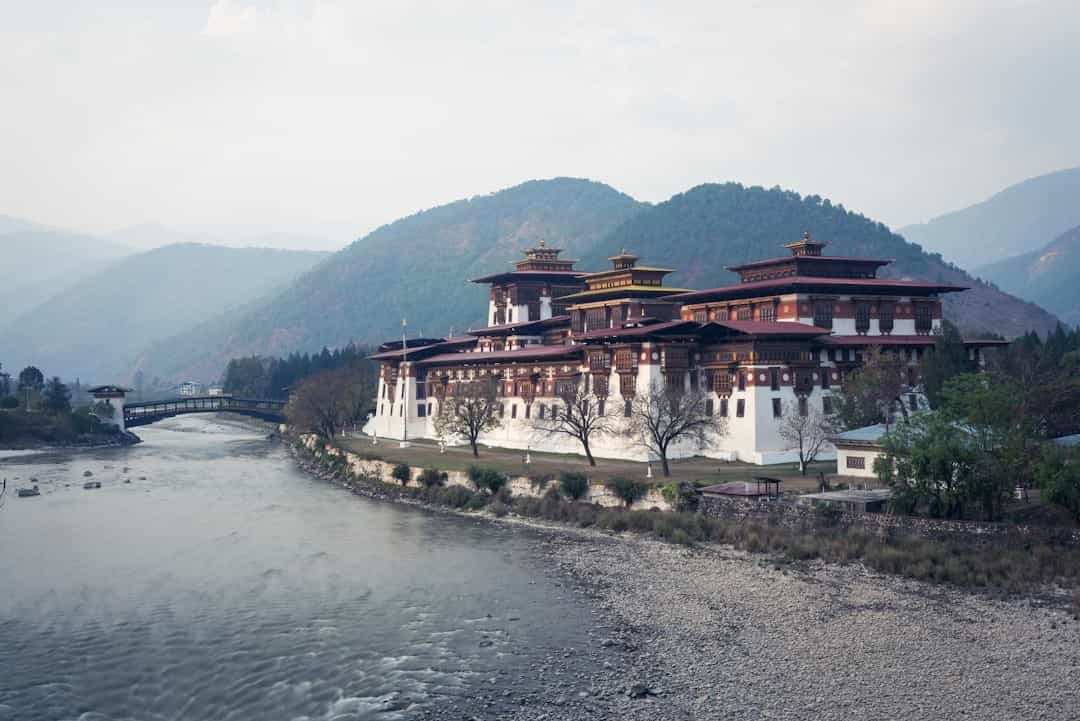
Khamsum Yulley Namgyal Chorten, Bhutan
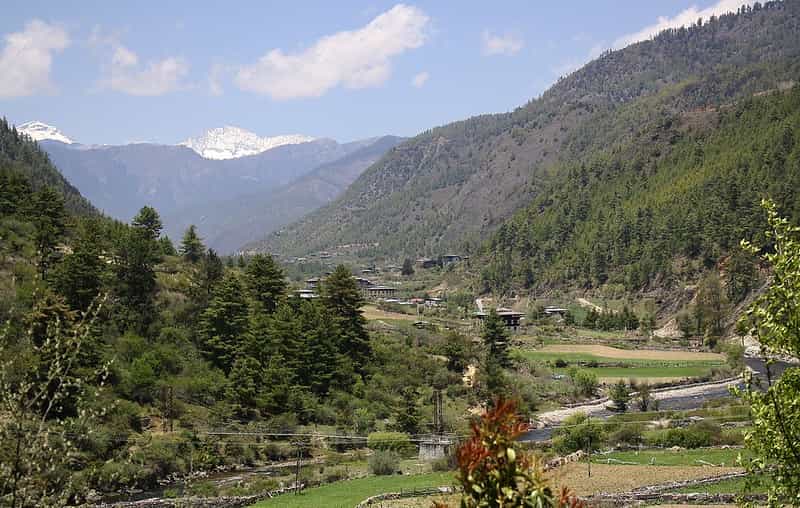
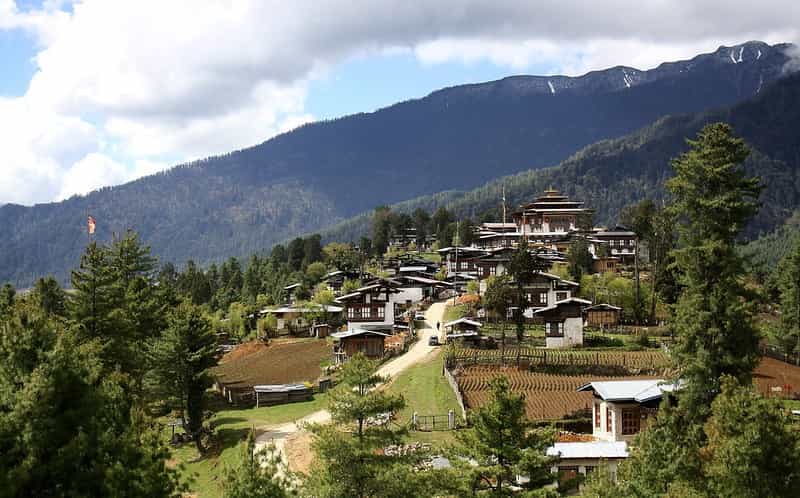
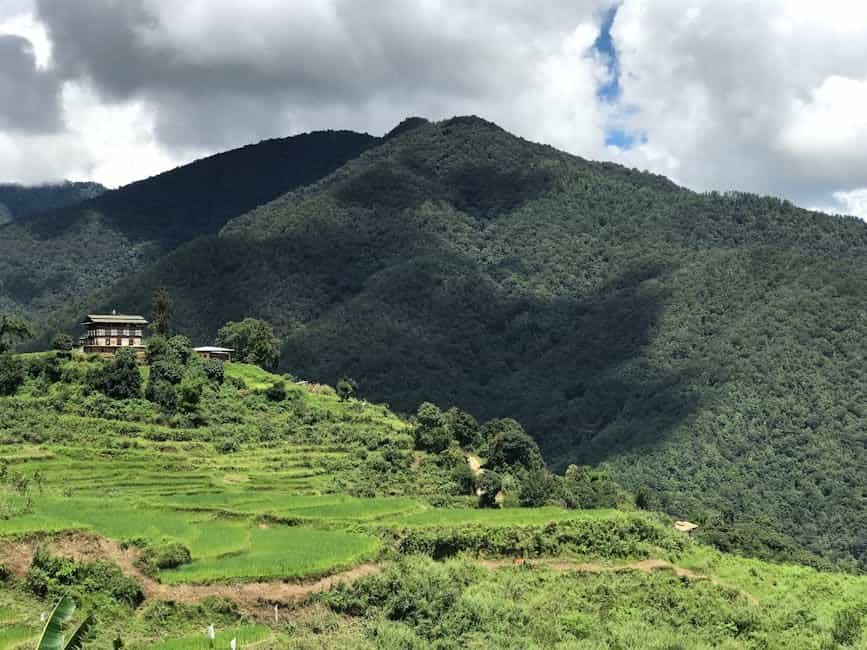
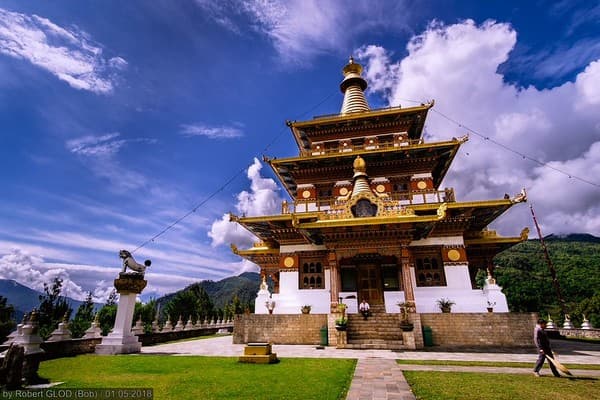
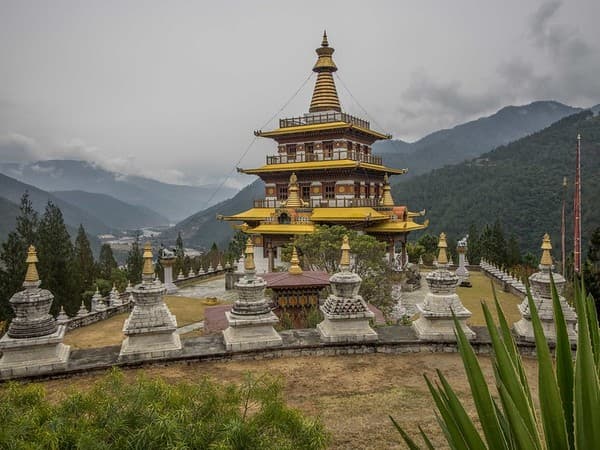
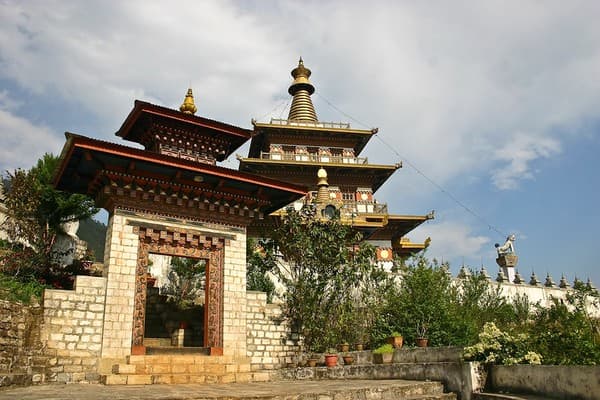
Khamsum Yulley Namgyal Chorten is a modern Buddhist stupa constructed in the early 2000s under the patronage of Her Majesty the Queen Mother, Ashi Tshering Pem Wangchuck. It was built to promote peace, harmony and protection of Bhutan and its people, as well as to house sacred relics and images important to local spiritual practice. Architecturally, the chorten follows traditional Bhutanese religious design and contains richly painted interiors and shrine rooms, linking contemporary devotional activity with centuries-old Buddhist traditions. Naturally, the chorten’s ridge-top location above the Punakha valley makes it an important viewpoint that highlights Bhutan’s dramatic river valleys, terraced rice fields and Himalayan foothills.
Last updated: 22 Jan 2026
Historic Anecdotes
Local accounts describe the chorten as a spiritual protector for Punakha valley — constructed to neutralize negative forces and foster auspicious conditions for the country. Pilgrims and villagers often recount that circumambulating the chorten and making offerings brings blessings for health, fertility and good harvests. While not an ancient site of myths, its creation was guided by senior Buddhist masters and consecration rites that connect it to Bhutanese prophecy and spiritual practice.
Places to visit
- The Khamsum Yulley Namgyal Chorten itself (ornate exterior and painted interior shrines)
- Panoramic views of Punakha Valley and the confluence of the Mo Chhu and Pho Chhu rivers
- Scenic uphill walk through rice terraces, villages and prayer flags
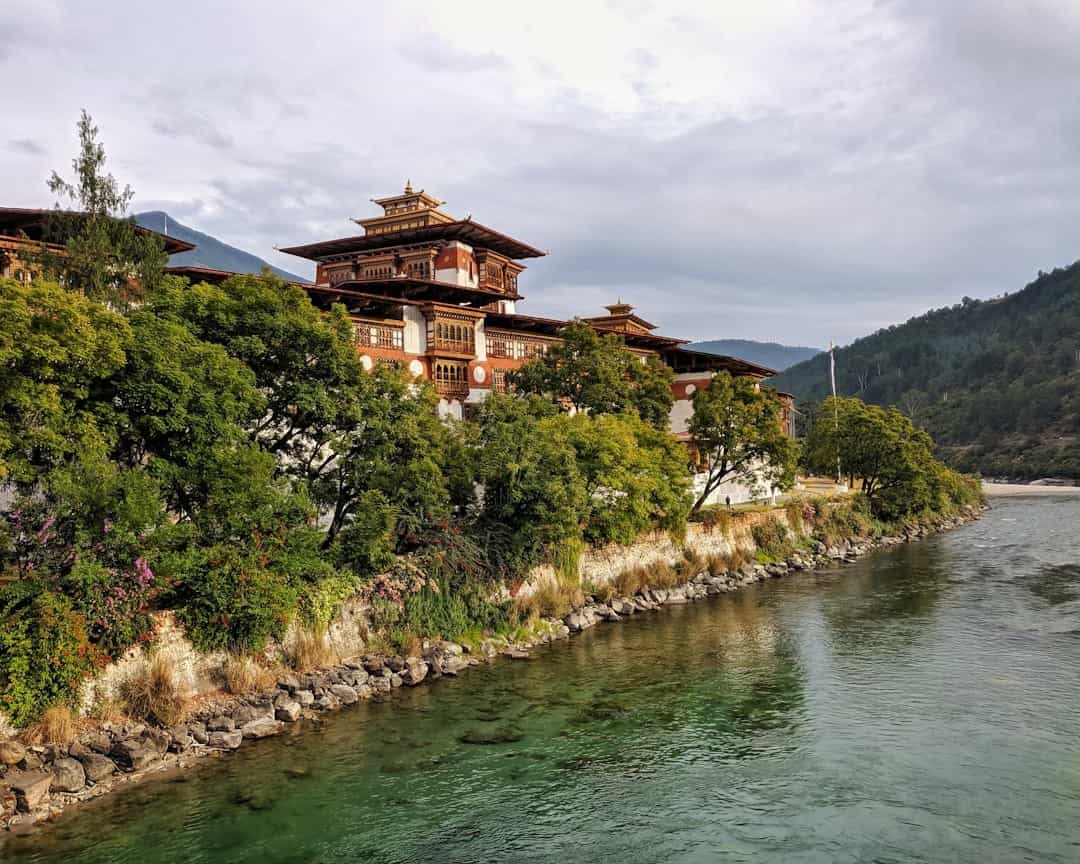
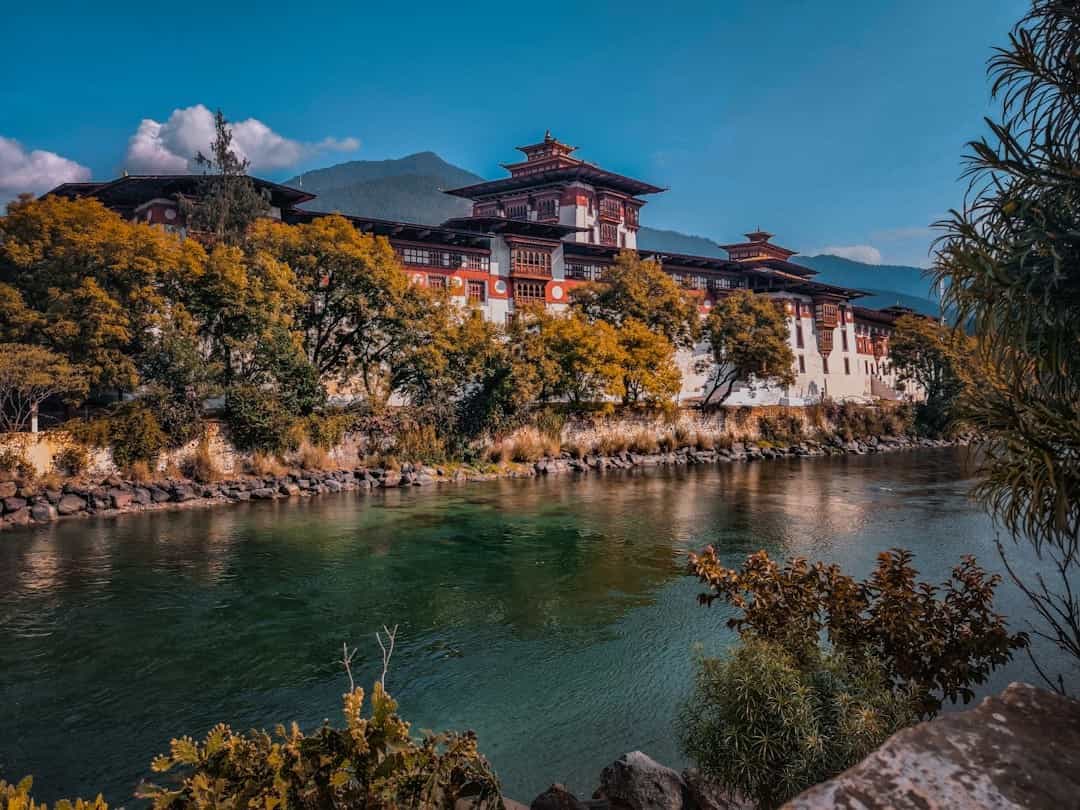
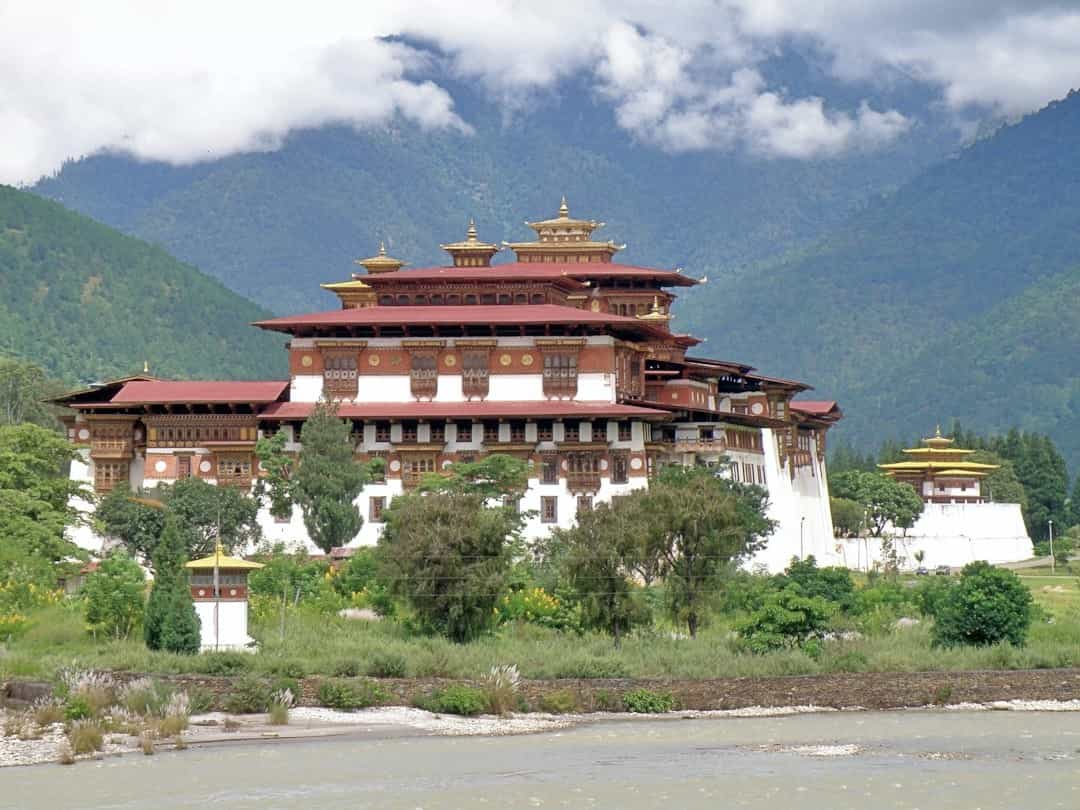
- Nearby Punakha Dzong and Sangchhen Dorji Lhuendrup Nunnery (for combined visits)
Unique Aspects
- Intricate traditional Bhutanese murals and painted deities inside the chorten
- Ridge-top setting offering dramatic valley and river views
- A succession of small shrine rooms and chapels within the structure
- Colorful prayer flags and mani stones lining the approach path
Things to do
- Short hike (approx. 20–45 minutes from the roadhead) to the chorten for photography and sightseeing
- Pilgrimage practices such as circumambulation (kora) and offering butter lamps or incense
- Meditation and quiet contemplation in and around the chorten
- Combining the visit with Punakha Dzong, local villages and riverfront walks
Festivals & Events
- There is no major festival specific to the chorten, but visitors can time visits around local events in nearby Punakha such as the Punakha Tshechu and seasonal religious observances at Punakha Dzong
- Local prayer ceremonies and regular ritual offerings by villagers and monastics
Best Time to Visit
Best time: Spring (March–May) and autumn (September–November) for clear skies and pleasant temperatures; winter offers crisp weather and fewer tourists but colder mornings; avoid the heavy monsoon rains of July–August if possible.
Weather Conditions
Temperate valley climate: cool to warm days and cooler nights. Monsoon (summer) brings heavy rain; winters can be chilly, especially early morning and late afternoon.
Entry Fees & Permits
Entry fee: There is typically no formal entrance fee to visit the chorten; donations and offerings are welcome. Timings: The site is accessible during daylight hours; for safety and respect, visit during daytime when the path and shrine are open to visitors.
Accessibility
Nearest major town: Punakha (the chorten overlooks Punakha valley). Nearest airport: Paro International Airport (drive of roughly 3–4 hours to Punakha depending on conditions). Getting there: Drive to the trailhead by road (from Punakha town it’s a short drive), then expect a 20–45 minute uphill walk to the chorten along farm tracks and steps. The approach involves uneven paths and some steep sections, so it is moderately strenuous and not wheelchair-accessible.
Recommended Duration
Allow 1–2 hours to walk to the chorten, explore the site, and enjoy views; half a day if combining with nearby Punakha attractions.
Clothing & Gear Tips
Wear modest clothing that covers shoulders and knees when entering religious sites. Comfortable walking shoes for uneven uphill paths, a light rain jacket in monsoon season, sun protection (hat/sunscreen) in spring/summer, and warm layers for cool mornings.
Local Food & Souvenirs
Try local Bhutanese dishes in Punakha such as ema datshi (chili-cheese), buckwheat pancakes and butter tea. Souvenirs include hand-woven textiles, prayer flags, small thangkas and locally produced crafts; respectful religious items like prayer beads and small statues are commonly available.