Kila Nunnery (Kila Gompa), Bhutan
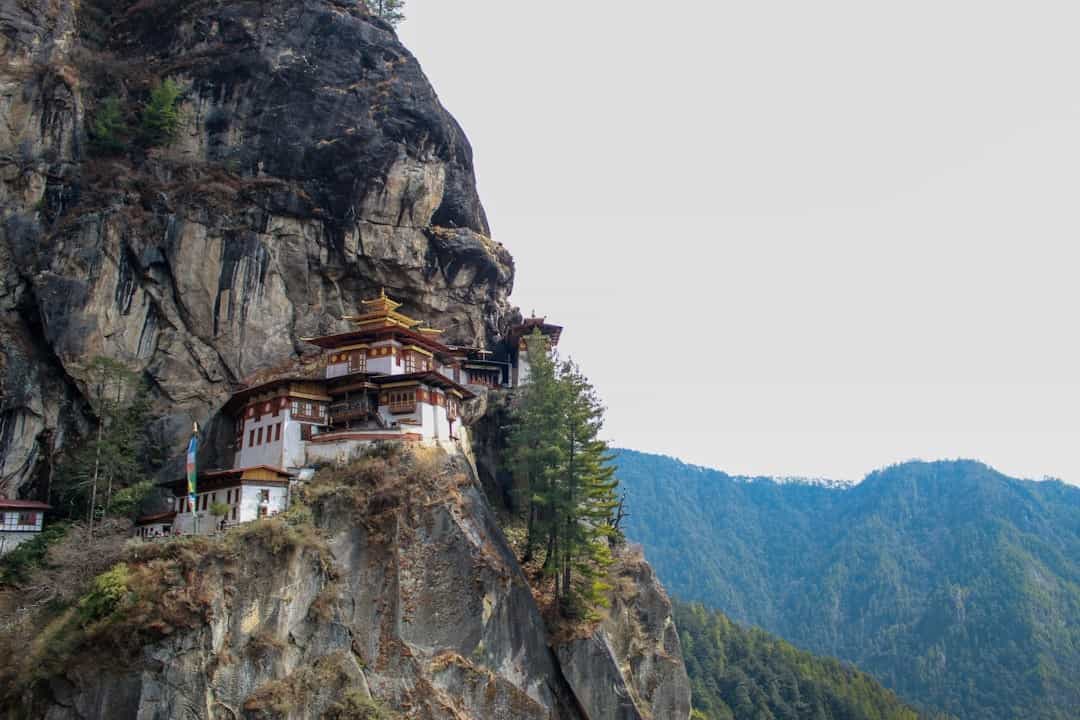
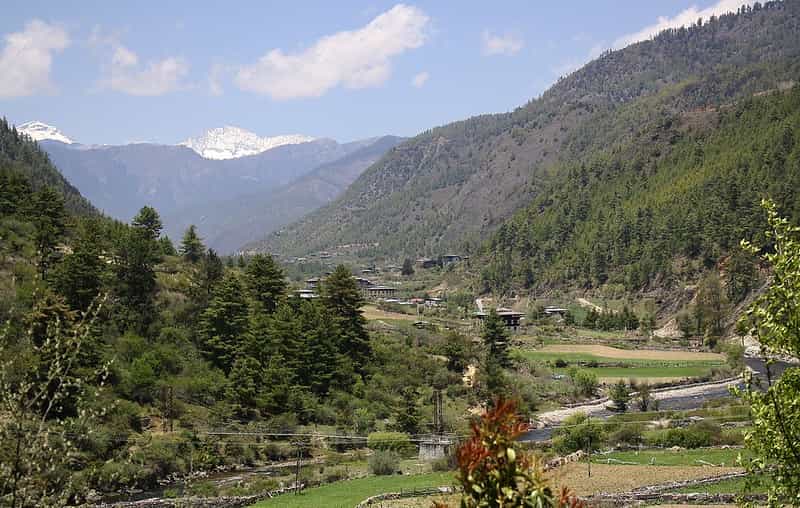
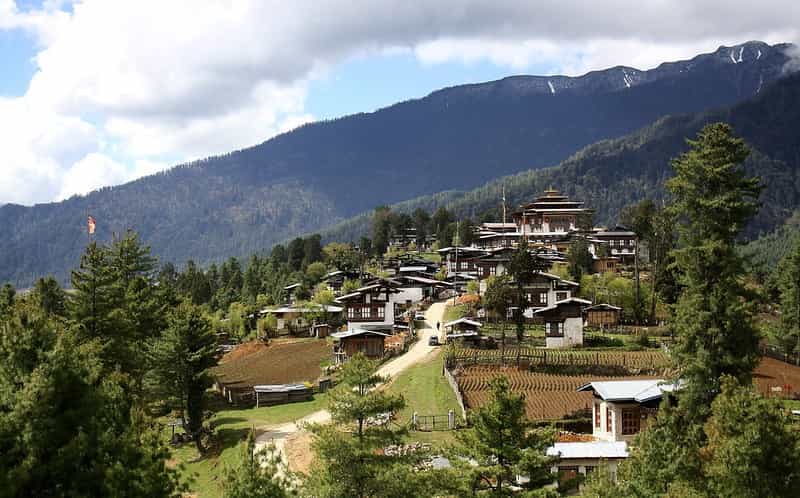
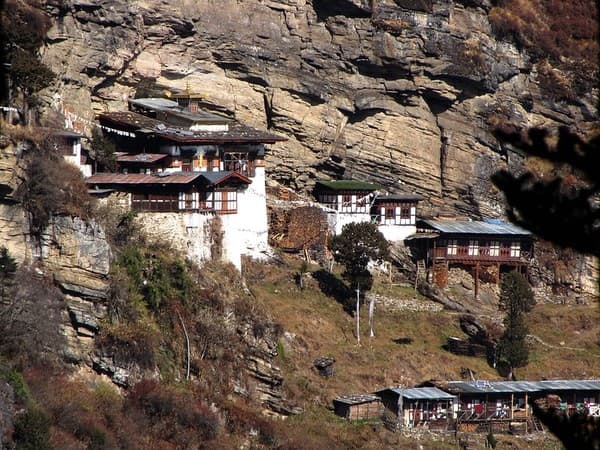
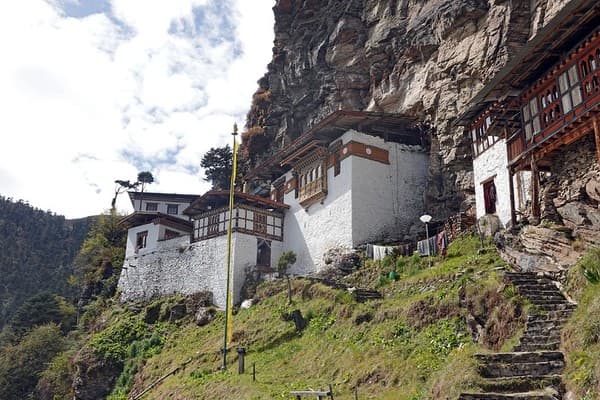
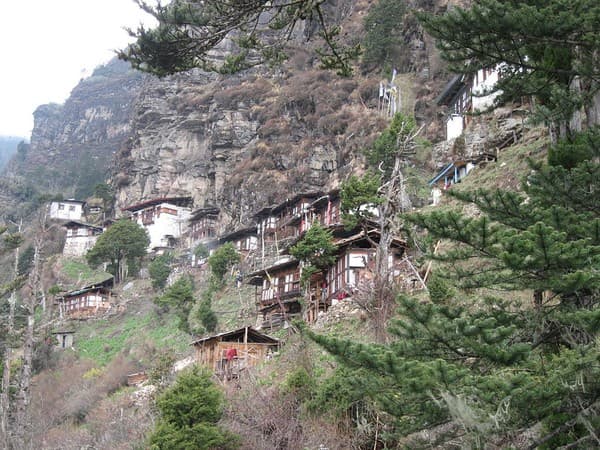
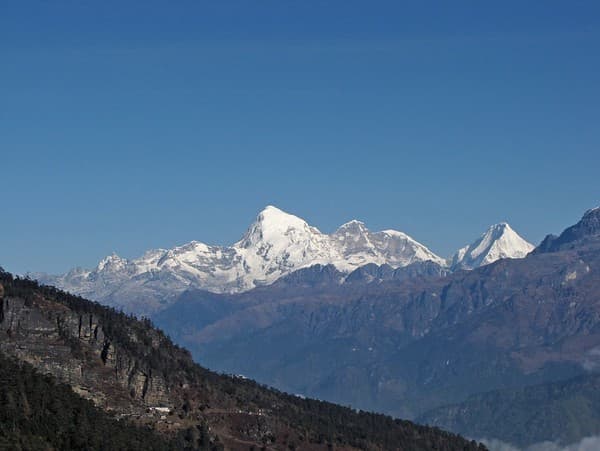
Kila Nunnery (Kila Gompa) is a small, active Buddhist nunnery in the Paro region of western Bhutan. It serves as a center for religious practice, meditation and education for nuns and is representative of Bhutan's living Vajrayana Buddhist tradition. Perched on a ridgeline above the valley, it also offers important vantage points over the surrounding farmland and the foothills of the Himalaya, making it a site of both cultural and natural significance.
Last updated: 22 Jan 2026
Historic Anecdotes
Local tradition holds that the site is spiritually charged and has been used for meditation by realised masters in the past. As with many Bhutanese monasteries, there are local stories of protective deities and meditation caves in the area associated with the nunnery; these stories underscore the place's role as both a community shrine and a solitary retreat.
Places to visit
- The prayer hall (lhakhang) where daily services and mantras are recited by the resident nuns
- Communal living quarters and simple monastic compound showcasing daily monastic life
- Meditation platforms and small shrines tucked into the ridge-side surroundings
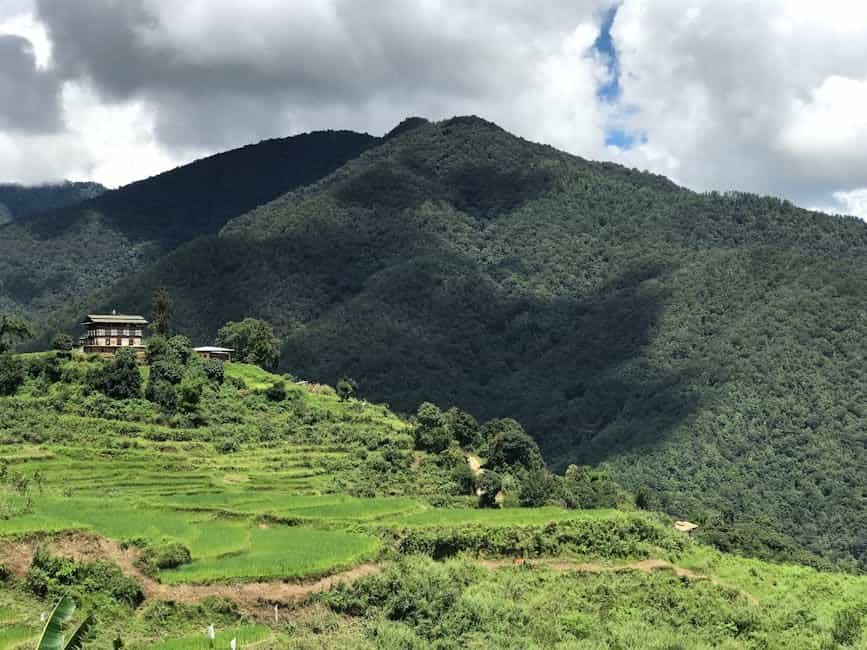
- Panoramic views over Paro valley and surrounding terraced fields
Unique Aspects
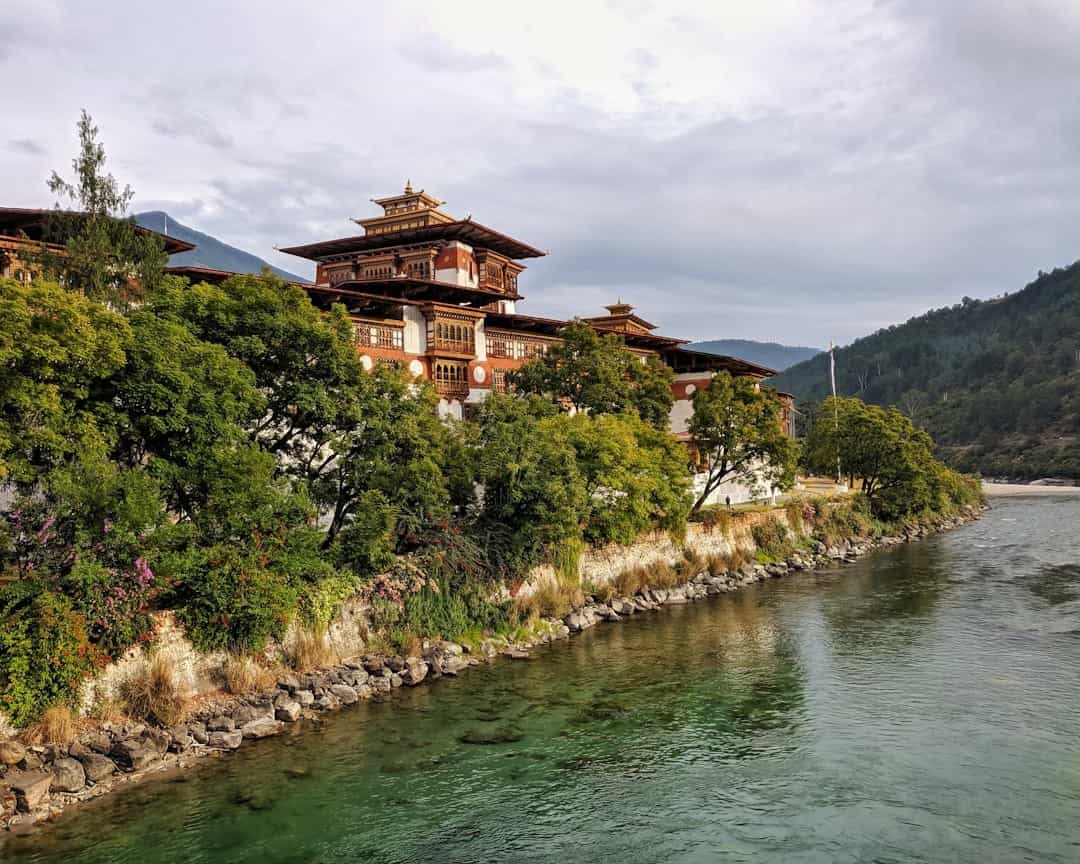
- Traditional Bhutanese architecture and simple, colourful religious adornment (prayer flags, mani stones)
- Quiet, contemplative atmosphere ideal for photography and reflection
- Accessible ridge-top location that combines a modest hike with cultural immersion
Things to do
- Observe or respectfully join short prayer sessions if invited (check with the nuns first)
- Short hikes on the ridge and exploration of small shrine areas
- Photography of the landscape and architecture (ask permission before photographing people)
- Informal cultural exchange — speaking with nuns or caretakers when appropriate
- Meditation or quiet contemplation in designated areas (keep noise to a minimum)
Festivals & Events
- Small, local religious observances and pujas held according to the Buddhist calendar
- Major Bhutanese festivals in the region (e.g., Paro Tsechu) are celebrated in nearby centres — the nunnery may hold its own commemorations on important Buddhist dates such as Losar (New Year) and Guru Rinpoche day
Best Time to Visit
Spring (March–May) and Autumn (September–November) — these seasons offer the clearest skies and comfortable hiking weather. A winter visit is quieter but can be chilly; monsoon (June–August) brings rain and muddy trails.
Weather Conditions
Temperate mountain weather: cool mornings and evenings, warmer midday. Temperatures vary with season; expect chilly winds on ridgelines and possible cold snaps in winter.
Entry Fees & Permits
There is typically no formal entrance fee specifically for the nunnery, though donations to support the nunnery and its residents are welcome. As a religious site it is open during daylight hours; exact opening times are informal — visit in the morning or early afternoon. Note: foreign visitors to Bhutan travel under the national tourism regulations (SDF and licensed tour operator requirements).
Accessibility
Most visitors reach Kila Nunnery by road to a nearby trailhead followed by a short to moderate walk (up to 30–60 minutes depending on the starting point). The nearest international gateway is Paro Airport (PBH) and Paro town is the usual base. Travel arrangements are normally via taxi or as part of a guided tour.
Recommended Duration
Plan 1–3 hours for the visit (including approach walk, time at the nunnery and return). If combining with other nearby attractions, allow a half-day.
Clothing & Gear Tips
Wear modest clothing that covers shoulders and knees. Layered clothing for changing mountain weather, sturdy walking shoes, a light rain jacket, sun protection and a small daypack. Remove shoes and hats before entering prayer halls.
Local Food & Souvenirs
Nearby Paro offers local dishes such as ema datshi (cheese and chilli), momos and butter tea. Good souvenirs include thangka paintings, prayer flags, handmade textiles and locally crafted wooden or stone religious items. Support the local community by buying from licensed shops or community stalls.