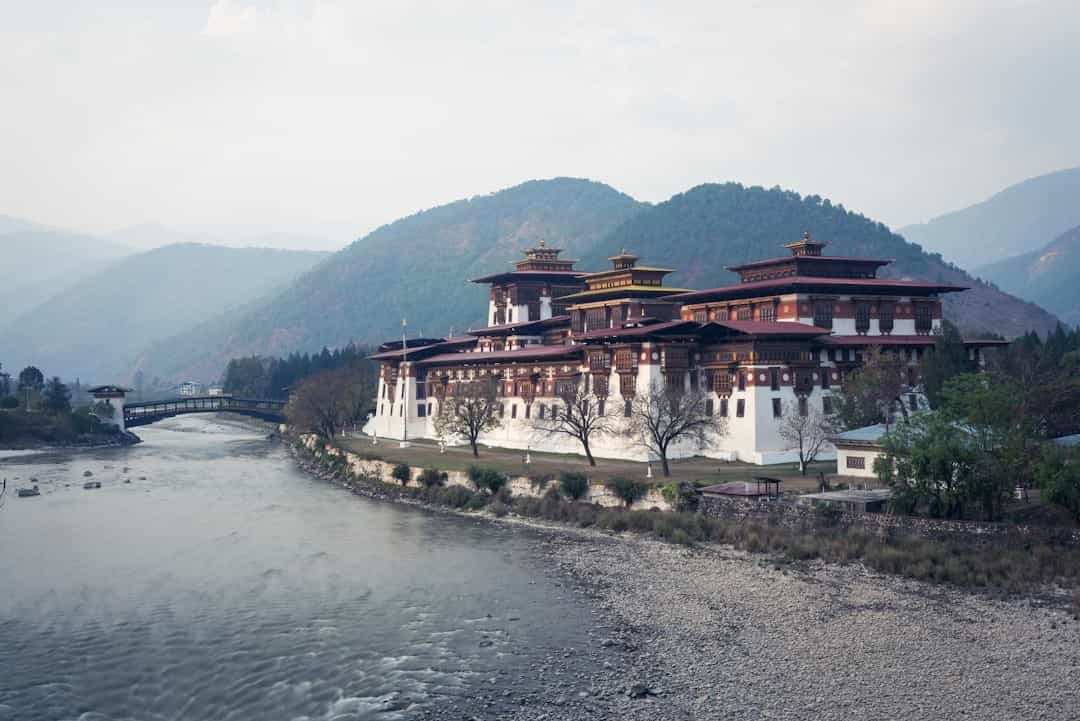
Kurjey Lhakhang, Bhutan
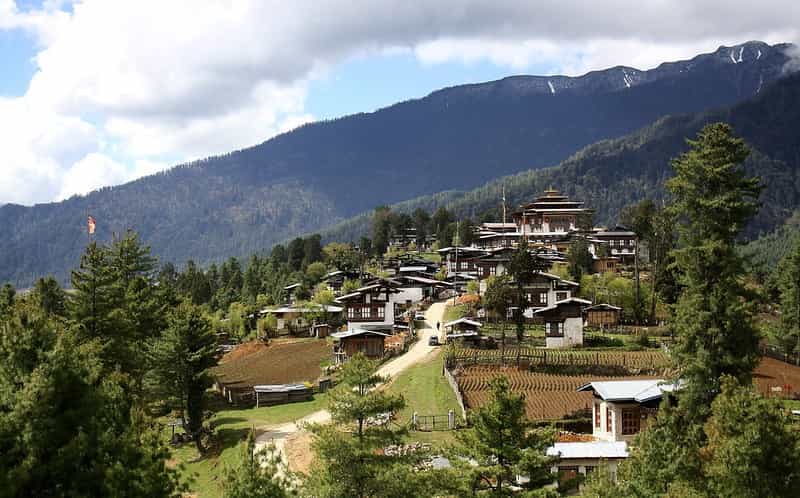
Kurjey Lhakhang (Kurjey Temple) in Bumthang is one of Bhutan's most sacred pilgrimage sites. It marks the place where Guru Rinpoche (Padmasambhava), the 8th‑century Buddhist master credited with bringing Buddhism to the Himalaya, meditated and left a bodily imprint on a rock. The complex is central to Bhutanese religious history and a focal point for devotion, rites of passage, and community religious life in the heart of the Bumthang valley.
Last updated: 22 Jan 2026
Historic Anecdotes
Legend holds that Guru Rinpoche meditated in the cave at Kurjey and his body imprint (kurjey = 'body imprint') was indelibly left on the rock. The site later became the location for temples built to honor that event. Kurjey is also associated with local saints and the line of Bhutanese spiritual leaders; many oral histories tell of miraculous healings and blessings granted at the cave and shrines.
Places to visit
- The Cave with Guru Rinpoche's Imprint — the sacred rock where the imprint is venerated.
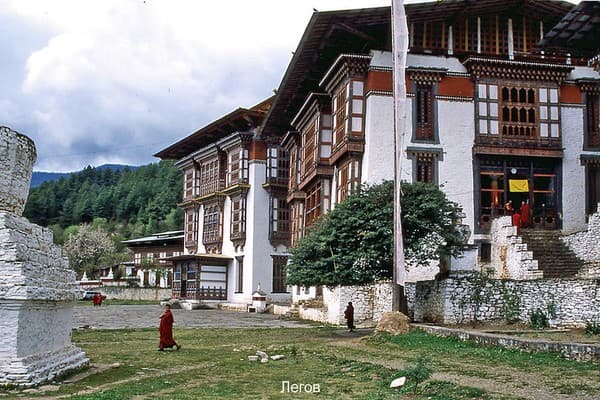
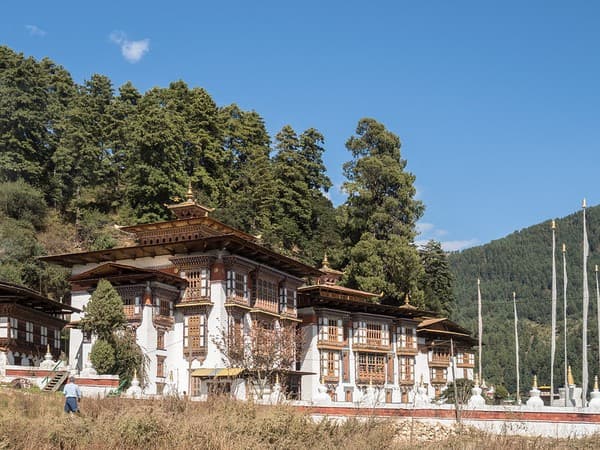
- Three-Temple Complex — the site today comprises multiple temples built in different periods framing the sacred cave.
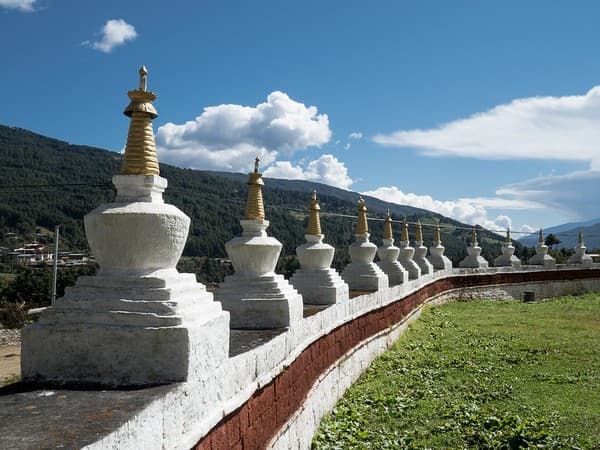
- Stupas and Burial Chortens — surrounding chortens and memorial stupas that reflect local funerary and devotional practices.
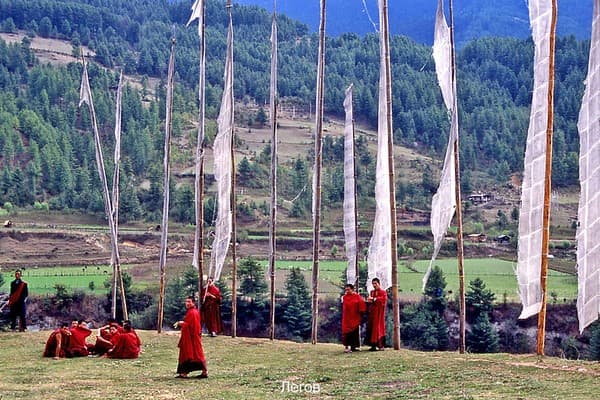
- Pilgrim Pathways and Prayer Wheels — atmospheric walkways lined with mani stones, prayer flags, and wheels.
Unique Aspects
- The name 'Kurjey' literally means 'body imprint', highlighting the site's unique spiritual significance.
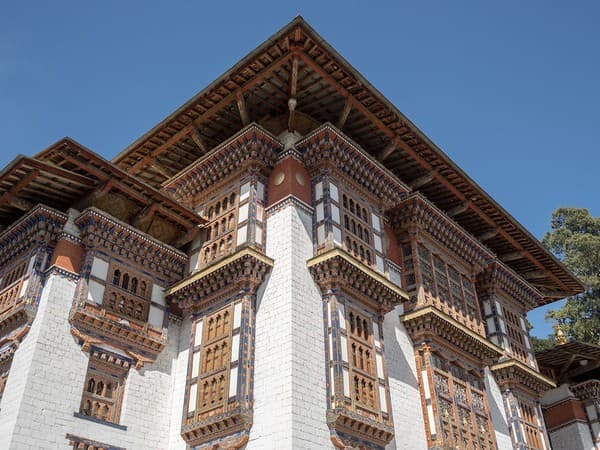
- A mix of architectural styles showing historical layers of Bhutanese temple construction and restoration.
- Intense devotional atmosphere with regular pujas (prayer ceremonies) and visiting pilgrims from across Bhutan and the region.
Things to do
- Pilgrimage and prayer at the cave and main shrines.
- Observe or participate in daily pujas; consult resident monks for blessings.
- Walk the surrounding devotional paths, spin prayer wheels, and explore nearby chapels and stupas.
- Photography of the complex exteriors and surrounding valley (note: respect restrictions inside shrines).
- Combine with visits to other Bumthang sites (Jambay Lhakhang, Tamshing Monastery, Jakar Dzong) for a fuller cultural day.
Festivals & Events
- Religious ceremonies and pujas tied to Bhutanese lunar calendar dates; special pilgrimage activity intensifies on those holy days.
- Local tsechus and community rituals in Bumthang seasonally draw pilgrims to Kurjey (check local schedules via tour operators or local authorities).
Best Time to Visit
Spring (March–May) and Autumn (September–November) for stable weather, clearer skies, and festival activity. Winter is cold but less crowded; summers can be wet.
Weather Conditions
Bumthang is a high valley: expect cool to mild days and chilly mornings/evenings. Weather can change quickly — layered clothing is recommended.
Entry Fees & Permits
There is generally no fixed entry fee to visit Kurjey Lhakhang, though donations to the monastery are customary. Shrines are open during daylight hours; specific opening times may vary with ceremonies — check locally or with a guide.
Accessibility
Kurjey Lhakhang is located in the Bumthang region near Jakar (Bumthang town) and is accessible by road. The nearest airport is Bumthang (Bathpalathang) Airport with domestic flights connecting to Paro/Thimphu (seasonal services). Road travel from other Bhutan regions (e.g., Trongsa, Punakha) is common. Expect short walks around the complex and some steps — not fully wheelchair accessible.
Recommended Duration
Plan 1–2 hours at Kurjey to see the cave, main temples, and immediate surroundings. Combine with a half- or full-day exploring other Bumthang attractions.
Clothing & Gear Tips
Conservative clothing covering shoulders and knees is required inside shrines. Bring warm layers, a hat, sunscreen, and comfortable walking shoes. Carry a small umbrella or rain jacket in wetter months.
Local Food & Souvenirs
Try local Bumthang specialties at nearby eateries (ask for traditional Bhutanese dishes like ema datshi and local dairy/wheat products). Souvenirs include thangkas, prayer flags, hand-woven textiles, wooden handicrafts, and local honey or preserves from the Bumthang valley.