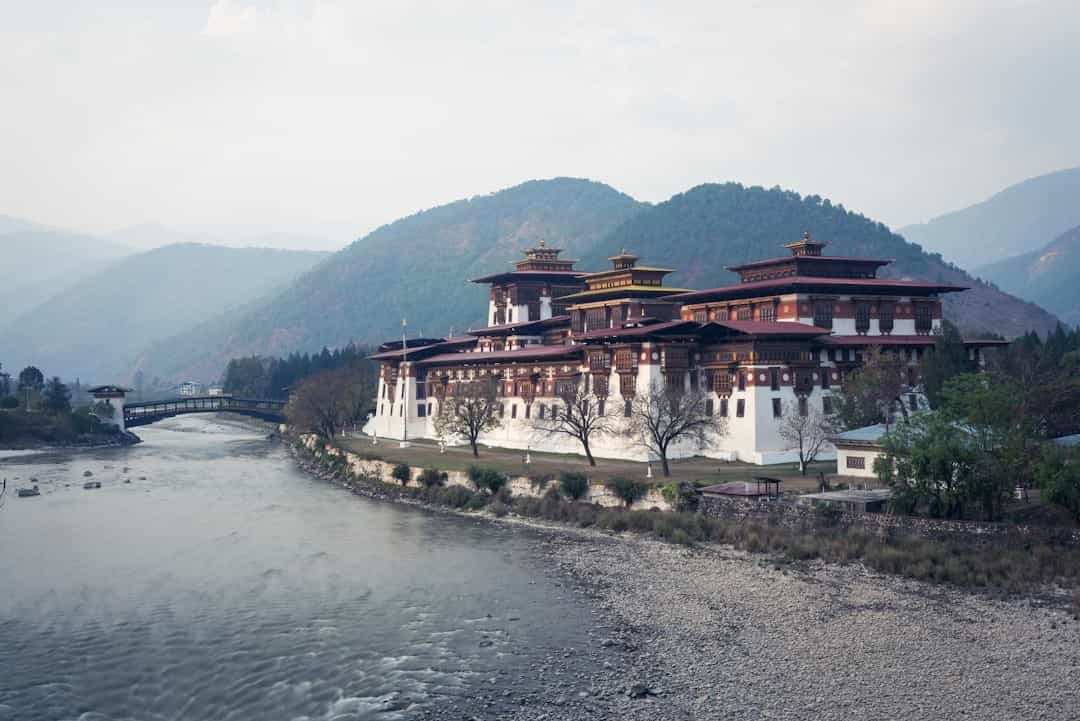
Kyichu Lhakhang, Bhutan
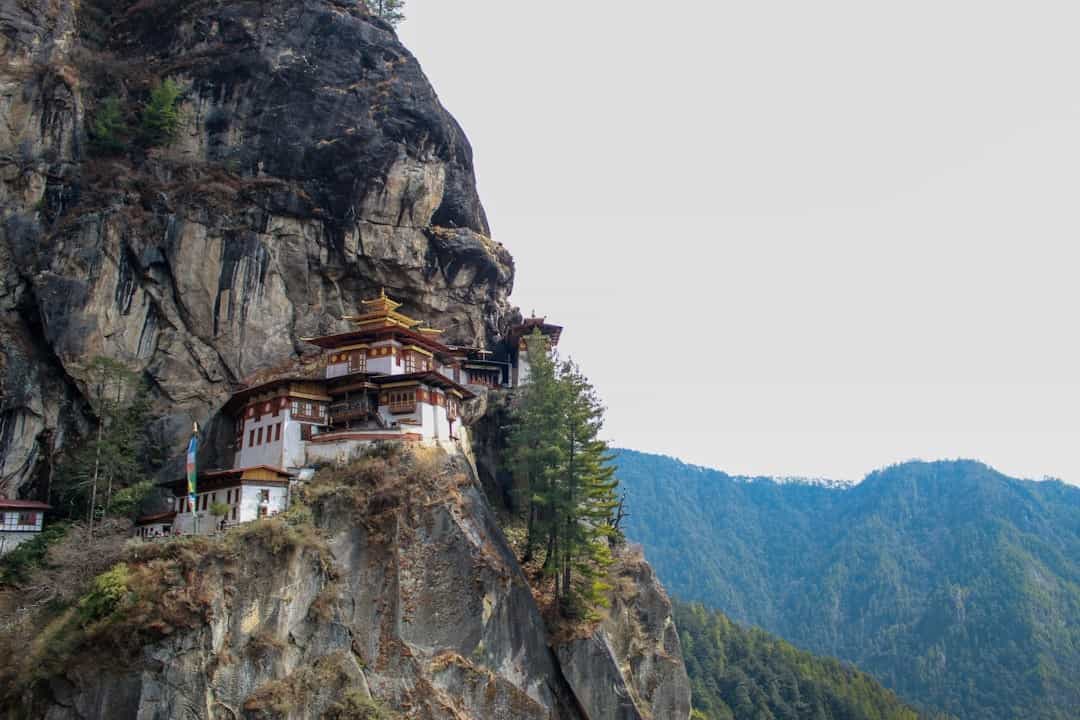
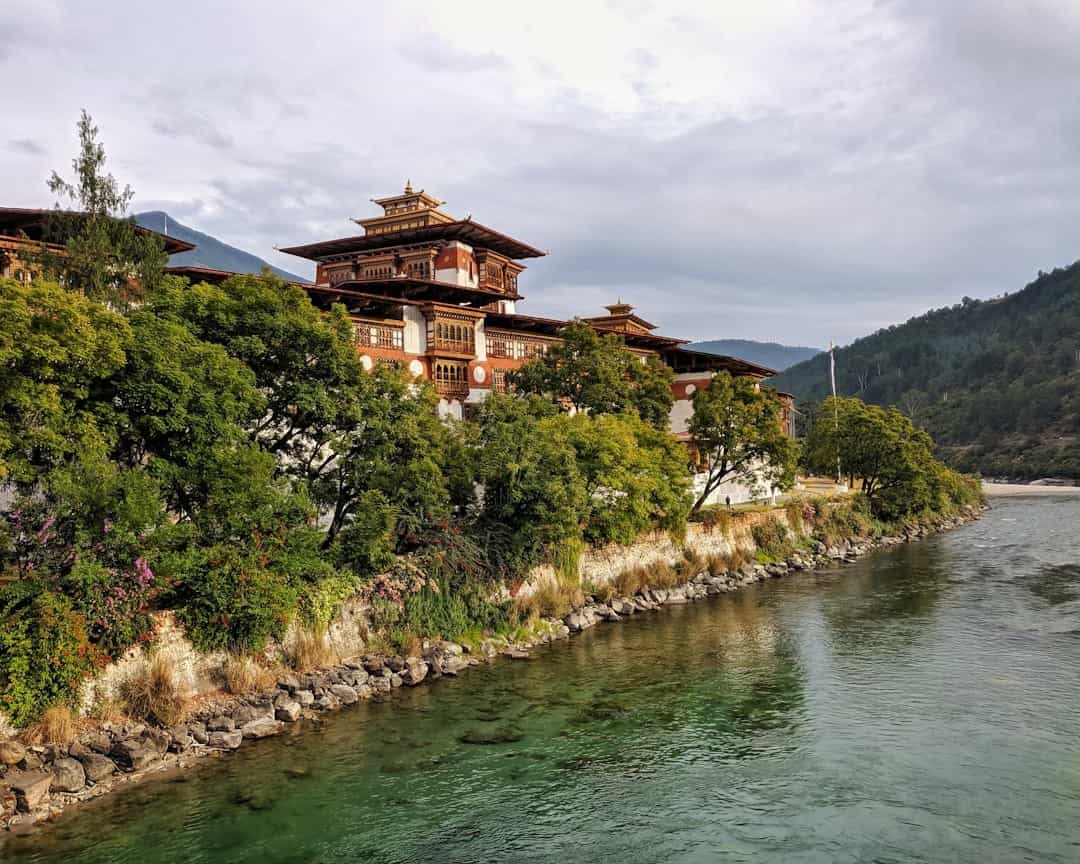
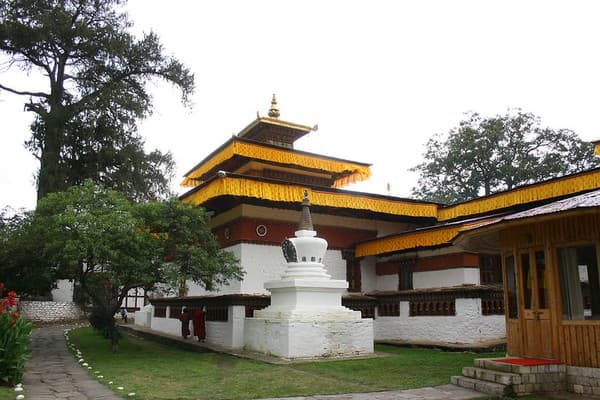
Kyichu Lhakhang is one of the oldest and most revered temples in Bhutan, located in the Paro Valley. Traditionally attributed to Tibetan King Songtsen Gampo in the 7th century CE, it is considered one of the 108 temples built to pin down a supine demoness and to spread Buddhism in the Himalaya. The temple plays a continuous role in Bhutanese religious life as an active monastery and pilgrimage site, and its architecture and art reflect early Himalayan Buddhist traditions and later Bhutanese embellishments.
Last updated: 22 Jan 2026
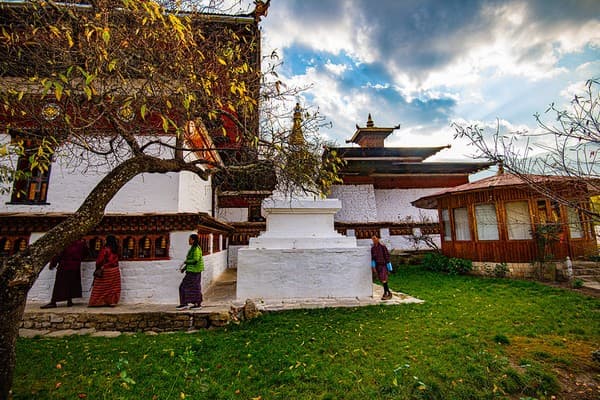
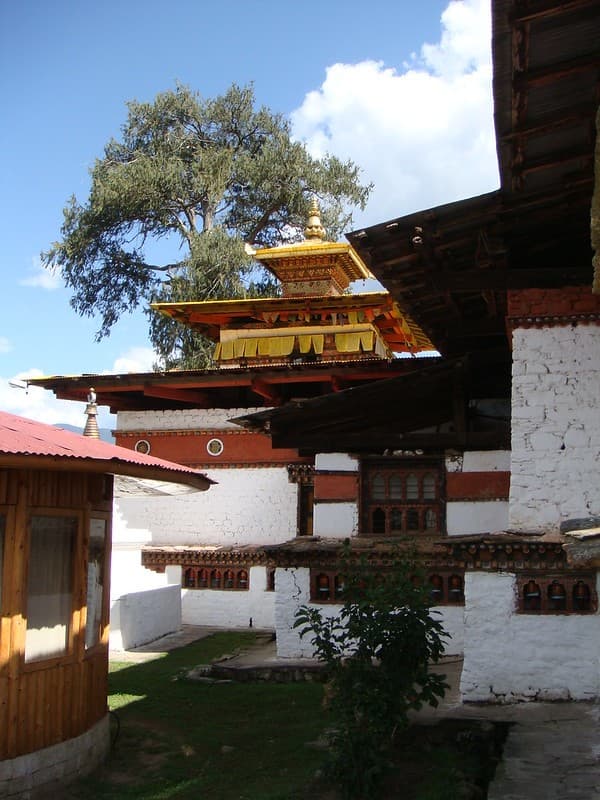
Historic Anecdotes
Legend says King Songtsen Gampo built Kyichu Lhakhang as part of the network of 108 temples to subdue a demoness whose body lay across the region. The temple is also associated with Guru Rinpoche (Padmasambhava), who is said to have blessed the site. Local lore credits the temple with miraculous protections for the valley and blessings for travelers and newborns.
Places to visit
- The main shrine with its ancient Buddha statues and altar
- Beautiful ancient frescoes and wall paintings inside the temple
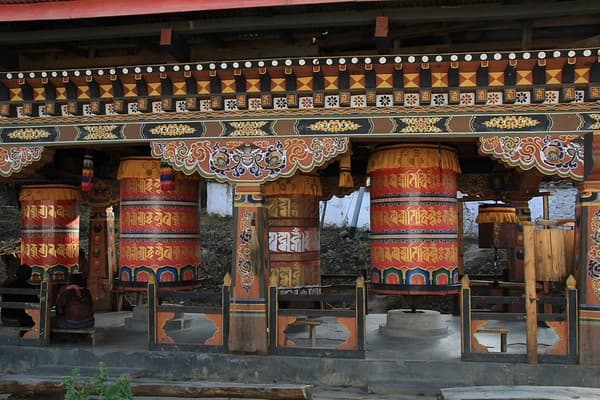
- Courtyard with small chortens and prayer wheels
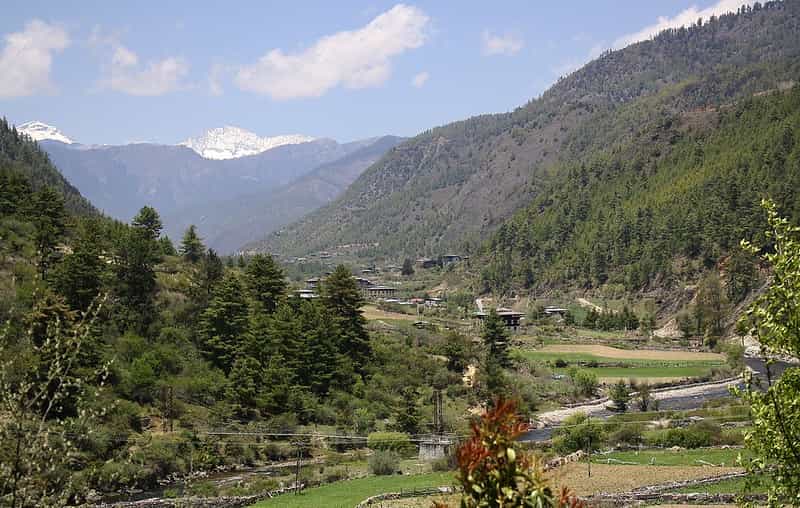
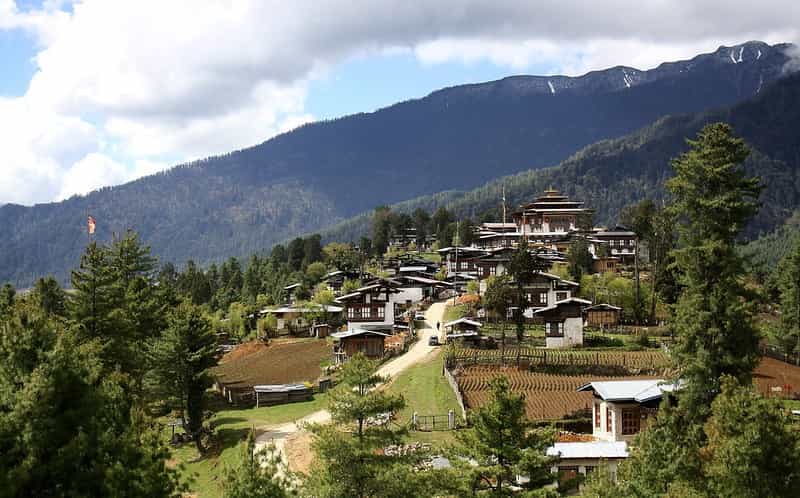
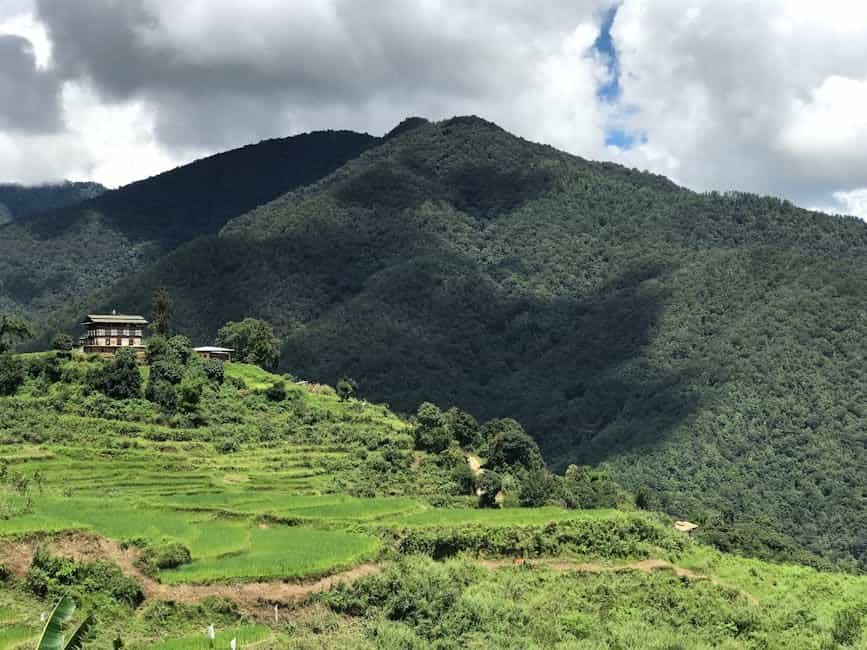
- Scenic views over Paro Valley from the temple grounds
- Nearby smaller shrines and meditation corners used by local monks and pilgrims
Unique Aspects
- One of Bhutan's oldest continuously used Buddhist temples
- Traditional Bhutanese woodwork and carved lintels
- Intact ritual atmosphere with daily pujas and butter-lamp offerings
- A compact, accessible site that offers a close-up view of Bhutanese devotional practice
Things to do
- Circumambulation (kora) around the temple and chortens
- Observing or joining daily pujas and lighting butter lamps
- Photography of exterior architecture and valley views (observe restrictions inside)
- Guided visits that explain iconography, history, and rituals
- Short meditative sitting in the courtyard or nearby quiet corners
Festivals & Events
- Local temple rituals and anniversary pujas (dates vary by lunar calendar)
- Paro Tsechu (nearby major festival in Paro) — many visitors combine a visit to Kyichu with Paro Tsechu
- Smaller community ceremonies tied to blessings for children, travelers, and seasonal agricultural rites
Best Time to Visit
Spring (March–May) and Autumn (September–November) for clear skies, pleasant temperatures, and festival season. Early morning visits offer quieter devotional atmosphere.
Weather Conditions
Paro valley has a temperate, mountain climate: cool mornings and evenings, warm daytime in summer. Monsoon (June–August) brings heavy rain; winter (December–February) can be cold with occasional frost.
Entry Fees & Permits
There is no formal entry fee for Kyichu Lhakhang, though donations to the temple or offerings are customary. Opening hours typically follow daylight hours (approx. 09:00–17:00), but times can vary for rituals—check locally.
Accessibility
The temple is located a short drive (about 10–15 minutes) from Paro town and very close to Paro Airport. Access is by road; taxis from Paro town or the airport are the usual way. The site involves some steps and uneven surfaces, so mobility-limited visitors may need assistance. Public transport is limited—arrange a taxi or guided tour.
Recommended Duration
Plan 1–2 hours for a relaxed visit including time for circumambulation, viewing interior elements, and enjoying valley views.
Clothing & Gear Tips
Dress modestly (cover shoulders and knees). Remove shoes inside the temple. Bring a light jacket for cool mornings/evenings, a hat and water for daytime, and sturdy shoes for uneven paths. Respect photography rules and silence during pujas.
Local Food & Souvenirs
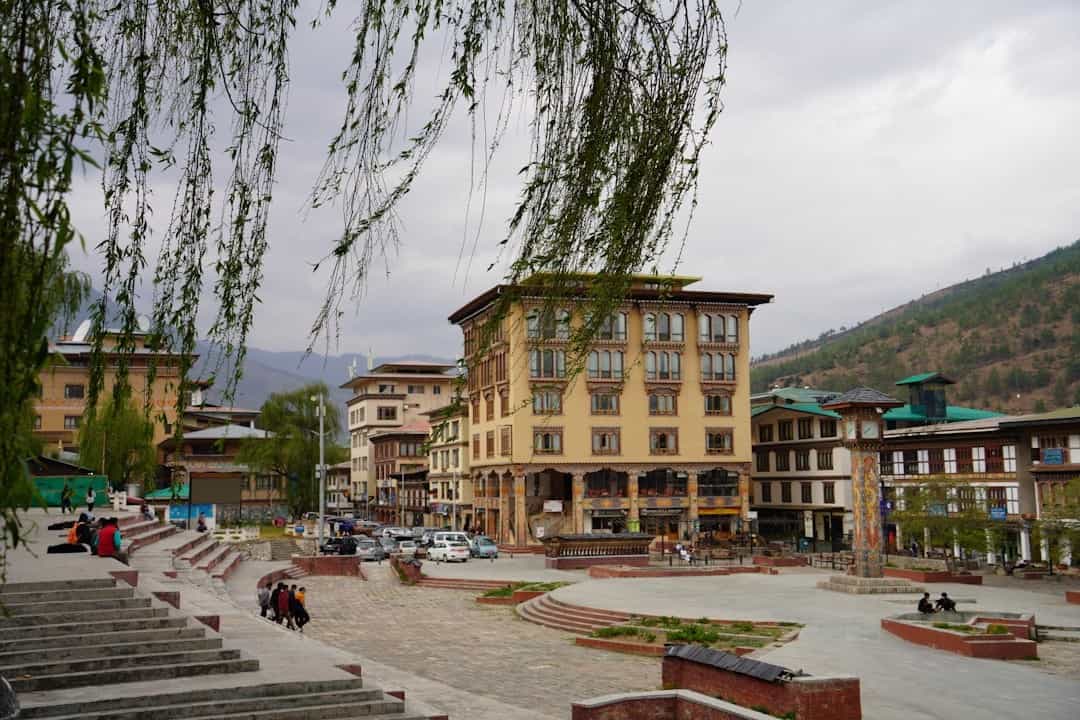
Nearby Paro town offers traditional Bhutanese dishes such as ema datshi (chili-cheese), momos, and butter tea. Souvenirs to look for include handwoven textiles, prayer flags, small tsa-tsa (clay stupas), and Buddhist thangka paintings. Carry local currency (Bhutanese ngultrum) for small purchases and donations.