Lhuentse, Bhutan
Lhuentse is a northeastern dzongkhag (district) of Bhutan known for its strong cultural heritage, traditional weaving (particularly Lhuentse kira and textiles), important religious sites, and relatively untouched natural landscapes. The region is historically significant as the ancestral home of the influential Tshering and Dorji families and is associated with Bhutanese royal lineage. Its monasteries, chortens, and remote villages preserve centuries-old Buddhist practices and rural Bhutanese life.
Last updated: 16 Jan 2026
Places to visit
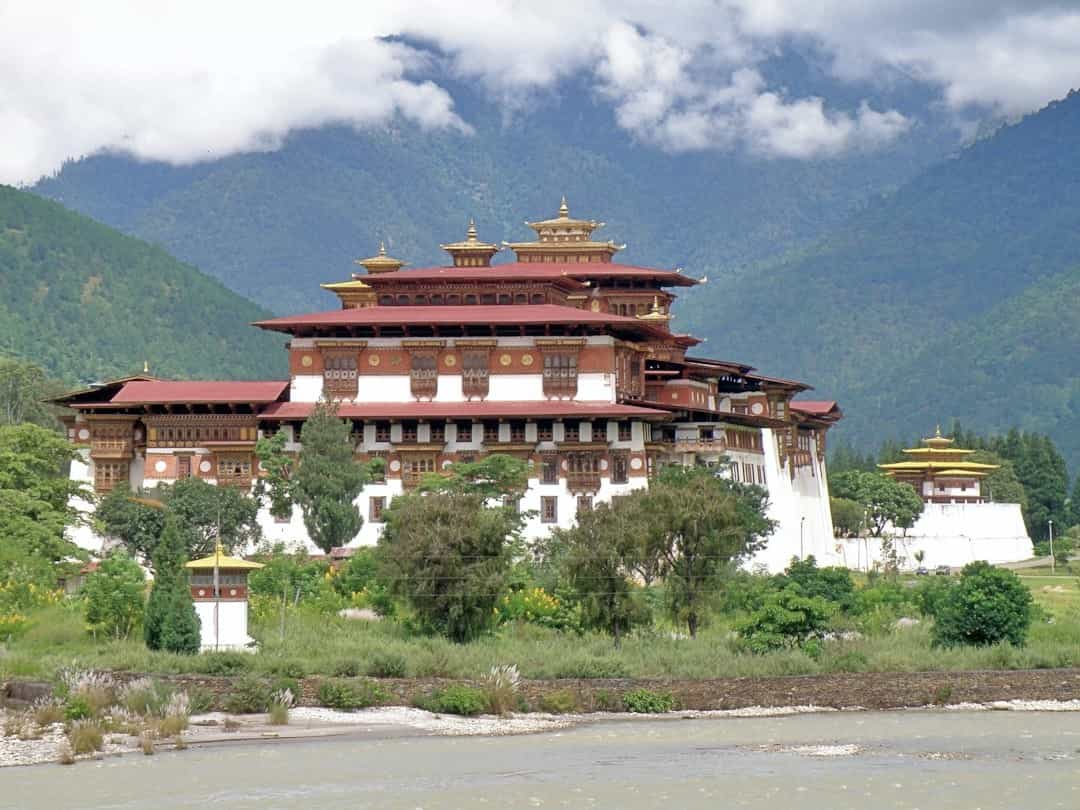
- Lhuentse Dzong (Khoma Dzong)
- Kharung Lhakhang and other local temples
- Khoma village (renowned for textiles and weaving)
- Trashi Yangtse and connections to nearby districts (day trips)
- Scenic drives along the Pele-La and other mountain passes
Unique Aspects
- World-class traditional weaving: intricate patterns and natural dyes
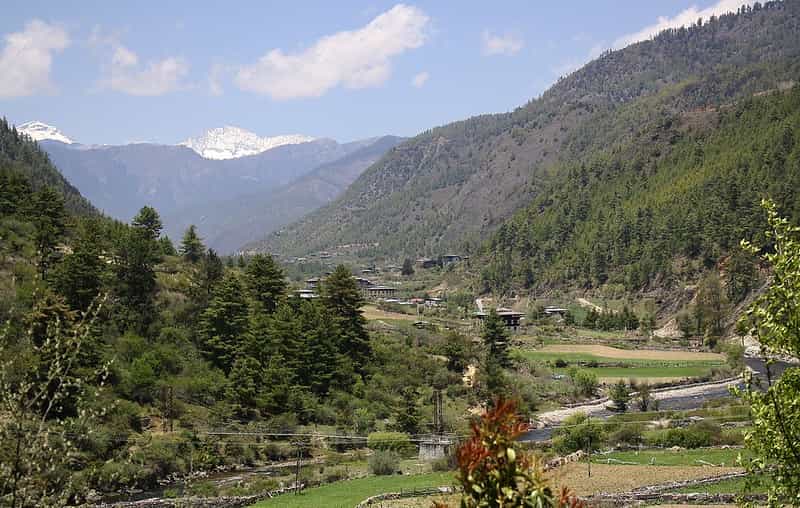
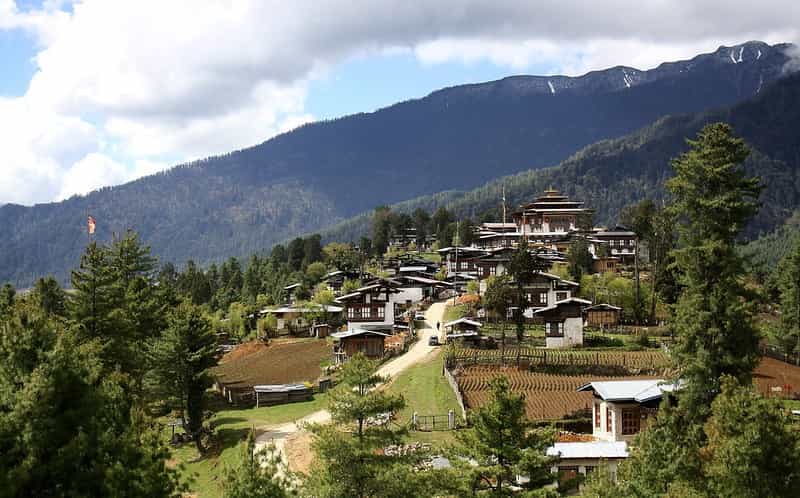
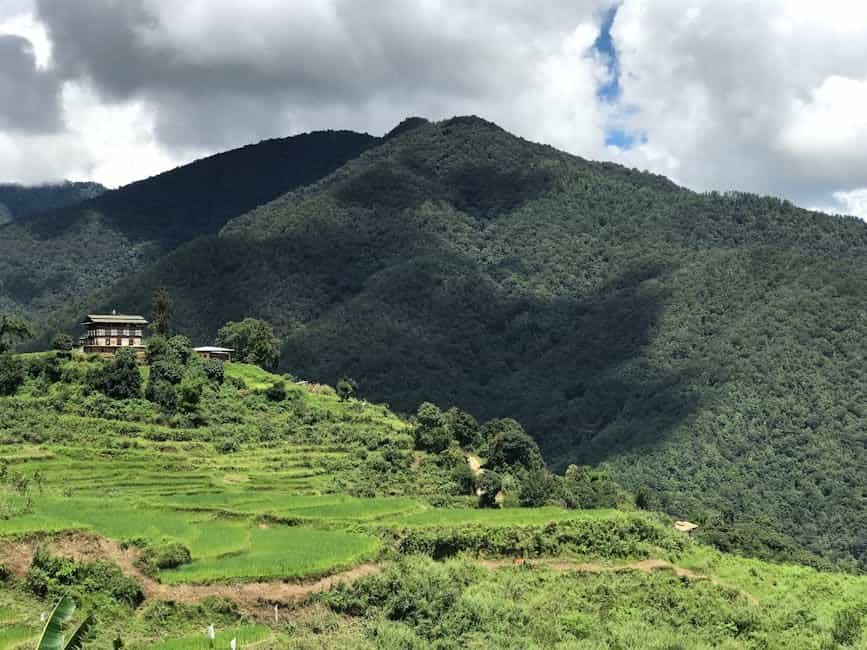
- Well-preserved rural Himalayan landscapes and terraced fields
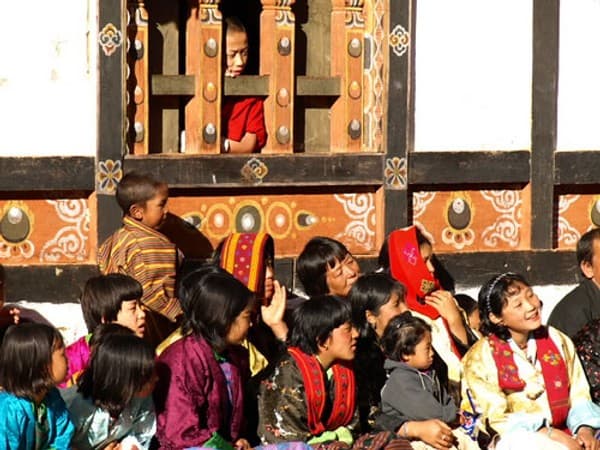
- Remote, low-tourist environment offering authentic village life
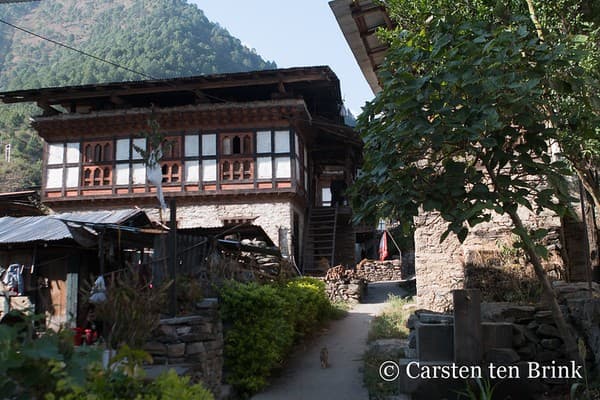
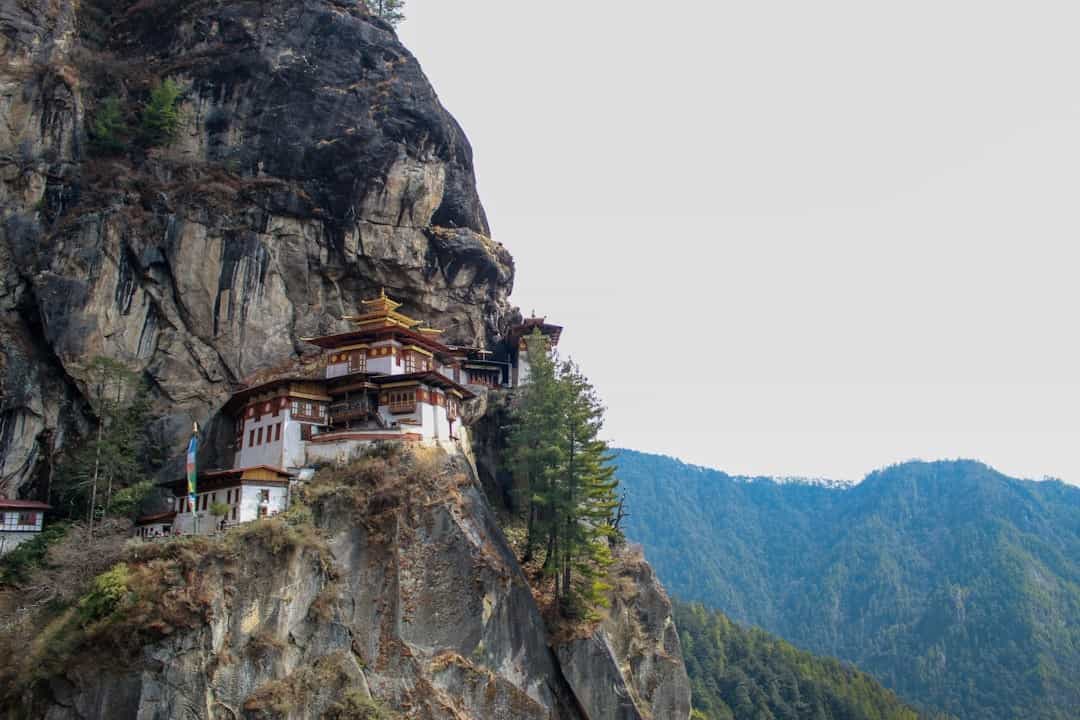
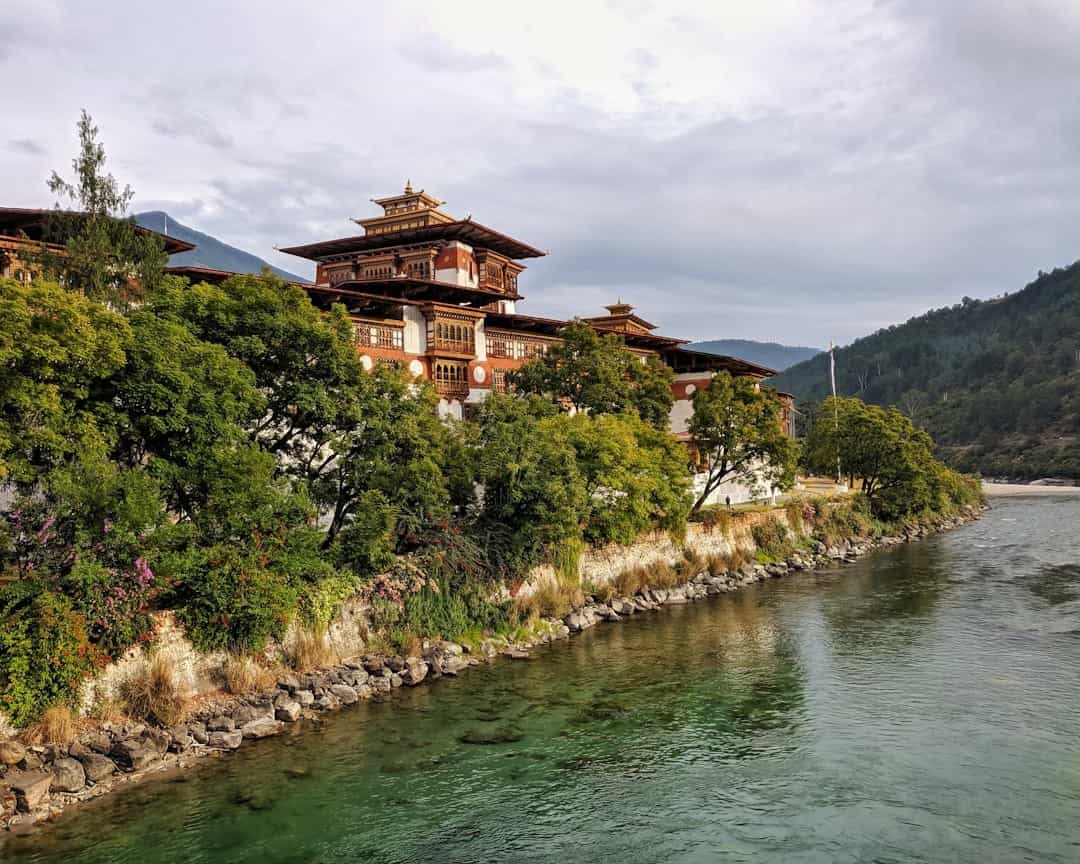
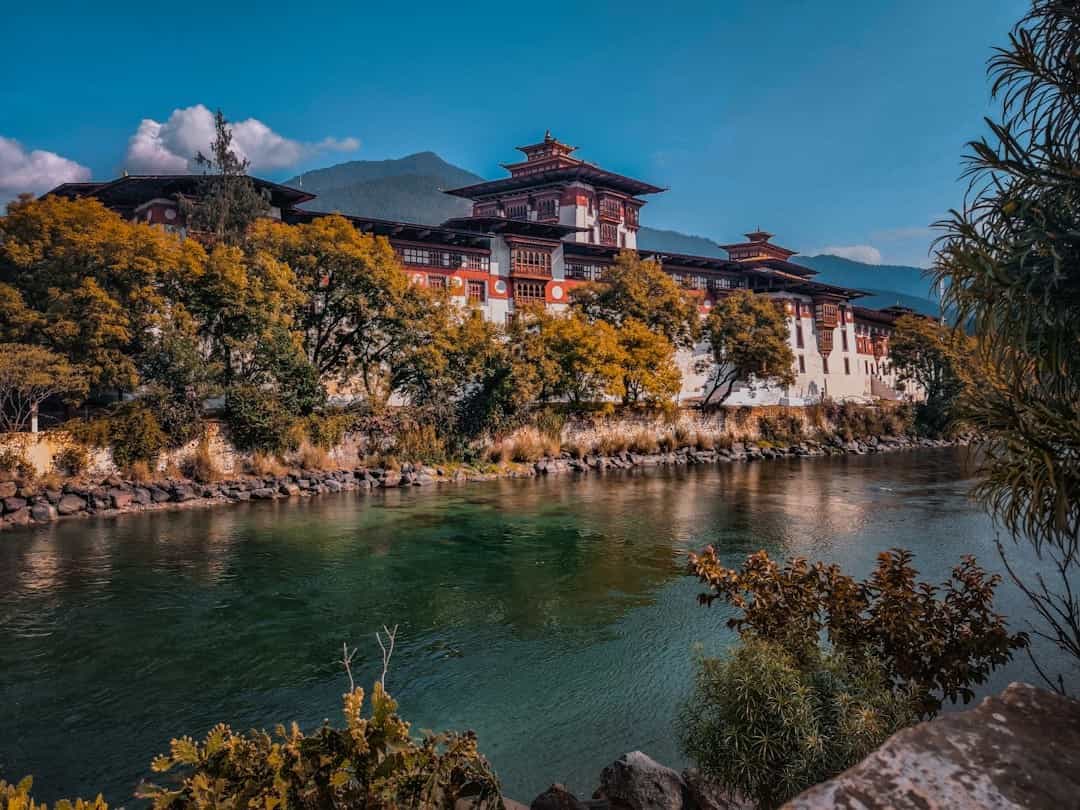
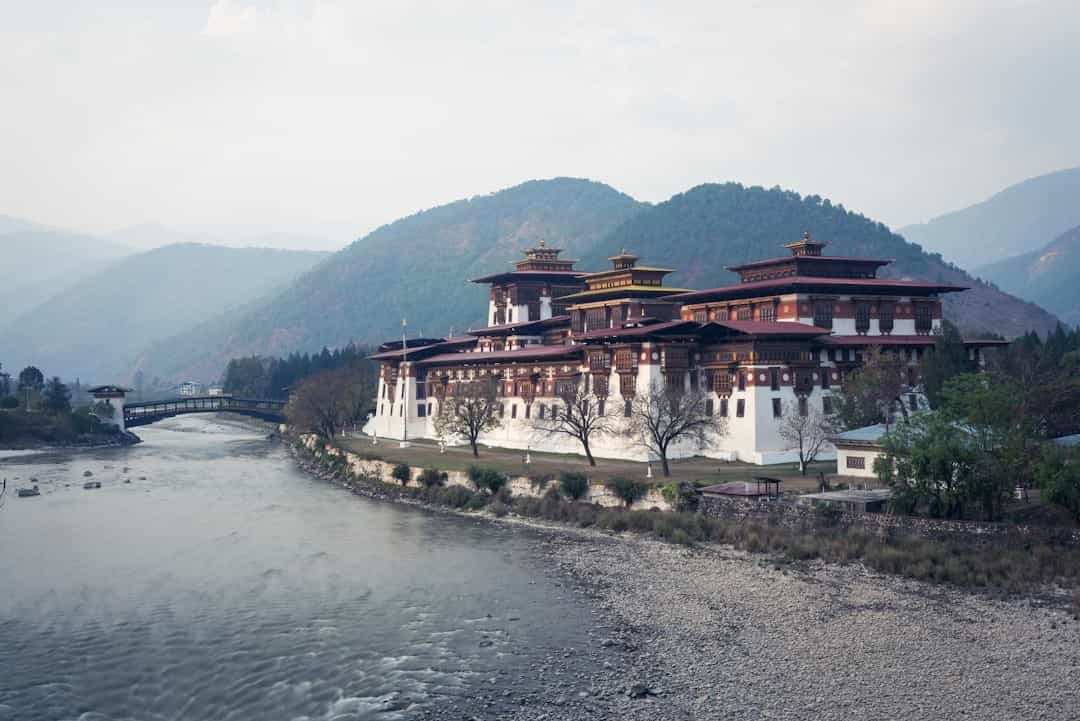
- Traditional Bhutanese architecture in dzongs and temples
Things to do
- Weaving demonstrations and visits to artisan households in Khoma village
- Pilgrimage walks to local temples and chortens
- Guided cultural tours of Lhuentse Dzong and nearby monasteries
- Short hikes on trails connecting villages and viewpoints
- Photography of textiles, rural life, and panoramic Himalayan foothills
Festivals & Events
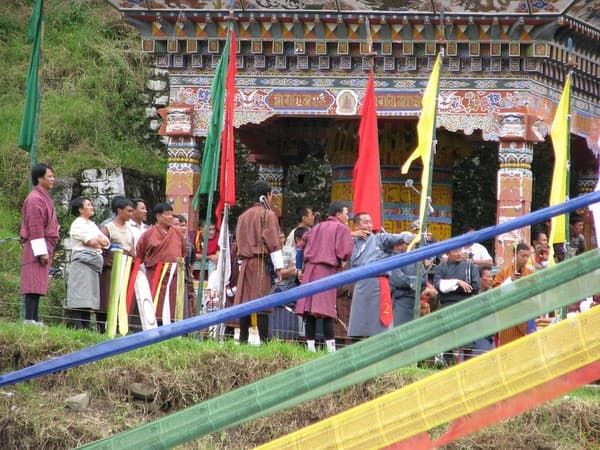
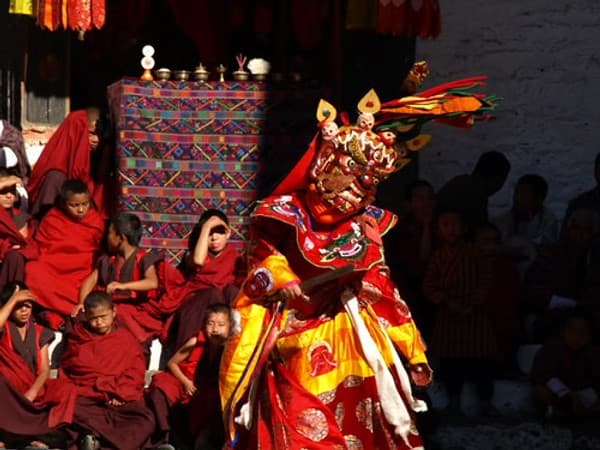
- Local tsechus (district religious festivals) with mask dances and rituals — dates vary by year
- Community weaving gatherings and occasional craft fairs
- Religious ceremonies at local lhakhangs during Buddhist observances
Best Time to Visit
Spring (March–May) and autumn (September–November) are ideal for clear weather, comfortable temperatures, and festival timings. Winter can be cold and roads may be challenging; monsoon (June–August) brings heavy rains and reduced visibility.
Weather Conditions
Temperate to cool mountain climate. Daytime temperatures in spring/autumn range from 10–20°C (50–68°F); nights can be chilly. Winters are colder, especially at higher elevations, with occasional frost.
Accessibility
Lhuentse is remote and accessible by road from Bumthang or Mongar, often via scenic but winding mountain roads and passes. Nearest major hubs: Mongar (by road) and the national airport in Paro (requires a long overland journey). Domestic flights are limited; expect multi-hour drives from central Bhutan. Roads can be rough; travel by 4x4 vehicle with experienced drivers is recommended.
Recommended Duration
2–3 days to explore main sites and villages; 4–5 days recommended if combining nearby districts or doing relaxed village visits.
Clothing & Gear Tips
Layered clothing for temperature variations, waterproof jacket during monsoon, sturdy walking shoes or light hiking boots, sun protection (hat, sunglasses), and modest clothing for temple visits (shoulders/knees covered).
Local Food & Souvenirs
Try traditional Bhutanese dishes such as ema datshi (chili-cheese), red rice, and local yak-based dishes in higher elevations. Souvenirs: hand-woven kira and textiles from Khoma, natural-dye fabrics, and small religious artifacts or prayer flags.