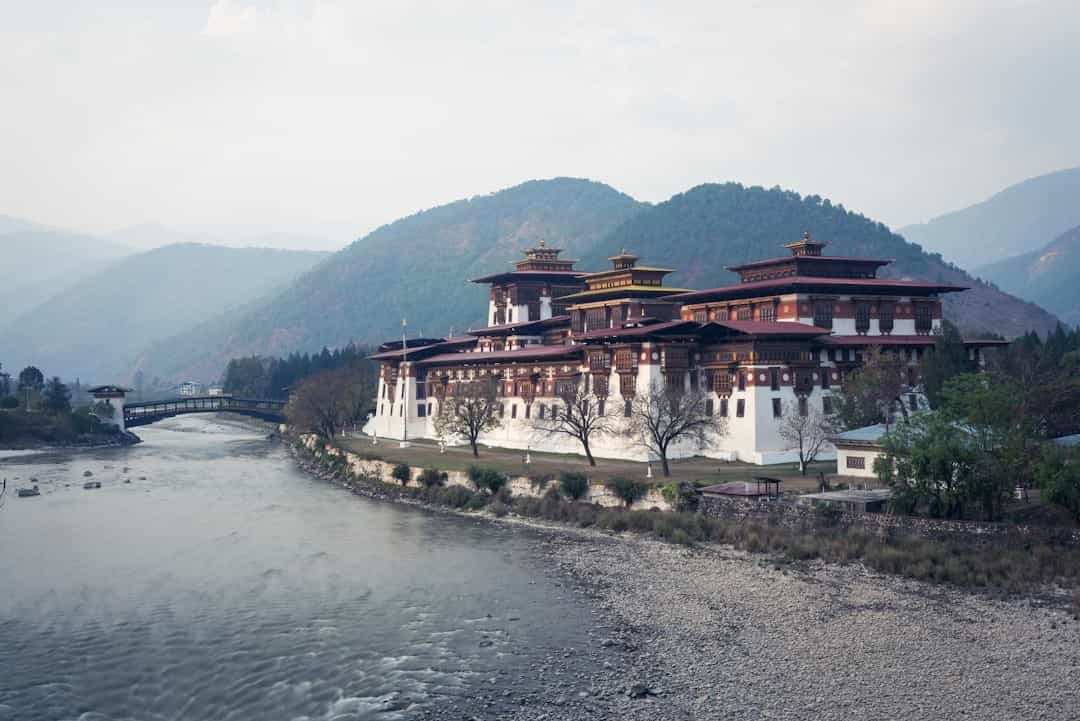
Mongar Dzong, Bhutan
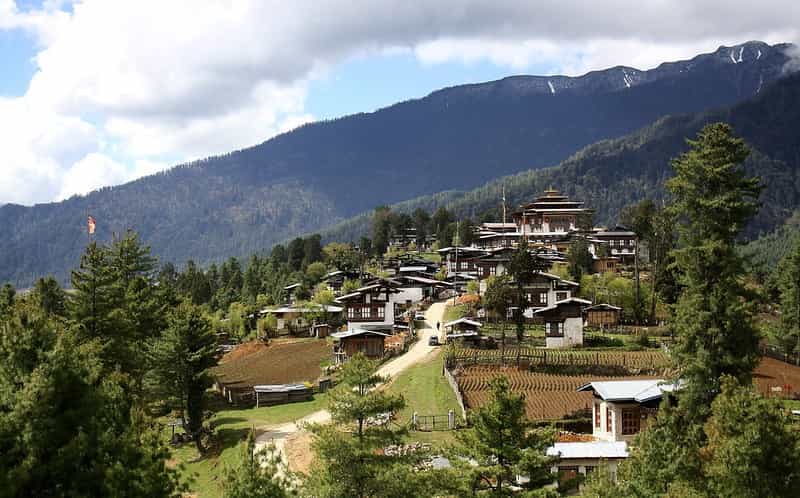
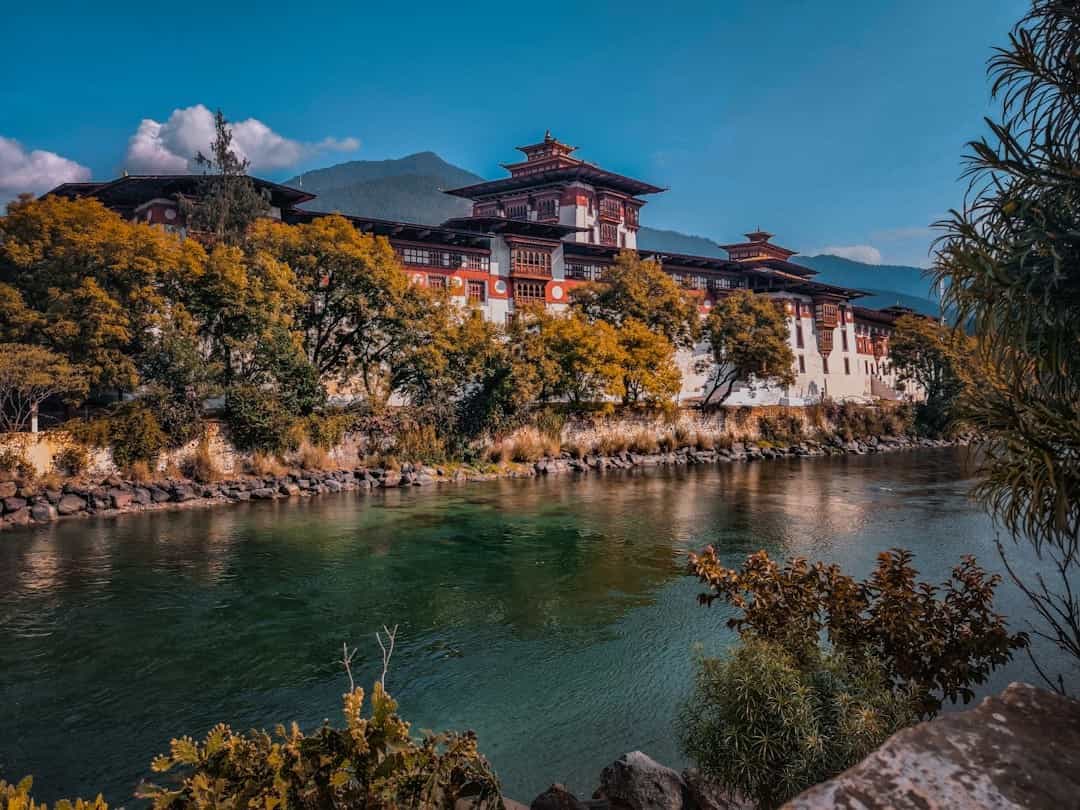
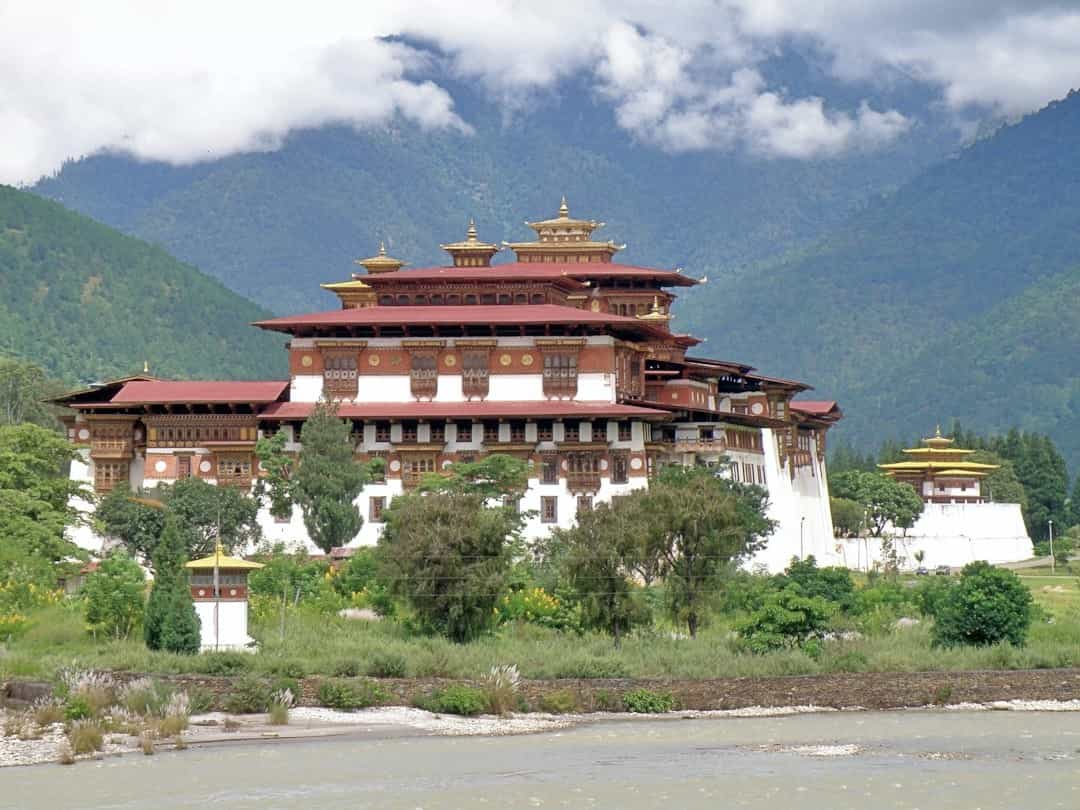
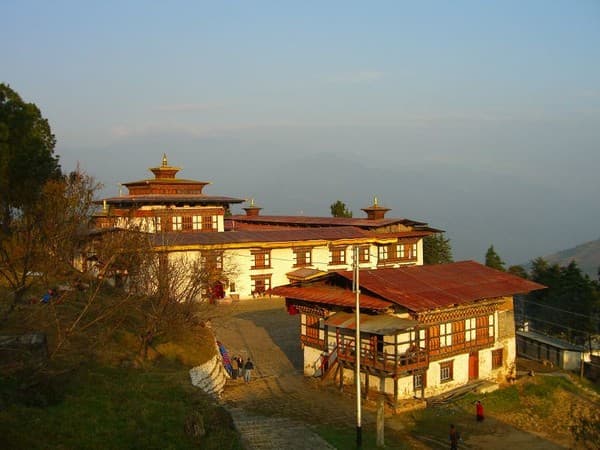
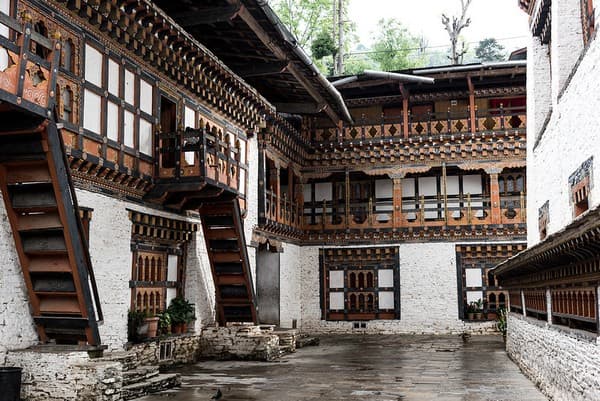
Mongar Dzong is the administrative and religious heart of Mongar District in eastern Bhutan. Perched above Mongar town, the dzong serves as a regional seat for both civil administration and monastic activities, embodying the traditional Bhutanese fusion of governance and Buddhism. Architecturally it represents the eastern dzong style—fortified, yet integrated into the ridge landscape—offering insight into local construction techniques, timber work, and religious art.
Last updated: 22 Jan 2026
Places to visit
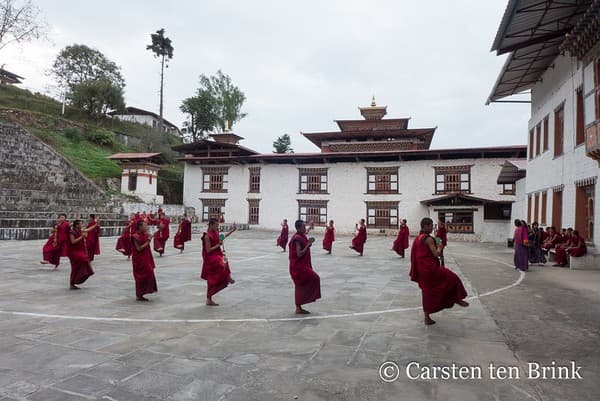
- The Dzong Fortress and Central Courtyard — the main administrative and religious complex
- Main Temple (Lhakhang) with traditional altars, thangka paintings, and prayer halls
- Panoramic Viewpoints overlooking Mongar town and the surrounding valley
- Traditional Watchtowers and Fortifications showcasing wood and stone craftsmanship
- Nearby Mongar town market and local neighborhood streets
Unique Aspects
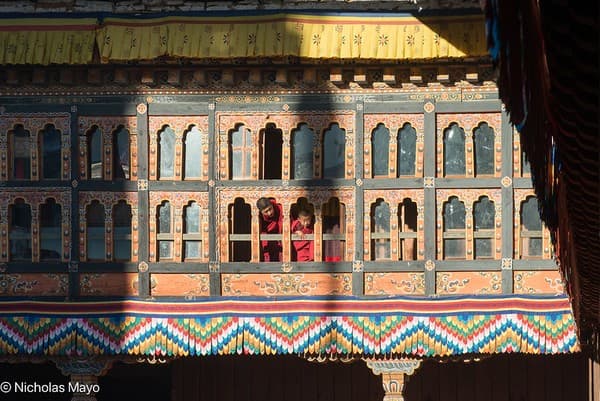
- Distinctive eastern Bhutanese dzong architecture with painted timber façades and sloped roofs
- Rich woodcarving, murals and thangkas inside the temple spaces (access may be restricted)
- Strategic ridge-top setting offering dramatic valley and ridge-line scenery
- Combination of civic offices and monastic quarters functioning side by side
Things to do
- Attend religious services or witness monk-led rituals (when allowed)
- Explore exterior courtyards and approach paths for photography and views
- Visit nearby town markets to experience local life and crafts
- Short hikes around the ridge and nearby trails for scenic outlooks
- Join a local guide to learn about the dzong's history, art, and administrative role
Best Time to Visit
Spring (March–May) and Autumn (September–November) for the clearest skies, comfortable temperatures, and more reliable road conditions. Monsoon season (June–August) brings heavier rain and reduced visibility.
Weather Conditions
Temperate mountain climate: warm to mild daytime temperatures, cooler mornings and evenings. Expect cooler conditions at higher elevations and possible rain during the monsoon months.
Entry Fees & Permits
There is generally no formal tourist entry fee for viewing the exterior and public courtyards, but access to inner temple areas may be limited or restricted during official functions. Dzongs often open during daytime hours; visitors should check local timings and request permission where required. Always dress modestly and follow onsite instructions.
Accessibility
Mongar is reached via Bhutan's east–west Lateral Road. Most international visitors fly into Paro International Airport and continue by road (a long scenic drive) or use domestic flights to eastern regional airports followed by a road transfer. Travel times vary; expect a multi-hour overland journey from western Bhutan. The dzong sits above the town and requires a short uphill walk from the main road.
Recommended Duration
Allocate 1–3 hours to visit the dzong and viewpoints. Plan 1–2 days in Mongar if you want to explore local markets, surrounding villages, and nearby scenic walks.
Clothing & Gear Tips
Layered clothing for changing temperatures, comfortable walking shoes for the uphill approach, a light rain jacket in wet months, sun protection (hat, sunglasses), and modest attire for religious sites (cover shoulders and knees).
Local Food & Souvenirs
Try local Bhutanese dishes such as ema datshi (chili-and-cheese stew) and momos at town eateries. Good souvenirs include handwoven textiles, wooden handicrafts, local honey, dried chilies, and locally made prayer flags or religious items (purchase respectfully).