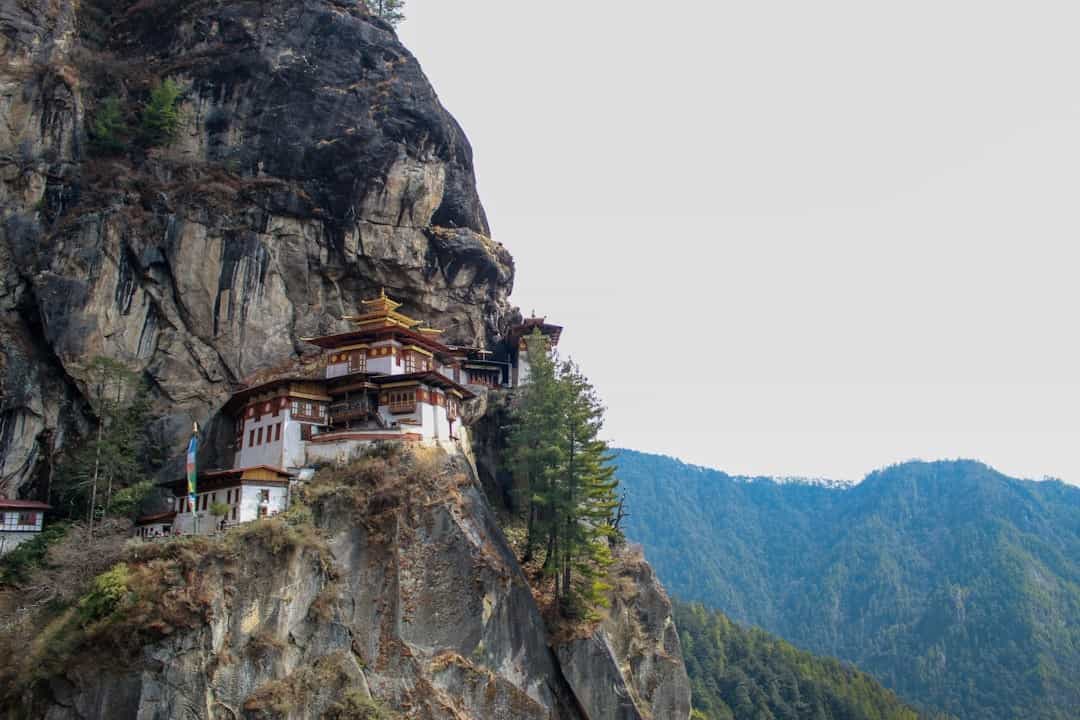
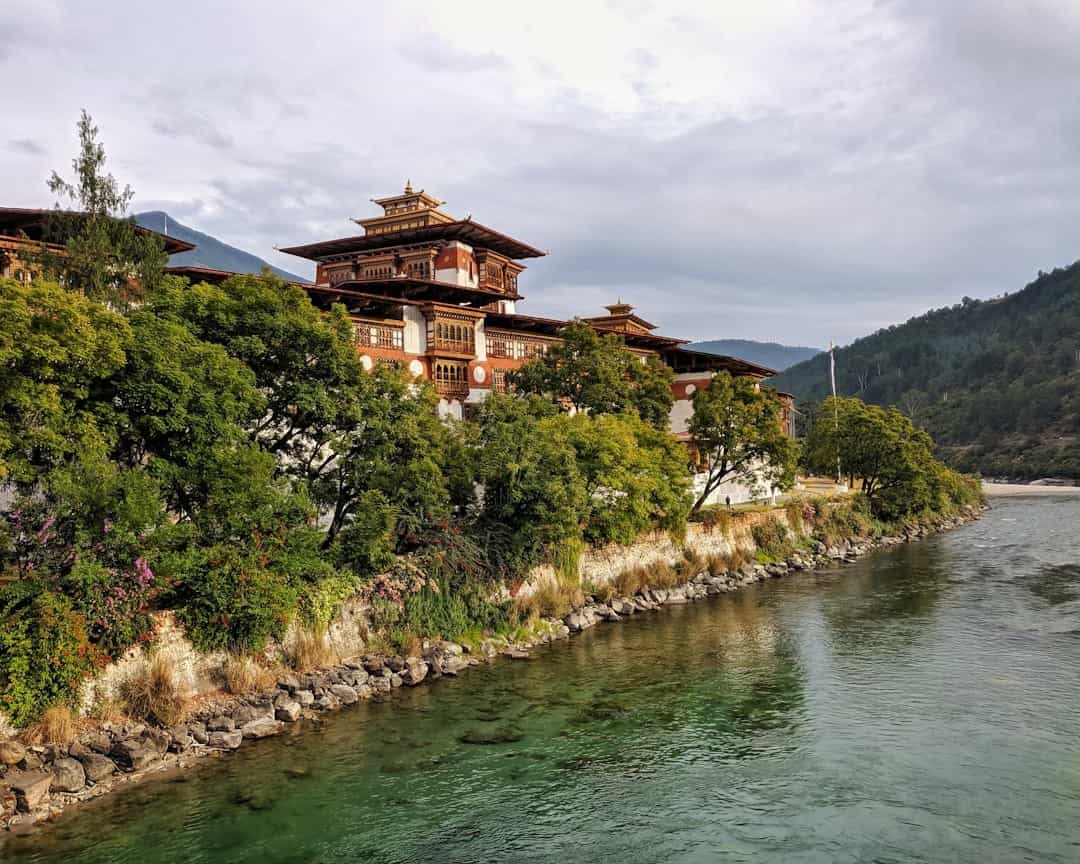
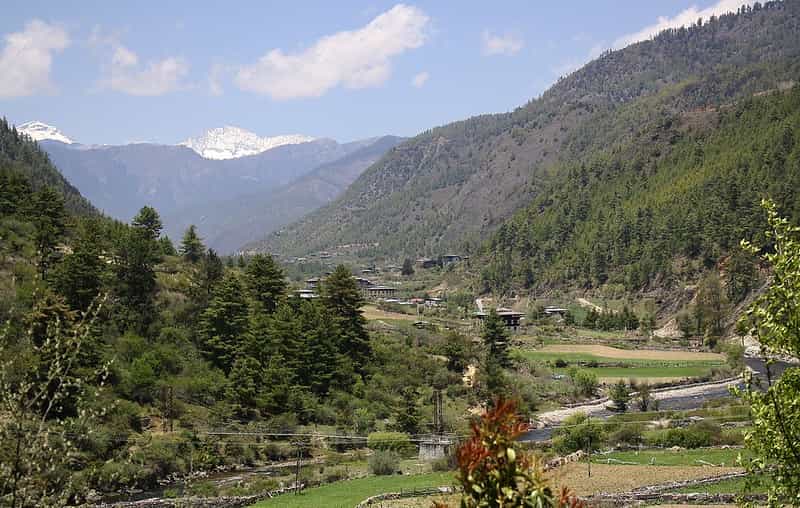
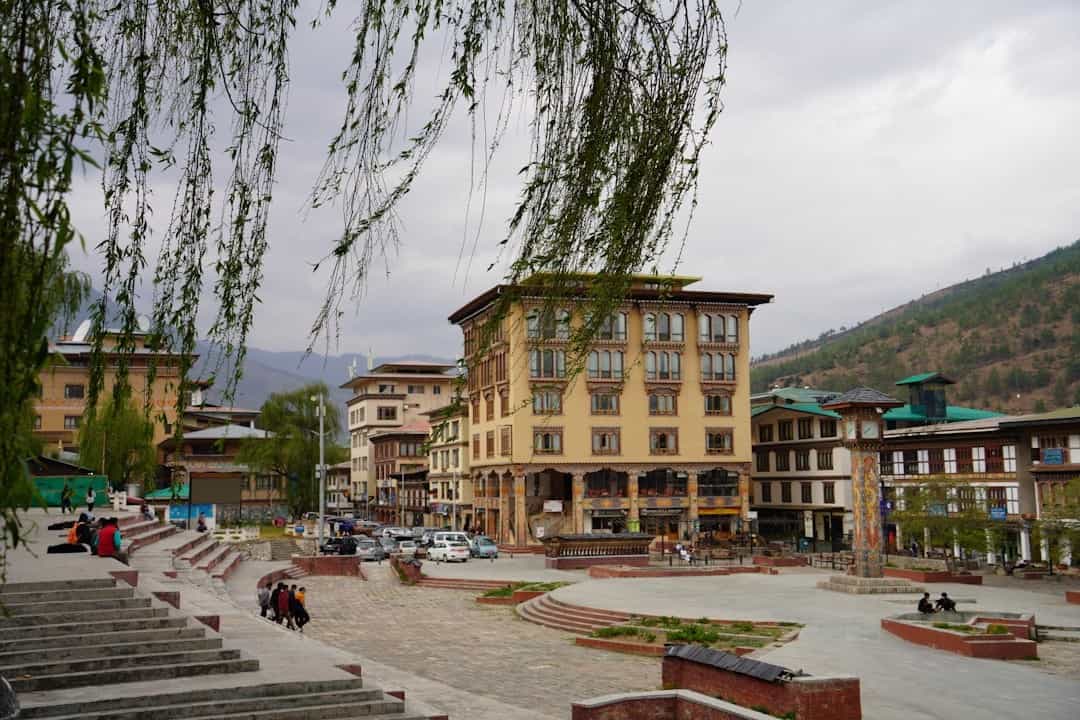
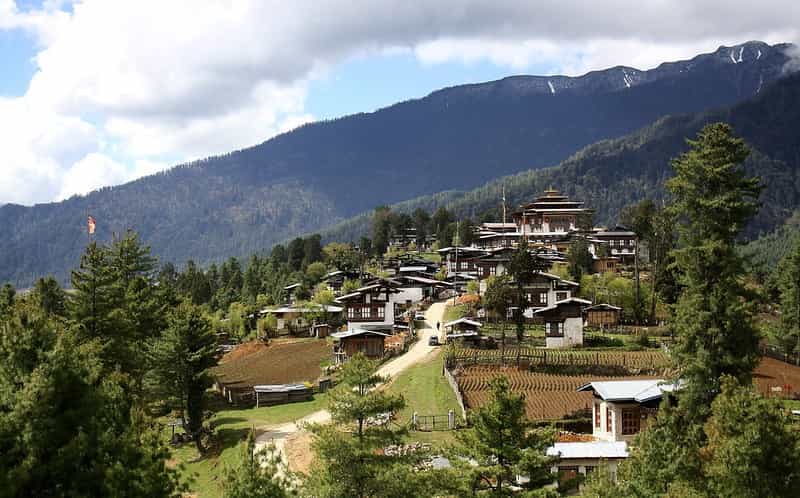
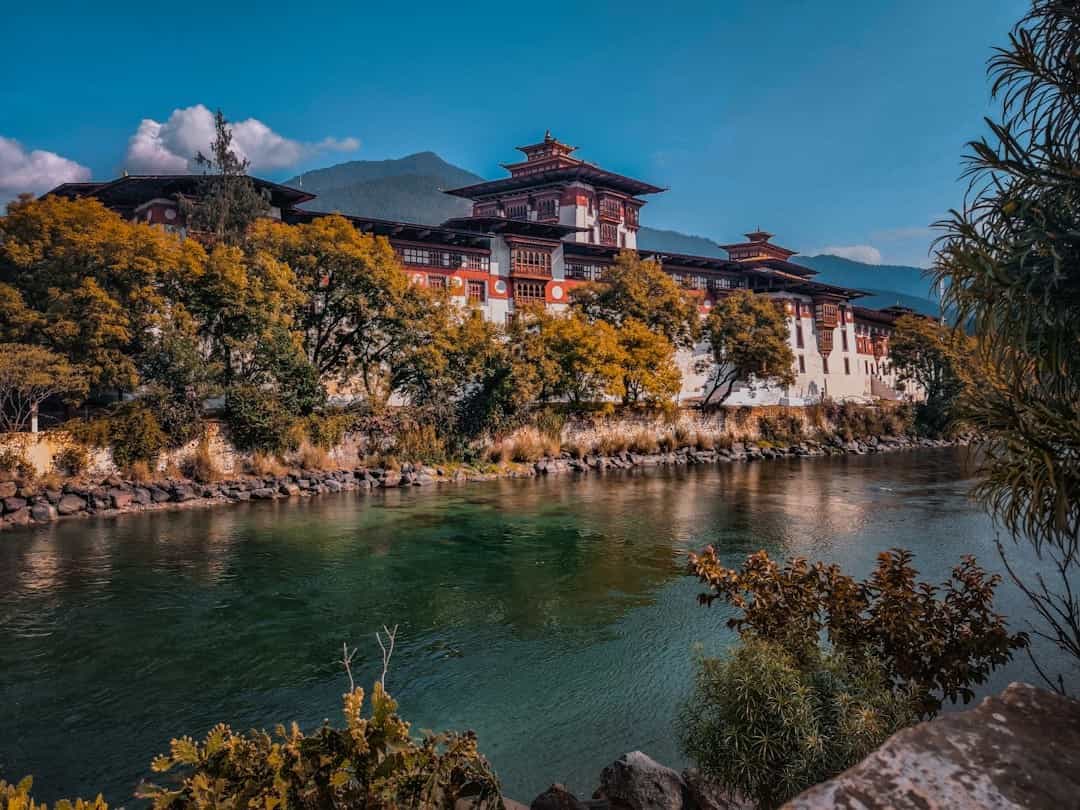
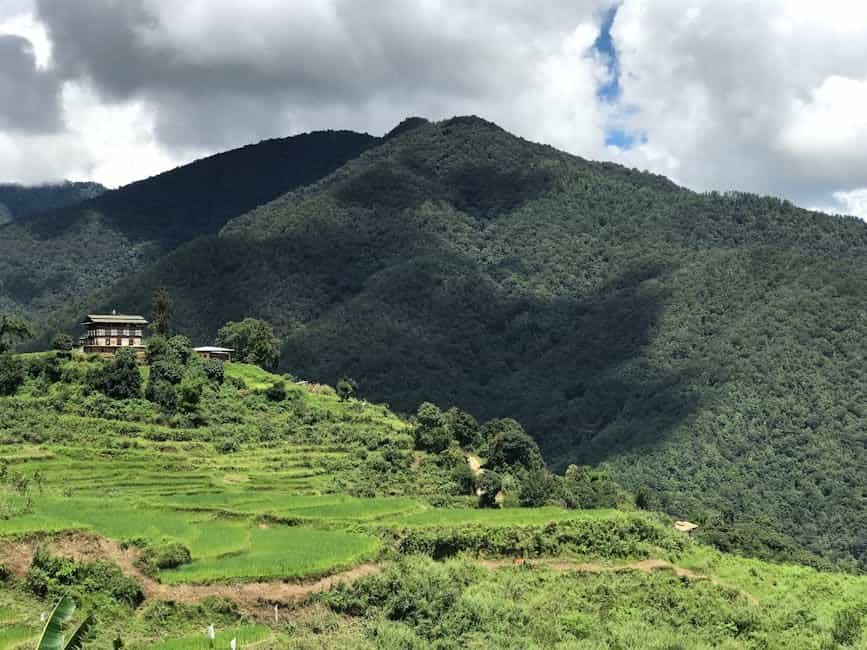
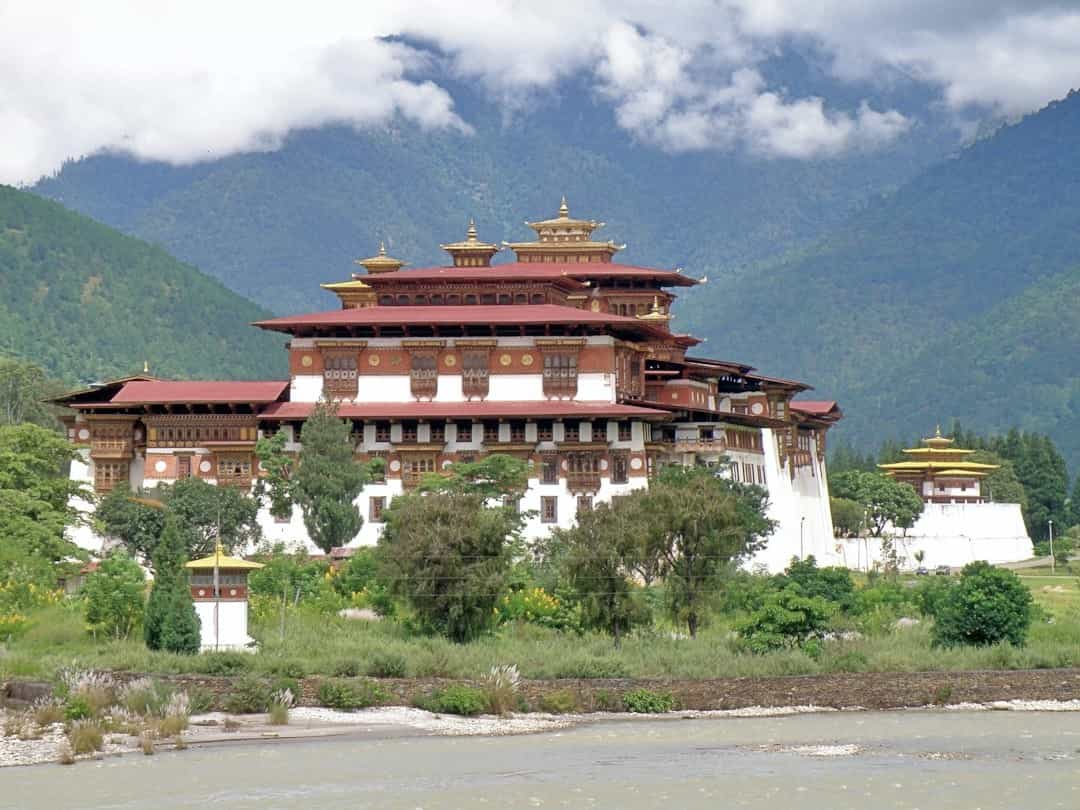
Mount Jomolhari, Bhutan
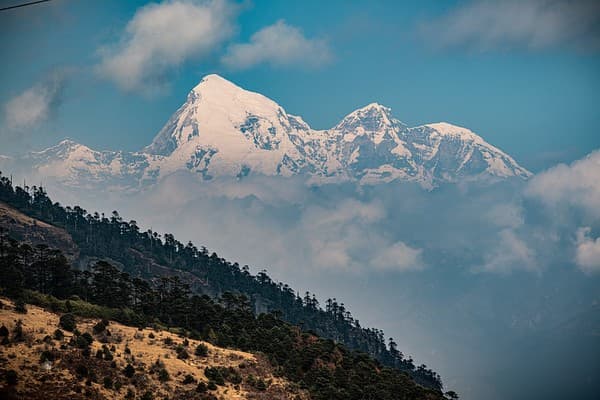
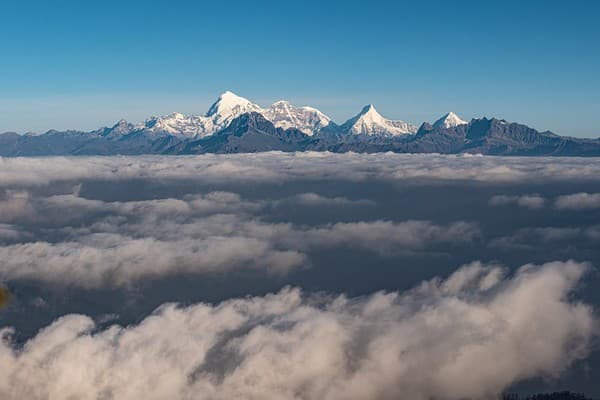
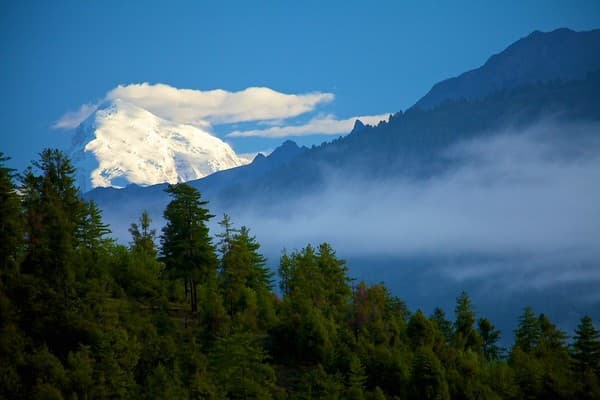
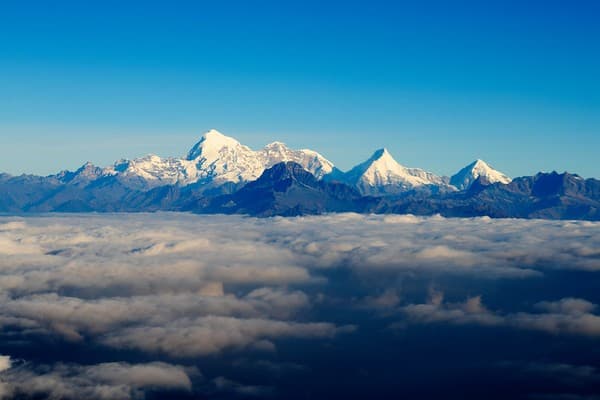
Mount Jomolhari (Chomolhari) is one of Bhutan's most sacred and iconic peaks, straddling the Bhutan–Tibet border. Revered in Bhutanese and Tibetan Buddhism, it is considered the abode of a protective mountain deity (the ‘White Goddess’). The mountain has long held spiritual significance for local communities and pilgrims; many monasteries and chortens in the surrounding valleys contain stories and rituals connected to the peak. Natural importance includes high‑altitude ecosystems, glacial features, and habitat for rare alpine wildlife such as the snow leopard and Himalayan blue sheep.
Last updated: 22 Jan 2026
Places to visit
- Jomolhari trek – classic multi‑day high‑altitude trek through pristine valleys and alpine meadows
- Jangothang (base camp) – scenic plateau with views of Jomolhari and local yak camps
- Sacred lakes and glaciers on the mountain’s flanks
- Remote villages and ancient monasteries in the Laya–Lingshi region
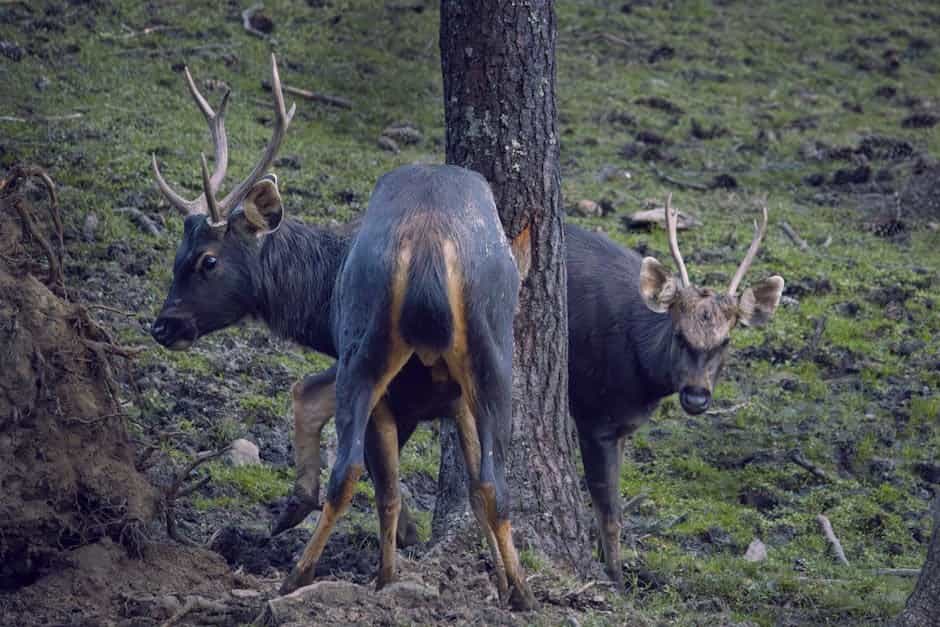
- Opportunities to see high‑altitude wildlife (Himalayan blue sheep, marmots, snow leopard habitat)
Unique Aspects
- Elevation: approximately 7,314 m (24,000 ft) — a striking snow‑capped peak visible from several Bhutanese valleys
- Dramatic glaciated ridges and steep north‑facing faces toward Tibet
- Rich alpine meadows (best in summer) and seasonal yak grazing grounds
- Cultural landscapes with chortens, mani walls, and prayer flags lining trekking routes
Things to do
- Multi‑day trekking (Jomolhari Trek — typically 7–12 days depending on itinerary)
- Camping and mountain photography at Jangothang and other high camps
- Cultural encounters in remote highland villages (Lingshi, Chebisa, Jangothang)
- Birdwatching and wildlife spotting in alpine zones
- Pilgrimage visits to nearby monasteries and sacred sites
Best Time to Visit
Spring (April–May) and Autumn (September–October) for stable weather and clear mountain views; summer (June–August) offers lush meadows but more rain and clouds; winter is very cold with heavy snow and many routes closed.
Weather Conditions
High‑altitude alpine climate: large diurnal temperature swings, cold nights, frequent high winds, and sudden weather changes. Expect snow at higher camps for much of the year and freezing temperatures above 4,000 m.
Accessibility
Nearest international gateway: Paro International Airport (Bhutan). Most treks to Jomolhari start from Paro or Thimphu with a drive to a trailhead (e.g., Shana). Trails are high‑altitude and rugged — not suitable for inexperienced hikers without acclimatization, a licensed guide, and support (porters/pony). Mobile coverage is limited; remote areas may be days from the nearest road.
Recommended Duration
Allow 7–12 days for the classic Jomolhari Trek itinerary; add extra days for acclimatization, travel to/from Paro, and contingency for weather.
Clothing & Gear Tips
Layered clothing system (base layers, insulating mid‑layers, waterproof outer shell), warm down jacket, sturdy waterproof trekking boots, gaiters, warm hat and gloves, sunhat and high‑SPF sunscreen, sunglasses with UV protection, trekking poles, sleeping bag rated to -10°C or lower for high camps.
Local Food & Souvenirs
Try Bhutanese specialties such as ema datshi (chili and cheese), yak butter tea, and tsampa in highland villages. Souvenirs: hand‑woven textiles (kira, gho fabrics), yak‑wool garments, traditional wooden crafts, prayer flags, and locally made artisanal products.