National Memorial Chorten, Bhutan
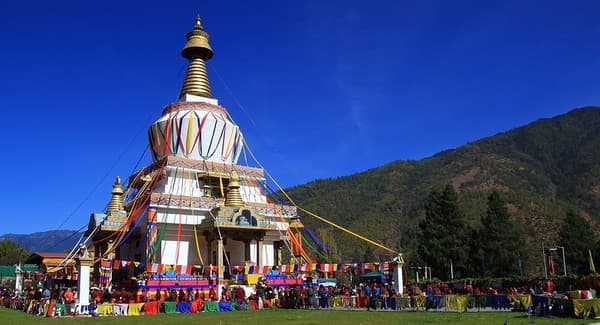
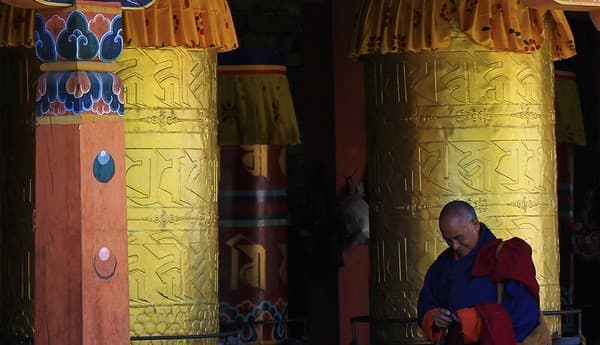
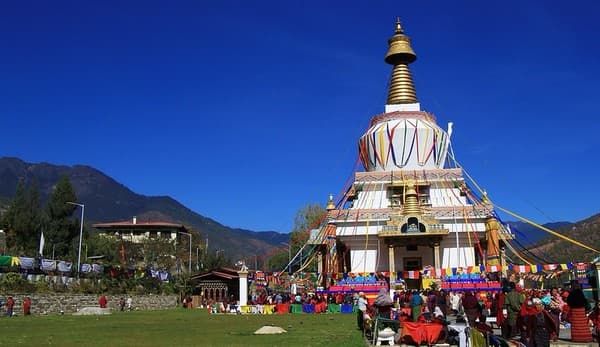
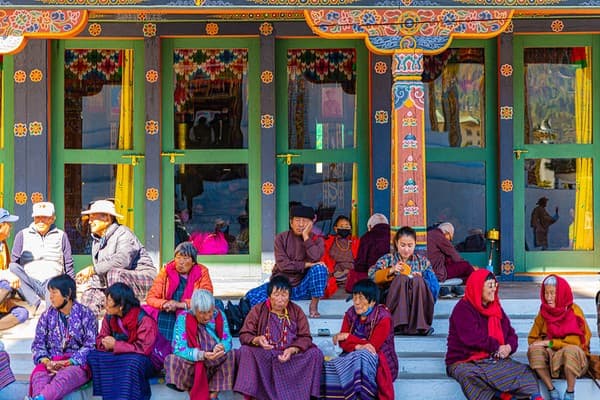
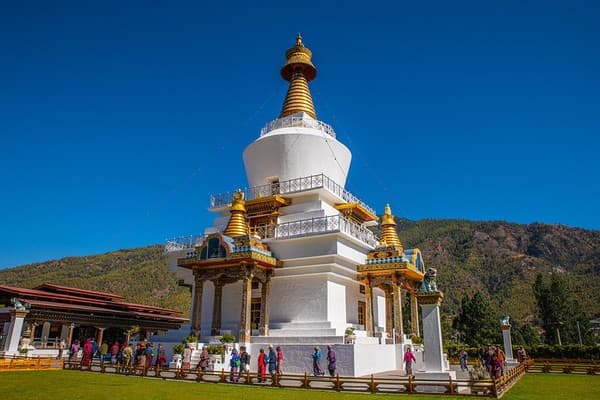
National Memorial Chorten (Thimphu) is one of Bhutan's most important religious landmarks. Built in 1974 in memory of the third King, Jigme Dorji Wangchuck, the chorten serves as a focal point for daily devotion and public worship in the capital. Architecturally, it is an outstanding example of modern Bhutanese religious design: a large white-washed stupa with gilded spire, rich murals and an inner sanctum housing sacred relics and statues. The site is integral to the living Buddhist culture of Bhutan and acts as a communal space where traditional practices such as circumambulation (kora), chanting, and spinning of prayer wheels are observed daily.
Last updated: 22 Jan 2026
Historic Anecdotes
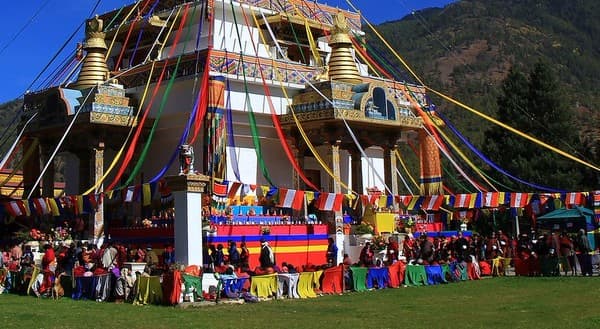
Locals regard the chorten as a powerful spiritual landmark where merit is accumulated by performing kora and spinning the many prayer wheels. Stories told by residents mention spontaneous appearances of lamas and pilgrims during important lunar days, and many believe circumambulating the chorten accumulates blessings for deceased relatives. Some guides recount that the site was purposely placed on the hill to protect Thimphu and its inhabitants with a spiritual presence.
Places to visit
- The white stupa with its gilded spire and ornate crown
- Inner sanctum with statues, relics and wall paintings
- Rows of large and small prayer wheels to spin during circumambulation
- Colorful murals and mandalas depicting Buddhist deities and iconography
- Kora path where locals perform devotional circumambulation
Unique Aspects
- Prominent location overlooking parts of Thimphu Valley
- Well-preserved contemporary Bhutanese stupa architecture blending traditional motifs
- Daily living rituals—chants, offerings, and collective prayer—visible to visitors
- Easily accessible urban setting combining spiritual atmosphere with city views
Things to do
- Observe or join locals doing kora (circumambulation) around the chorten
- Spin the many prayer wheels lining the path — a common devotional act
- Visit the inner sanctum quietly to view murals and statues (follow local rules)
- Photograph the exterior and surrounding views (respect restrictions inside)
- Attend morning or evening devotional gatherings to experience local religious life
Festivals & Events
- Buddhist holy days and full-moon observances (Uposatha) attract larger crowds
- National and royal commemorations sometimes involve ceremonies at the chorten
- Daily pujas and short memorial rites — visible year-round rather than large annual festivals
Best Time to Visit
Spring (March–May) and autumn (September–November) for comfortable weather and clearer skies. The chorten is meaningful to visit year-round; early mornings and late afternoons offer calm atmosphere and soft light.
Weather Conditions
Thimphu has a temperate highland climate—mild, wet summers and cool, dry winters with chilly mornings and evenings. Pack layers if visiting outside midsummer.
Entry Fees & Permits
There is no entry fee to visit the National Memorial Chorten. It is typically open from dawn to dusk (approx. 6:00–18:00), but exact hours follow local daylight and temple schedules. Donations to the temple are welcomed but not required.
Accessibility
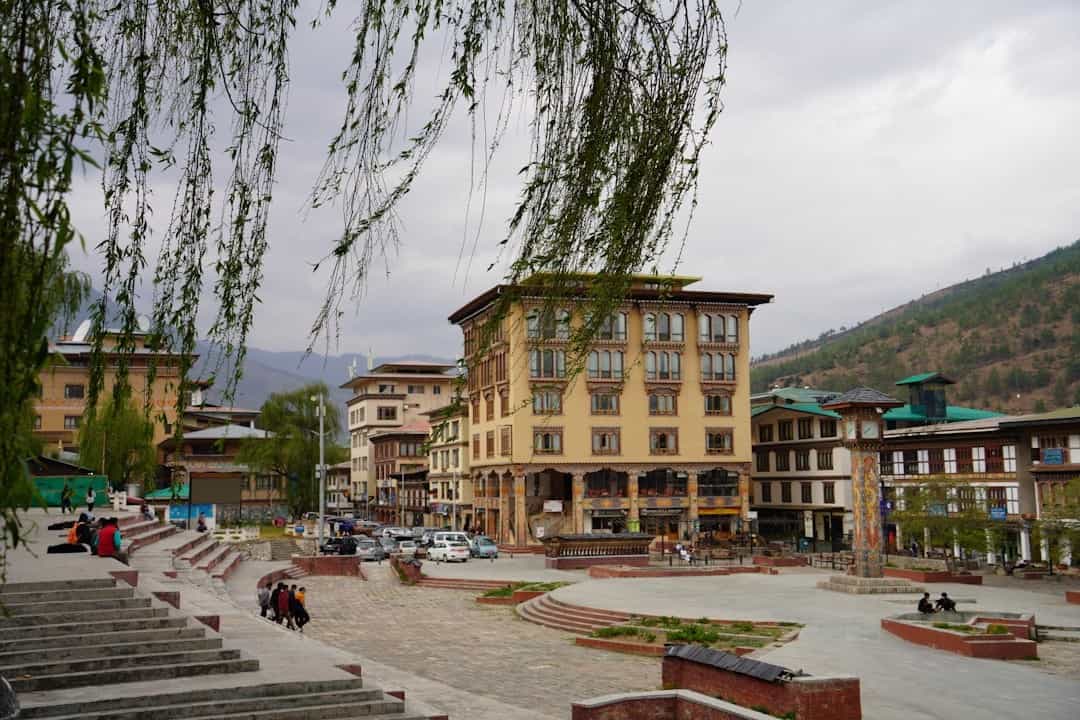
Located within Thimphu city on a small hill north of the central area; a short taxi ride or a 15–30 minute walk from the city center depending on pace. Nearest airport: Paro International Airport (~50 km / 1–1.5 hours by road). Local taxis and private vehicles are the usual way to reach the site; some guests walk from nearby hotels.
Recommended Duration
Allow 30–90 minutes to experience the chorten—short visits for photos or extended time to observe rituals and perform kora.
Clothing & Gear Tips
Dress modestly: cover shoulders and knees. Carry a light jacket for cool mornings/evenings. Comfortable shoes are fine for the outer areas (remove shoes if entering inner sanctum as required). Bring a small scarf or shawl for additional modesty and wind protection.
Local Food & Souvenirs
Nearby Thimphu markets and cafés offer Bhutanese specialties such as ema datshi (chili & cheese), buckwheat pancakes, and butter tea. Souvenirs include thangka paintings, prayer flags, handwoven textiles, and locally made prayer wheels or Buddhist amulets.