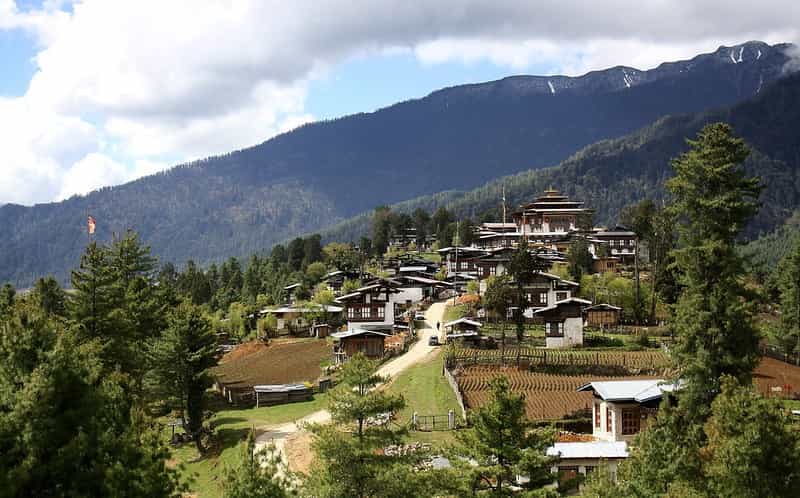
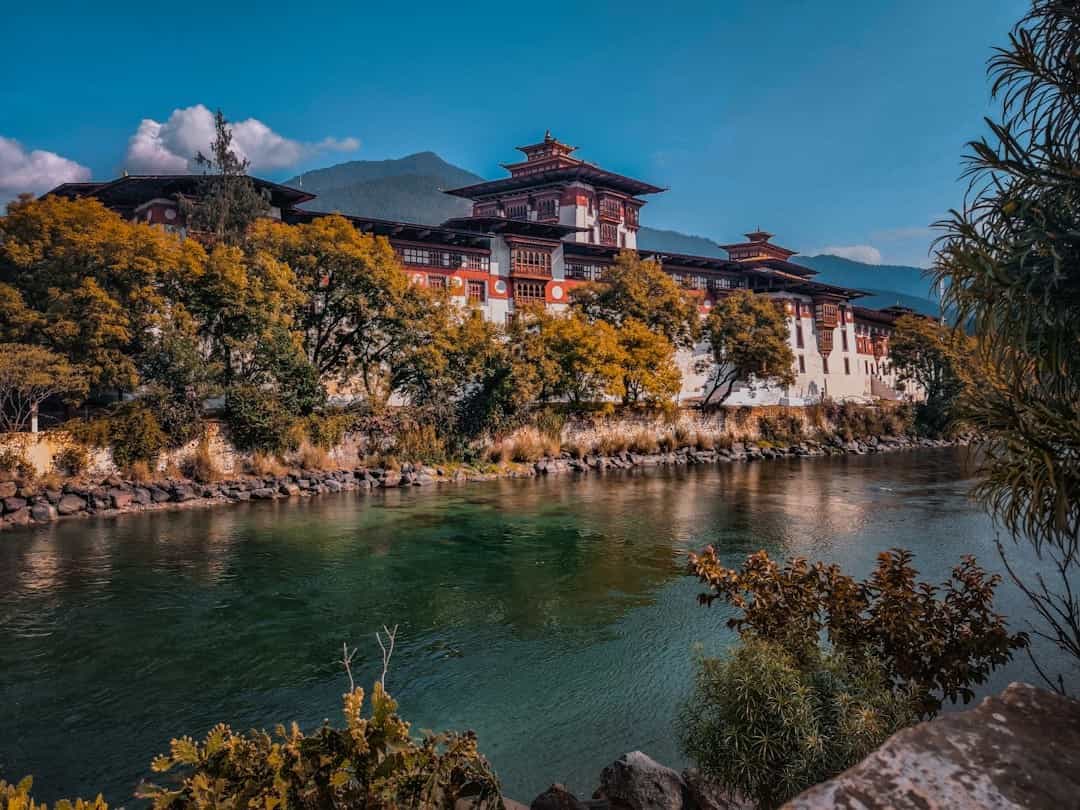
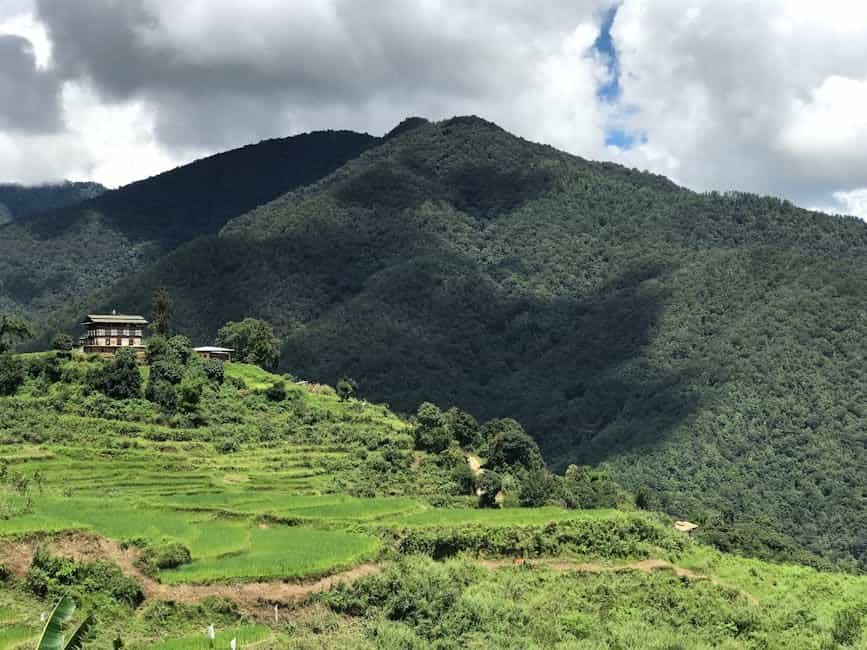
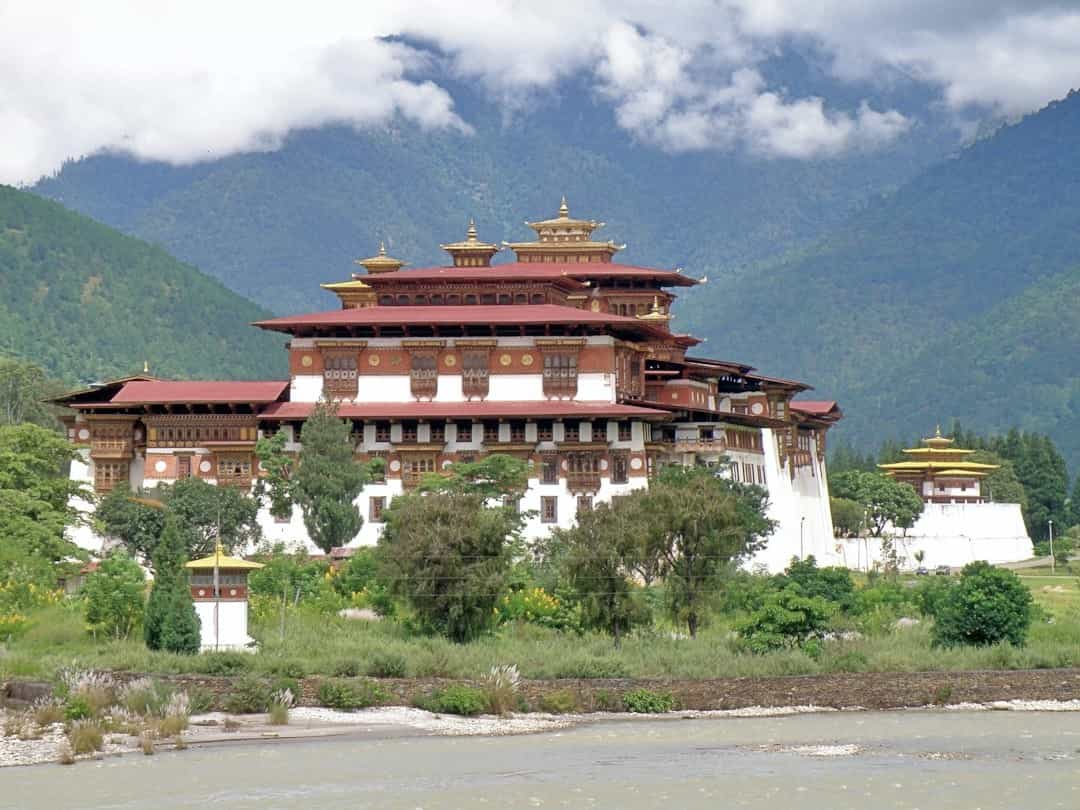
National Museum of Bhutan (Ta Dzong), Bhutan
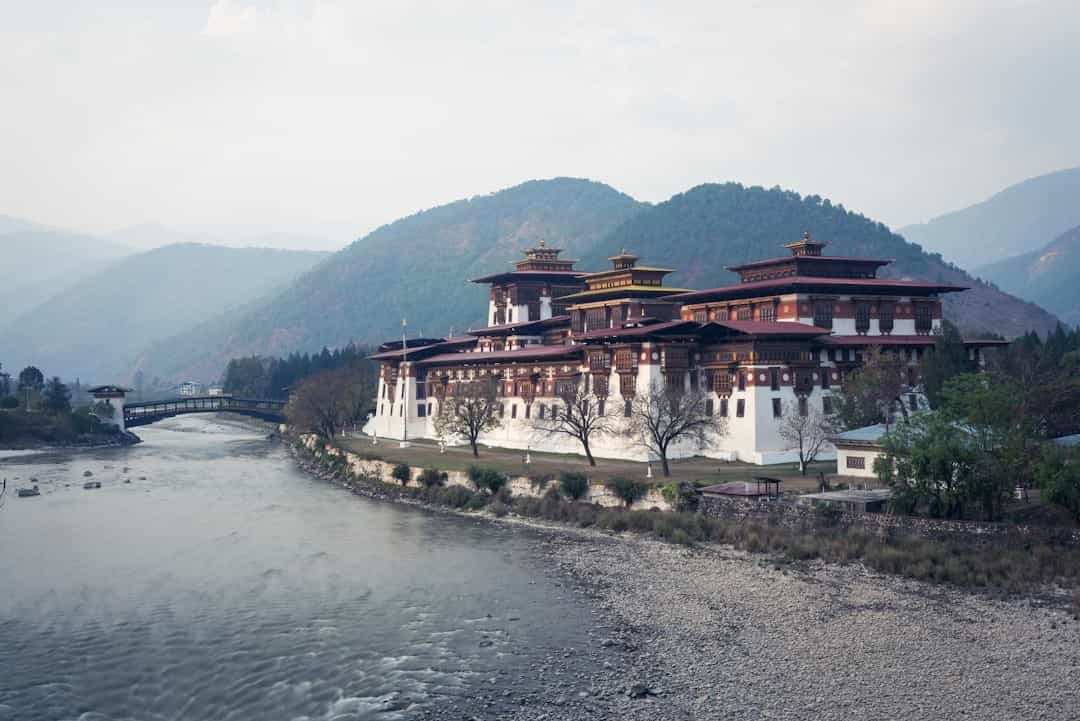
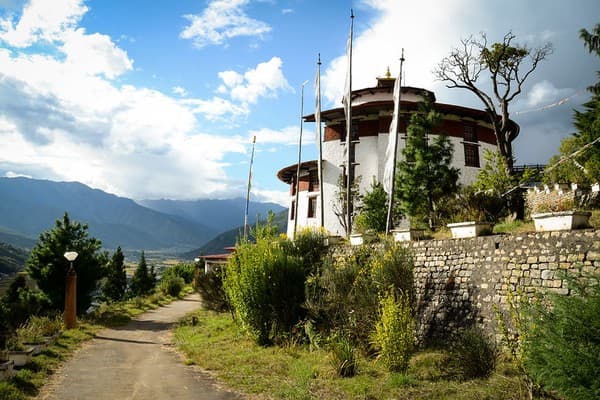
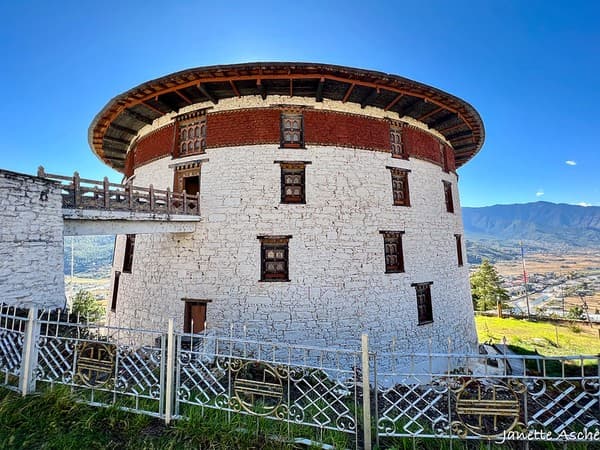
Ta Dzong / National Museum of Bhutan sits above Rinpung Dzong in Paro and is one of Bhutan's most important cultural institutions. Originally built as a circular watchtower to protect the dzong and valley, it now preserves and displays Bhutanese art, history and natural heritage — including thangka paintings, sculptures, textiles, weapons, manuscripts and natural history specimens. The museum plays a key role in conserving and interpreting Bhutan's religious, artistic and everyday cultural traditions for both Bhutanese and international visitors.
Last updated: 22 Jan 2026
Places to visit
- Extensive thangka and painting collection spanning religious and historical themes
- Ancient and contemporary Bhutanese textiles and costumes
- Bronze and wooden religious statues and ritual items
- Traditional weapons and military artifacts reflecting Bhutan's history
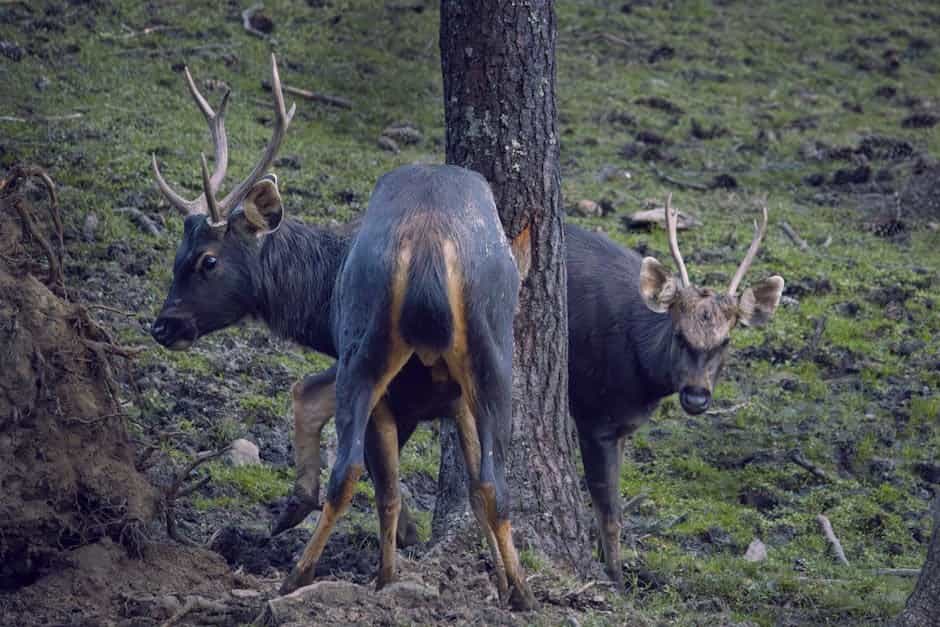
- Natural history exhibits (taxidermy, minerals and local fauna displays)
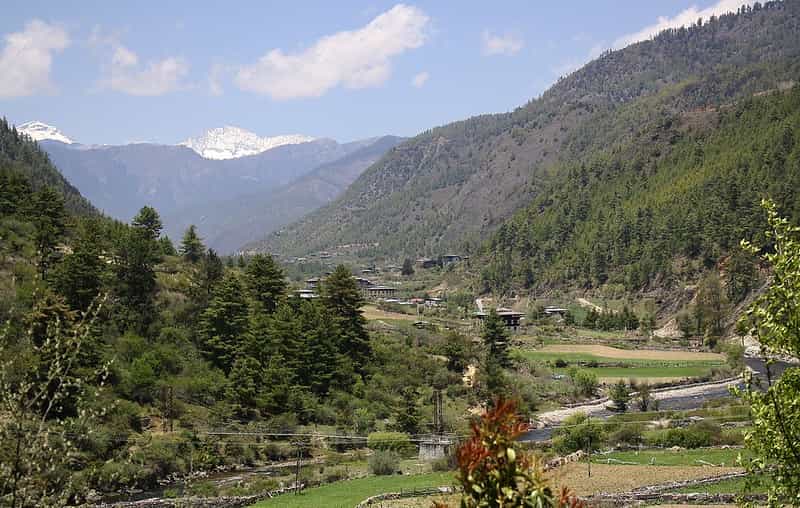
- Panoramic views of Paro Valley from the tower terraces
Unique Aspects
- Unique circular watchtower architecture — Ta Dzong's cylindrical form and narrow internal ramps/stairways are distinctive
- Museum layout that follows the historic watchtower plan, giving a sense of the original defensive function
- Combination of cultural and natural history collections under one roof
- Close proximity to Rinpung Dzong and Paro town — easy to combine visits
Things to do
- Guided or self-guided tours of museum galleries to learn about Bhutanese art, religion and history
- Photography of the Paro Valley from the terraces (note: photography restrictions may apply inside some galleries)
- Exploring nearby Rinpung Dzong and Paro town on foot before or after the museum visit
- Short walks around the museum grounds and nearby viewpoints for landscape and cultural photography
Best Time to Visit
Spring (March–May) and autumn (September–November) for clear skies and comfortable weather; visit during Paro Tshechu to experience living culture but expect large crowds.
Weather Conditions
Paro has a temperate Himalayan climate: cool to mild days and chilly nights, with winter frosts and a monsoon season (summer) bringing rain and reduced visibility.
Entry Fees & Permits
Entrance typically requires a modest fee. Opening hours are generally daytime hours (e.g., morning to late afternoon) but can vary — confirm current hours and ticket prices locally or online before visiting. Payment options may be limited; carry local currency.
Accessibility
The historic circular tower has narrow stairways and uneven surfaces; access is not ideal for visitors with limited mobility or wheelchairs. The museum is a short drive or uphill walk from Paro town and adjacent to Rinpung Dzong; parking and short taxi rides are available.
Recommended Duration
1–2 hours to see main galleries and enjoy viewpoints; longer if combining with Rinpung Dzong or attending a festival.
Clothing & Gear Tips
Wear comfortable shoes for stairs and uneven floors, layered clothing for changing mountain weather, and modest attire out of respect at religious sites. Bring a hat, sunscreen and a light rain layer during monsoon months.
Local Food & Souvenirs
Combine the visit with trying local dishes such as ema datshi (chili and cheese) and butter tea in Paro town. Recommended souvenirs: handwoven textiles, thangka reproductions, traditional masks and local handicrafts. Buy from reputable shops to ensure authentic Bhutanese goods.