Punakha, Bhutan
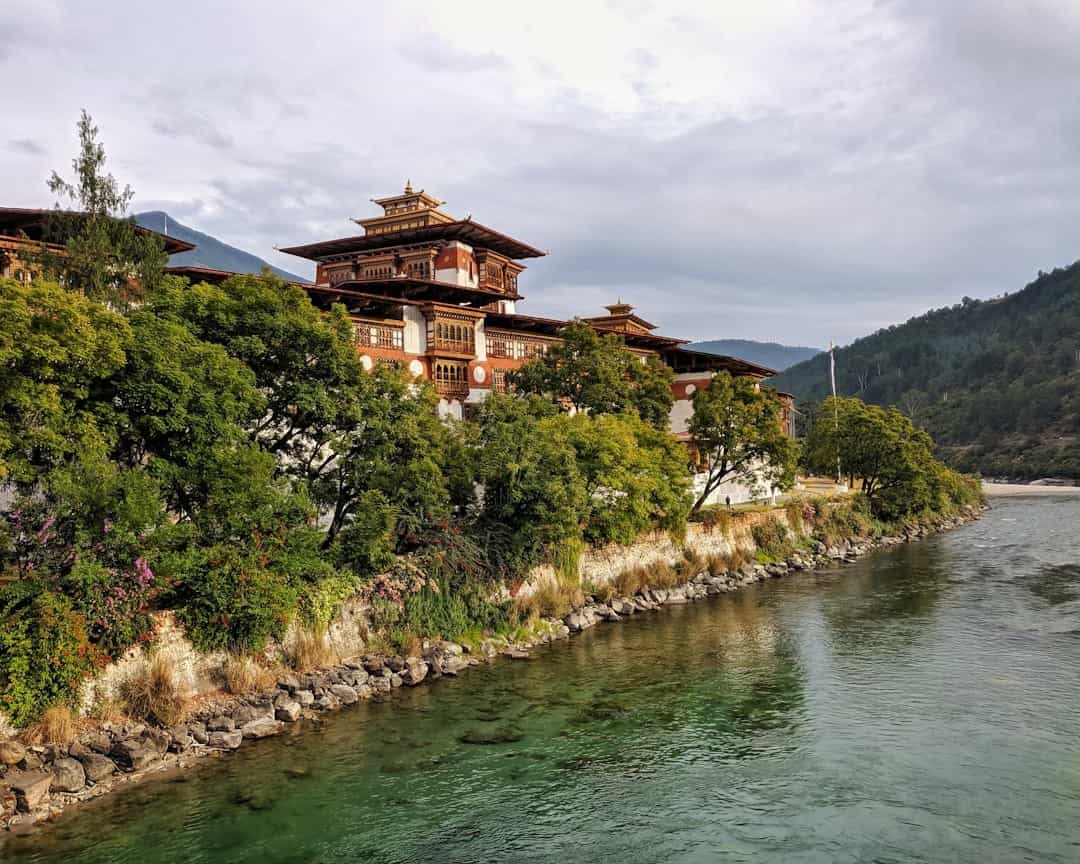
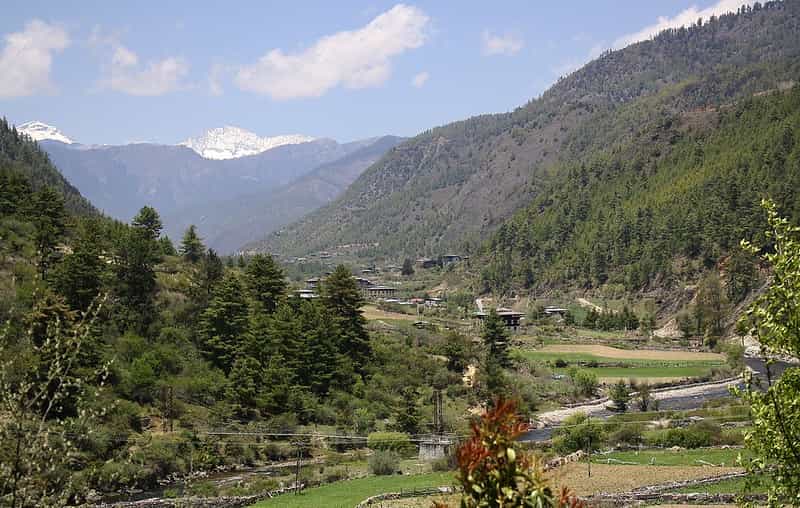
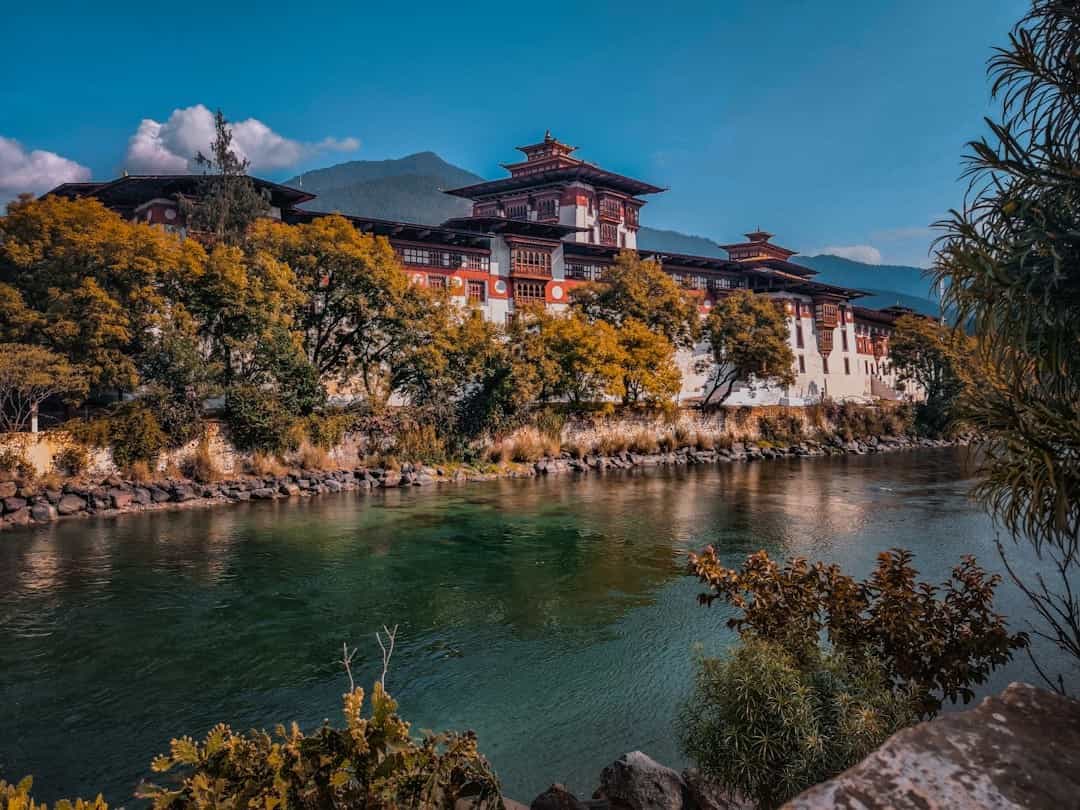
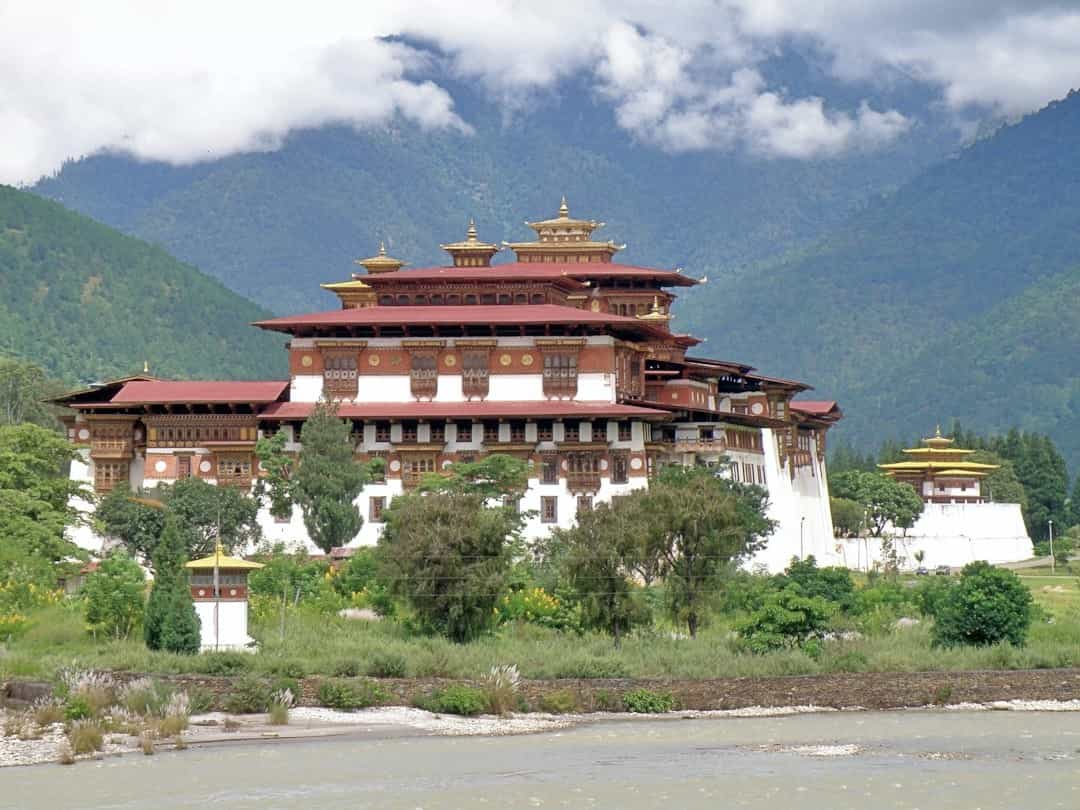
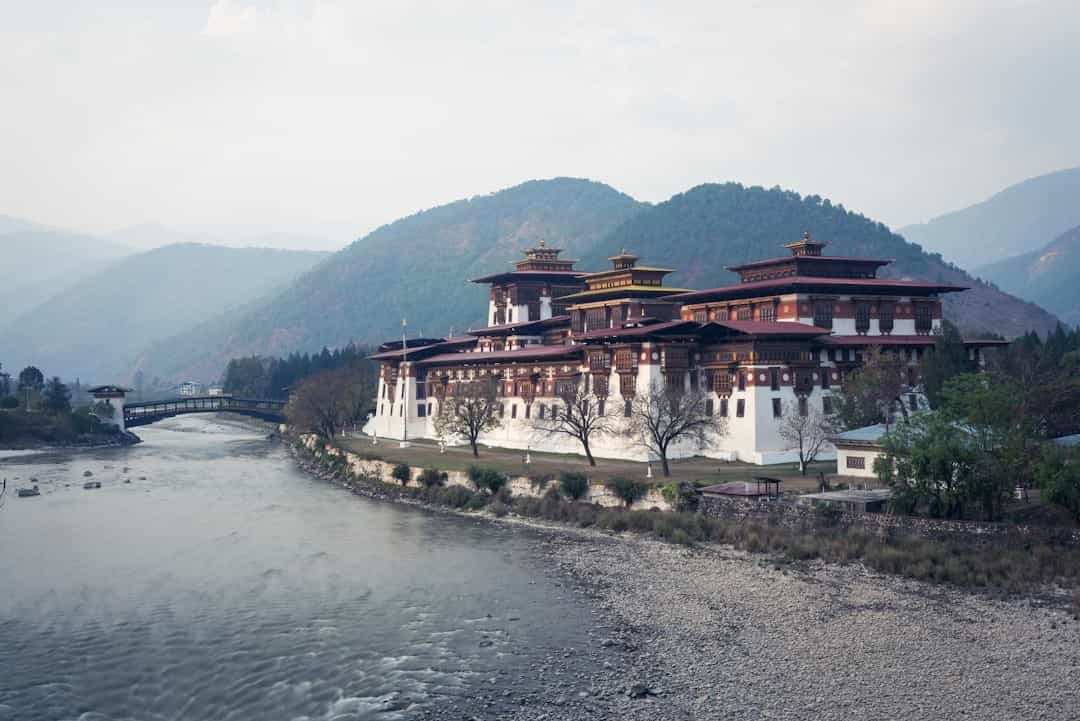
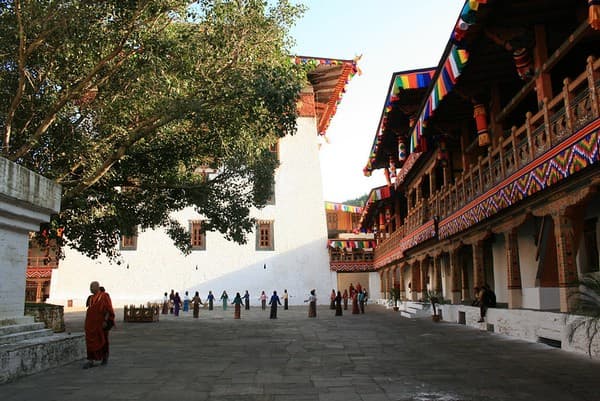
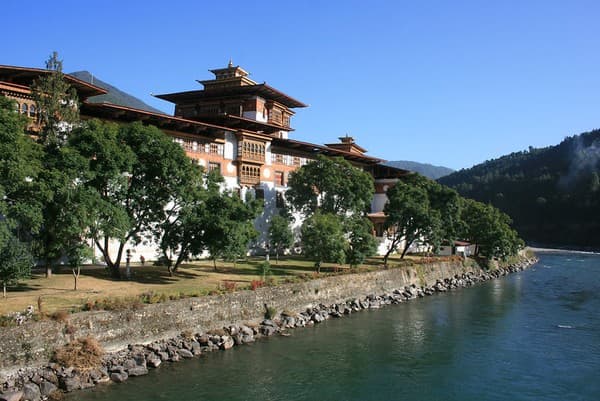
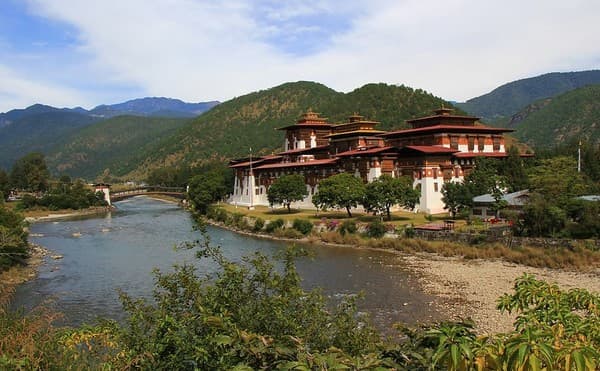
Punakha served as the capital of Bhutan until 1955 and is home to the iconic Pungtang Dechen Dzong (Punakha Dzong) — a masterpiece of traditional Bhutanese architecture and an important center for the Drukpa Kagyu school of Buddhism. The valley's fertile floodplain, at the confluence of the Pho Chhu (Male River) and Mo Chhu (Female River), supports rice cultivation and a distinct subtropical ecosystem, making Punakha both culturally and ecologically significant.
Last updated: 16 Jan 2026
Places to visit
- Punakha Dzong (Pungtang Dechen Phodrang Dzong)
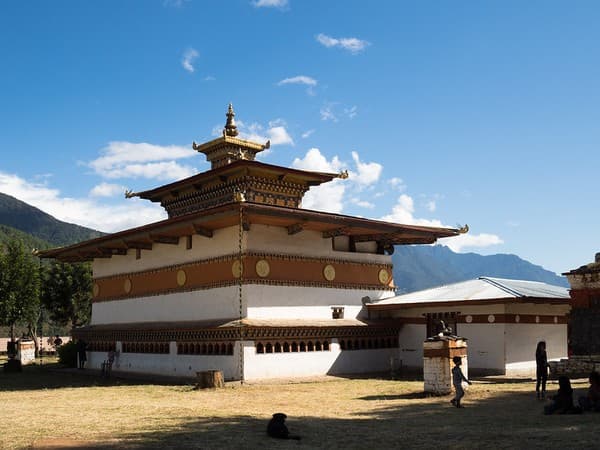
- Chimi Lhakhang (Fertility Temple)
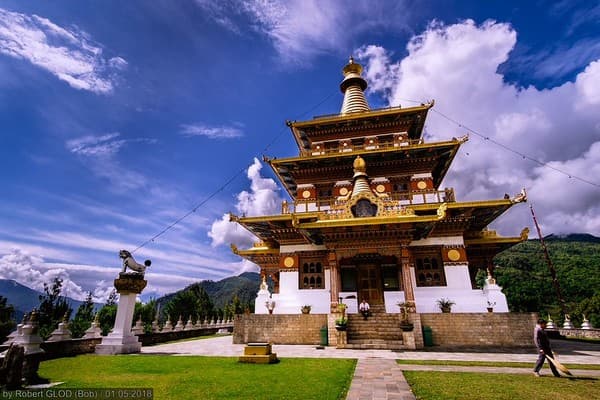
- Khamsum Yulley Namgyal Chorten (hilltop chorten with panoramic views)
- Punakha Suspension Bridge (long traditional-style suspension bridge)
- Confluence of the Pho Chhu and Mo Chhu rivers
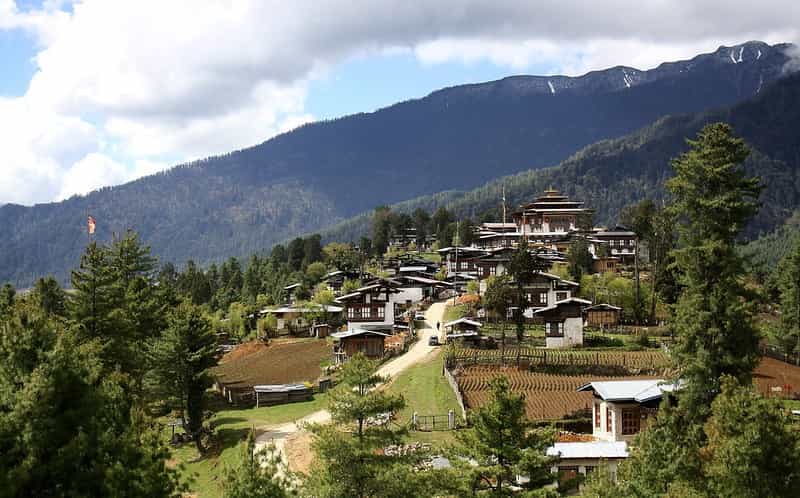
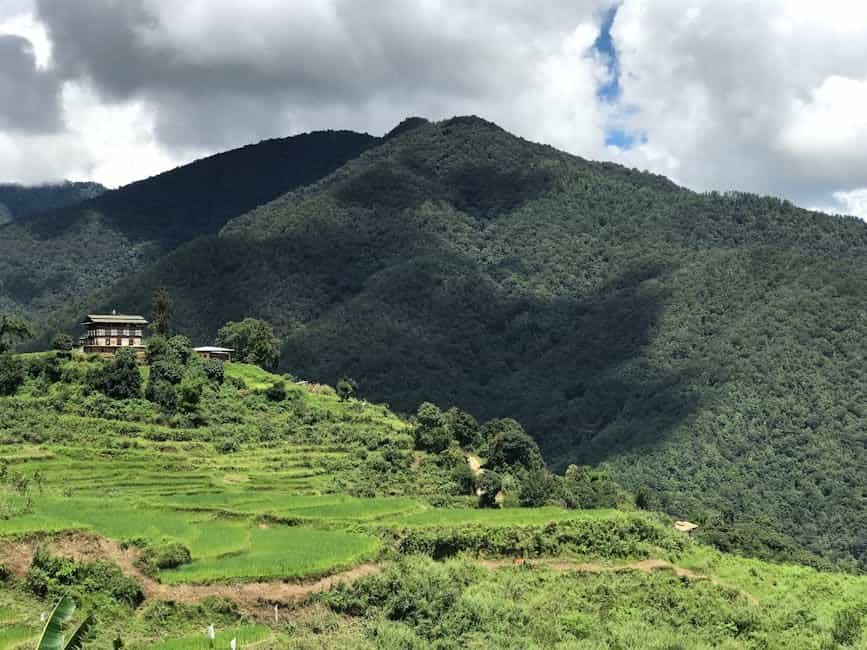
- Terraced rice fields and riverside villages (e.g., Lobesa)
Unique Aspects
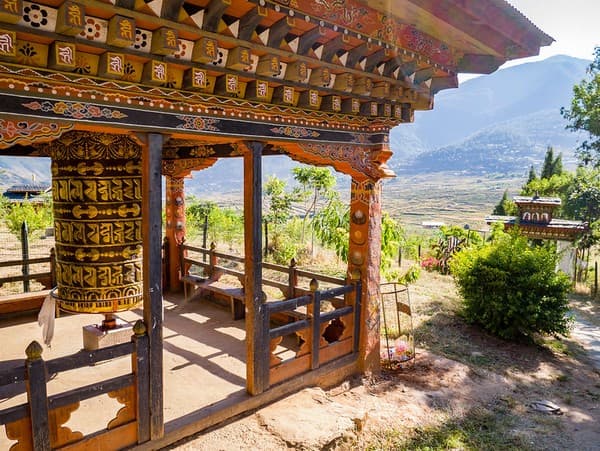
- Magnificent traditional Bhutanese dzong architecture with elaborate woodwork and murals
- Stunning views of river valleys with subtropical flora and seasonal blooms (jacarandas in spring)
- Large, dramatic terraced paddy fields—Punakha is often called Bhutan's rice bowl
- Historic cantilevered wooden bridges and long suspension footbridges spanning the rivers
Things to do
- Guided visit to Punakha Dzong and nearby monasteries
- Hike to Khamsum Yulley Namgyal Chorten for panoramic views
- Pilgrimage to Chimi Lhakhang (often by bicycle or on foot) and receive blessings
- River activities such as gentle rafting/kayaking on the Pho Chhu (season dependent)
- Cycling or walking through paddy terraces and traditional villages
- Photography of architecture, river confluence, and mountain backdrops
Festivals & Events
- Punakha Drubchen (historic masked drama celebrating victories and local history)
- Punakha Tshechu (masked dances and religious rituals)** — annual dates follow the lunar calendar
- Local village festivals and seasonal agricultural celebrations
Best Time to Visit
October–December and March–May to avoid the monsoon and enjoy clear skies and comfortable temperatures. Late February–March is notable for festival season.
Weather Conditions
Punakha lies at a lower elevation (around 1,200–1,400 m) than Thimphu, giving it a mild, subtropical climate: warm days and cooler nights. Monsoon months (June–August) bring heavy rain and potential landslides.
Accessibility
Nearest international airport is Paro International Airport (2–3 hours by road to Punakha). Regular road connections link Punakha with Thimphu and other western Bhutan towns. Public transport includes scheduled buses and shared taxis from Thimphu; private drivers and guided tours are common and convenient.
Recommended Duration
Allocate 2–3 days in Punakha to see the main sites, do a short hike, and experience a festival if timing permits. Combine with Thimphu and nearby Wangdue Phodrang for a fuller itinerary.
Clothing & Gear Tips
Pack light layers, a warm fleece for cool mornings/evenings, a waterproof jacket during monsoon season, comfortable walking shoes for uneven paths, and modest clothing for temple visits (shoulders and knees covered).
Local Food & Souvenirs
Try ema datshi (chilies and cheese), local red rice, and momos. Popular souvenirs include handwoven textiles (kiras and ghos), traditional masks, and wooden crafts. Support local artisans and buy from government-approved handicraft shops when possible.