Punakha Dzong, Bhutan
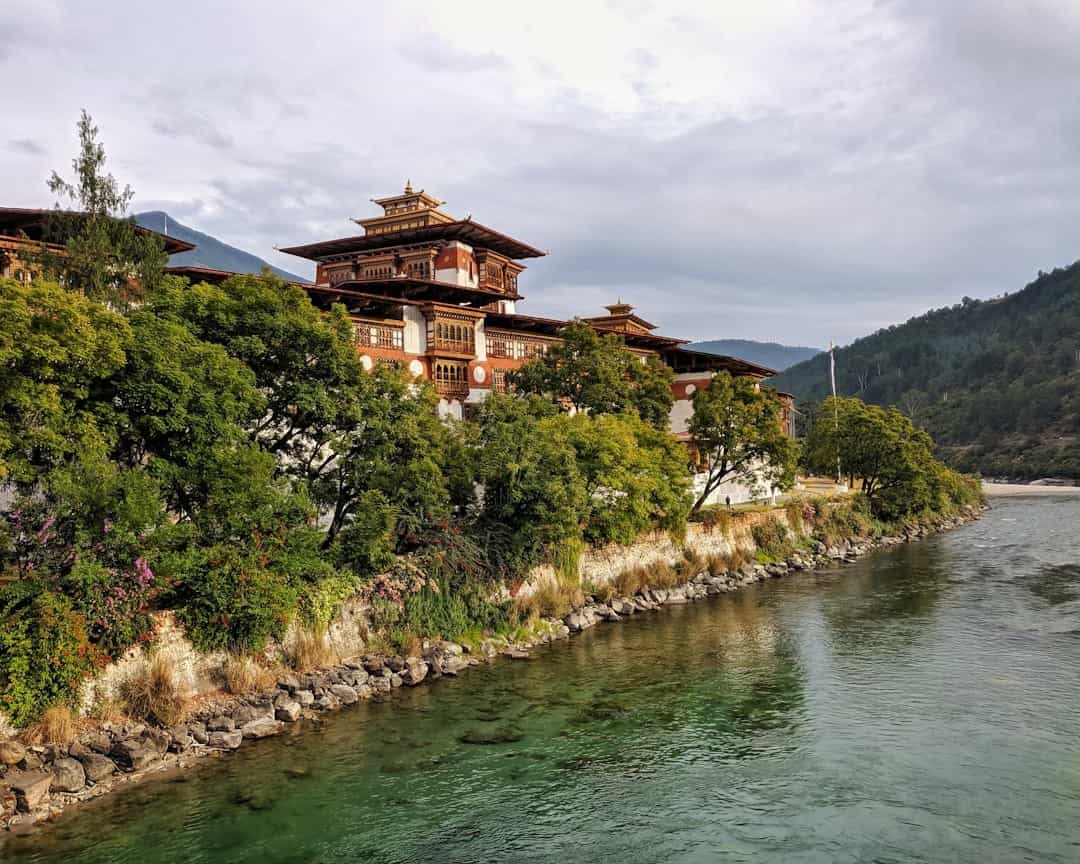
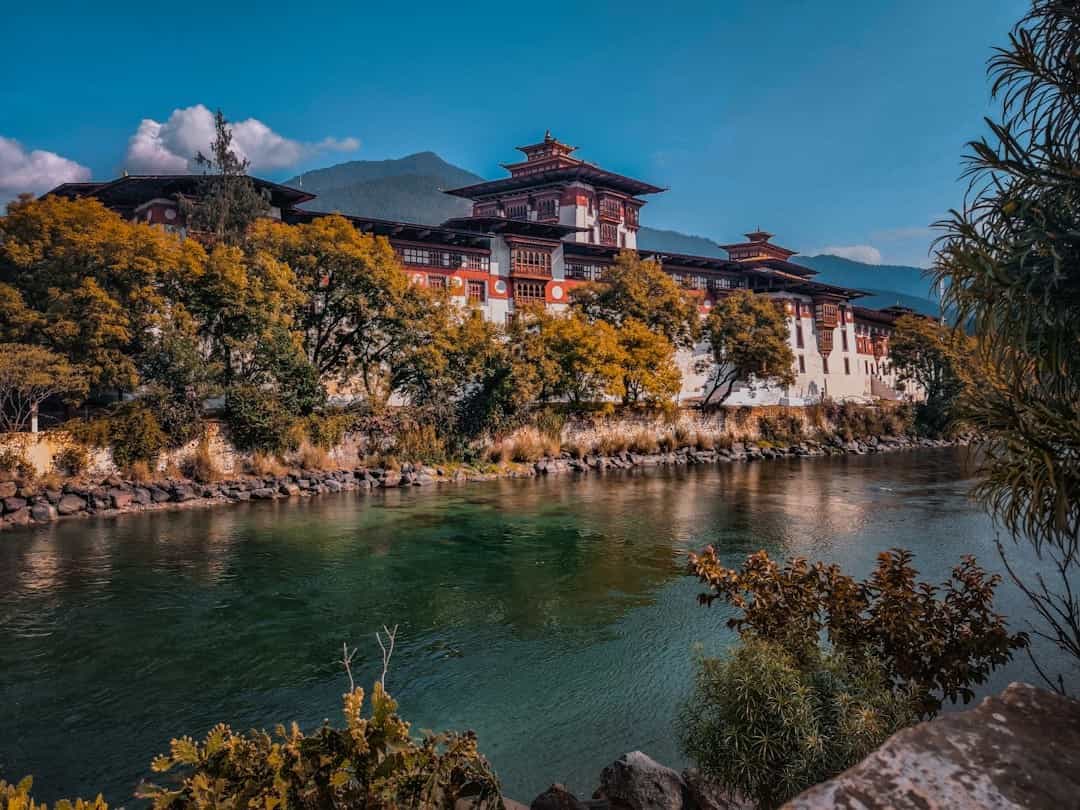
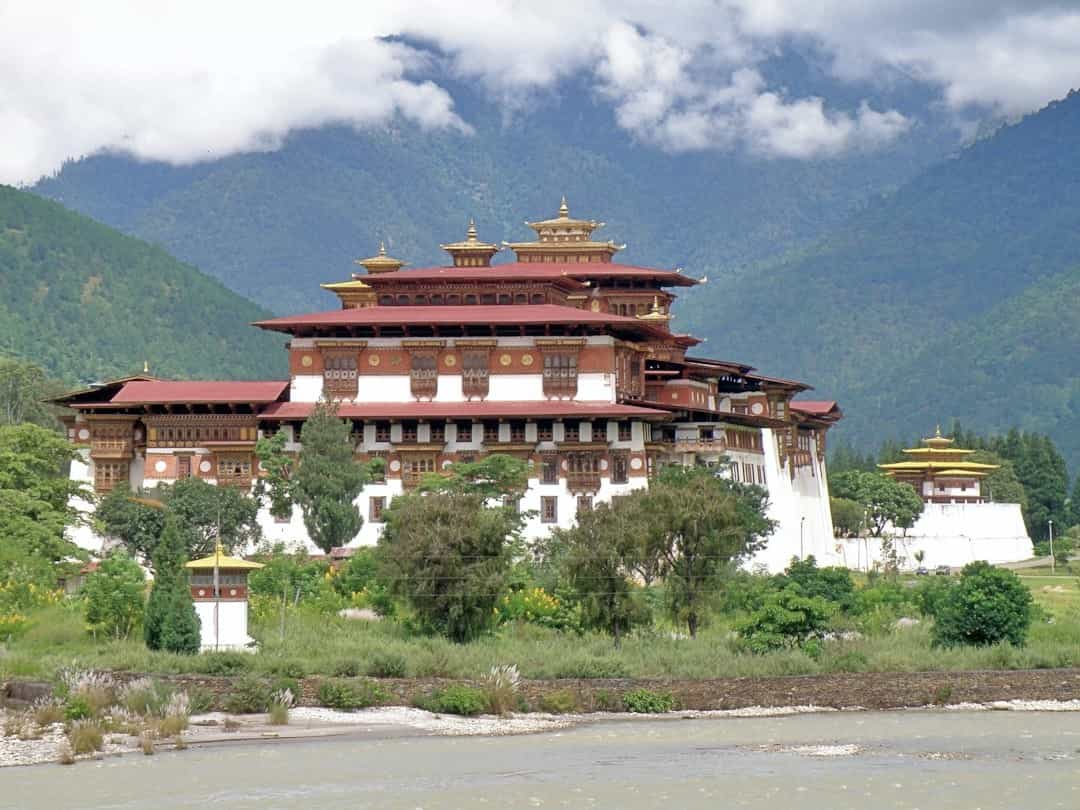
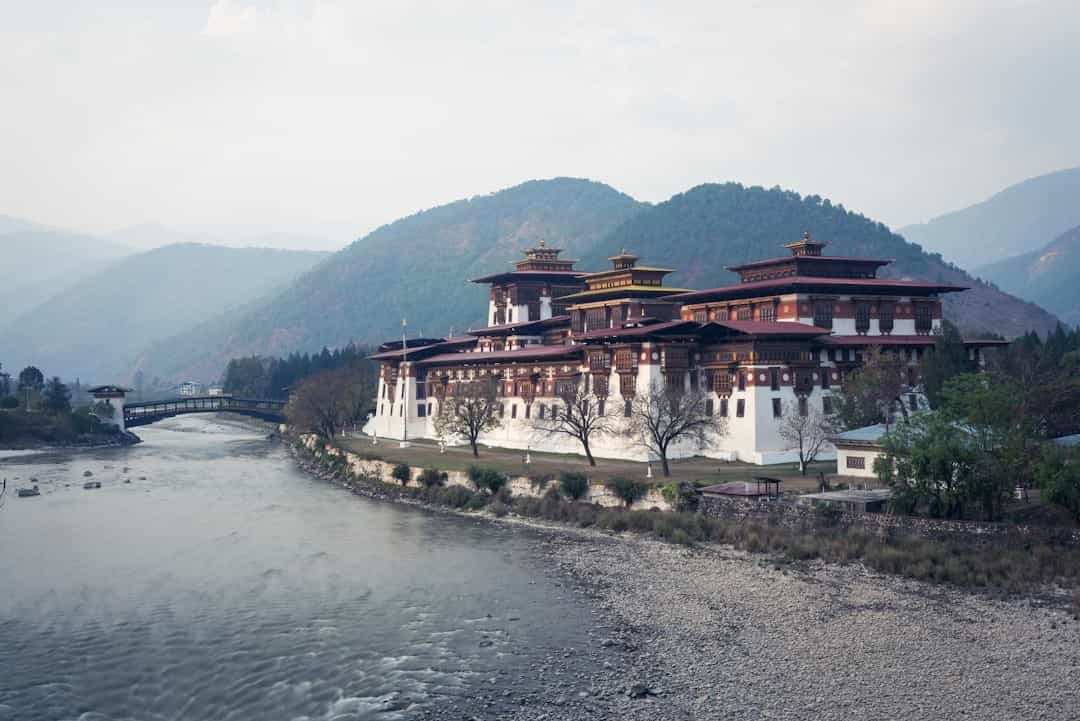
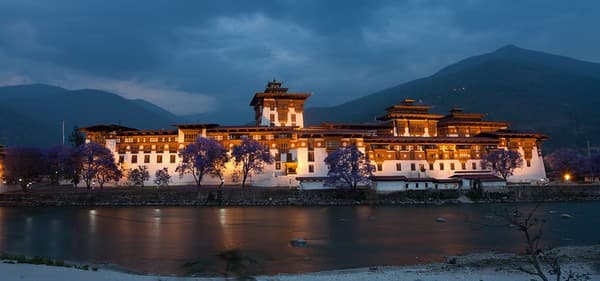
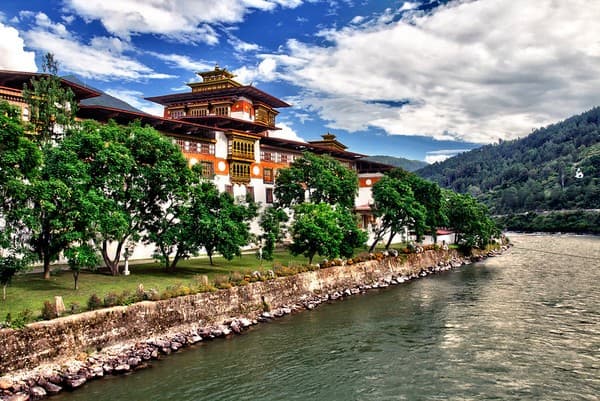
Punakha Dzong (Pungtang Dechen Photrang Dzong) was founded in 1637–1638 by Ngawang Namgyal, the 1st Zhabdrung Rinpoche, and served as the administrative center and the seat of the central government of Bhutan until the mid-20th century. It is one of Bhutan's most important dzongs both historically and spiritually: it houses sacred relics of the Drukpa Kagyu school, important state shrines, and the funeral stupa (memorial) associated with Zhabdrung. Strategically positioned at the confluence of the Pho Chhu (male) and Mo Chhu (female) rivers, the dzong served as a fortress controlling a key valley route and is admired for its exemplary Bhutanese dzong architecture and riverside setting.
Last updated: 16 Jan 2026
Places to visit
- Punakha Dzong (the main fortress and palace complex)
- The Utse (central tower) and inner temples with ornate altars and murals
- The old wooden cantilever bridge and modern pedestrian suspension bridge across the Mo Chhu
- The confluence of the Pho Chhu and Mo Chhu rivers — scenic riverside views
- Nearby Chimi Lhakhang (Fertility Temple) and Khamsum Yulley Namgyal Chorten (short trek)
Unique Aspects
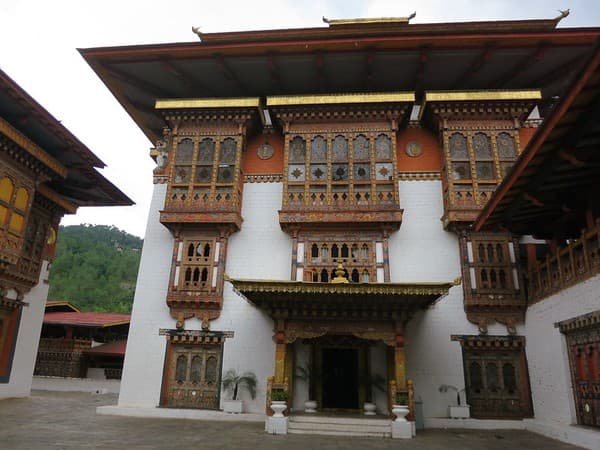
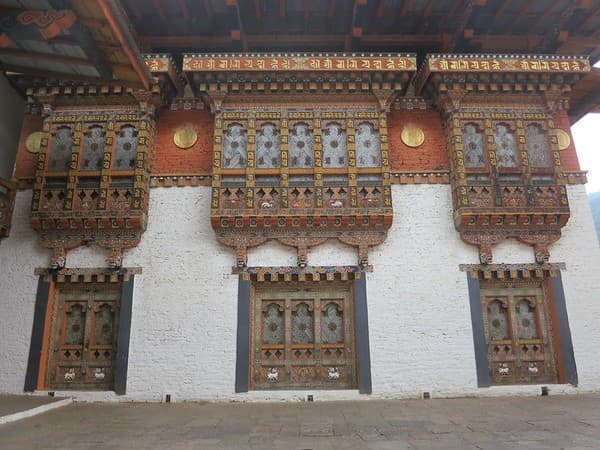
- Imposing example of traditional Bhutanese dzong architecture with massive whitewashed walls, courtyards, and richly carved wooden interiors
- Intricate murals, carved beams, and historic religious artifacts and thrones
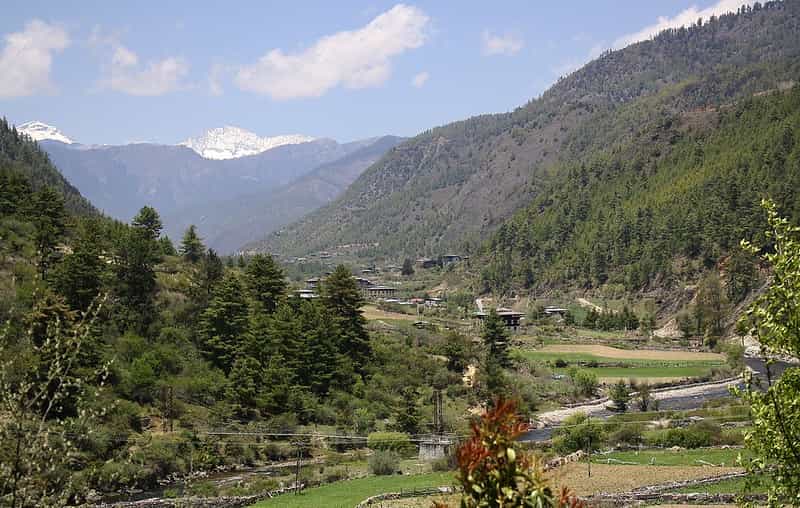
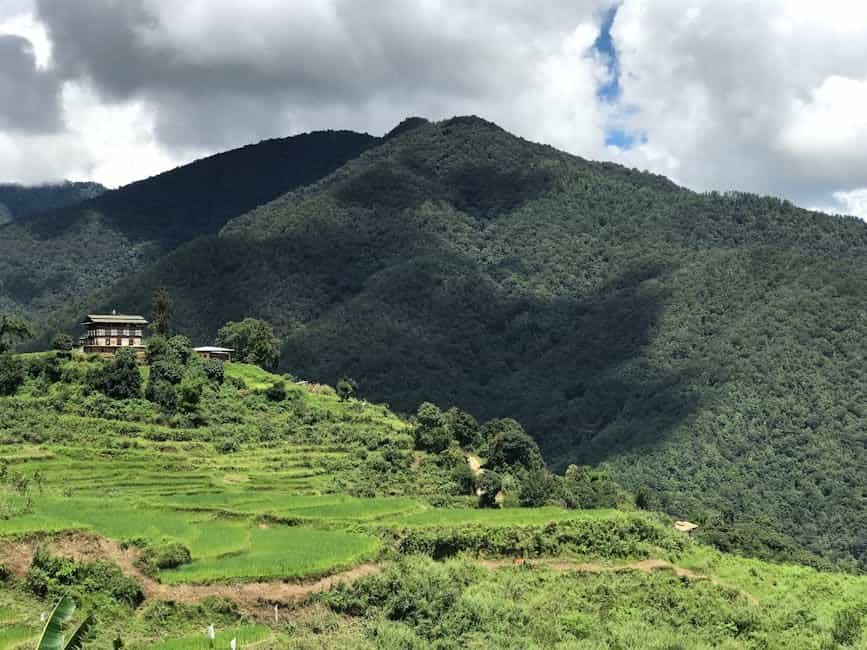
- Picturesque riverside setting at the confluence of two rivers, framed by terraced rice fields and Himalayan foothills
- Seasonal birdlife along the rivers and atmospheric mists in spring and winter
Things to do
- Guided tour of the dzong and inner temples (note: access to some areas may be restricted)
- Attend a tsechu (religious festival) or Drubchen during festival season
- Walk across the historic wooden bridge and photograph the dzong from the riverbank
- Hike to nearby Khamsum Yulley Namgyal Chorten for panoramic views
- River activities in the valley (organized rafting or riverside picnics) and exploring local villages
Best Time to Visit
October–November and February–April for clear skies, pleasant temperatures, festival season, and good trekking conditions; spring (Feb–Apr) brings blossoms and warmer days.
Weather Conditions
Punakha valley has a milder, warmer climate than higher-altitude regions: winters are cool and crisp, summers are warm and humid with monsoon rains (June–August). Expect chilly mornings in winter and heavy rains during the monsoon.
Entry Fees & Permits
Typical visiting hours are around 09:00–17:00, but times can vary; entry to dzongs may be restricted during official ceremonies. There may be a small entrance fee or donation for foreign visitors and photography may be limited inside temple areas — always check locally and follow instructions from dzong staff.
Accessibility
Nearest airport: Paro Airport (drive ~2–3 hours depending on traffic and weather). Road access from Thimphu to Punakha takes about 2–3 hours by car. The dzong complex requires walking on steps and uneven surfaces; not fully wheelchair accessible. Local taxis, private drivers, and organized tours are common ways to visit.
Recommended Duration
Half a day to a full day (2–4 hours) to tour the dzong and nearby riverside viewpoints; allow 1–2 days if you plan to visit surrounding sites such as Chimi Lhakhang and Khamsum Yulley Namgyal Chorten.
Clothing & Gear Tips
Wear modest clothing that covers shoulders and knees when visiting religious sites (scarves/sarongs can be useful). Bring comfortable walking shoes, a warm layer for cool mornings, sun protection, and rain gear during monsoon months.
Local Food & Souvenirs
Try local dishes such as ema datshi (chili and cheese), buckwheat pancakes, and local riverside snacks. Good souvenirs include Bhutanese textiles, hand-carved woodwork, prayer flags, masks, and locally made honey or preserves.