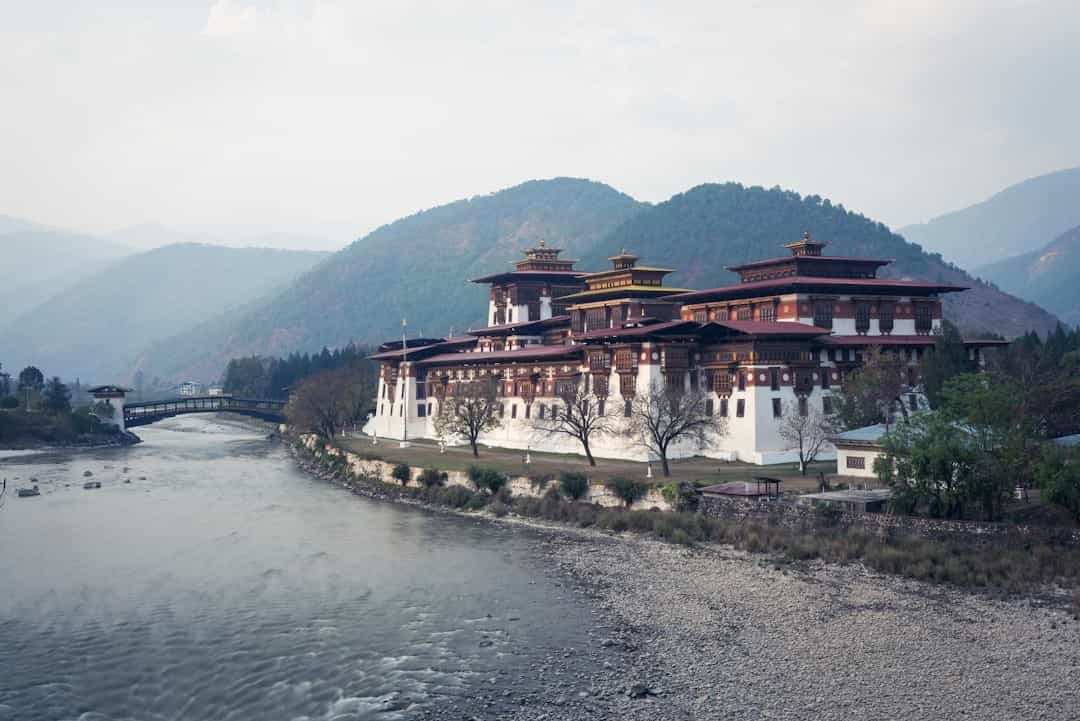
Royal Heritage Museum (Trongsa Ta Dzong), Bhutan
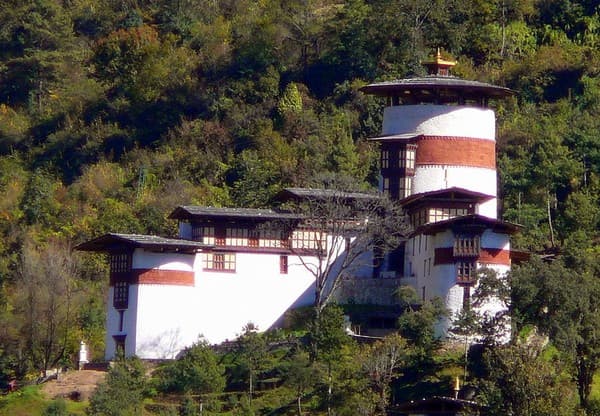
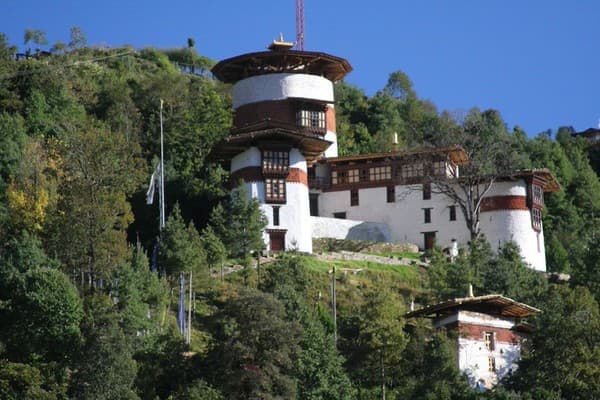
Royal Heritage Museum (Trongsa Ta Dzong) is a 17th‑century watchtower turned museum perched above Trongsa Dzong, central to Bhutan’s political history. The Ta Dzong guarded the strategic Trongsa valley and later became the powerbase for the Wangchuck dynasty that unified modern Bhutan. Its collections preserve royal regalia, historical documents, weapons, religious artefacts and displays that trace Bhutan’s monarchy and local culture.
Last updated: 22 Jan 2026
Places to visit
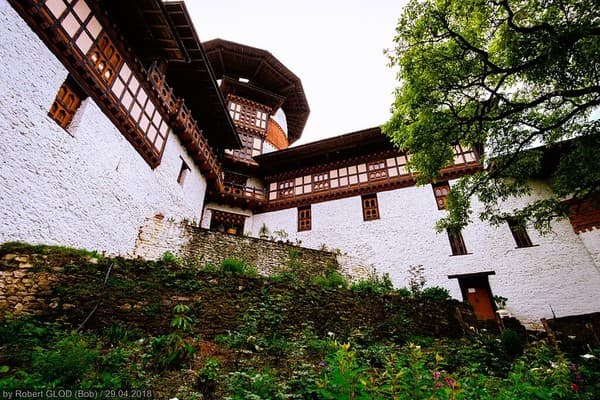
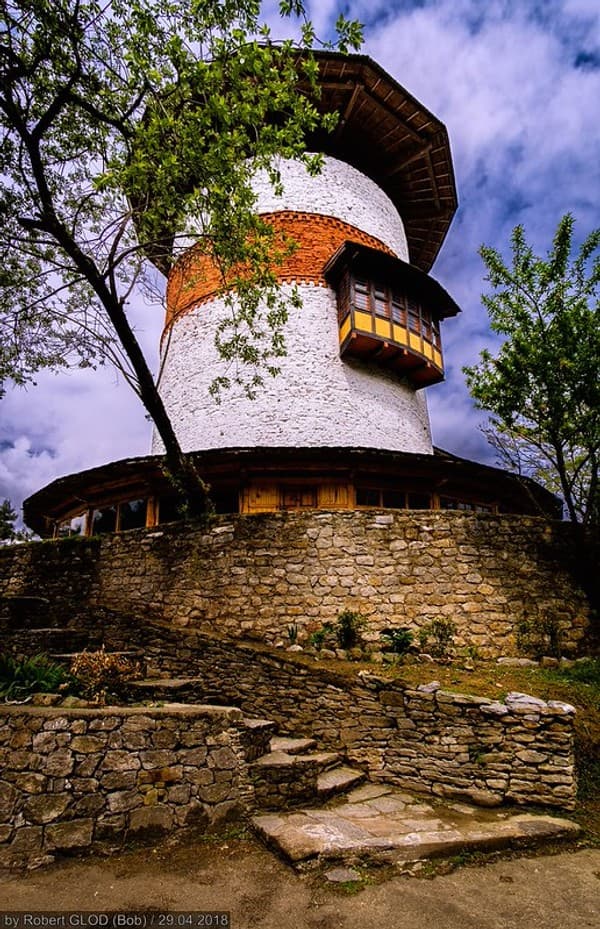
- The circular Trongsa Ta Dzong building and its architecture
- Royal Heritage Museum permanent galleries (royal portraits, thrones, garments)
- Displays of historic weapons, armour and military paraphernalia
- Thangkas, religious objects and ceremonial items
- Panoramic viewing points over the Mangde River valley and Trongsa Dzong
- Nearby Trongsa Dzong (a short walk/drive) — one of Bhutan’s most important dzongs
Unique Aspects
- Distinctive multi-storey circular watchtower design built into the ridge
- Strategic cliff‑top position offering sweeping valley vistas
- Well‑preserved woodwork, murals and traditional Bhutanese craftsmanship
- Combination of secular (royal and military) and religious exhibits in one site
- Photogenic interiors and original historical artifacts such as antique firearms and traditional regalia
Things to do
- Guided museum tours to learn about Bhutan’s monarchy and regional history
- Photography of panoramic views and historic architecture
- Combined visit with Trongsa Dzong and a walk through Trongsa town
- Studying thangkas, traditional dress and royal memorabilia
- Short hikes or village walks in the surrounding valley
Best Time to Visit
Spring (March–May) and Autumn (September–November) for stable weather, clearer skies and best panoramic views.
Weather Conditions
Mountain climate: cool to cold, especially mornings and evenings. Monsoon months (June–August) bring rain and reduced visibility; winter (Dec–Feb) can be chilly at altitude.
Entry Fees & Permits
The museum is generally open to visitors during daytime hours (commonly around 09:00–17:00). There is a small entry fee for visitors — fees and opening hours can change, so confirm with your tour operator or the Tourism Council of Bhutan before travel.
Accessibility
Located above Trongsa town and accessible by road. Trongsa is on Bhutan’s central east–west highway (via mountain passes such as Pele La). The nearest domestic airport is Bathpalathang (Bumthang) — a few hours’ drive — while Paro International Airport is a longer drive. Road travel involves mountain driving; journeys can be slow due to terrain and weather.
Recommended Duration
Allocate 1–2 hours for the museum itself; plan half a day to a full day to explore Trongsa Dzong, viewpoints and nearby village areas.
Clothing & Gear Tips
Layered clothing (temperatures vary by time of day), a warm jacket, hat and gloves in colder months, comfortable walking shoes, sunscreen and rain protection in monsoon season.
Local Food & Souvenirs
Try Bhutanese staples such as ema datshi (chili‑cheese), butter tea (suja) and local buckwheat dishes. Souvenirs include traditional textiles, hand‑carved masks, woodcrafts, and locally produced honey and preserves.