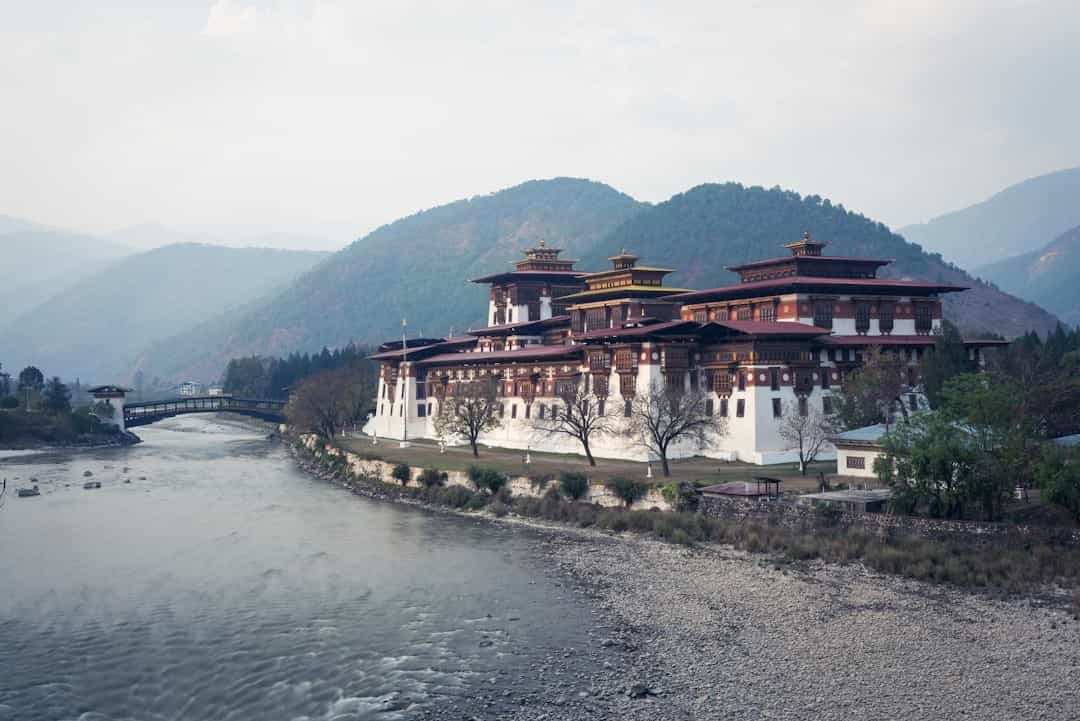
Sakteng Village, Bhutan
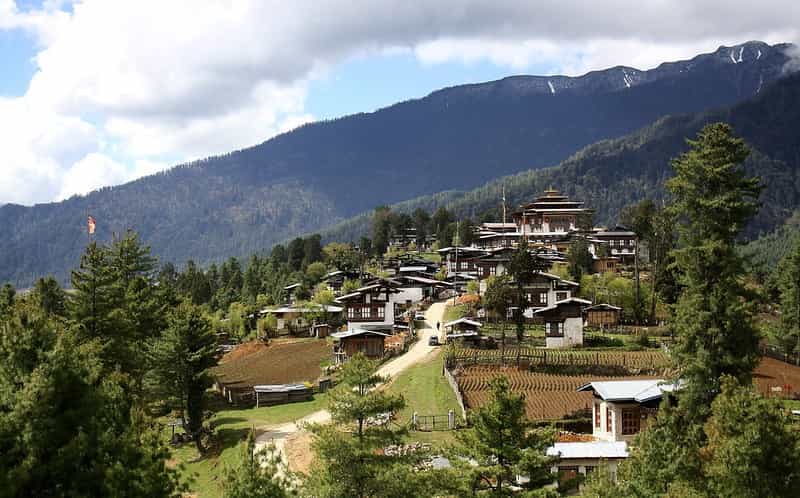
Sakteng Village (eastern Bhutan) is a remote high‑altitude settlement known for preserving the culture of the Brokpa (semi‑nomadic yak‑herding) people and for its location adjacent to the Sakteng Wildlife Sanctuary. The area is important both culturally — as an example of traditional eastern Bhutanese life, vernacular architecture and pastoral livelihoods — and naturally, for its alpine meadows, rich birdlife and status as a protected landscape in Bhutan's eastern Himalayan zone.
Last updated: 22 Jan 2026
Places to visit
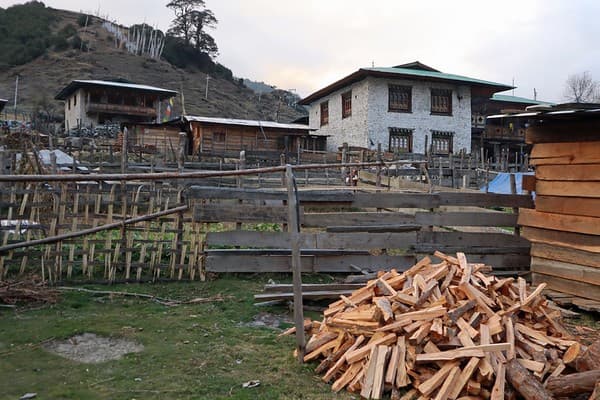
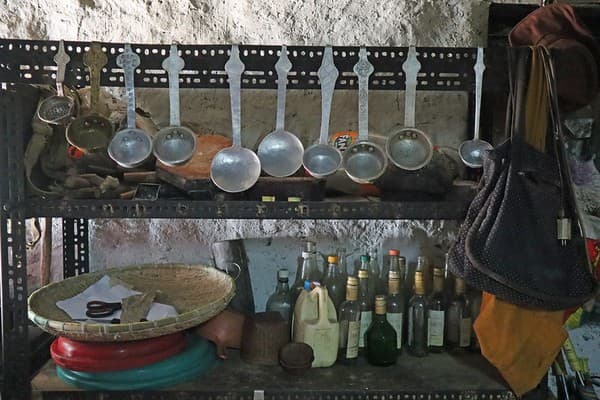
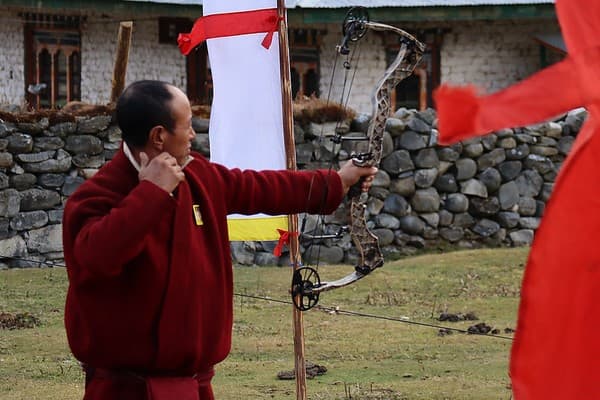
- Sakteng Village itself — traditional Brokpa homesteads and daily life
- Sakteng Wildlife Sanctuary (scenic ridgelines, alpine meadows and wildlife)
- Merak–Sakteng trekking routes linking nearby highland settlements
- Local temples / chortens and community meeting places
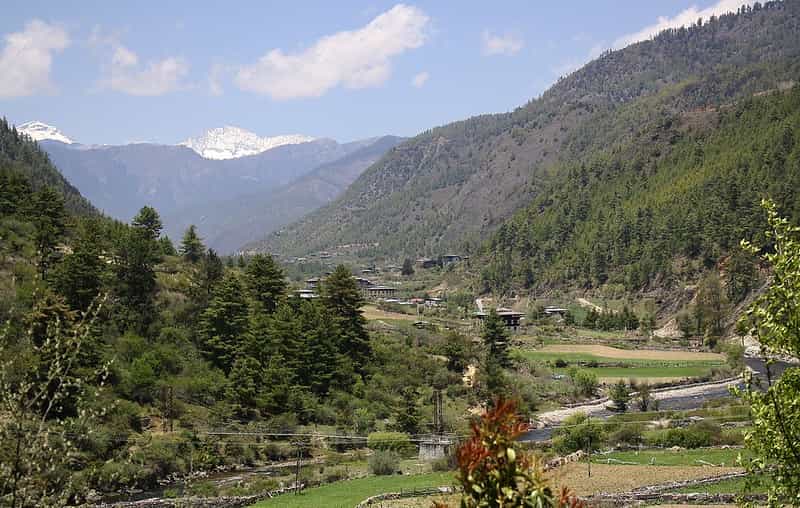
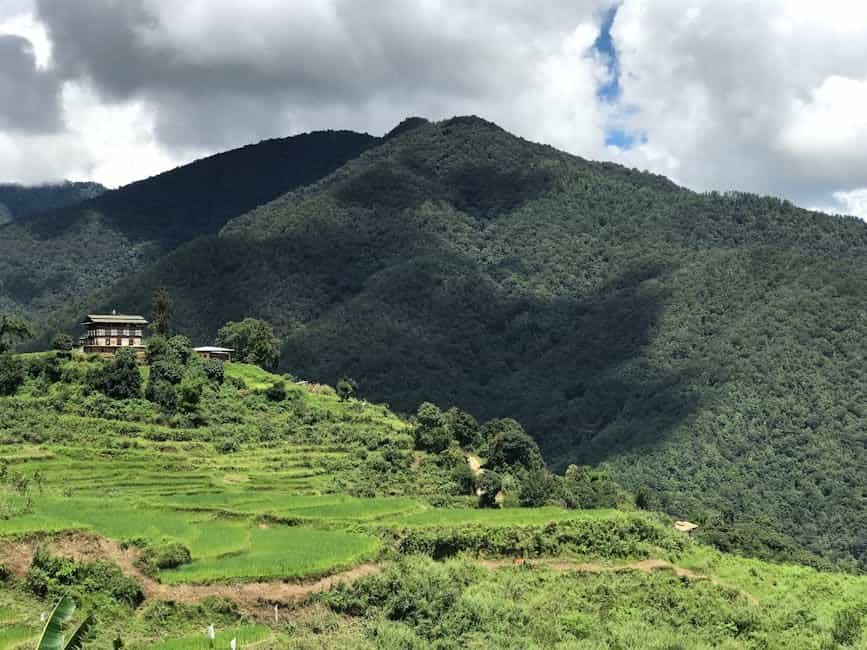
- Panoramic views of eastern Bhutan's ridgelines and valleys
Unique Aspects
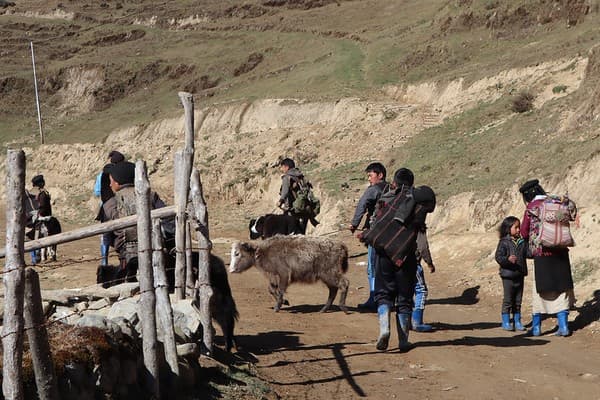
- Distinct Brokpa vernacular architecture and yak‑herding landscape
- Alpine and subalpine meadows with seasonal wildflowers
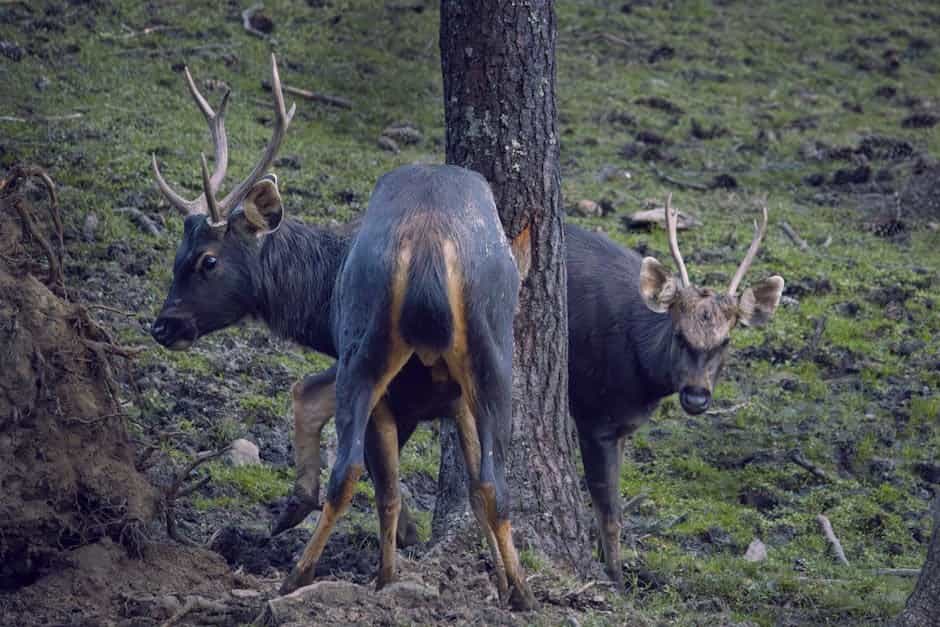
- Potential sightings of rare Himalayan birds and mammals (subject to season and luck)
- Strong living cultural traditions — dress, weaving and pastoral practices
Things to do
- Guided cultural walks and homestays with Brokpa families
- Short treks into the Sakteng Wildlife Sanctuary and around village ridges
- Birdwatching and wildlife observation (with local guide)
- Photography of landscapes, people and traditional life
- Observing and, when appropriate, joining seasonal herding and village routines
Festivals & Events
- Local tshechu and community ritual dances (timing and scale vary by year)
- Seasonal yak‑herding gatherings and harvest celebrations (dates vary)
Best Time to Visit
April–October (late spring to early autumn) — best weather for trekking, wildflowers and cultural access. Monsoon months (June–August) bring rain and cloud; winters are cold and some roads/passes may be impassable.
Weather Conditions
Alpine to subalpine climate: daytime temperatures can range from about 5–20°C in warm months, with chilly nights often near or below freezing. Expect sudden changes, wind and higher UV at altitude.
Accessibility
Remote and partly road‑linked. Typical approach is by road from Trashigang (several hours; road quality varies) with possible short treks depending on local conditions. Nearest international access is via Paro International Airport with domestic transfers or overland connections; domestic airfields in eastern Bhutan operate seasonally. Travel requires planning, a licensed guide and flexibility for weather and road conditions.
Recommended Duration
Minimum 2–4 days to experience the village, a short trek and local culture; 5–10 days if combining with the Merak area or longer treks.
Clothing & Gear Tips
Layered clothing (base, insulating and waterproof layers), sturdy trekking boots, warm hat and gloves, sun protection (sunglasses, sunscreen), headlamp, basic first‑aid, and a warm sleeping bag if planning overnight treks or basic homestays.
Local Food & Souvenirs
Local foods to try: butter tea, ema datshi (chili and cheese dishes), buckwheat and yak‑based dishes, local cheese and dried meats. Souvenirs: handwoven textiles, yak‑wool garments, wooden bowls and small local crafts made by village artisans.