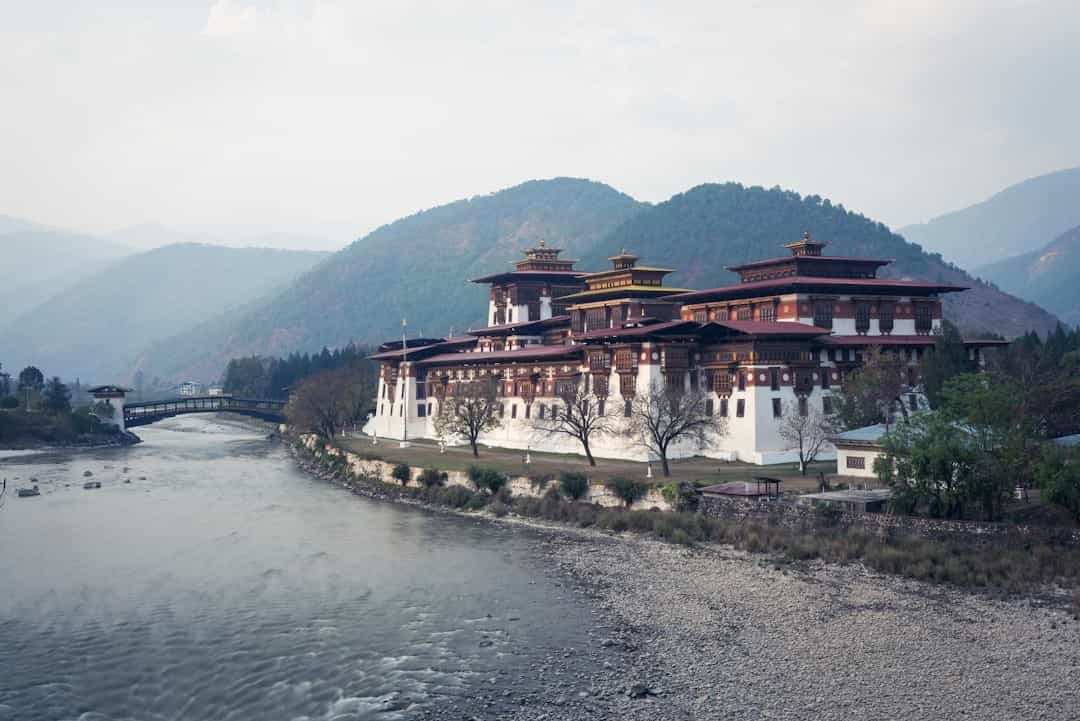
Sakteng Wildlife Sanctuary, Bhutan
Location: Sakteng Wildlife Sanctuary sits in the remote eastern foothills of the Himalaya in Trashigang District, Bhutan. It was created to conserve the unique eastern Himalayan ecosystems — alpine meadows, mixed conifer and broadleaf forests, and high-elevation pastures — and to protect the traditional livelihoods of semi-nomadic pastoralist communities such as the Brokpa. The sanctuary is important for biodiversity conservation (rare and endemic flora and fauna) and for preserving traditional cultural landscapes and practices.
Last updated: 22 Jan 2026
Places to visit
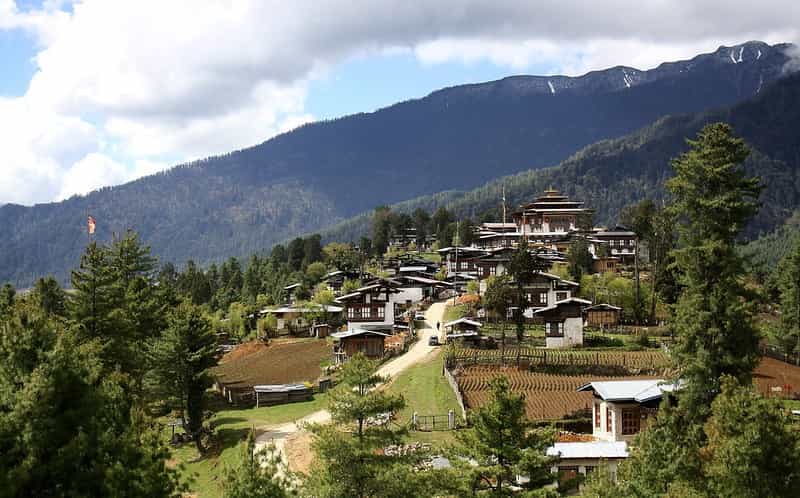
- Sakteng Village and Brokpa Communities: Traditional settlements where visitors can learn about semi-nomadic pastoral life and distinctive dress and customs.
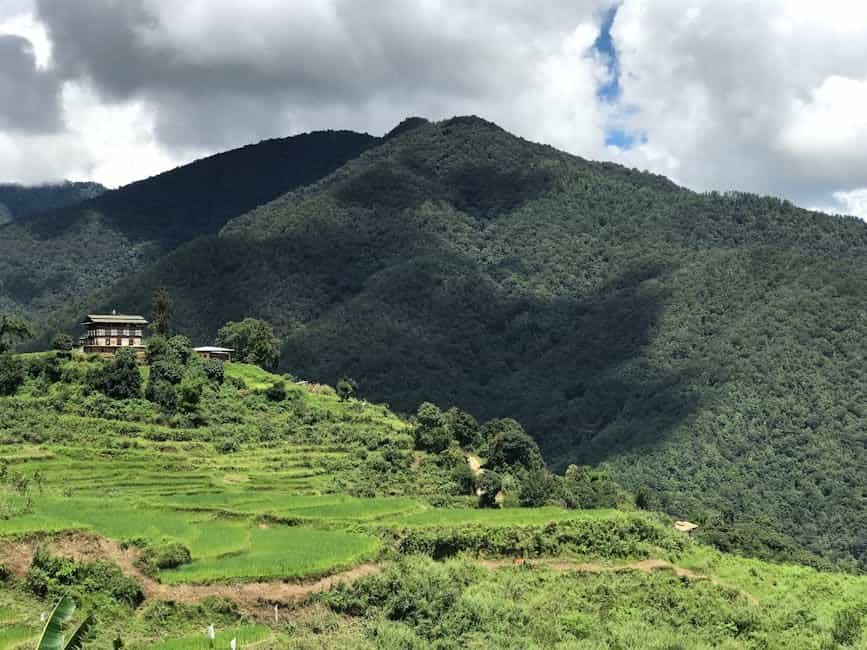
- Alpine Meadows and High Pastures: Vast, flower-rich summer grazing areas, visually striking during late spring and early summer.
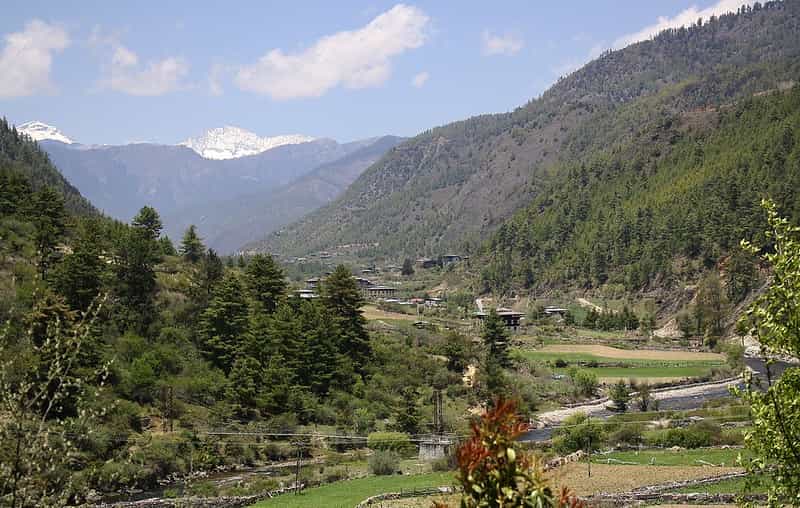
- Scenic Mountain Views and Valleys: Panoramic views of surrounding ridgelines and remote valleys, especially near high passes.
- Birdlife and Wildlife Viewing: Opportunities to see Himalayan birds and mammals adapted to eastern Himalayan habitats.
Unique Aspects
- High-elevation meadows (sub-alpine and alpine habitats) with seasonal wildflowers and rhododendron stands.
- Cultural interaction with the Brokpa (Merak and Sakteng) pastoral communities.
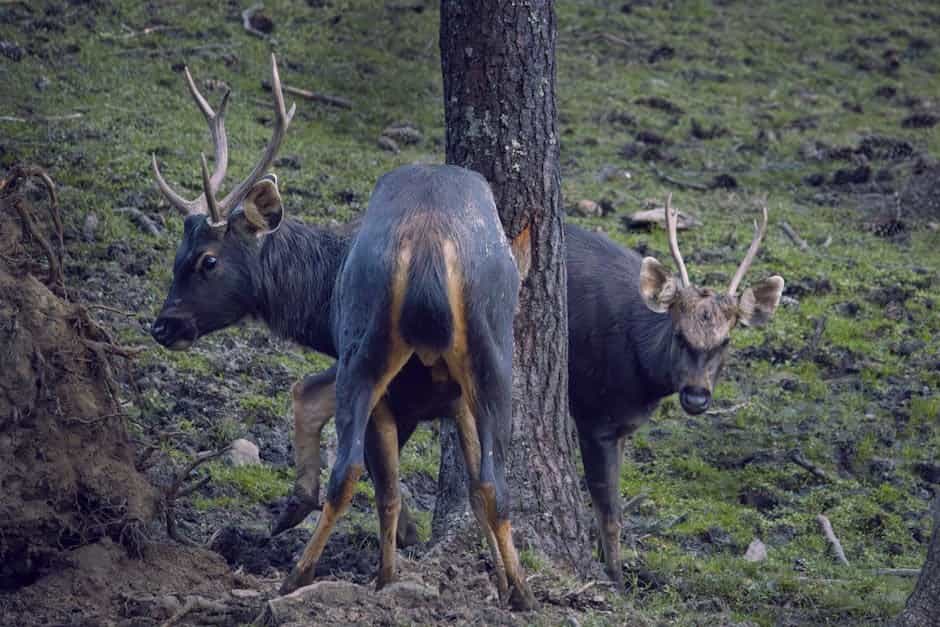
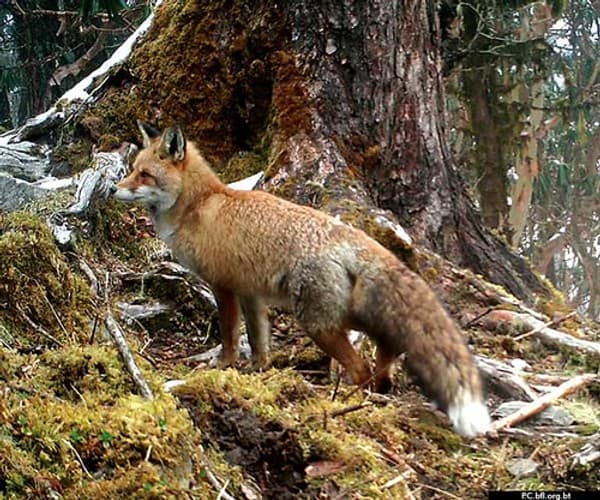
- Presence of rare and elusive wildlife species (e.g., reports of muntjac, musk deer, Himalayan civet, and regional montane species).
- A strong layer of local folklore (migoi) and community-based conservation traditions.
Things to do
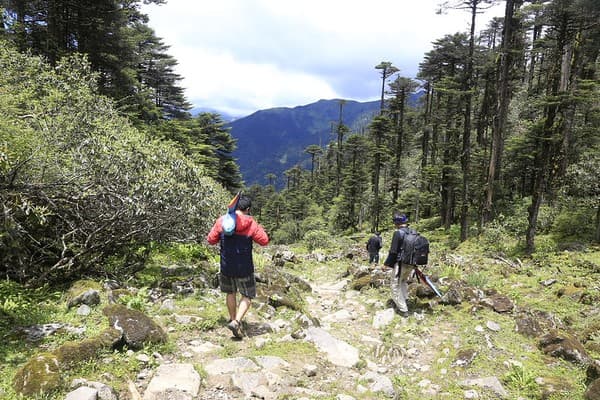
- Guided treks and day hikes through alpine meadows and to nearby passes.
- Community stays and cultural visits to Brokpa villages (arranged through licensed operators).
- Birdwatching and nature photography (seasonal highlights in spring and autumn).
- Wildlife tracking and interpretation with local guides (opportunities are opportunistic; sightings are not guaranteed).
Best Time to Visit
Best seasons: Late spring (May–June) and autumn (September–October) for clear skies, flowering meadows, comfortable trekking conditions, and better wildlife/birdwatching chances. Avoid peak monsoon (July–August) due to heavy rain and landslide risk; winters (November–March) bring snow and restricted access.
Weather Conditions
Mountain climate: cool to cold with large diurnal ranges. Expect chilly nights, possible snow at higher elevations in shoulder seasons, and heavy rain during the monsoon. Daytime in summer can be mild; bring layers and rain protection.
Accessibility
How to get there: Sakteng is remote. Typical approach is via the eastern district hub of Trashigang (road network) or the nearby Yonphula domestic airport (seasonal flights). From Trashigang it is a multi-hour drive on mountain roads followed by trekking or jeep rides to reach inner valleys and villages. 4x4 vehicles and sturdy road travel are usually required; some sections may only be reached on foot. Mobile and internet coverage is limited in many parts.
Recommended Duration
Allow at least 2–4 days within the sanctuary area for a short visit (including travel time from Trashigang). For more immersive cultural and trekking trips that include neighboring Merak and longer routes, plan 5–7 days or more depending on your itinerary.
Clothing & Gear Tips
Layered clothing for variable mountain conditions, waterproof outer layer, sturdy trekking boots, warm hat and gloves, sun protection, trekking poles, a good daypack, basic first-aid kit, and any personal high-altitude medication if needed.
Local Food & Souvenirs
Local foods: yak and sheep-based dairy products, butter tea, buckwheat-based dishes, and regional Bhutanese cuisine such as ema datshi available in village settings. Souvenirs: handwoven textiles, traditional Brokpa garments and yak-herder handicrafts, locally crafted wooden items and woven baskets.