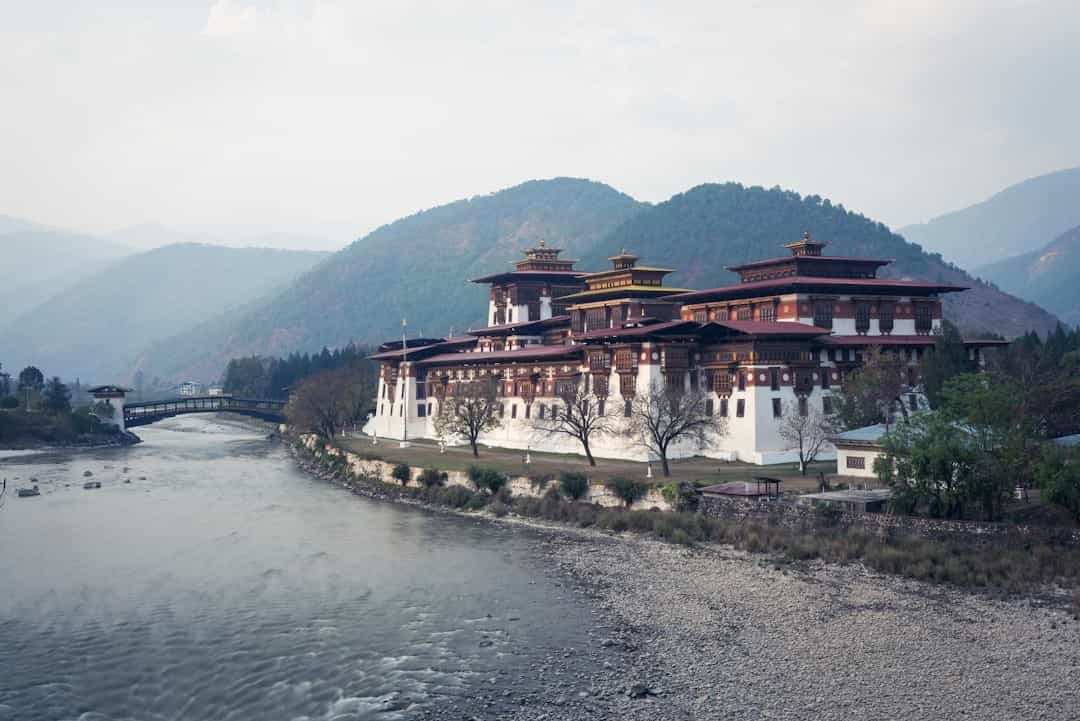
Simtokha Dzong, Bhutan
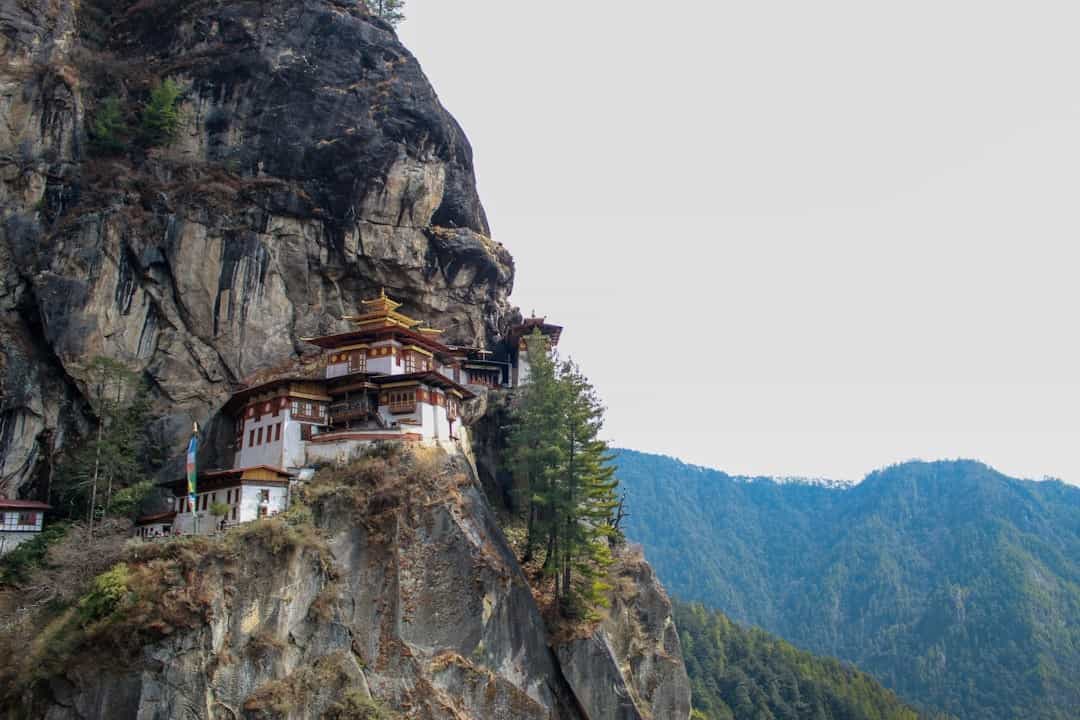
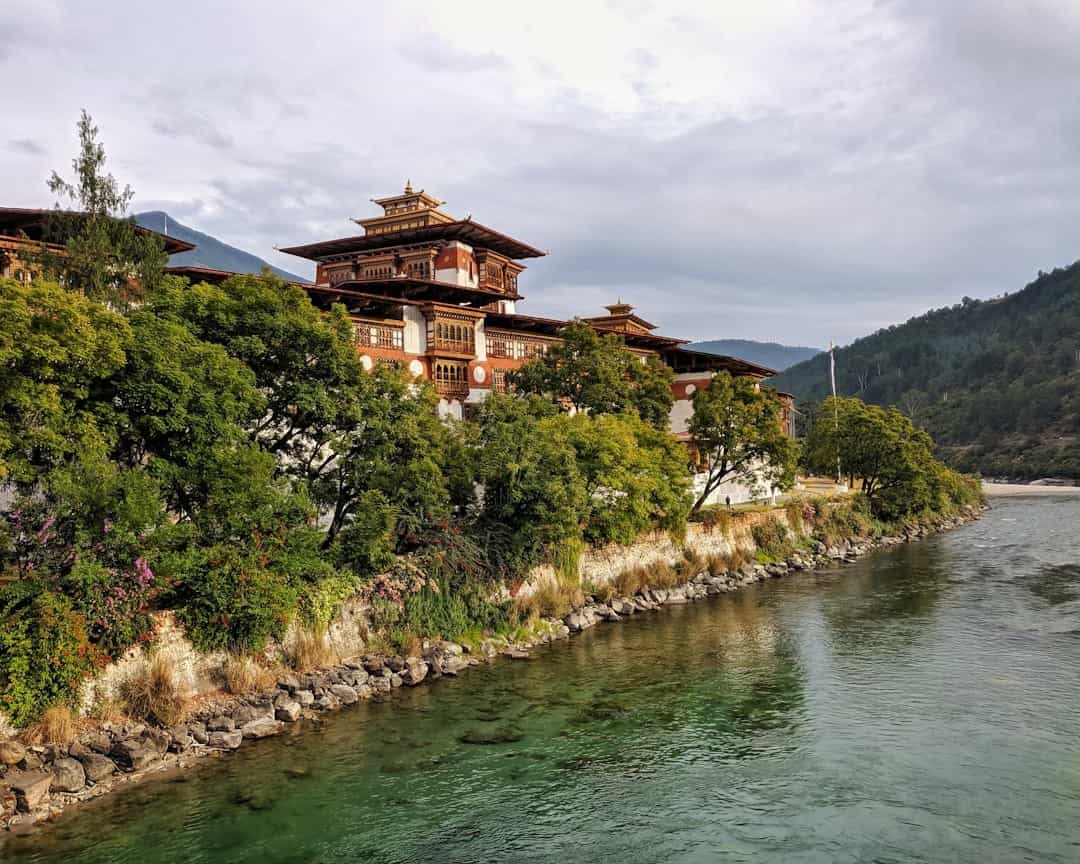
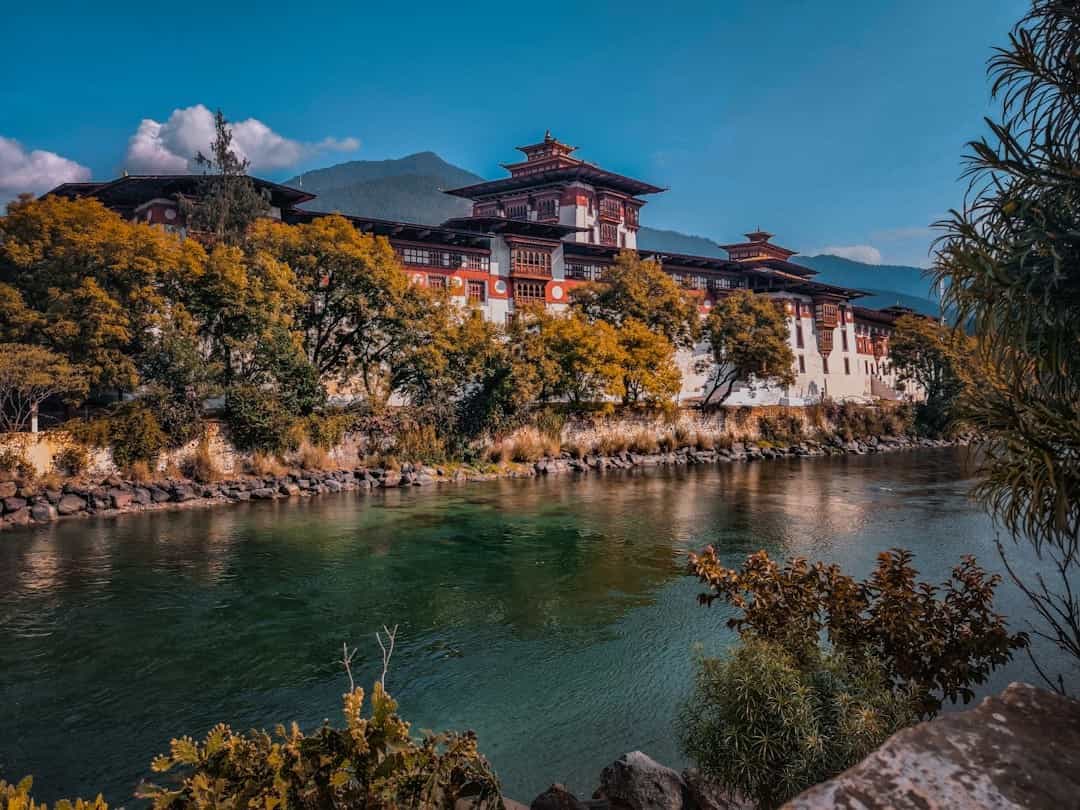
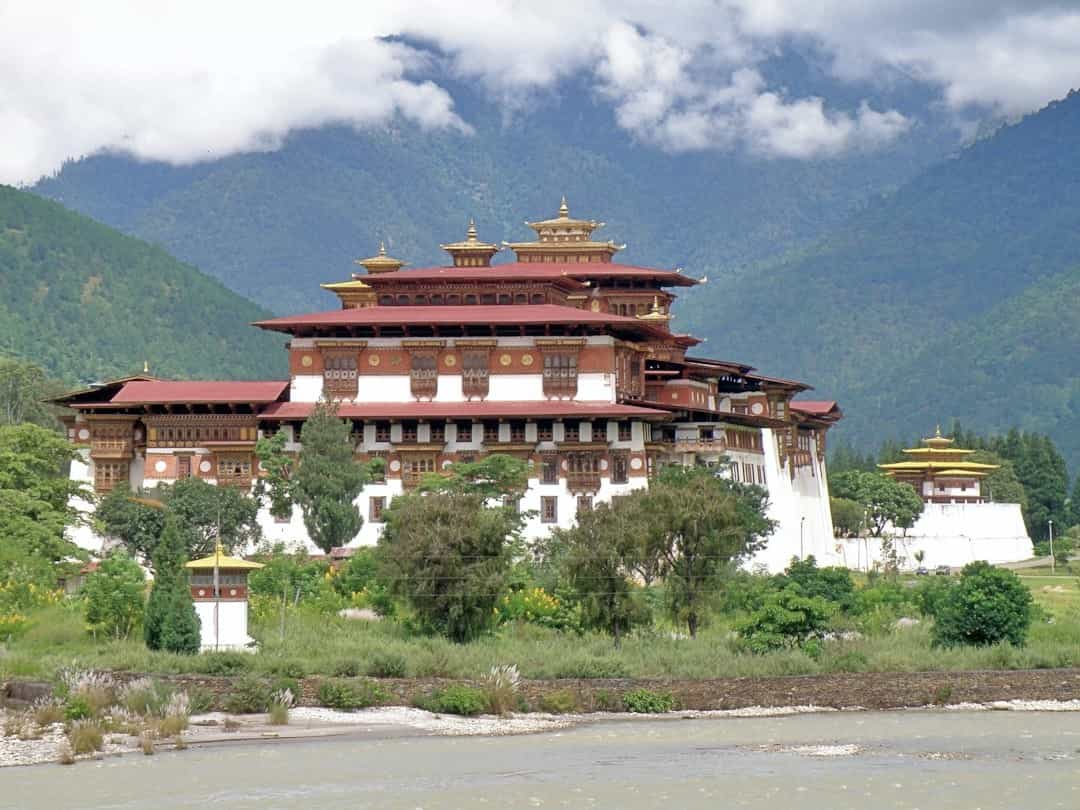
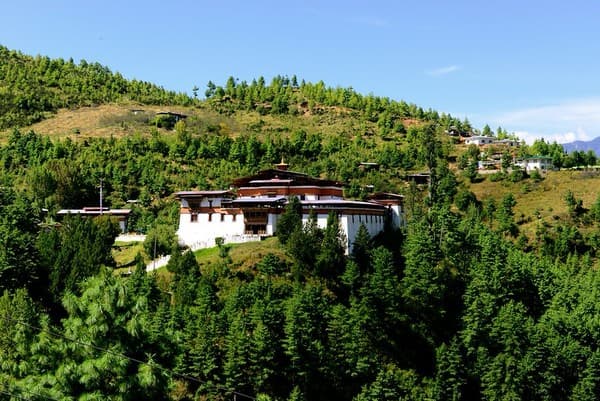
Simtokha Dzong (also spelled Simtokha Dzongkhag or Sangak Zabdhon Phodrang) is one of Bhutan's earliest dzongs, founded in 1629 by Zhabdrung Ngawang Namgyal. It served both defensive and administrative functions and helped consolidate central authority in western Bhutan. Architecturally, it is an important early example of Bhutanese dzong design—combining fortress, monastery, and administrative offices—and contains well-preserved murals and religious artifacts that reflect Bhutan's Himalayan Buddhist culture.
Last updated: 16 Jan 2026
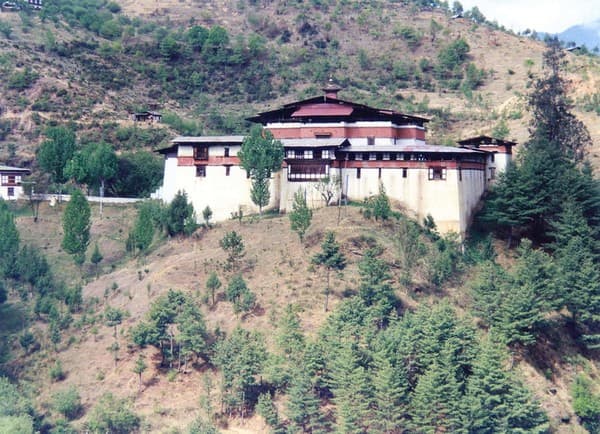
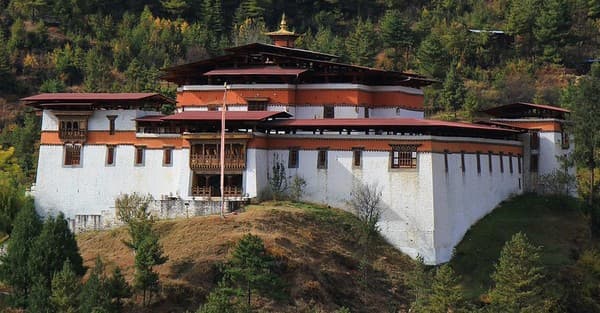
Places to visit
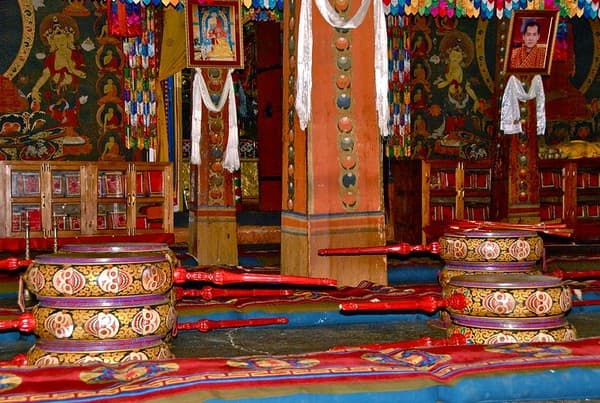
- Main temple (Lhakhang) with fine frescoes and painted mandalas
- Ancient thangka and religious artifacts inside the dzong
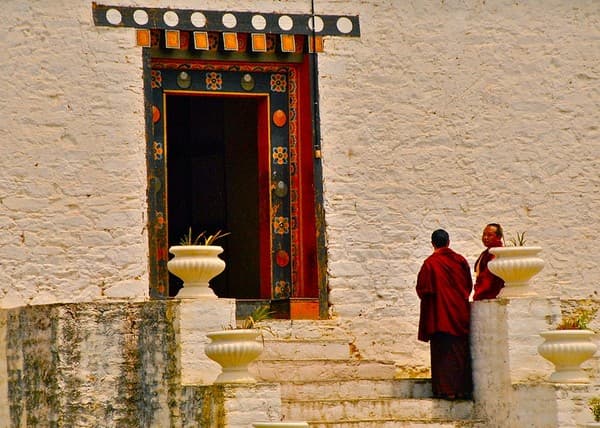
- The small monastic courtyards and traditional Bhutanese architecture
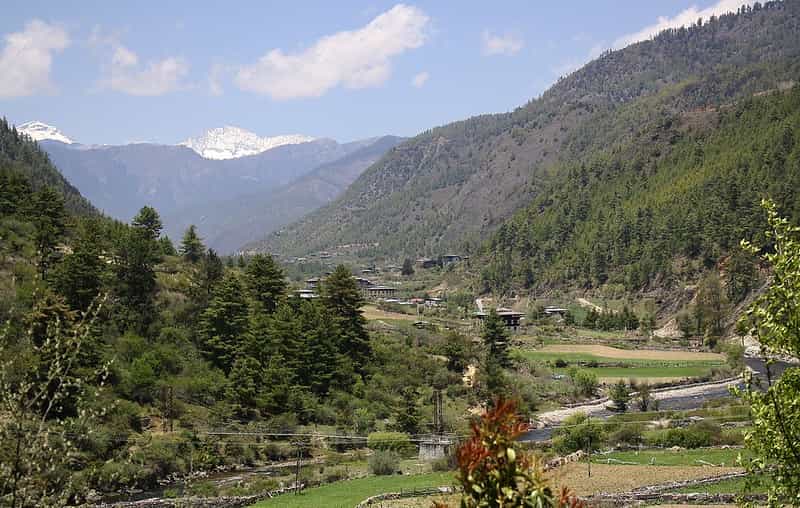
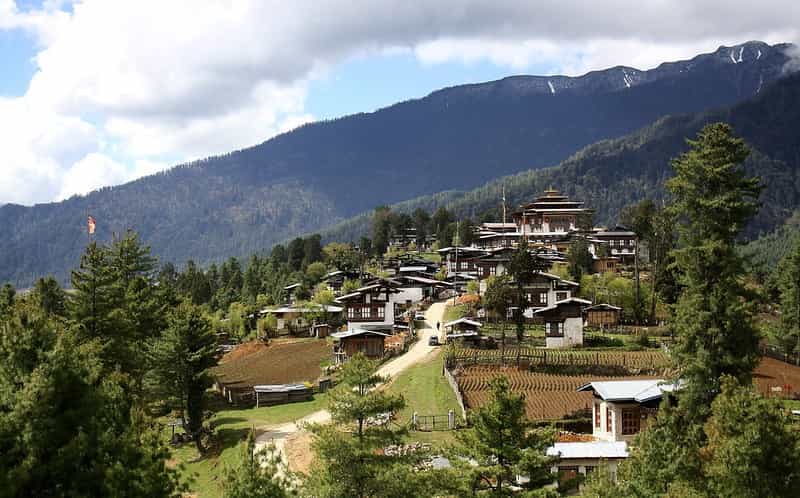
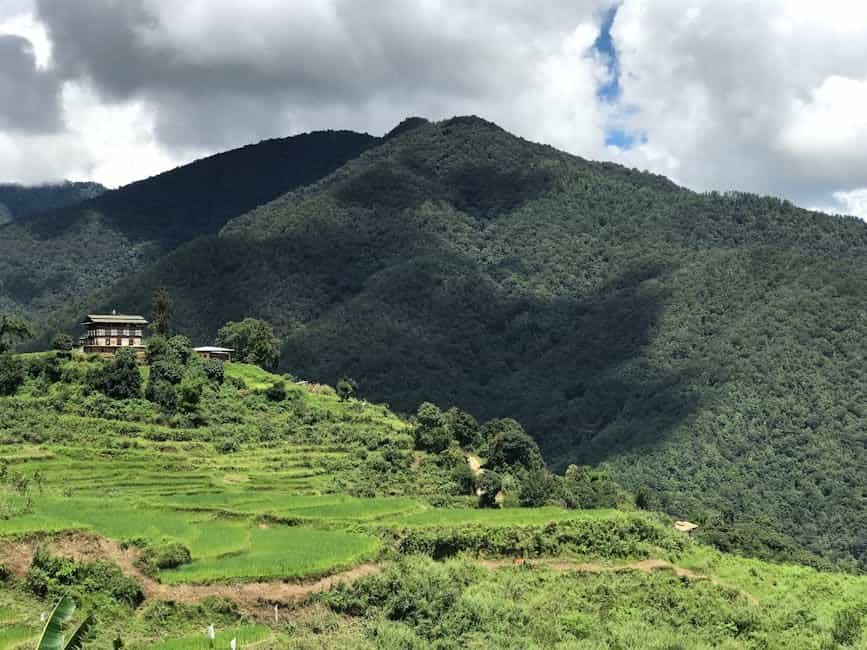
- Scenic views over the valley and surrounding pine-clad hills
- Approach road and traditional gate showcasing typical dzong construction
Unique Aspects
- Compact size compared with larger dzongs—offers an intimate experience
- Well-preserved 17th-century murals and interior paintings
- A blend of administrative chambers and monastic spaces in a single fortress
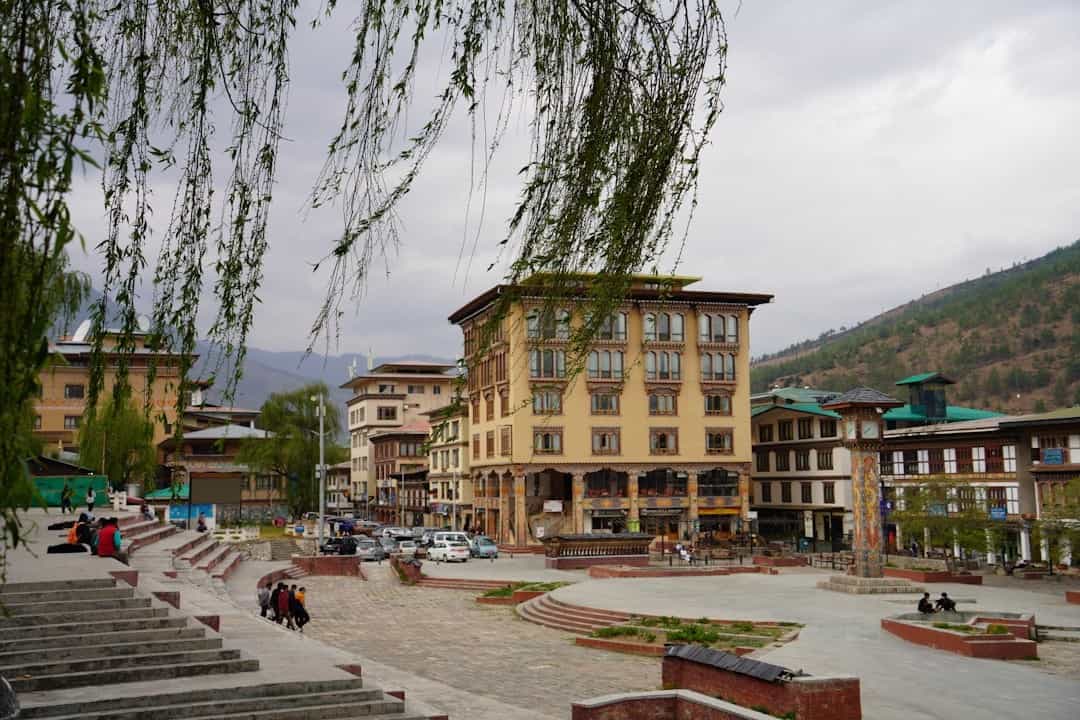
- Quiet, less-crowded atmosphere compared with larger festivals in Thimphu
Things to do
- Guided or self-guided visit to the dzong’s courtyards and temples
- Photography of exterior architecture and valley views (observe religious restrictions)
- Quiet reflection or meditation in designated monastic areas (with permission)
- Combine with a short drive or hike from Thimphu and nearby viewpoints
Best Time to Visit
Spring (March–May) and autumn (September–November) for clear skies and pleasant temperatures; avoid monsoon months (June–August) if you prefer dry weather.
Weather Conditions
Temperate mountain climate: cool to mild days, chilly mornings and evenings. Winters (December–February) can be cold; monsoon brings rain and reduced visibility.
Entry Fees & Permits
There is no large-ticket tourist facility here; visitors should check locally for any small entrance fee or suggested donation. The dzong is typically open to visitors during daytime hours (roughly 09:00–16:00) but access to inner temples may be restricted during rituals or by monastic rules—always ask permission and follow signage.
Accessibility
Located about 5–6 km south of central Thimphu on the Paro–Thimphu route; easily reached by car or taxi. Nearest international airport: Paro International Airport (~45–60 km by road depending on route). Some walking required on-site; limited facilities for mobility-impaired visitors—check in advance.
Recommended Duration
A short visit of 1–2 hours is sufficient to see the dzong and its immediate surroundings; combine with half-day in Thimphu to visit other attractions.
Clothing & Gear Tips
Modest, respectful clothing for sacred sites (shoulders and knees covered). Sturdy shoes for uneven courtyards and walkways. A light jacket for cool mornings/evenings and an umbrella or rain jacket during monsoon season.
Local Food & Souvenirs
While there are no large markets at the dzong itself, try Bhutanese dishes like ema datshi (chili-cheese), momos, and local butter tea in Thimphu. Souvenirs: traditional thangka reproductions, handwoven textiles, and small local handicrafts sold in Thimphu markets.