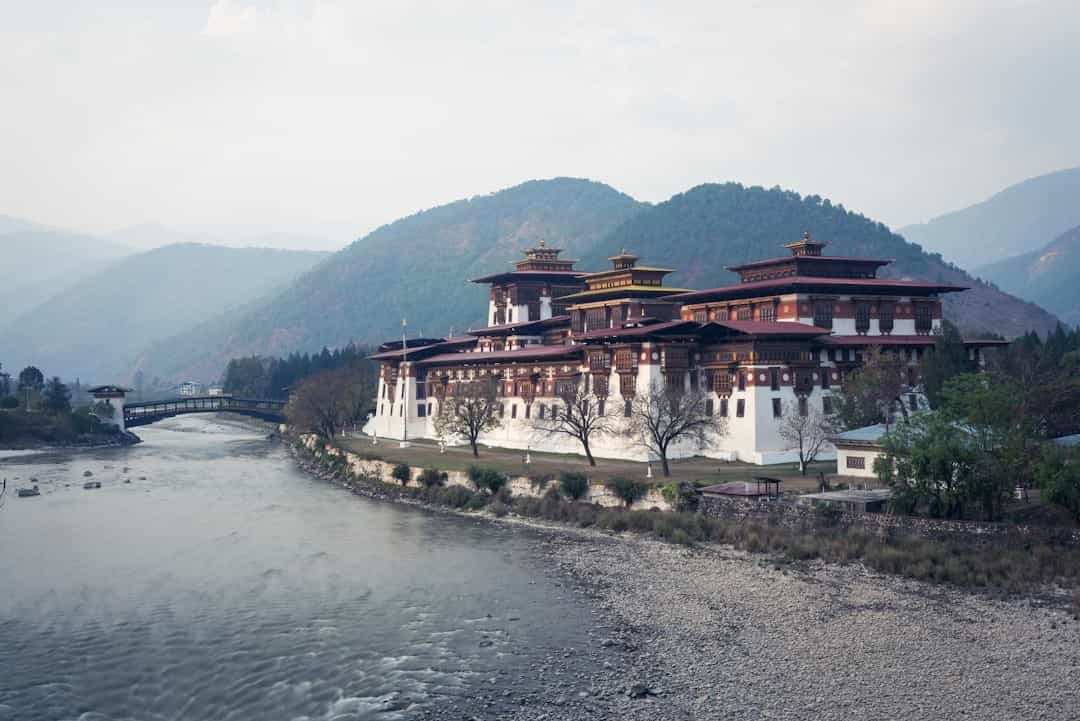
Taktsang (Tiger’s Nest) Monastery, Bhutan
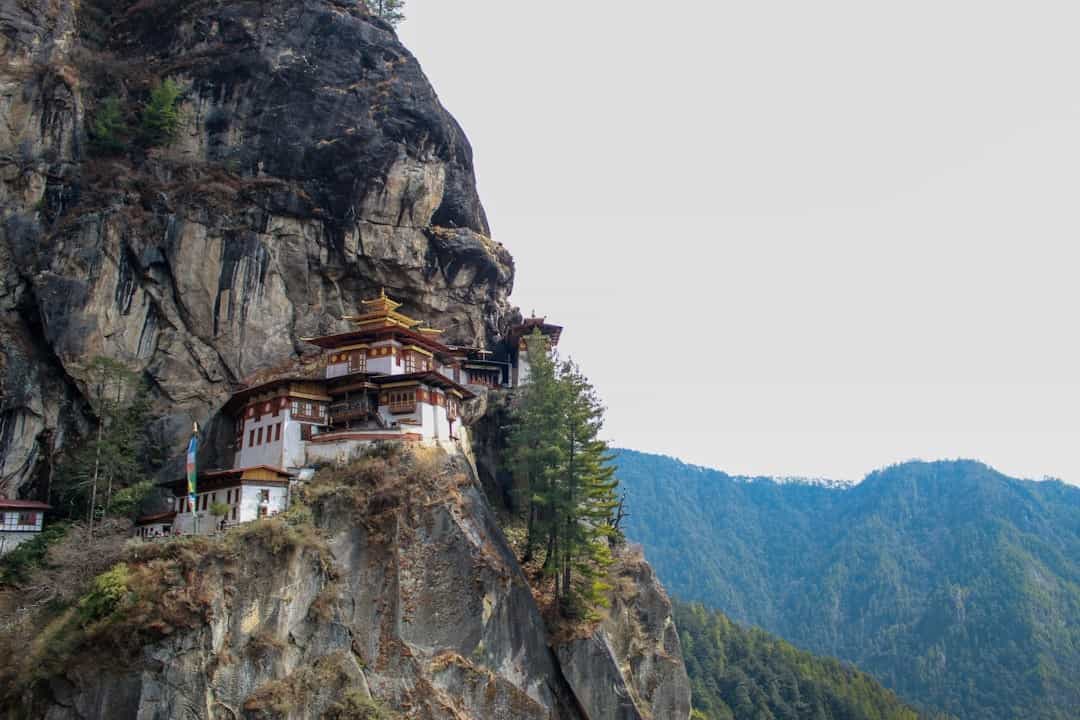
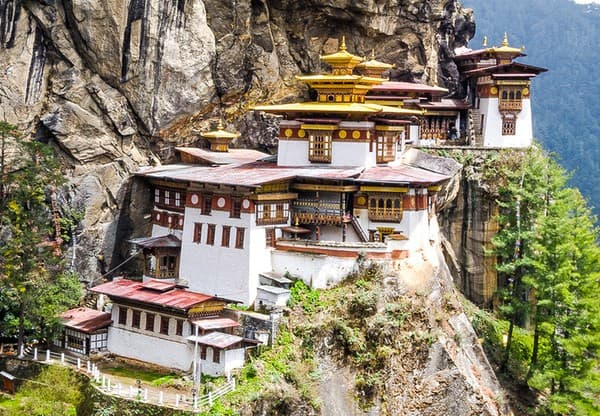
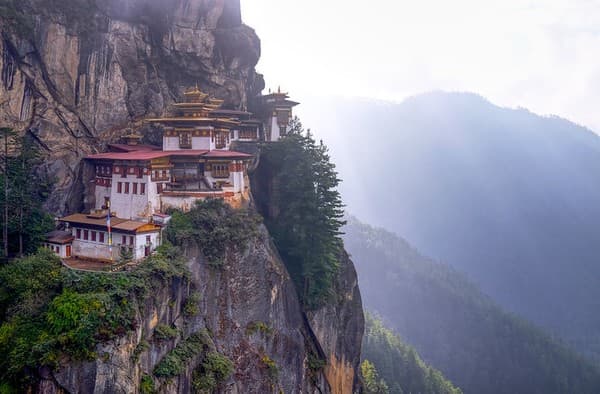
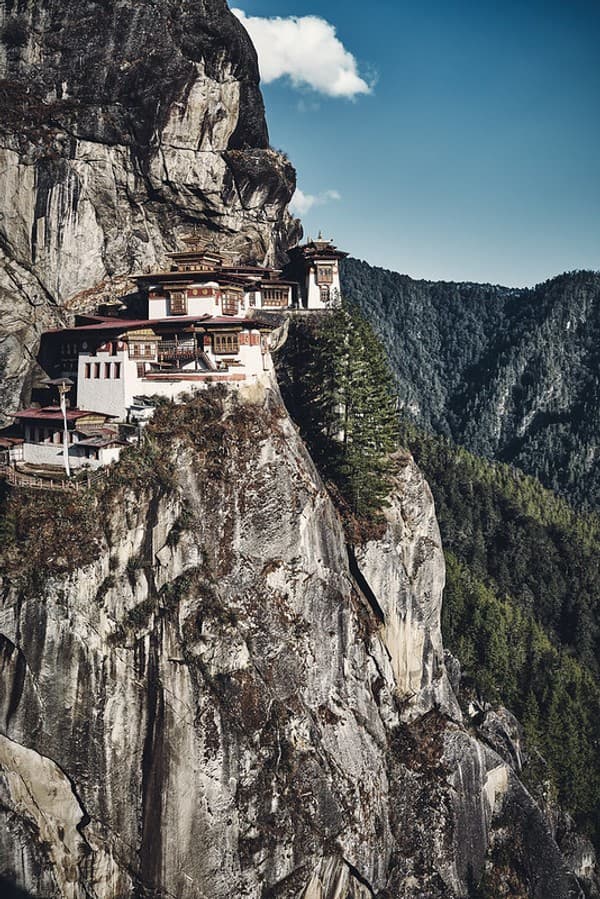
Taktsang (Tiger’s Nest) Monastery — Paro Taktsang is one of Bhutan's most sacred and iconic religious sites. Perched on a sheer cliff approximately 3,120 m (10,240 ft) above sea level and about 900 m above the Paro Valley floor, it is a masterpiece of Himalayan cliff‑side architecture and a focal point of Bhutanese Buddhist culture. The site commemorates Padmasambhava (Guru Rinpoche), who is credited with introducing Vajrayana Buddhism to Bhutan in the 8th century. The monastery complex, founded in its current form in 1692, has served for centuries as a place of meditation, pilgrimage, and national spiritual identity.
Last updated: 16 Jan 2026
Historic Anecdotes
Legend: Guru Rinpoche is said to have flown to the site on the back of a tigress, subdued local spirits, and meditated in a cave for three years, three months, three weeks, three days and three hours. The cave where he meditated is preserved inside the complex and is the principal sacred spot. Numerous local tales link the monastery to miraculous appearances and protection of the Paro valley.
Places to visit
- Taktsang Main Complex (the cluster of temples and shrines built into the cliff)
- Guru Rinpoche’s Cave (the original meditation cave — the most sacred spot)
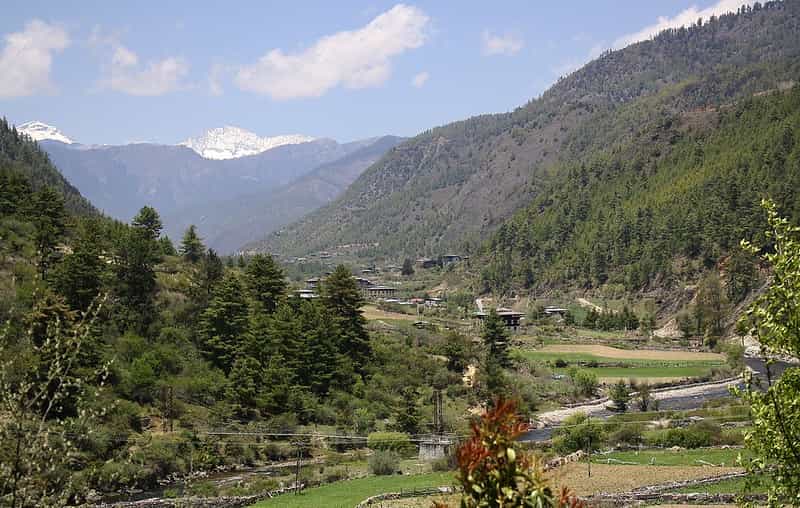
- Viewpoints and Terraces with panoramic views of Paro Valley and the Himalaya
- Prayer Halls and Chapels with intricate murals and Buddhist iconography
- Traditional Bhutanese Architecture: carved woodwork, gilded roofs and painted frescoes
Unique Aspects
- Dramatic cliff‑side setting (built into a granite cliff face)
- Ancient cave associated with Guru Rinpoche
- Rich ritual life: butter lamps, prayer flags, ongoing monastic practices
- Spectacular sunrise and late‑afternoon light for photography
- Distinctive Bhutanese art, murals and craftsmanship preserved in situ
Things to do
- Pilgrimage and Prayer — attending short rituals, offering butter lamps
- Hike to the Monastery — a moderately strenuous 2–3 hour ascent (round‑trip 4–5 hours with stops)
- Guided Cultural Tours — learning about Bhutanese Buddhism and monastery history
- Photography and Scenic Viewing from the main viewing platforms (note: restricted inside chapels)
- Meditation and Quiet Reflection in designated areas
Festivals & Events
- Paro Tsechu (annual spring festival in Paro valley) — while not held at Taktsang itself, many visitors time their trip to coincide with the festival in Paro town
- Monastic ceremonies and special ritual days (dates vary by lunar calendar) — visitors may witness prayer services
Best Time to Visit
Spring (March–May) and Autumn (September–November) for clear skies, stable weather and the best visibility. Winter offers crisp air but can be cold; monsoon (June–August) brings rain, mist and limited views.
Weather Conditions
Mountain climate: temperatures vary by season. Daytime in favorable seasons typically ranges from 5–20°C (41–68°F). Expect colder temperatures near the monastery, especially early morning and late afternoon; weather can change quickly.
Entry Fees & Permits
The monastery complex is generally open during daylight hours (approx. 07:00–17:00), but exact times can vary and access may be restricted during special ceremonies. Visitors must register at the Paro visitor center or checkpoints; a small entry fee or donation is collected at the site (fees/policies are subject to change). Note: Bhutan has regulated tourism policies for foreigners — check current permit/visa and fee requirements with your tour operator or the Royal Government of Bhutan.
Accessibility
Nearest airport: Paro International Airport (approx. 10–12 km). From Paro town drive to the trailhead (car/jeep). The hike to Taktsang is steep and includes rocky steps — typically 2–3 hours uphill for fit travelers and about 1.5–2 hours descent. Ponies or horses may be available for hire to part of the route but are not permitted all the way to the monastery; not recommended for visitors with serious mobility issues. Altitude can affect some visitors — allow time to acclimatize in Paro.
Recommended Duration
Plan 3–5 hours for the visit including transportation to the trailhead, the hike up, time at the monastery (30–90 minutes depending on interest) and the return hike. If combining with other Paro sights, allow a full day.
Clothing & Gear Tips
Wear sturdy hiking shoes, layered clothing (warm mid‑layer and waterproof outer layer), hat, gloves in colder months, sunscreen and sunglasses. Carry water, light snacks, a small daypack, and trekking poles if you prefer extra support.
Local Food & Souvenirs
Try local dishes in Paro such as ema datshi (chili and cheese), momos and buckwheat pancakes. Souvenirs include thangkas (Buddhist paintings), prayer flags, handwoven textiles and local woodcraft. Buy from reputable shops or government‑licensed vendors.