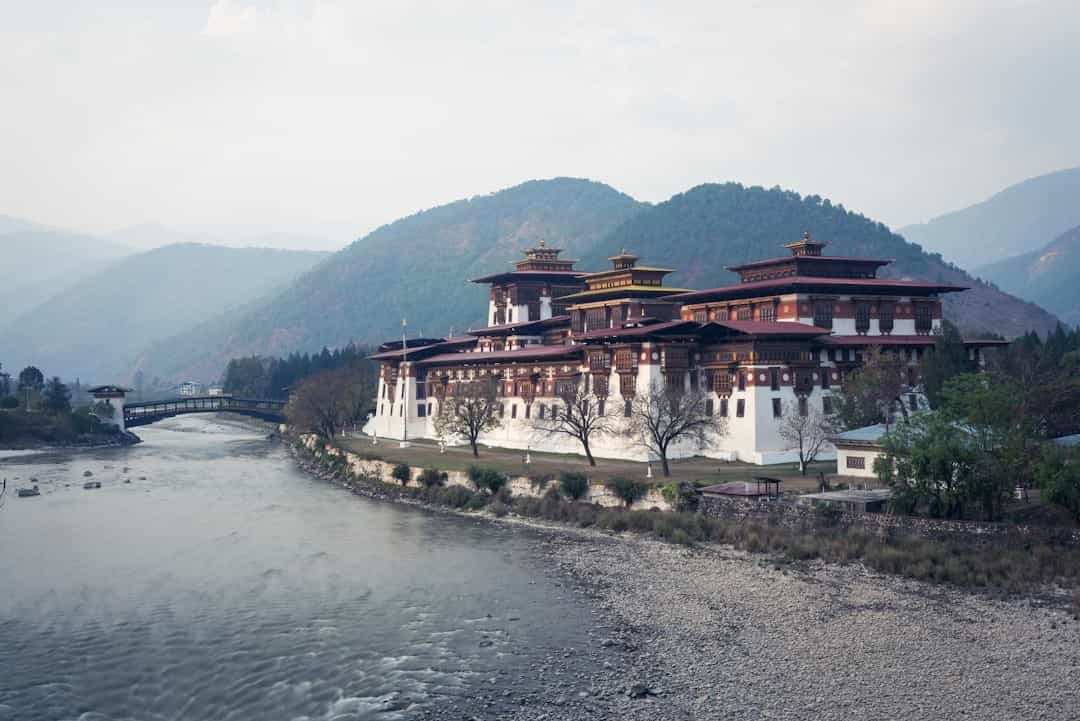
Tamshing Lhakhang, Bhutan
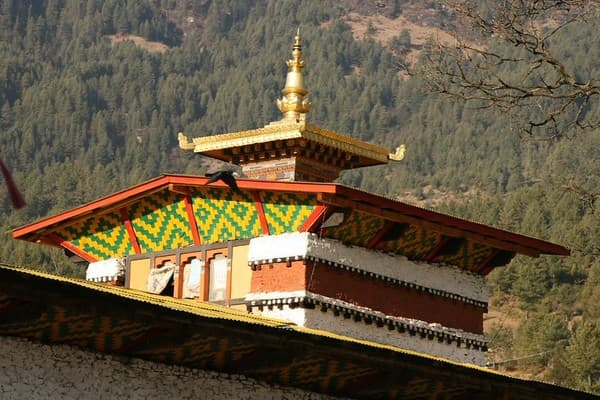
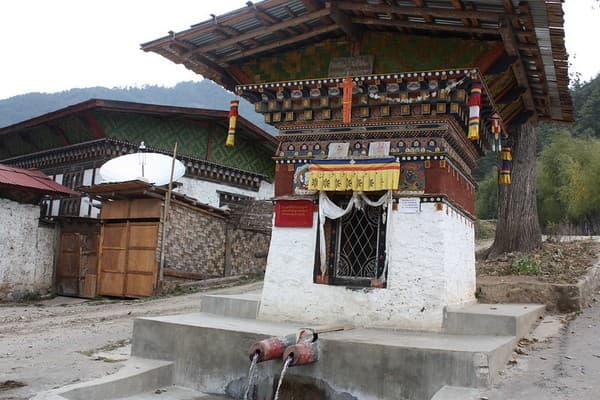
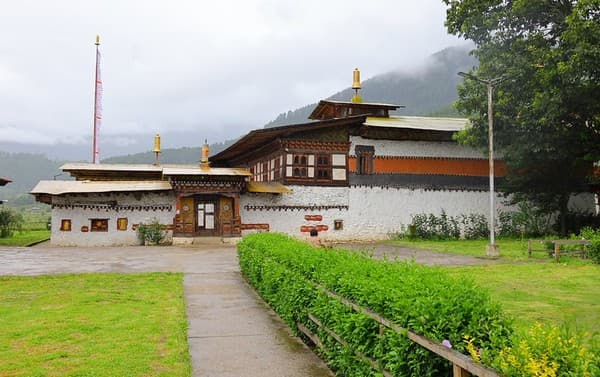
Tamshing Lhakhang (Tamshing Temple) in Bumthang, central Bhutan, is one of the kingdom's most important religious sites. Founded in the 15th century by the great terton (treasure revealer) Pema Lingpa, it holds a central place in Bhutanese Vajrayana Buddhism as a repository of revealed treasures (terma), original paintings, ritual objects and living ritual traditions. The temple is a key center for the Peling lineage and for the transmission of Pema Lingpa's teachings and practices.
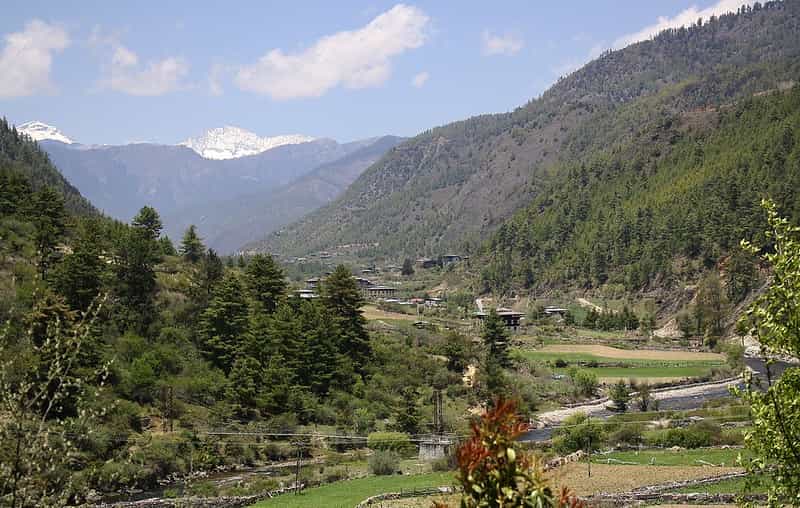
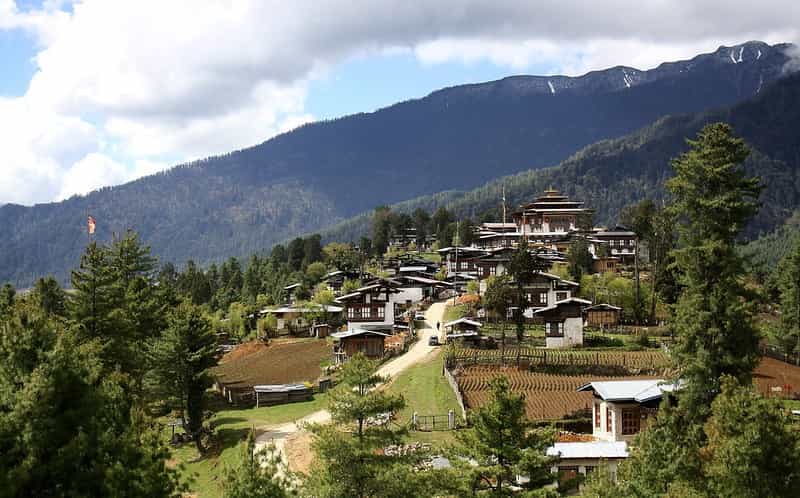
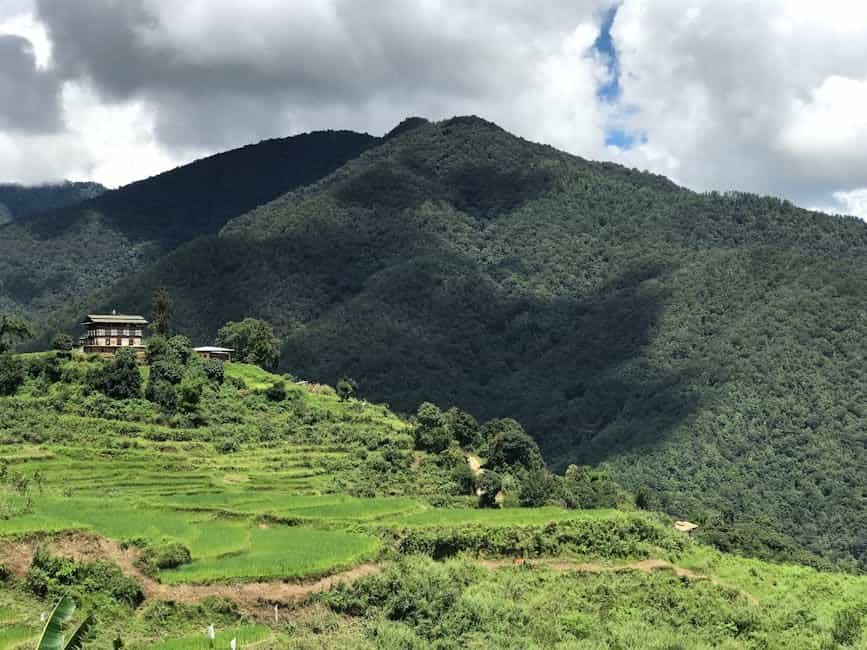
The temple's location in the spiritual heartland of Bumthang also gives it natural significance: it sits within a landscape of sacred sites, pilgrimage trails and highland valleys that are culturally and ecologically important for Bhutanese identity.
Last updated: 22 Jan 2026
Historic Anecdotes
Tamshing is closely associated with the many legends of Pema Lingpa — especially stories of his miraculous discoveries of hidden terma and his test at the Burning Lake (Mebar Tsho). Local lore recounts Pema Lingpa's clairvoyance, miraculous demonstrations of spiritual power, and the consecration of Tamshing as a site where treasures and blessings were revealed. The Tamshing Drup festival itself reenacts and commemorates many of these stories through masked dances and ritual performance.
Places to visit
- The main Tamshing temple building (historic shrine rooms and hall).
- Ancient murals and wall paintings depicting tantric deities and Pema Lingpa's life.
- Sacred relics and ritual objects associated with Pema Lingpa.
- Tamshing Drup festival — masked dances and ritual performances.
- Views over the Jakar (Bumthang) valley and nearby pilgrimage sites (Kurjey, Jambay, and other lhakhangs).
Unique Aspects
- 15th-century-era wooden architecture and richly painted interior murals.
- A living tradition of ritual dance and liturgy preserved and performed annually.
- Close physical and spiritual connections to other Bumthang sacred sites, creating a compact pilgrimage circuit.
- A small, intimate monastery atmosphere (not a large tourist complex).
Things to do
- Attend prayers or watch monks during temple rituals (when allowed).
- Visit during the Tamshing Drup to see traditional masked dances and liturgy.
- Guided exploration of murals and relics with a local guide or monk (permission required).
- Pilgrimage walks around Tamshing and to nearby lhakhangs (Kurjey, Jambay, Kubu).
- Photography of the exterior and landscape (interior photography often restricted).
Festivals & Events
- Tamshing Drup — the temple's major annual festival commemorating Pema Lingpa (date varies by lunar calendar; typically midsummer).
- Local ritual days and pujas celebrated according to the Bhutanese religious calendar (check with local monastery or guide).
Best Time to Visit
Spring and autumn (March–May and September–November) are the most comfortable seasons for travel to Bumthang — clear skies, mild temperatures and festival-friendly weather. The monsoon (June–August) brings more rain, and winter (December–February) can be cold with some snow at higher elevations.
Weather Conditions
Bumthang has a temperate mountain climate: warm, sunny days in spring and autumn and cool to cold nights. Prepare for significant day–night temperature variation; winters are cold and can be frosty.
Entry Fees & Permits
Tamshing is a religious site rather than a commercial museum. There is typically no formal entry fee, but donations to the temple are customary and welcome. Opening hours are generally during daylight hours (roughly 9:00–16:00), but times may vary for rituals or special events. Interior access and photography are often restricted—always ask permission from temple custodians or your guide.
Accessibility
Tamshing is located near Jakar (Bumthang) in central Bhutan. Nearest airport: Bathpalathang (Bumthang) Airport (BUQ) with limited domestic flights (usually via Paro or via connecting flights). The temple is a short drive or walk from central Jakar (distances are small within the valley). Public transport in Bumthang is limited — most visitors travel by private car, taxi or as part of an organized tour with a licensed guide and driver. Road journeys to/from Bumthang from other regions (e.g., Trongsa, Punakha, Thimphu) are scenic but can take several hours.
Recommended Duration
A short visit to Tamshing can take 1–2 hours (to see the temple and immediate surroundings). If you plan to attend the festival or include nearby sacred sites in a pilgrimage circuit, allocate 1–2 days in Bumthang to explore fully.
Clothing & Gear Tips
Dress modestly and respectfully for temple visits — shoulders and knees covered. Bring warm layers for cool mornings/evenings, comfortable walking shoes for uneven paths, and rain protection in the wet season. Remove shoes and hats inside shrine rooms as requested.
Local Food & Souvenirs
Sample Bumthang specialties such as local cheeses and regional dishes; try ara (local alcoholic beverage) at authorized venues. Recommended souvenirs: handwoven textiles, prayer flags, thangka paintings, wooden carvings and locally made handicrafts. When buying religious items, show respect and buy from reputable local vendors.