Tango Monastery, Bhutan
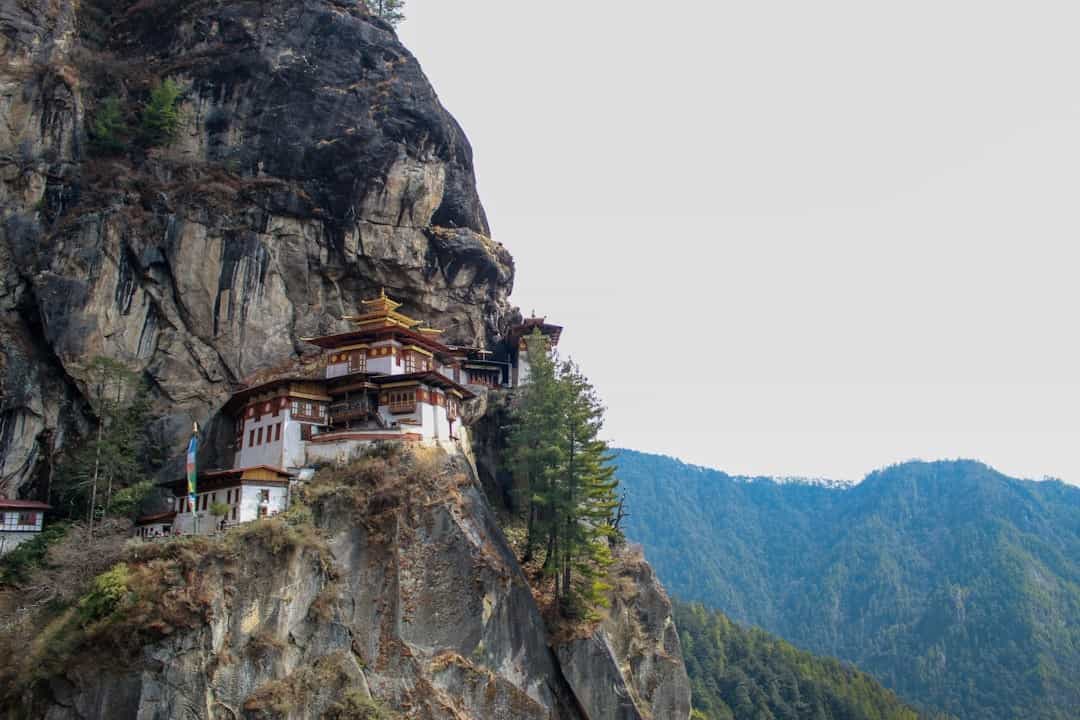
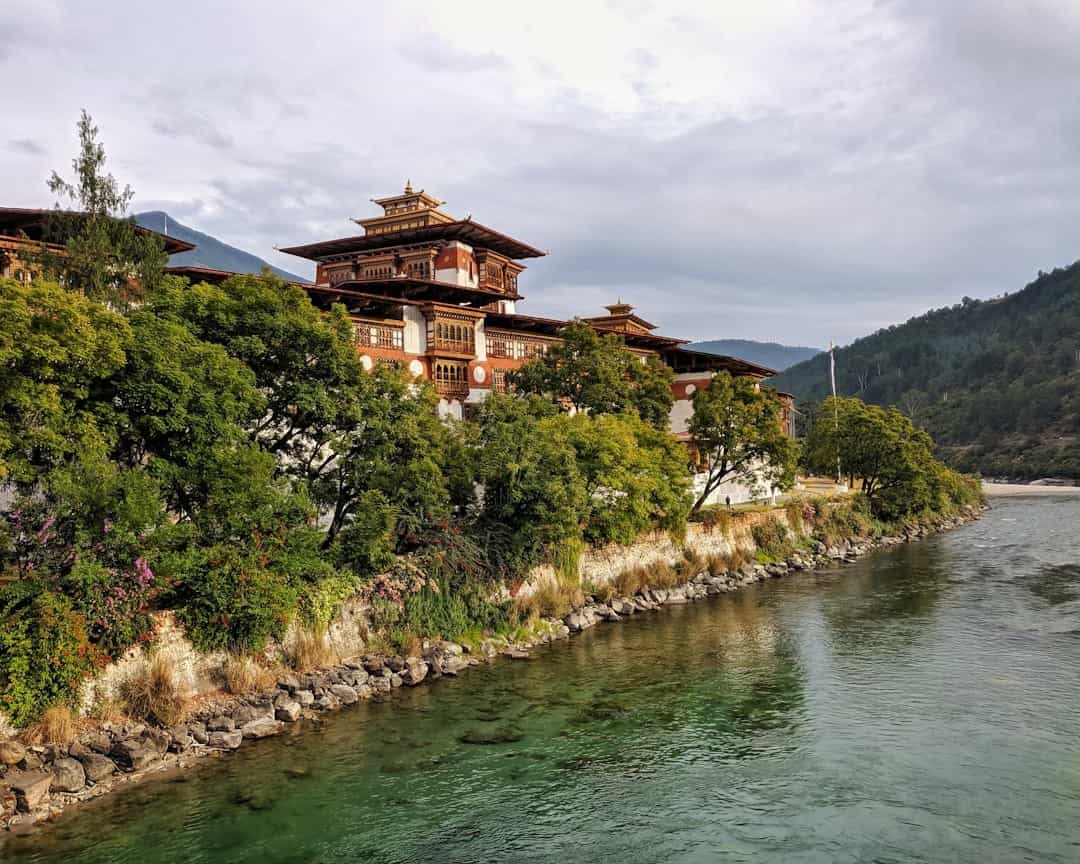
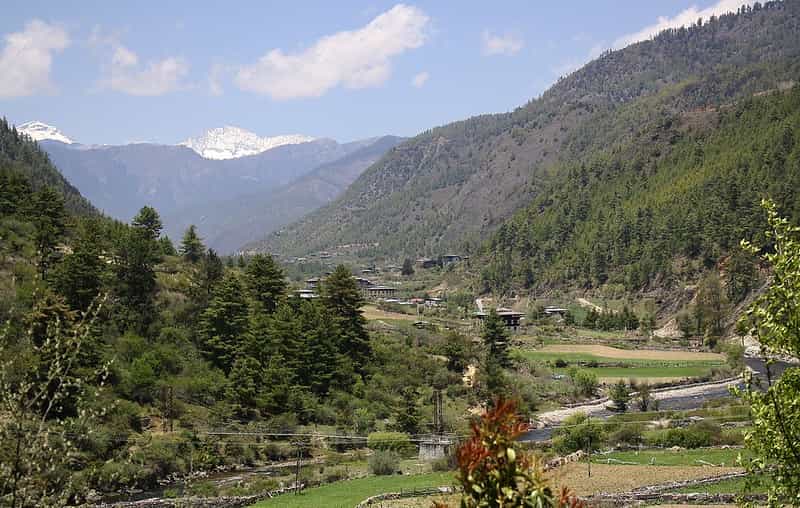
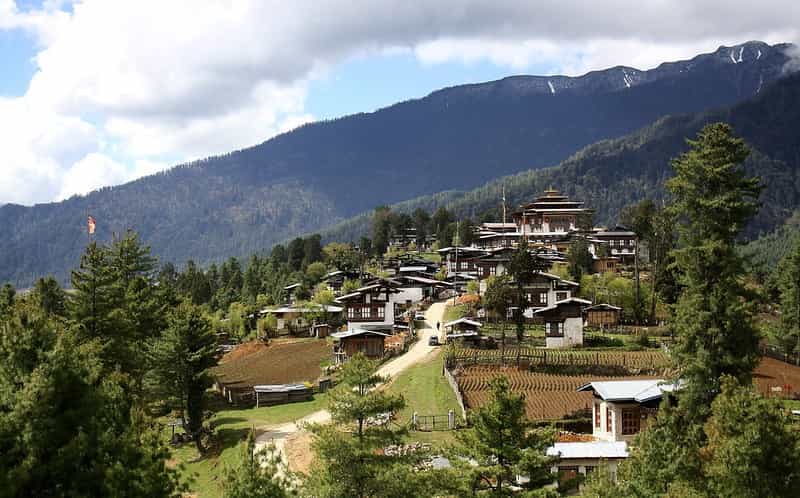
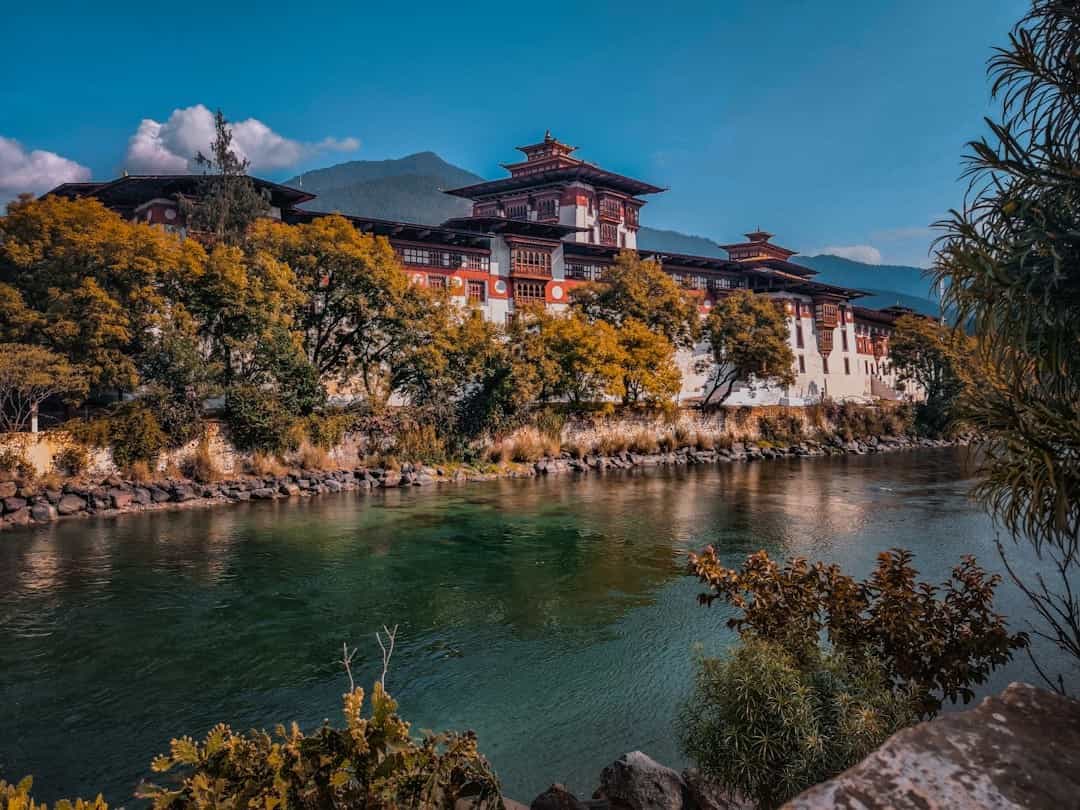
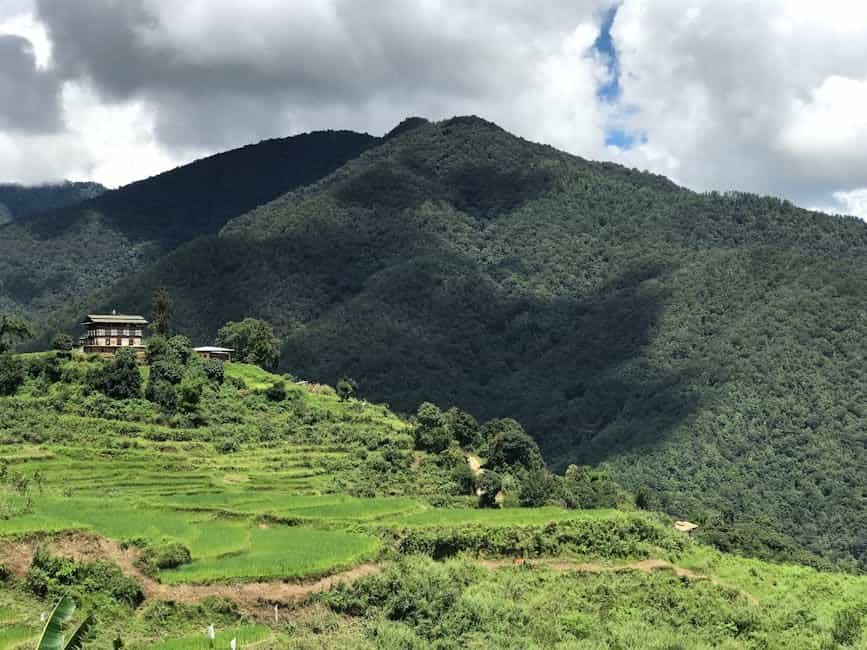
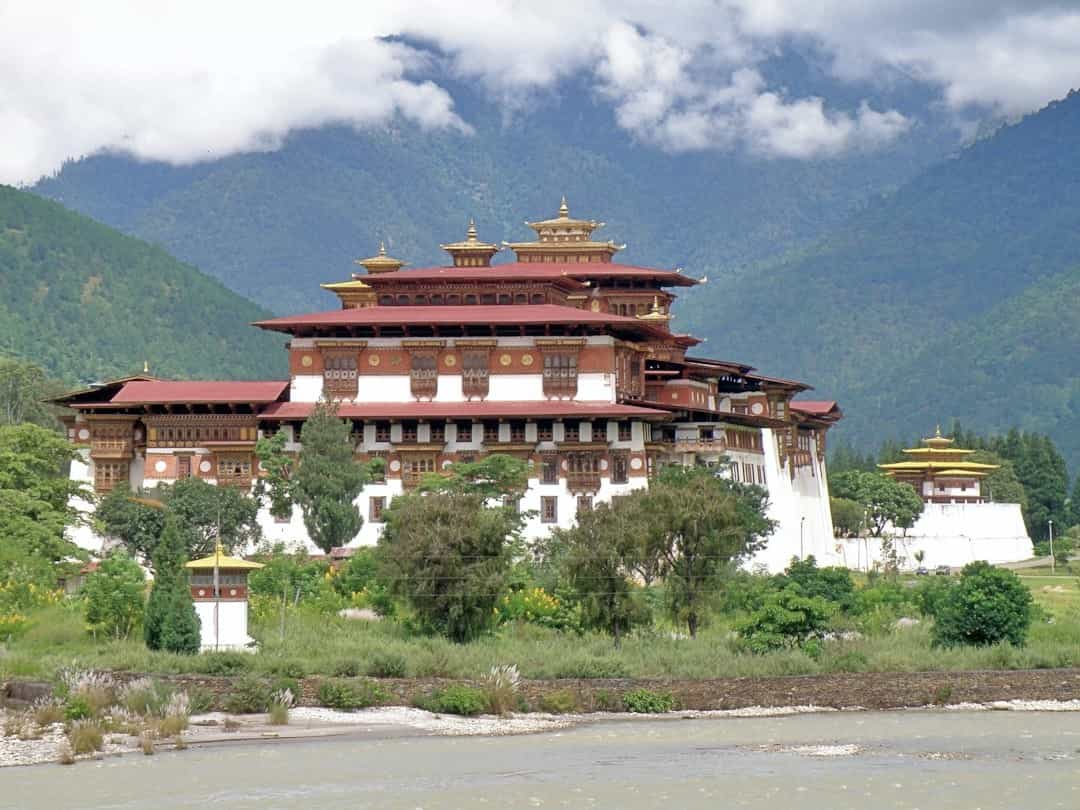
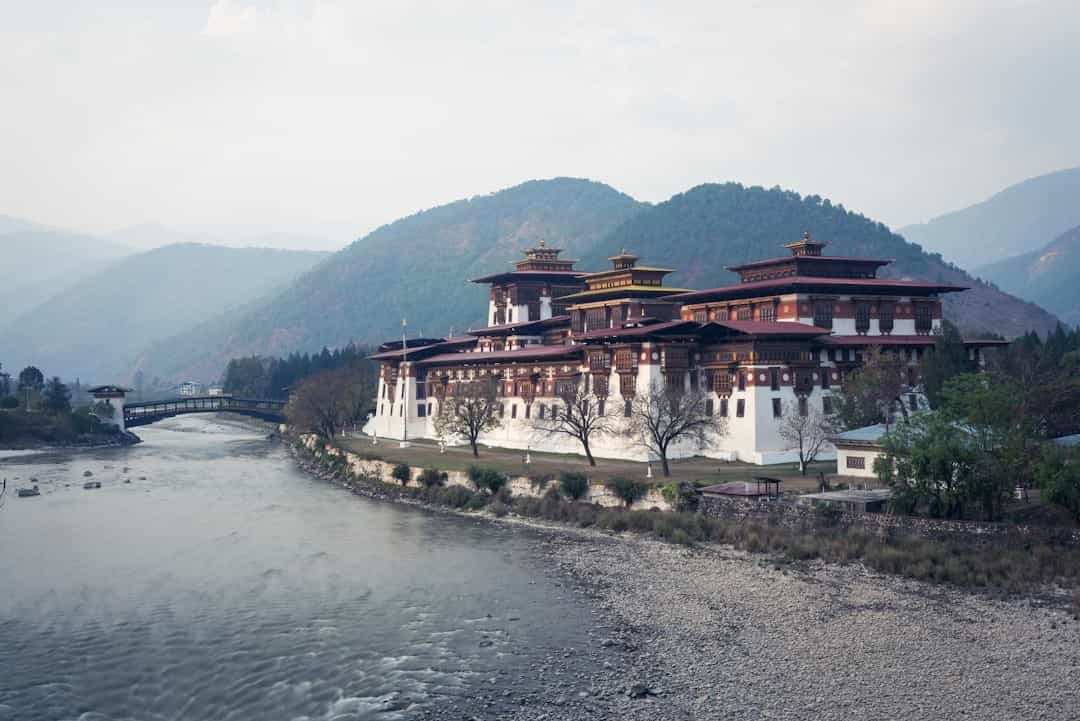
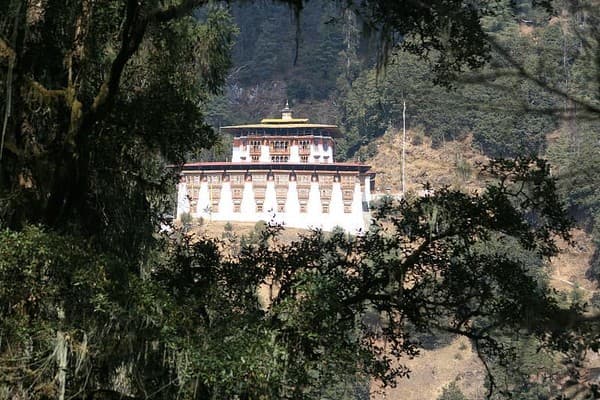
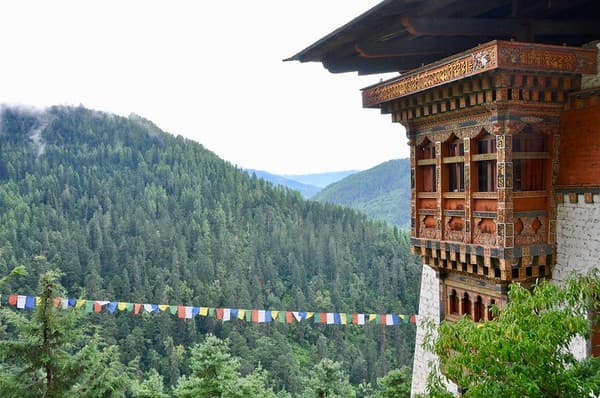
Tango Monastery (Tango Goemba) is an important Drukpa Kagyu Buddhist monastery located just north of Thimphu, Bhutan. Perched on a wooded hill above the valley, it functions as both a meditation center and a monastic school and plays a key role in preserving Bhutanese religious education, ritual practice, and traditional arts. The site's natural setting provides panoramic views of Thimphu valley and surrounding pine-clad ridges, making it significant for both spiritual practice and scenic value.
Last updated: 22 Jan 2026
Historic Anecdotes
Local stories and religious tradition associate the site with extended meditation retreats by revered lamas and the presence of protective local deities. Multiple caves and secluded meditation chambers around the complex are traditionally regarded as places where early masters practiced retreat and attained realizations. These legends contribute to the monastery's reputation as a powerful spiritual place.
Places to visit
- Main temple complex (Lhakhang) with richly decorated interiors and altar spaces
- Meditation caves and retreat chambers close to the monastery
- Large assembly/prayer halls used for rituals and teachings
- Traditional murals and thangka paintings depicting Buddhist iconography
- Monastic school with resident monks and novices
- Scenic viewpoints offering sweeping views over Thimphu valley
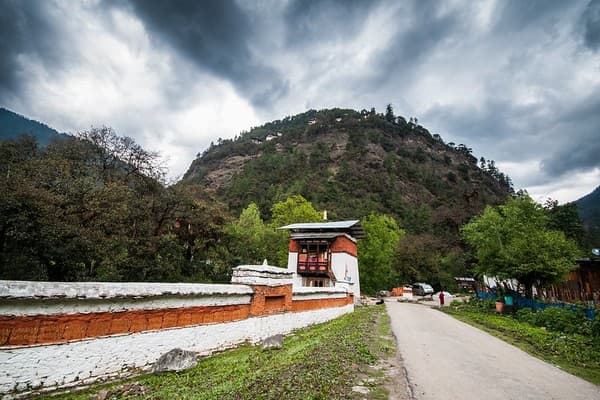
- Short walking trails and stairways leading up to the monastery
Unique Aspects
- Dramatic hilltop/cliffside setting with panoramic valley views
- Well-preserved examples of Bhutanese religious architecture and woodwork
- Active religious life — daily pujas and monastic study
- A compact, accessible hiking approach that rewards visitors with vistas
Things to do
- Walk or hike up the trail/stairs from the parking area to the monastery (moderate effort)
- Observe or join prayer sessions and listen to monastery chants (when open to visitors)
- Guided tours (where available) to learn about the monastery’s art, architecture, and history
- Photography of the exterior, landscape, and architecture (ask permission before photographing monks or sacred rituals)
- Short meditation or quiet contemplation at permitted areas
- Attend scheduled teachings or retreats if they are open to guests (by arrangement)
Festivals & Events
- Local religious ceremonies and seasonal prayer gatherings held at the monastery
- Tango Tsechu and other community ritual events are celebrated locally (dates vary by year — check local listings or with the Thimphu tourism office)
Best Time to Visit
Spring (March–May) and Autumn (September–November) for the clearest skies, comfortable hiking conditions, and festival season. Winters are quieter and colder; summers bring occasional rain.
Weather Conditions
Temperate mountain climate — cool to mild days, chilly evenings and potentially windy on exposed ridge sections. Weather can change quickly; layers recommended.
Entry Fees & Permits
There is generally no formal entrance fee, though donations to the monastery are appreciated. The complex is usually open during daylight hours; opening times may vary around ceremonies. If you plan a formal visit or photography session, contact the monastery or a local guide in advance.
Accessibility
Approximately a short drive north from central Thimphu to a parking/approach area, followed by a steep but well-marked walk or stairs up to the monastery (allow 20–45 minutes depending on fitness). Not suitable for wheelchairs; mobile visitors should be prepared for uneven steps and some steep sections.
Recommended Duration
Plan 2–3 hours for the roundtrip visit (drive, walk up, time at the monastery and return). Allow a half-day if attending events or joining a guided session.
Clothing & Gear Tips
Dress modestly out of respect for a religious site: cover shoulders and knees. Bring layered clothing for temperature changes, sturdy walking shoes, rain jacket, sun protection, and a small daypack. Quiet behavior and removal of shoes/socks may be required in some temple areas.
Local Food & Souvenirs
Nearby Thimphu offers local Bhutanese dishes such as ema datshi (chili and cheese), momos, and butter tea. Souvenirs include handwoven textiles, prayer flags, and thangka art—buy from reputable local artisans or government-approved shops.