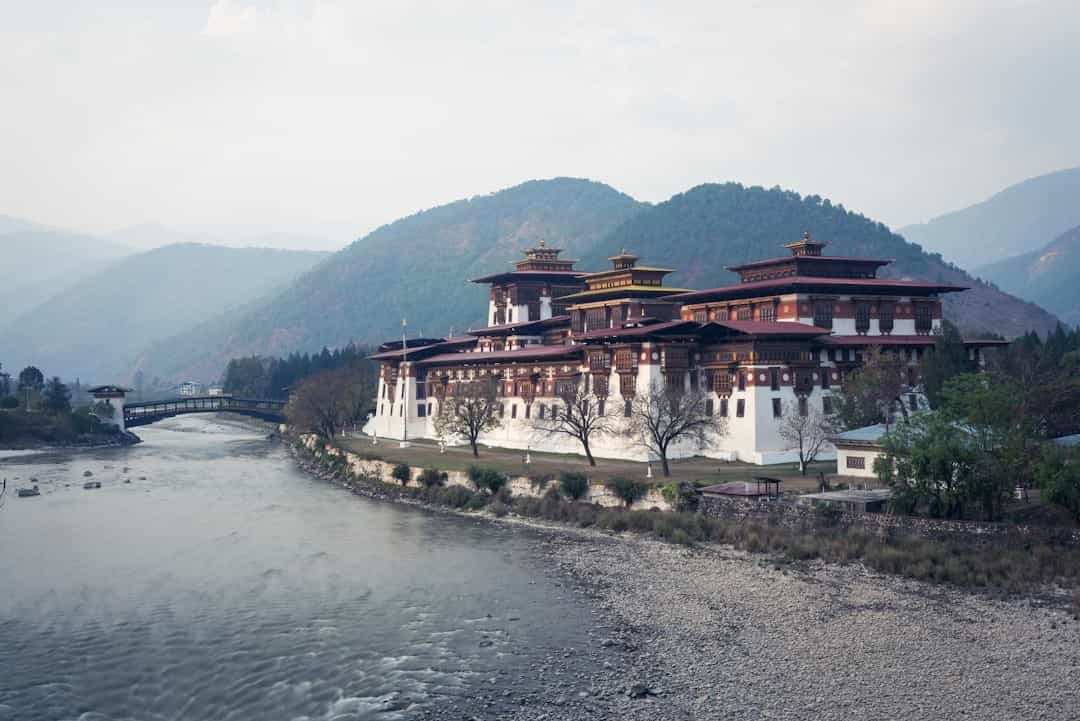
Torsa Strict Nature Reserve, Bhutan
Torsa Strict Nature Reserve is one of Bhutan's strictly protected conservation areas created to safeguard high-altitude ecosystems, headwaters of the Torsa (Thorsa) river system, and fragile alpine biodiversity. The reserve contributes to Bhutan’s national goals for watershed protection, climate resilience, and species conservation, acting as an important refuge for several high‑altitude mammals and birds. Its protections also help maintain downstream water supplies for local communities and agricultural areas.
Last updated: 22 Jan 2026
Places to visit
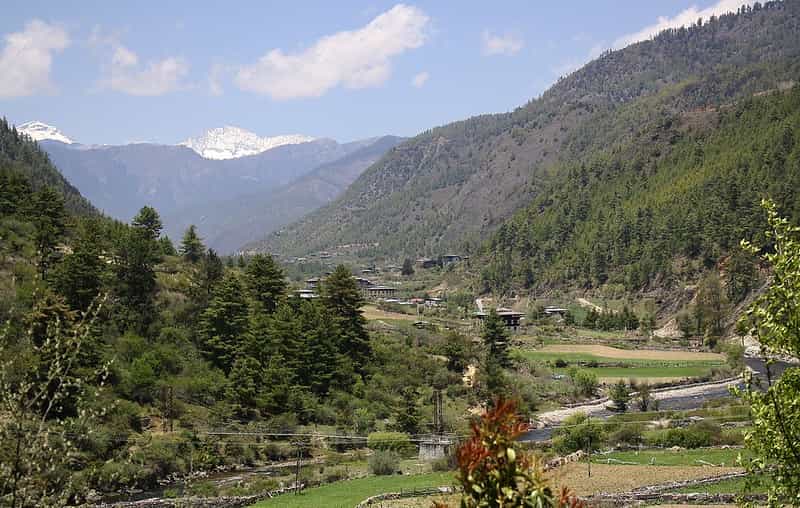
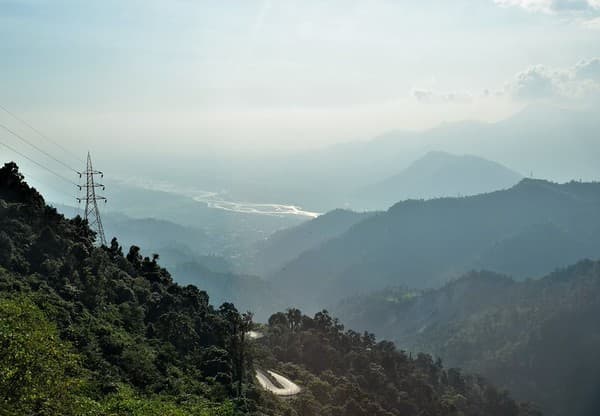
- Pristine alpine landscapes — sweeping meadows, glacial streams, and rugged ridgelines
- High‑altitude wildlife sightings — potential encounters with species adapted to alpine zones
- Remote trekking routes and passes — for experienced trekkers with permits
- Watershed and river headwaters — important natural hydrological features
Unique Aspects
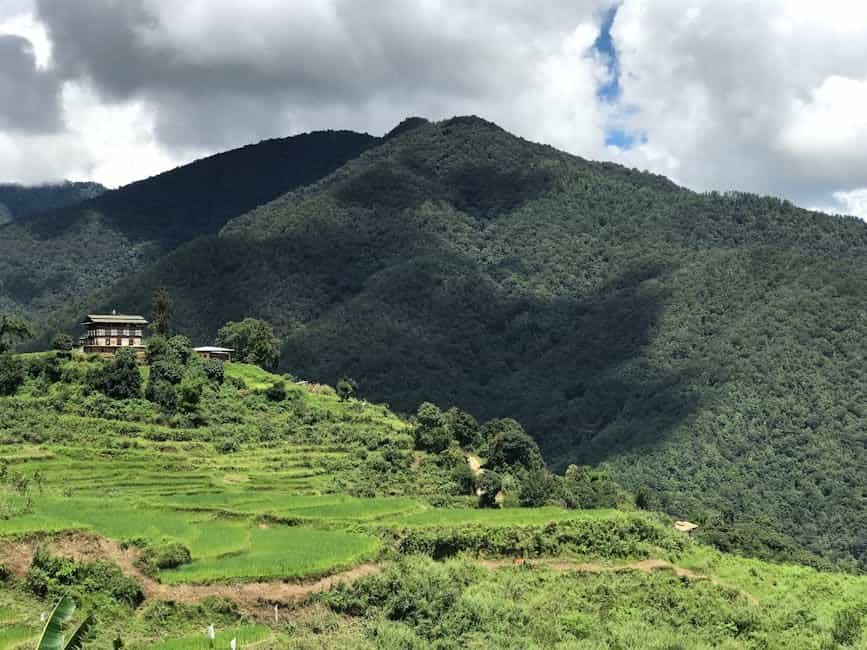
- Extensive alpine meadows and rhododendron‑conifer transition zones
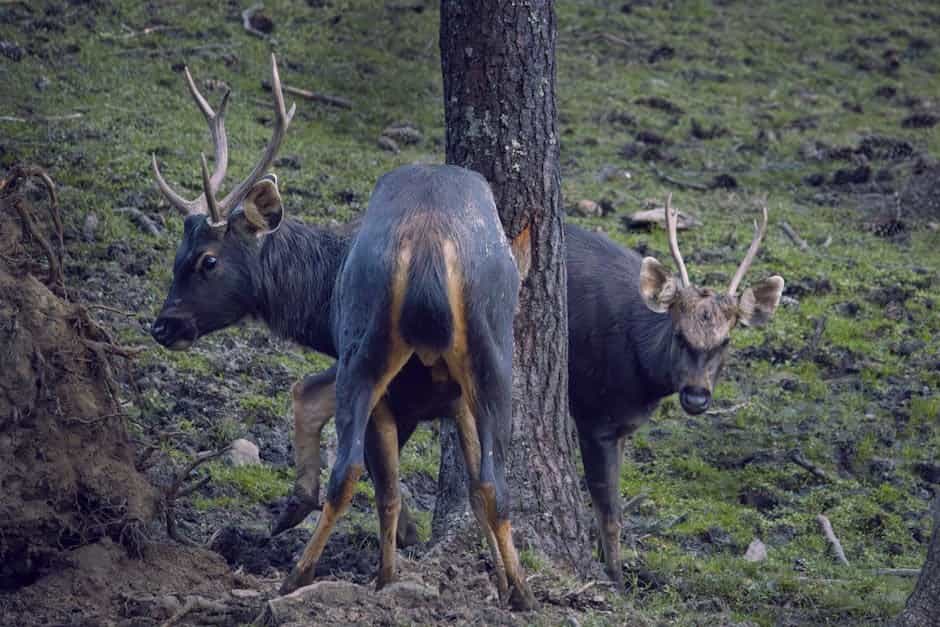
- Habitat for high‑altitude mammals such as snow leopard, Himalayan tahr and blue sheep (where present in the region)
- Important birdlife including highland pheasants and raptors
- Strict protection status (limited human activity) that preserves wilderness character
Things to do
- Guided trekking (permit and approved guide required)
- Remote wildlife watching and photography from a distance (respecting restrictions)
- High‑altitude nature study and supervised research (requires official approval)
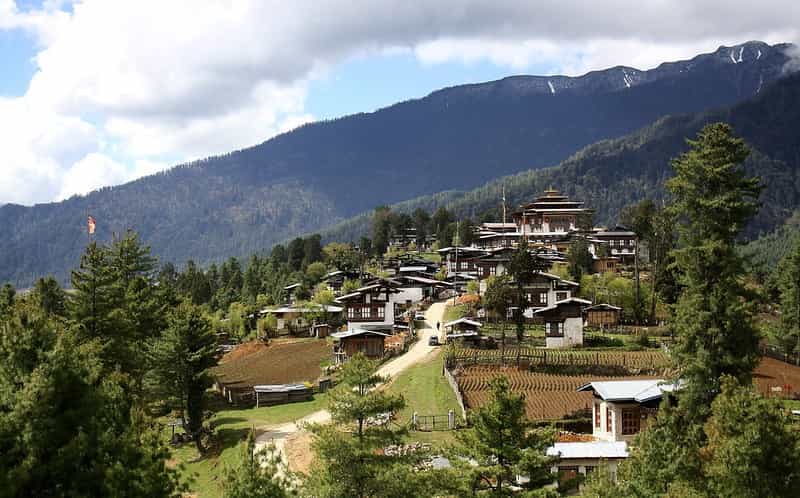
- Cultural visits in adjacent villages outside the reserve to learn about local mountain livelihoods
Best Time to Visit
Late spring to early autumn (April–October) — when trails are most accessible and weather is milder. Winters are harsh and heavily snowbound; many high passes are impassable.
Weather Conditions
High‑altitude, variable mountain weather. Expect cool to cold temperatures even in summer, possible afternoon storms, and freezing conditions at night and above tree line. Rapid weather changes are common.
Accessibility
The reserve is remote. The usual gateway for international visitors to western Bhutan is Paro International Airport. Overland approaches typically start from Paro or nearby districts and involve long roads followed by multi‑day trekking. Visits require pre‑arranged logistics, a licensed Bhutanese guide, and official permits. Expect limited or no on‑site facilities.
Recommended Duration
A visit that includes approach and a short trek generally requires 3–10 days depending on the chosen route and permit conditions. Research or extended wilderness expeditions will require longer stays and detailed planning.
Clothing & Gear Tips
Bring layered warm clothing, a windproof/waterproof outer shell, insulated sleeping bag rated for cold nights, sturdy high‑altitude trekking boots, gaiters, sun protection (sunglasses, SPF), and trekking poles. Altitude medication and adequate acclimatization planning are recommended.
Local Food & Souvenirs
Food options in remote zones are basic; expect local Bhutanese dishes such as ema datshi (chilies and cheese), buckwheat pancakes, and yak‑based dairy in higher settlements. For souvenirs, purchase handwoven textiles, local handicrafts, and traditional Bhutanese goods from towns outside the reserve (support local communities).