Trashigang, Bhutan
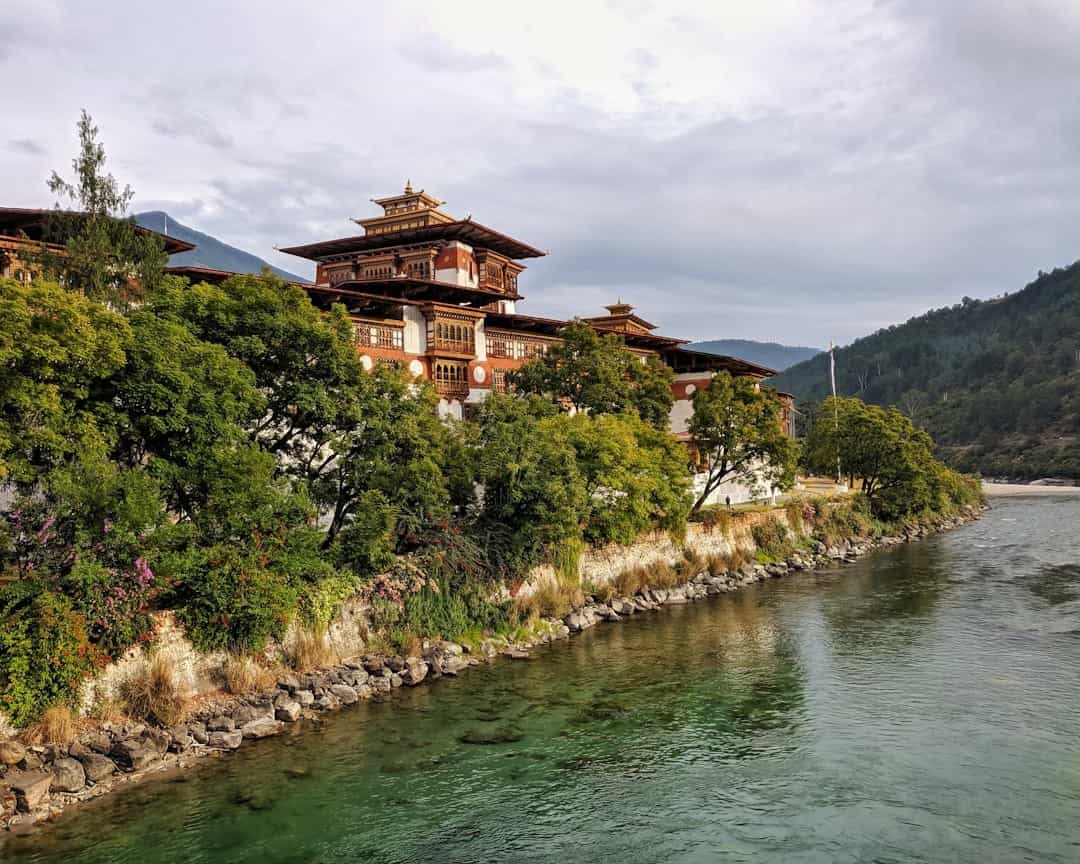
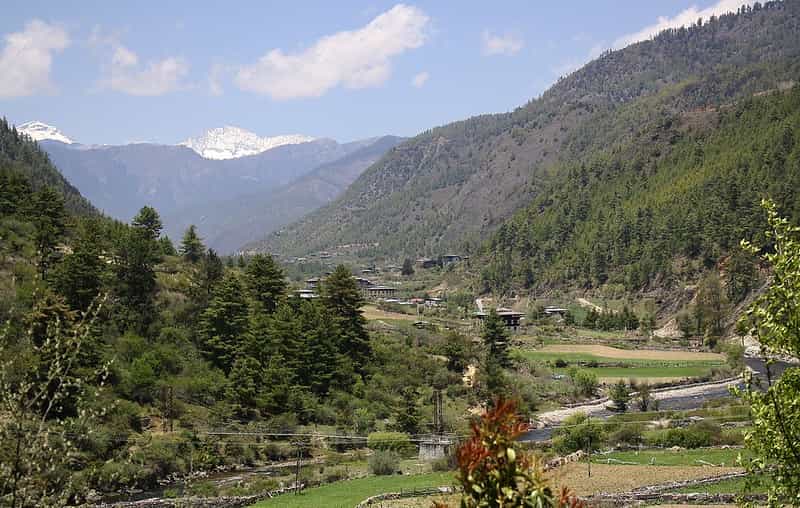
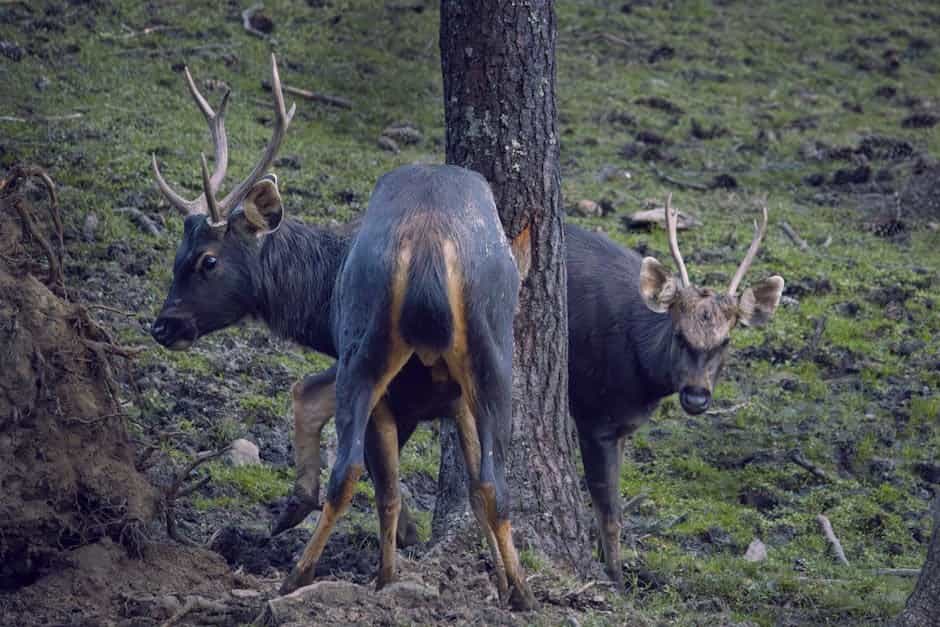
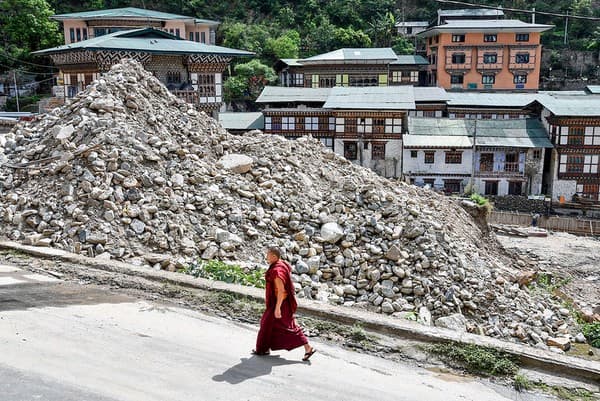
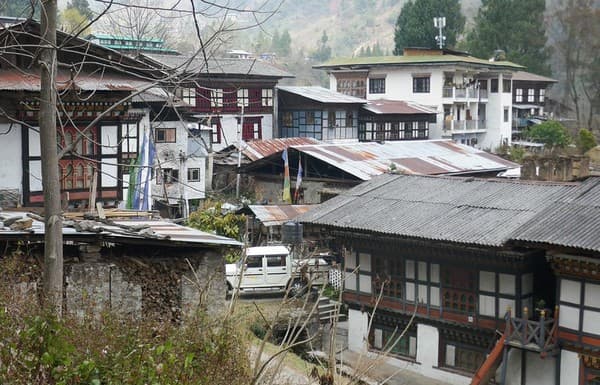
Trashigang is the administrative and cultural heart of eastern Bhutan. Perched on a ridge above the Drangme Chhu valley, the town and its surrounding dzongkhag (district) serve as a regional center for government, trade and traditional culture in eastern Bhutan. The area is known for its rich Sharchop (eastern Bhutanese) heritage, traditional weaving, and the presence of important Buddhist monasteries and dzongs that anchor local religious life. Natural importance comes from its position in the eastern Himalaya, offering scenic ridges, river valleys and access to diverse flora and fauna characteristic of Bhutan's eastern forests.
Last updated: 16 Jan 2026
Places to visit
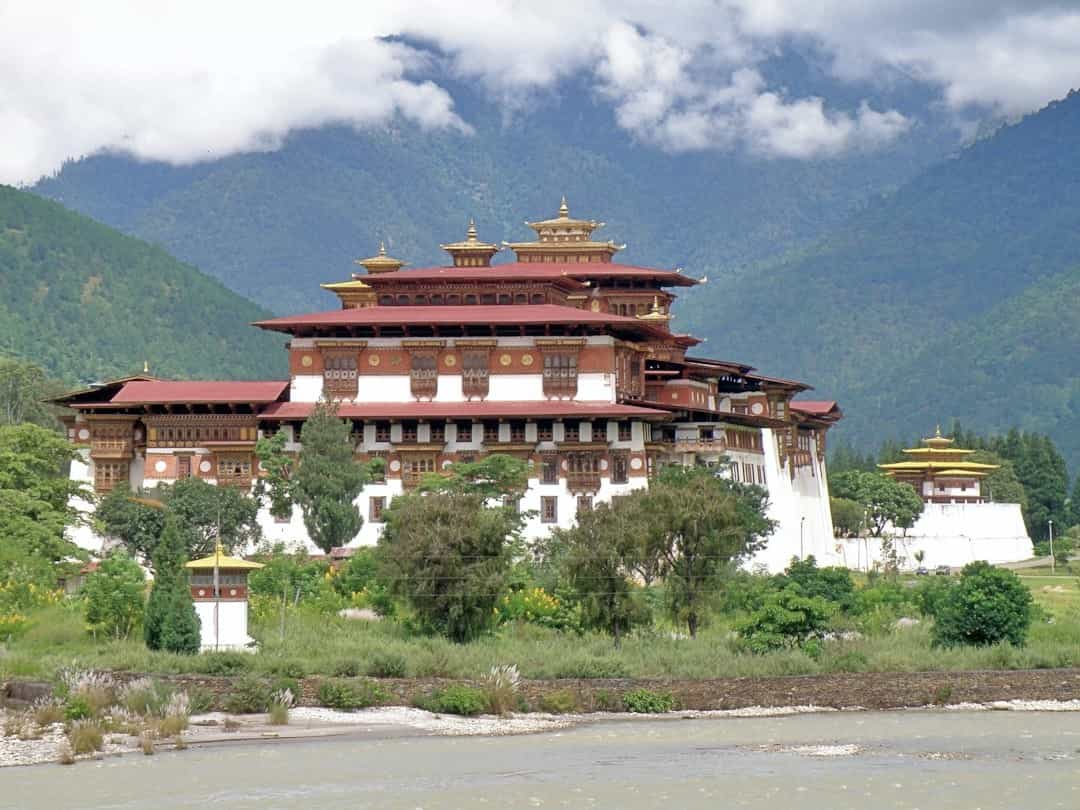
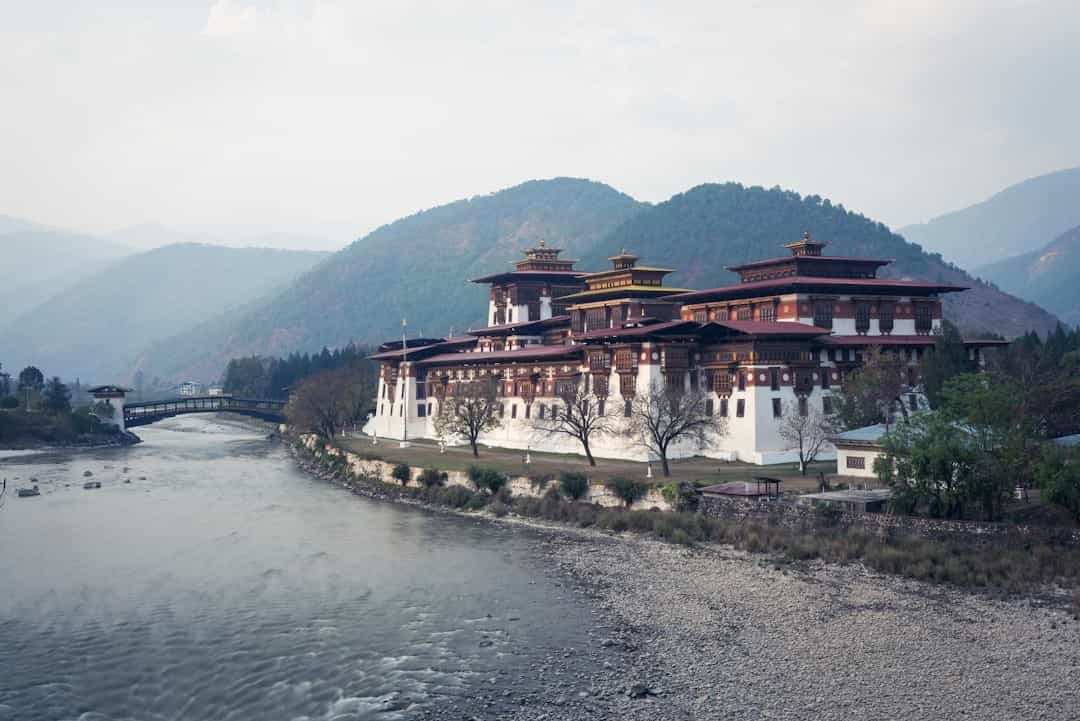
- Trashigang Dzong (historic fortress and administrative complex)
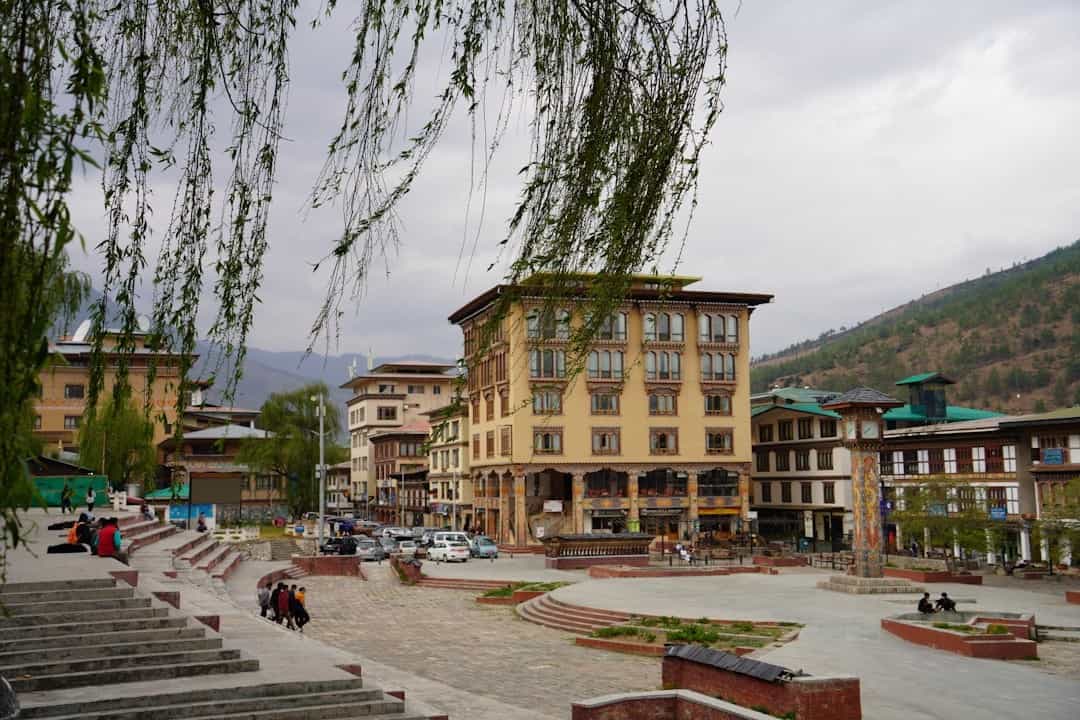
- Trashigang town market and local bazaars
- Traditional weaving villages nearby (notably Radhi and other eastern weaving communities)
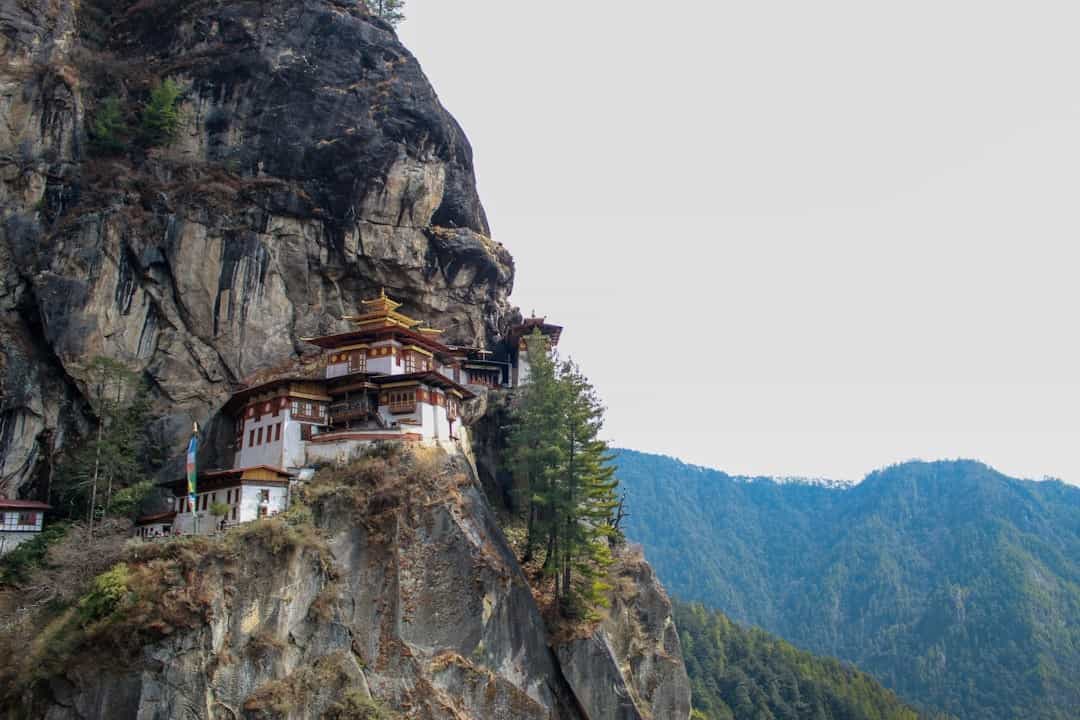
- Nearby monasteries and small local temples
- Scenic ridge viewpoints and short day-hikes into surrounding valleys
Unique Aspects
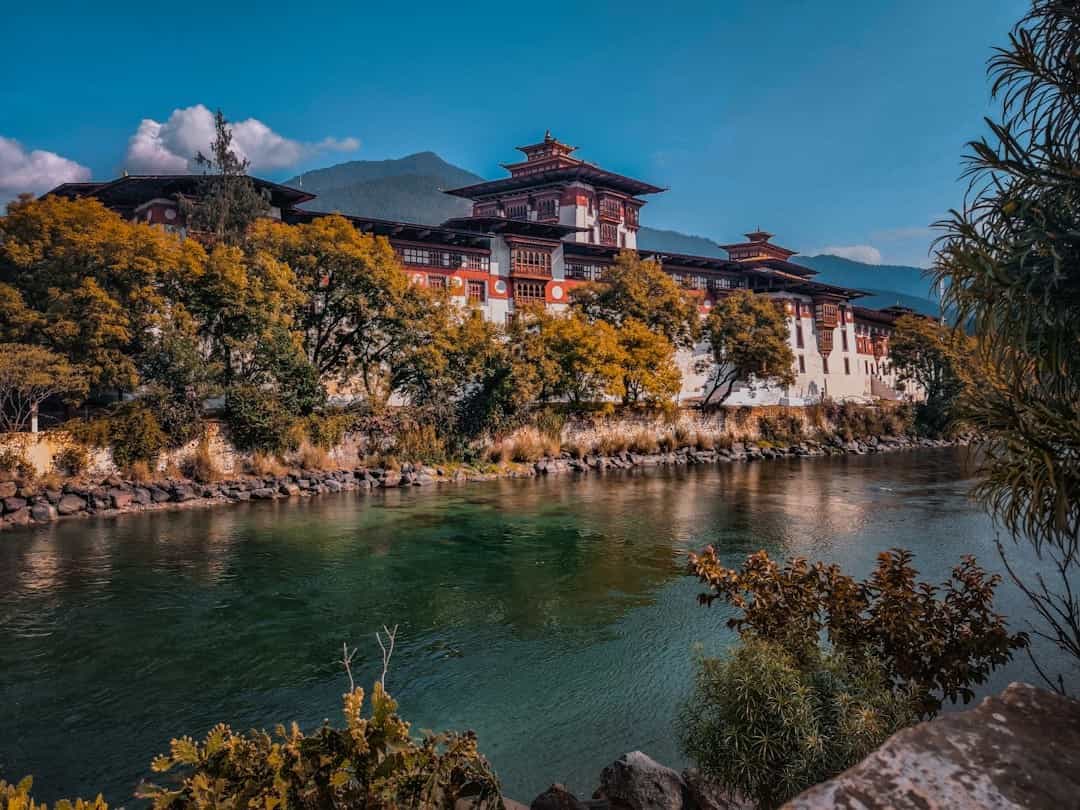
- The dramatic ridge-top setting of the dzong overlooking the valley
- Distinctive eastern Bhutanese textiles and hand-weaving traditions
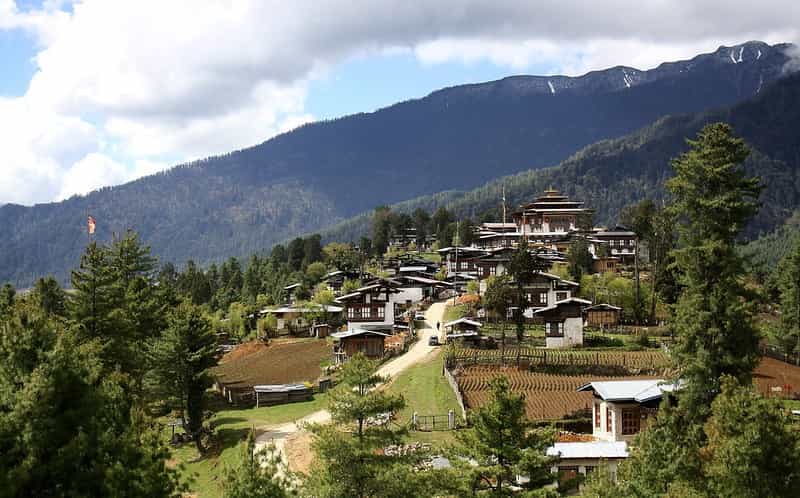
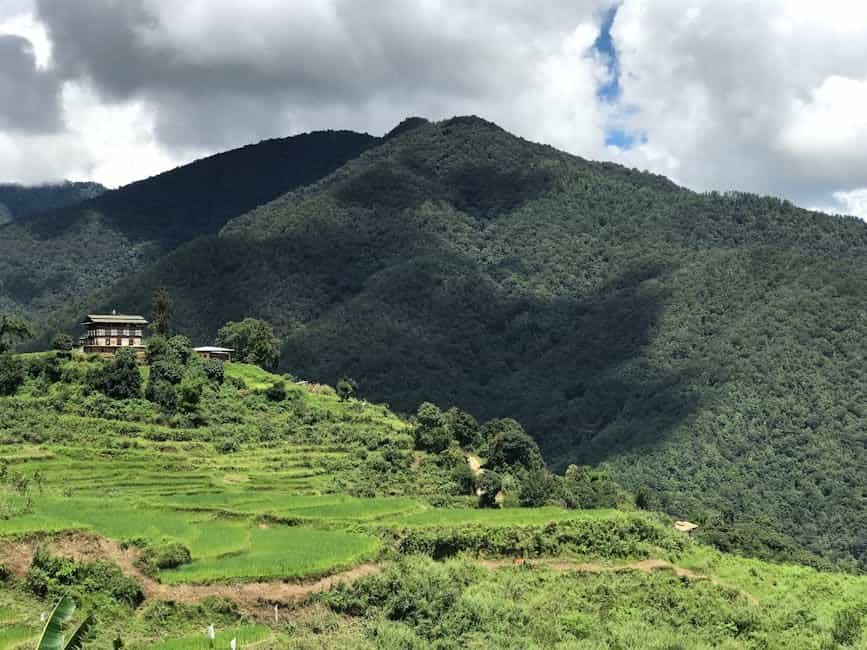
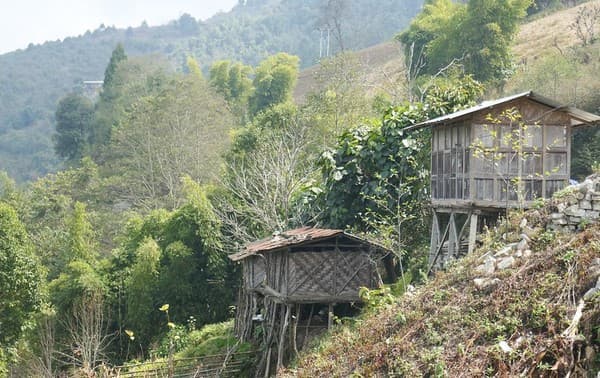
- A mix of cultural and natural landscapes — terraced fields, river valleys and broad Himalayan views
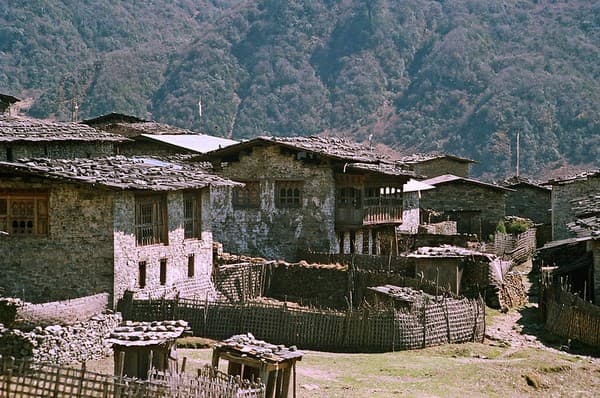
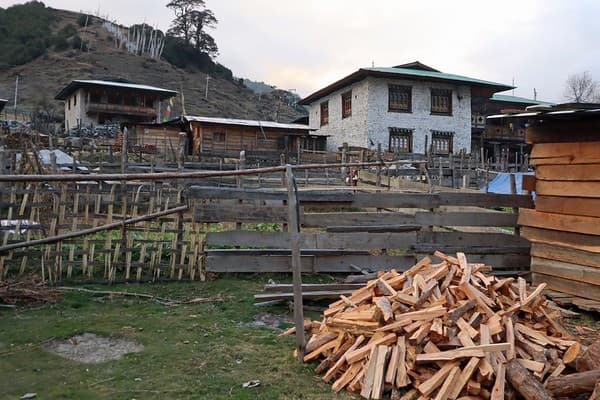
- Opportunities for authentic homestays and village visits away from mass tourism
Things to do
- Explore Trashigang Dzong and observe monastic architecture (respectful dress and behavior required)
- Shop at the town market for local produce, textiles and handicrafts
- Visit weaving villages to see traditional looms and buy handwoven fabrics
- Take day hikes to nearby viewpoints and villages for panoramic scenery
- Attend a local tshechu (festival) if visiting during festival season; enjoy mask dances and rituals
- Participate in homestays or community-guided walks to experience everyday rural life
Festivals & Events
- Trashigang Tshechu (annual religious festival celebrated at the dzong) — a highlight for visitors interested in Bhutanese ritual dance and culture
- Local markets and seasonal agricultural fairs (timing varies with the agricultural calendar)
Best Time to Visit
Spring (March–May) and autumn (September–November) for stable weather, clear views and festival season. Avoid the core monsoon months (June–August) if you prefer drier travel conditions.
Weather Conditions
Temperate to cool mountain climate: warm days in lower valley areas, noticeably cooler evenings and higher elevations. The monsoon brings heavy rain in summer; winters can be chilly with crisp, clear skies.
Accessibility
Trashigang is accessible by road via Bhutan’s east–west highway (Lateral Road); travel by bus or private vehicle from other towns in Bhutan is common but can be long due to mountain roads. There is a small domestic airport at Yonphula (near Trashigang) with limited flights; schedules vary seasonally — confirm with Drukair/airline or local operators. Roads in the region can be winding and subject to weather-related delays.
Recommended Duration
Allow 2–3 full days in Trashigang to visit the town, dzong, nearby weaving villages and take a day-hike. Add more time if you plan multi-day treks or extensive village visits.
Clothing & Gear Tips
Pack layers for changing mountain weather, a warm jacket for evenings, sturdy walking shoes, and a waterproof layer during the monsoon. Bring sun protection and a small first-aid kit.
Local Food & Souvenirs
Try eastern Bhutanese variations of national dishes such as ema datshi (chili and cheese), local rice and yak or beef dishes where available, and butter tea. Top souvenirs include handwoven textiles and scarves from Radhi and other weaving communities, traditional jewelry and small wooden crafts. When purchasing textiles, ask about the weave and its local significance.