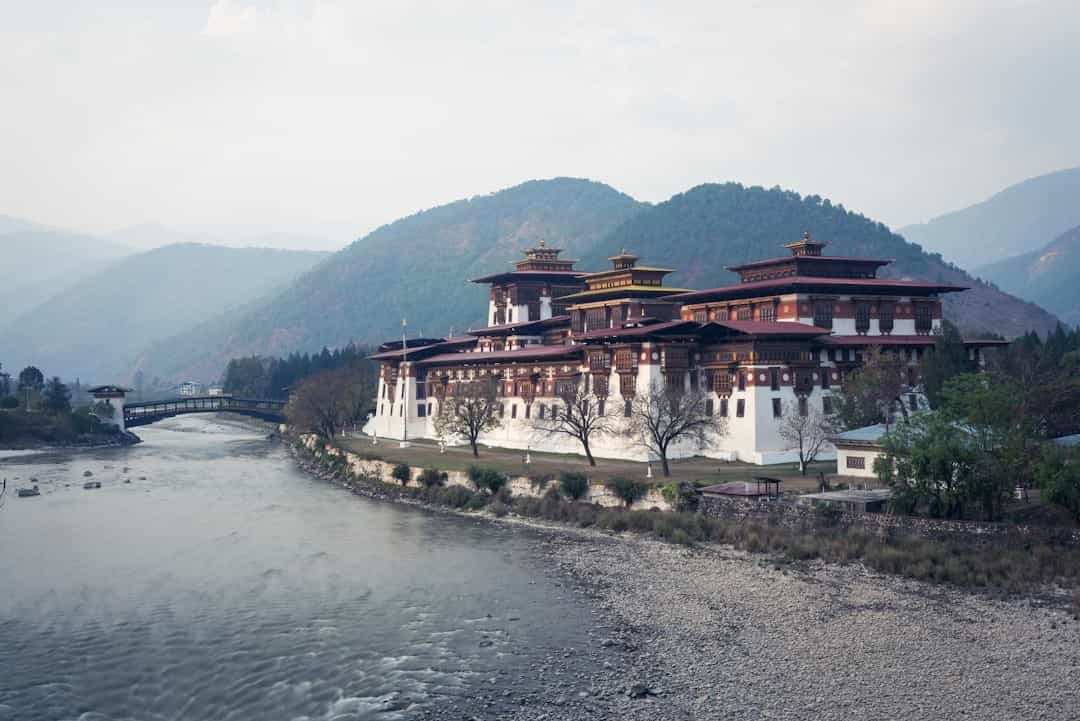
Trashigang Dzong, Bhutan
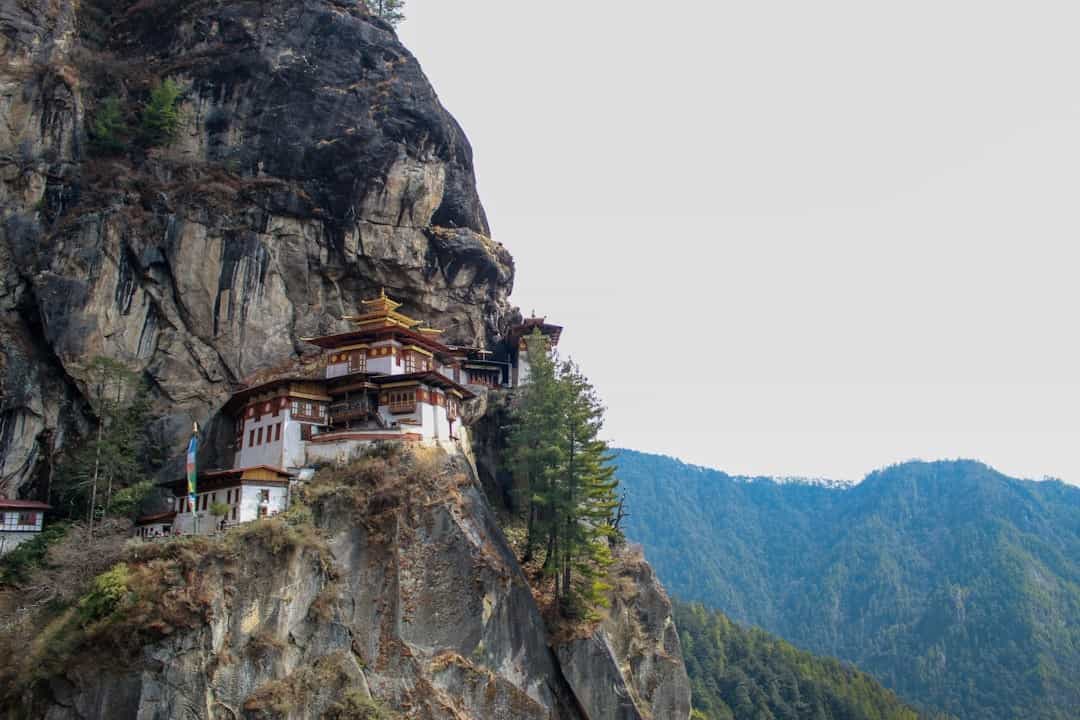
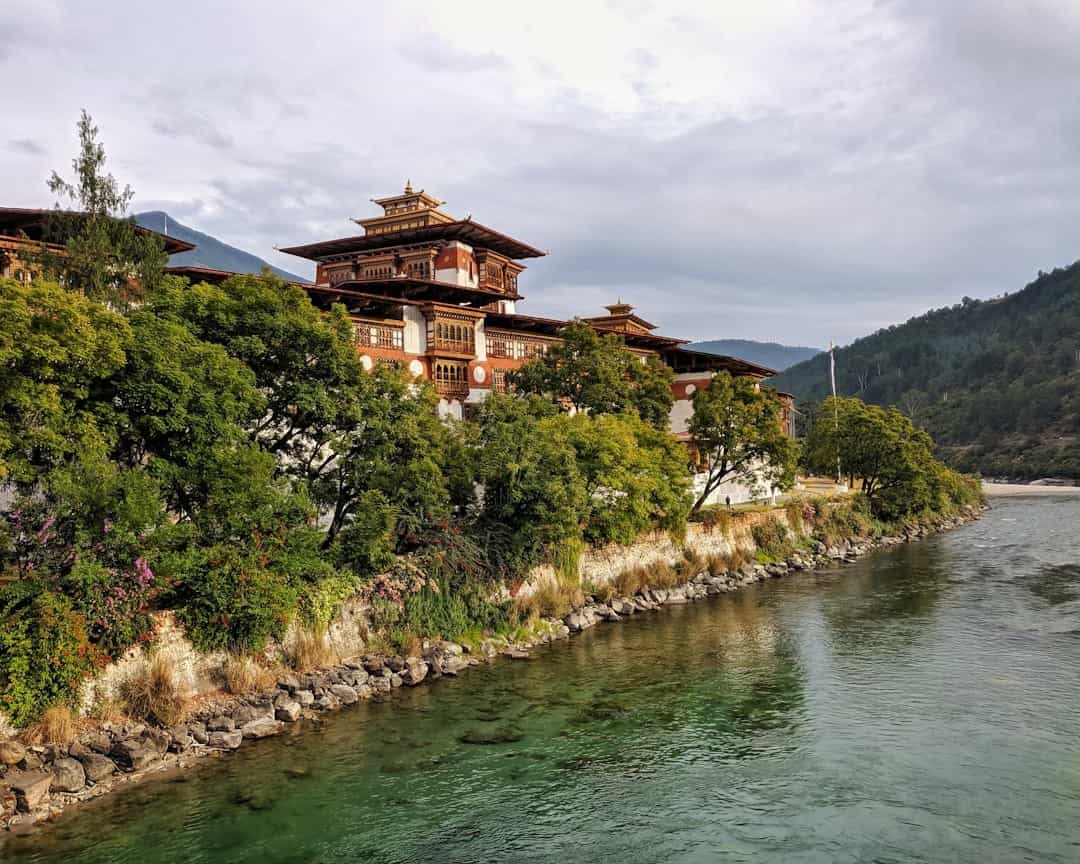
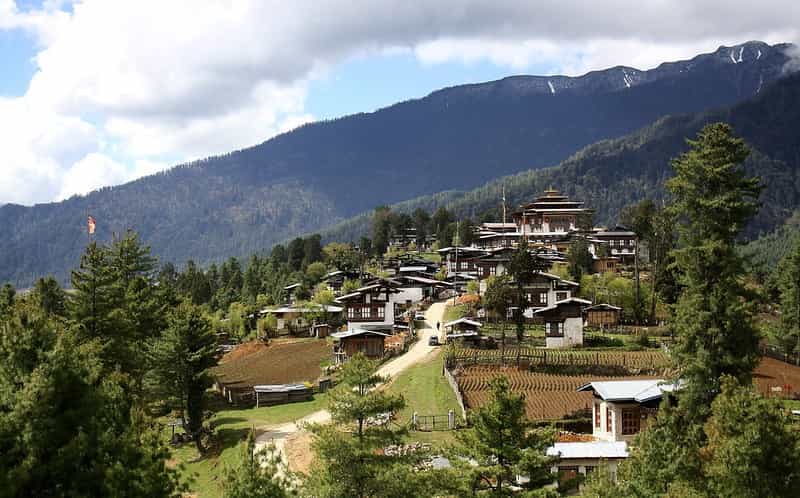
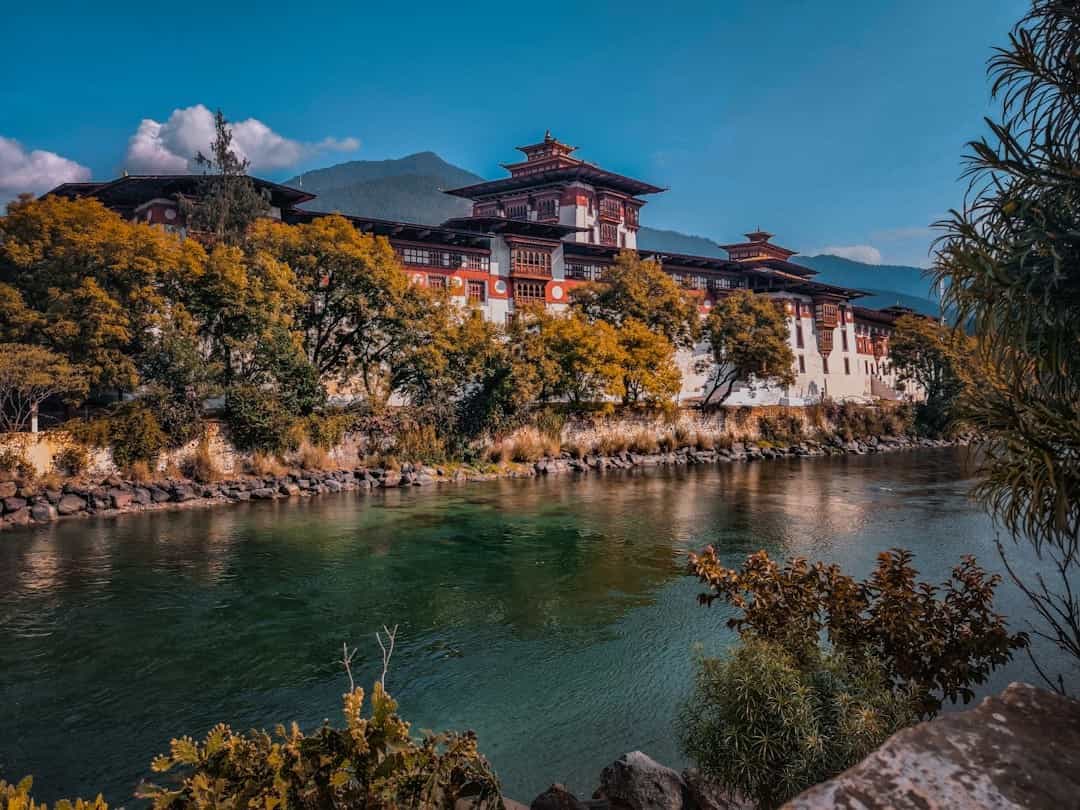
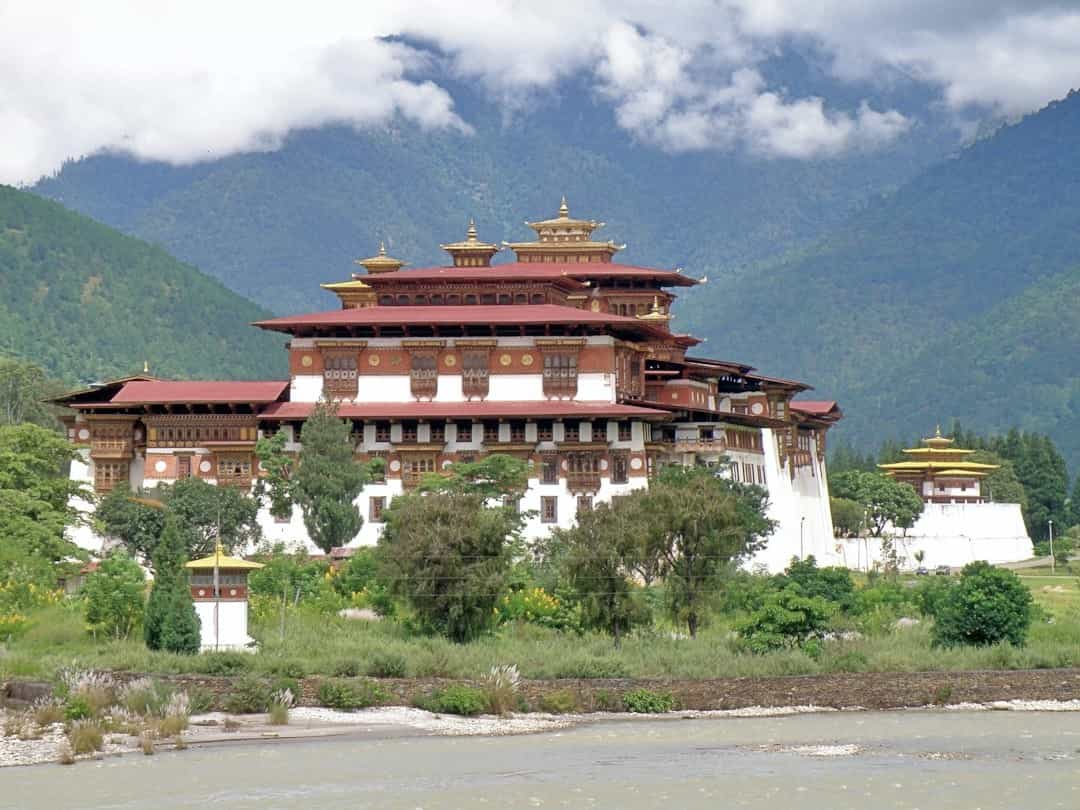
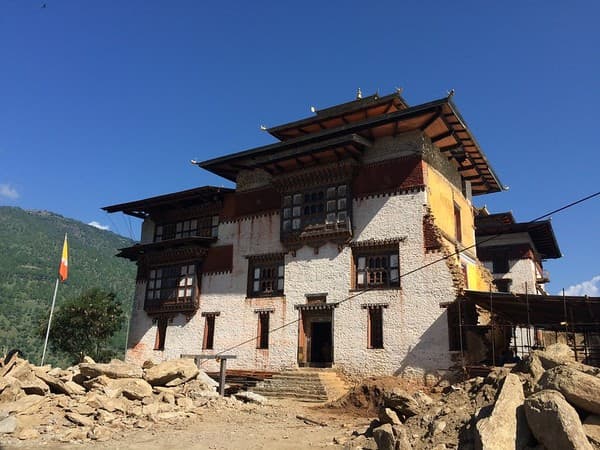
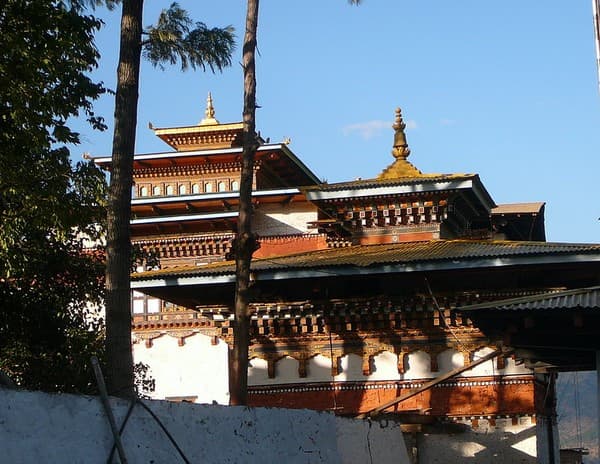
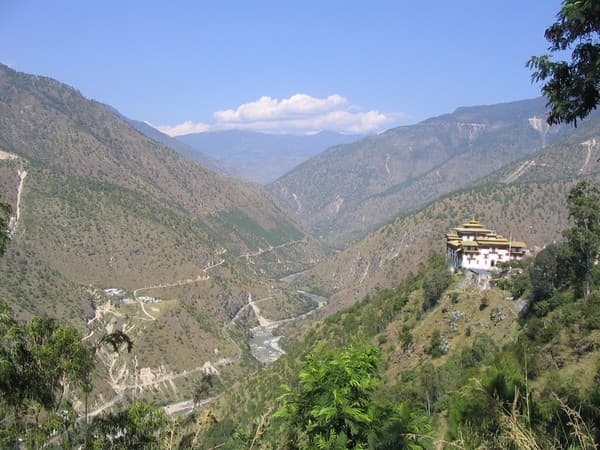
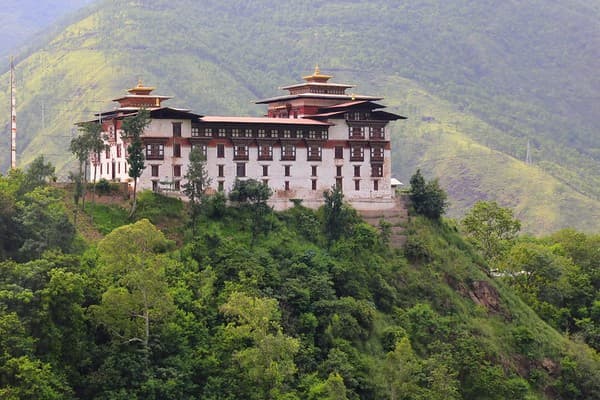
Trashigang Dzong (literally the Fortress of the Auspicious Hill) is a mid-17th‑century dzong that has served as the administrative, religious and strategic center of eastern Bhutan for centuries. Perched dramatically on a ridge above the Drangme Chhu valley, it exemplifies classic Bhutanese dzong architecture — massive whitewashed walls, inward-sloping stone foundations and intricately carved timberwork — and remains an active seat for the local monastic community and district administration.
Last updated: 16 Jan 2026
Places to visit
- Dzong exterior and ramparts — the cliff-top view and imposing fortress façade
- Central utse (tower) and temple courtyards — core religious spaces with murals and altars
- Monastic quarters and assembly halls — insight into Bhutanese monastic life
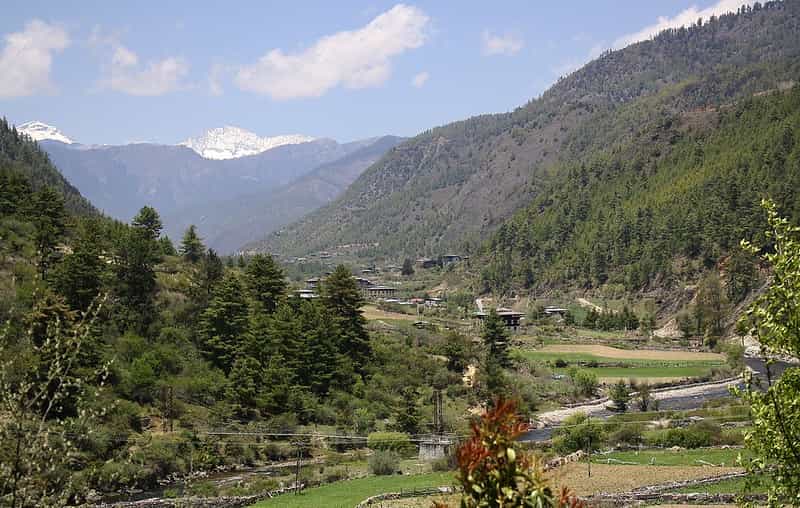
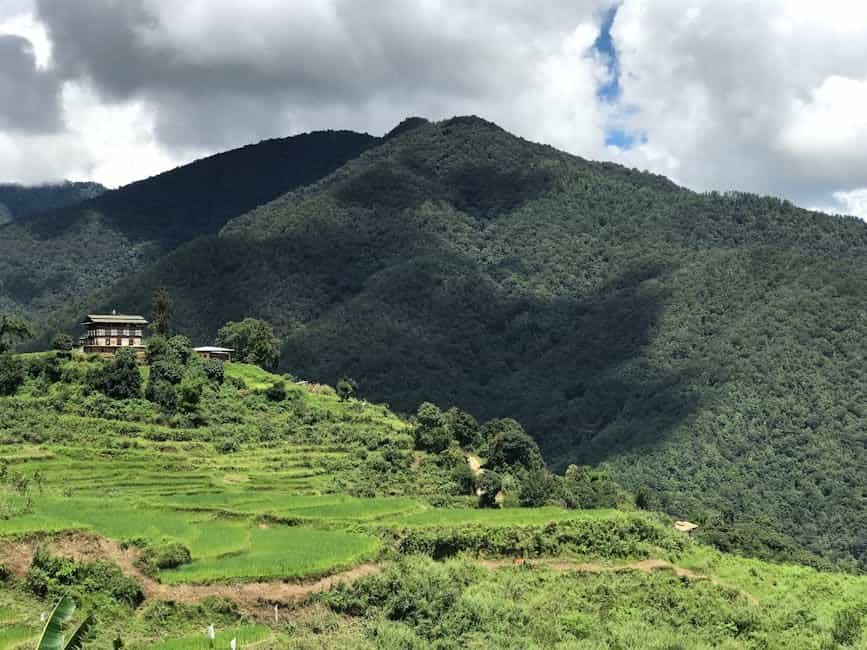
- Panoramic viewpoints over the Drangme Chhu valley — excellent photo opportunities
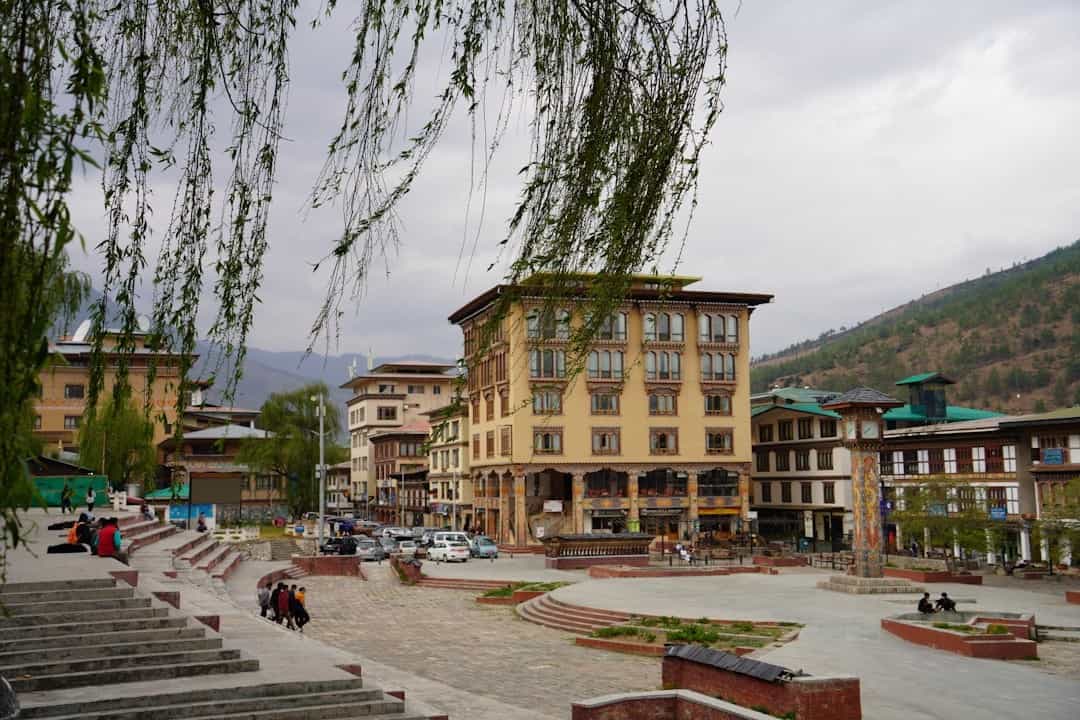
- Nearby town market and traditional streets — local crafts and daily life
Unique Aspects
- Dramatic cliff-top siting offering sweeping valley views
- Traditional Bhutanese timber architecture, painted murals and carved details
- Active religious life — regular pujas and monastic routines
- Close connection to local culture: festivals, mask dances and community gatherings
Things to do
- Guided or self-guided viewing of the dzong exterior and courtyard areas (interior access can be restricted)
- Attend religious services or observe monastic life when permitted
- Photography of architecture and valley panoramas (respect signs and monks)
- Walk to nearby viewpoints and explore Trashigang town’s markets
- Join local tours that explain history, art and daily administration in the dzong
Best Time to Visit
Spring (March–May) and Autumn (September–November) for clear skies, moderate temperatures and festival timing; avoid the heavy monsoon months (June–August) if possible.
Weather Conditions
Temperate to cool climate. Summers are warm and wet during the monsoon; nights can be chilly, especially outside peak summer months. Dress in layers to adapt to sun and cool breezes.
Entry Fees & Permits
The dzong functions as both a monastery and government office; public access varies. There is no widely advertised fixed entrance fee, but visitors may be asked for a small donation to the temple or monastery. Opening times are generally during daylight hours, but parts of the dzong may be closed during official business or religious events — always check locally or travel with a licensed guide.
Accessibility
Accessible by road via the east–west Lateral Road; Trashigang is one of eastern Bhutan’s main towns. The nearest domestic airport is Yonphula Airport (short drive from Trashigang) — subject to flight schedules. Long-distance buses, shared taxis and private hires connect Trashigang with other Bhutanese towns. The dzong’s steep approach and many steps make it unsuitable for travelers requiring wheelchair access.
Recommended Duration
Plan 1–3 hours to visit the dzong itself (exterior, courtyards and viewpoints). Allow 1–2 days to explore Trashigang town, markets and to time a festival visit.
Clothing & Gear Tips
Modest clothing that covers shoulders and knees for temple respect; layers for temperature swings; comfortable walking shoes for uneven steps and paths; sun protection and a light rain shell in monsoon season.
Local Food & Souvenirs
Try local Bhutanese dishes such as ema datshi (chili and cheese), local buckwheat specialties, momo dumplings and butter tea. Souvenirs to look for include hand‑woven textiles (kira and gho fabric, yak-wool items), prayer flags, wooden handicrafts and local artisanal goods from the Trashigang market.