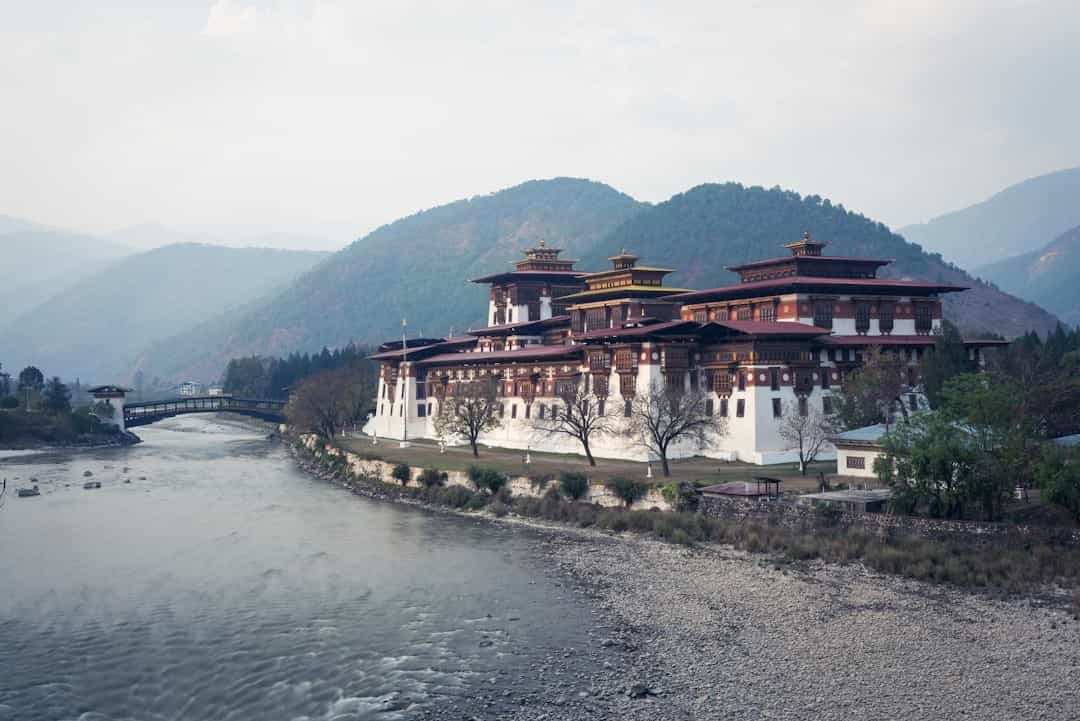
Wangdue Phodrang Dzong, Bhutan
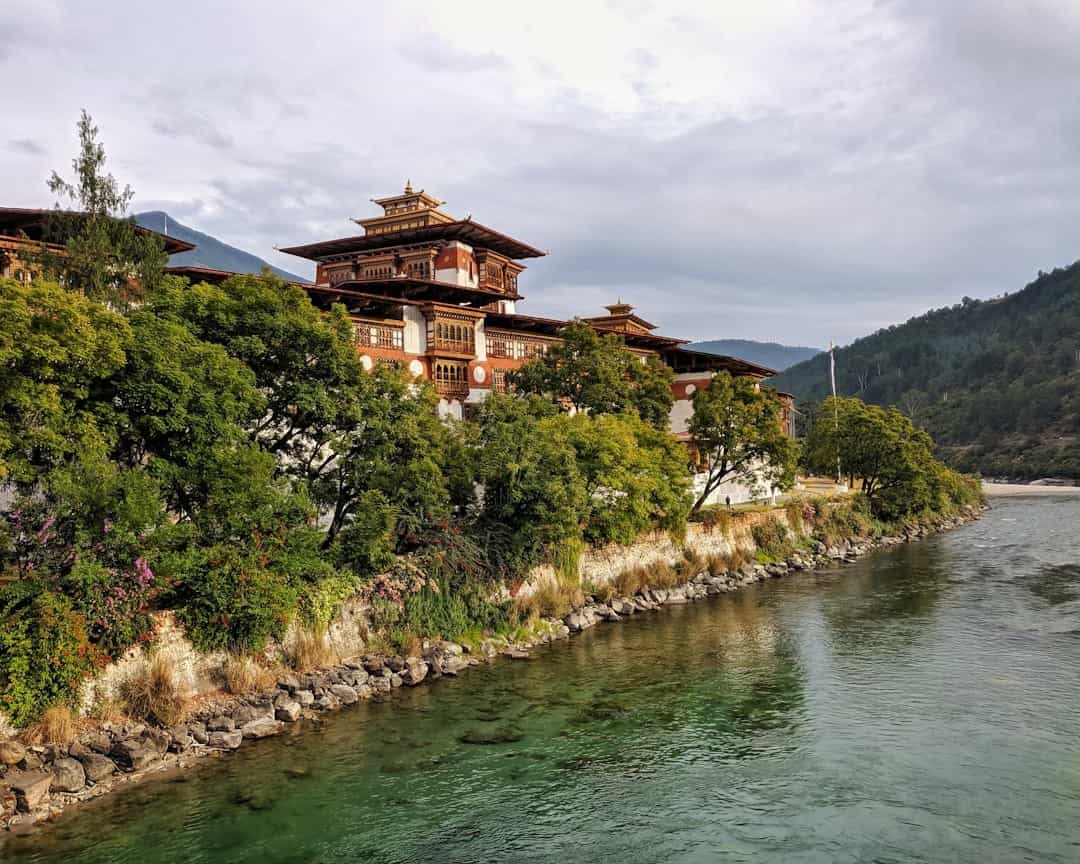
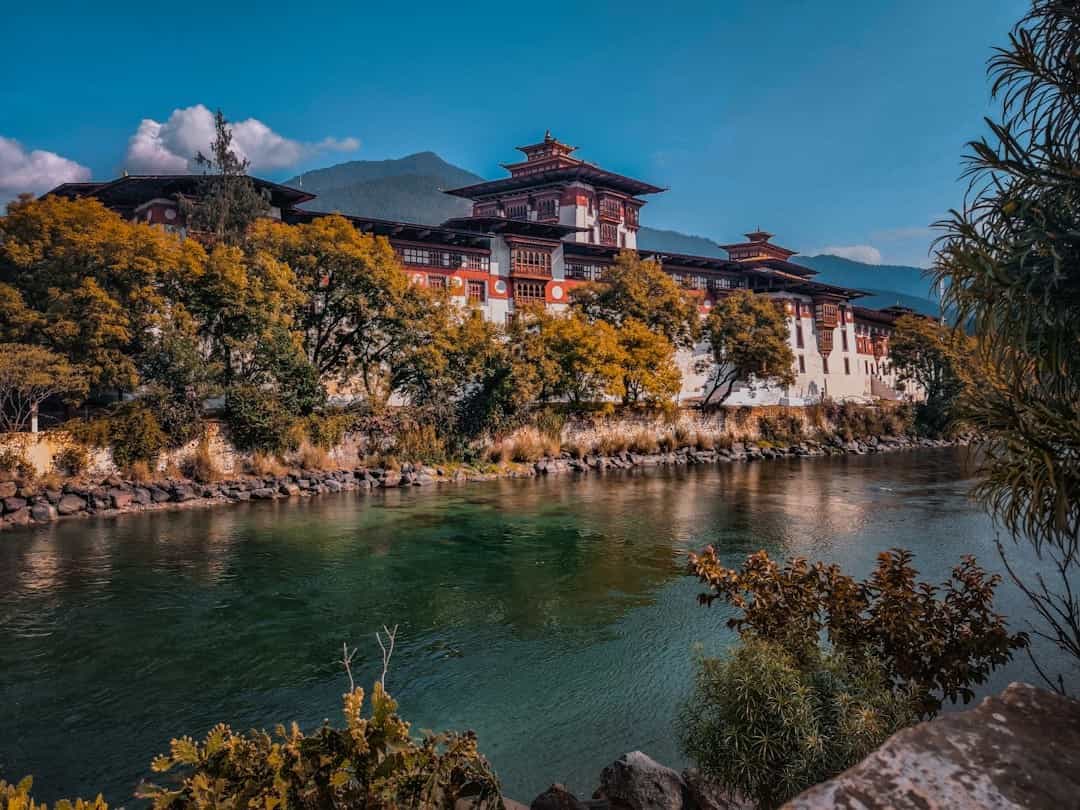
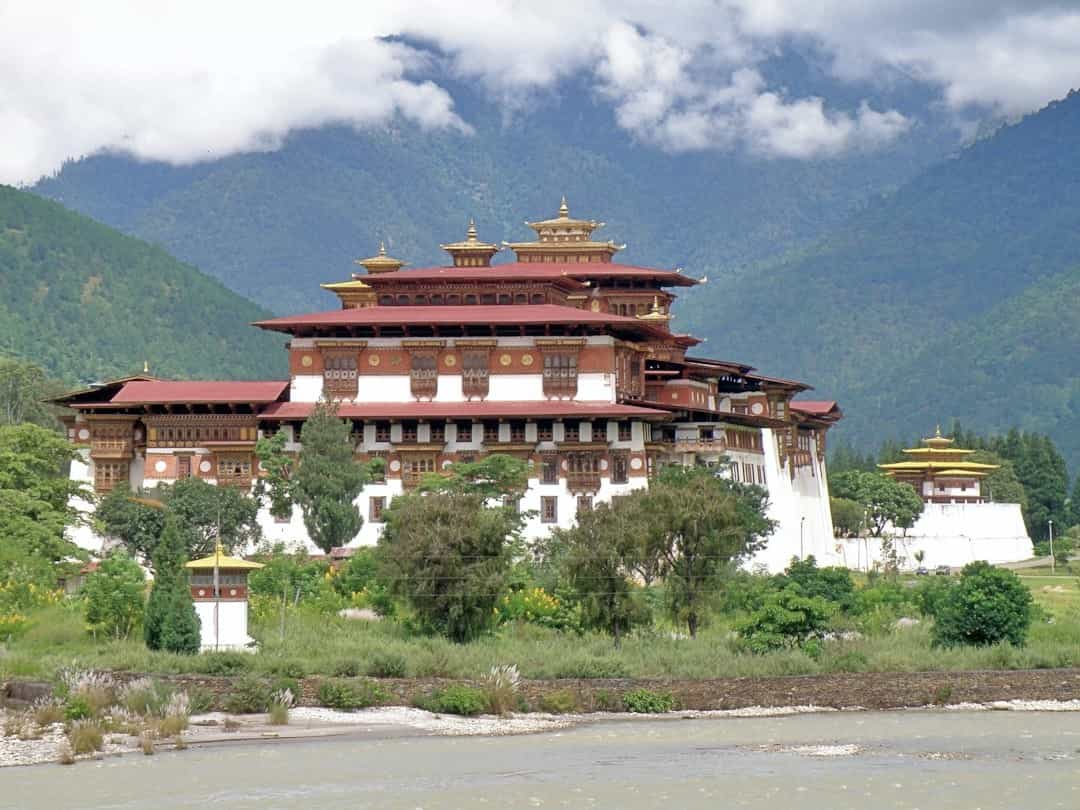
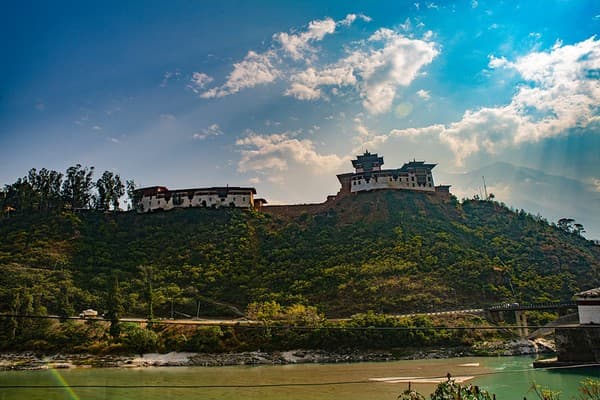
Founded in the 17th century by Zhabdrung Ngawang Namgyal, Wangdue Phodrang Dzong has been a key administrative and religious centre in central Bhutan. Perched above the confluence of the Punatsangchhu and Tang rivers, the dzong historically controlled east–west trade and travel routes and served as the ruling seat of the Wangdue Phodrang district (dzongkhag). The site is important for its traditional Bhutanese fortress architecture (massive stone-and-timber construction, courtyards and an impressive utse or central tower) and for its role in regional governance, monastic life and ceremonies.
Last updated: 16 Jan 2026
Places to visit
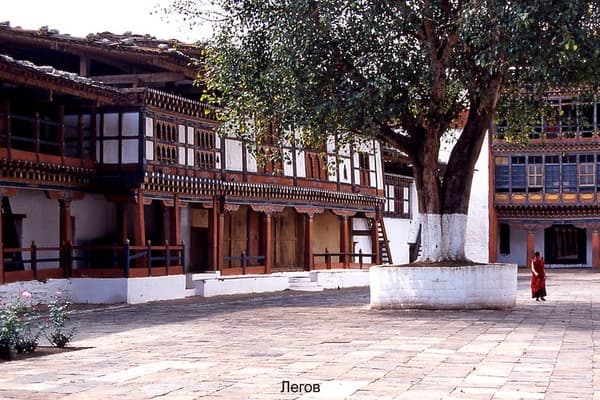
- The Dzong complex itself — courtyards, temples and administrative buildings (note: heavily affected by the 2012 fire and currently restored/rebuilt in phases)
- The utse (central tower) and the main assembly halls (temporal access may vary during restoration)
- Traditional murals, religious thangkas and ritual masks (many items were moved or saved during restoration efforts)
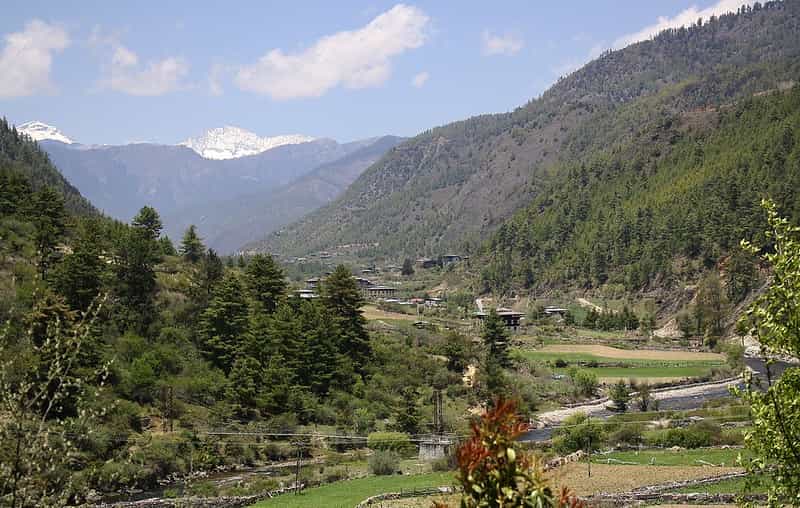
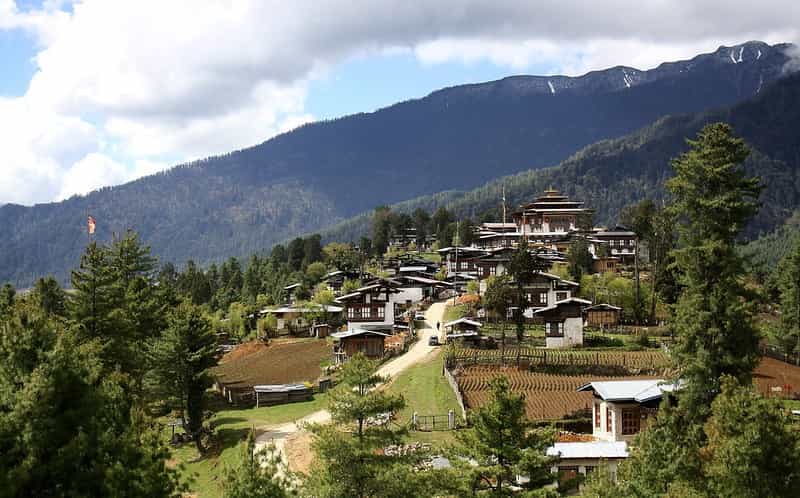
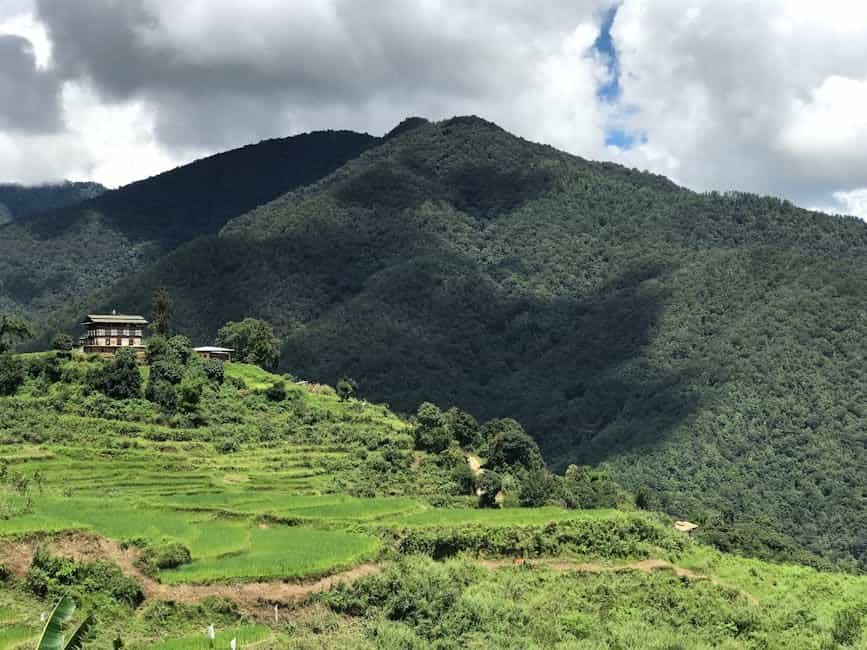
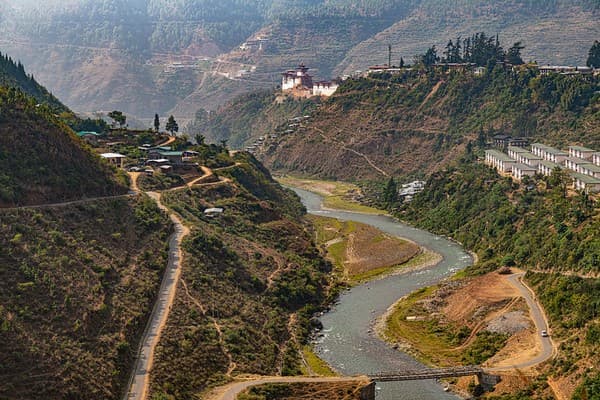
- Spectacular views over the Punatsangchhu valley and surrounding foothills
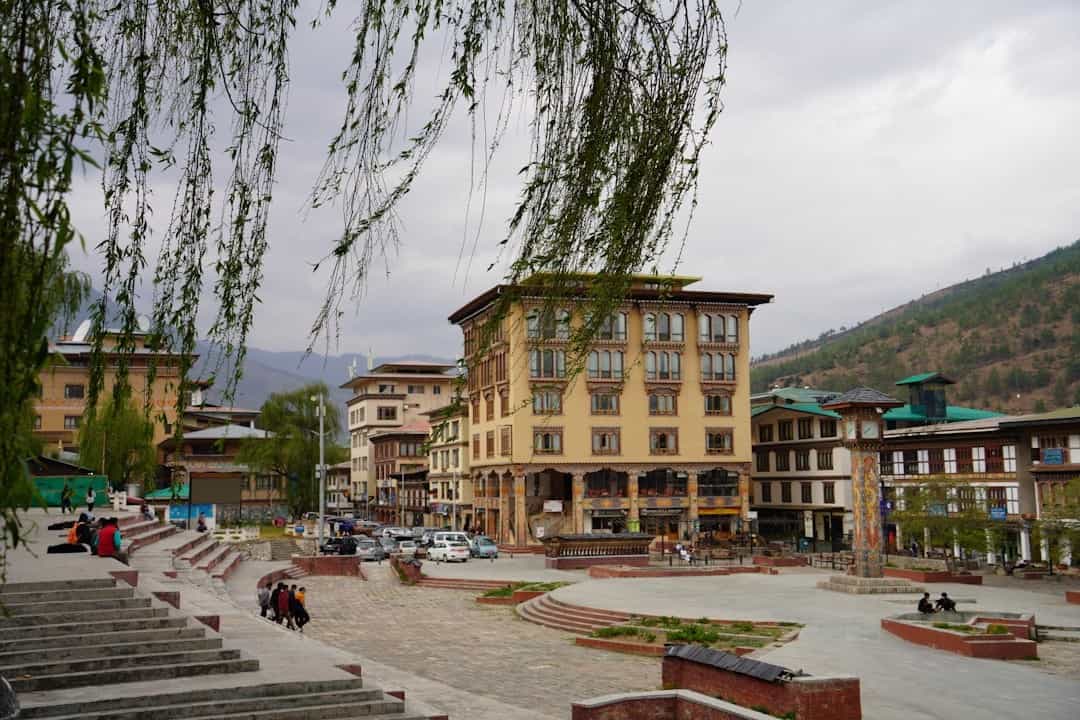
- Wangdue town market and local streets — good for experiencing everyday Bhutanese life
Unique Aspects
- Strategic hilltop siting at the confluence of two rivers, offering strong panoramic views
- Classic Bhutanese dzong architecture — massive whitewashed walls, timber galleries and ornamented roofs
- 2012 fire and restoration: a defining recent chapter in the dzong’s history; reconstruction follows traditional techniques with modern safety improvements
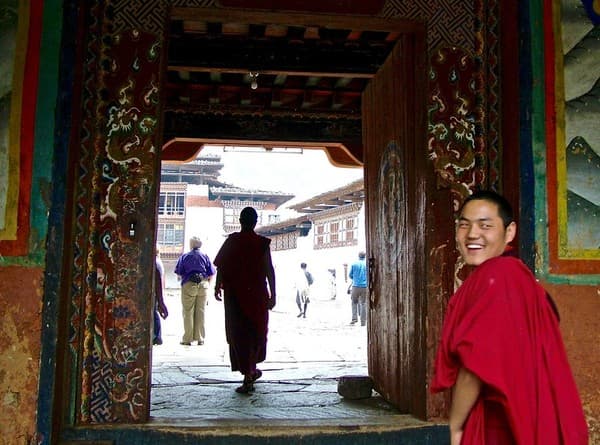
- Close contact with monastic life when the dzong is open — ceremonies, clockwork of daily rituals
Things to do
- Guided visit of the dzong (availability and internal access depend on restoration status and religious schedules)
- Photography of the exterior and valley views (respect rules about photographing inside sacred spaces)
- Attend or observe religious services and rituals if permitted
- Short walks around the hill and nearby village streets to experience local life
- Day trips combining Wangdue with Punakha (Dochu La pass en route) or Phobjikha Valley
Best Time to Visit
Spring (March–May) and Autumn (September–November) for clear skies, comfortable temperatures and many regional festivals. Shoulder seasons can also work, but expect more rain during the summer monsoon (June–August).
Weather Conditions
Temperate valley climate: warmish days in summer, cool to cold nights in winter. Monsoon (Jun–Aug) brings heavy rain and occasional road disruptions. Elevation and microclimates mean temperatures can change quickly — bring layers.
Entry Fees & Permits
Access rules vary. Visitors are generally allowed to view the dzong from the outside and enter during official visiting hours when permitted; photography inside sacred areas is often restricted. There is no separate universal ‘dzong entry fee’ administered nationally, but all foreign visitors must travel to Bhutan on a licensed tour or government-authorised plan that includes the country’s Sustainable Development Fee/Package rates. Always check current opening times with local tourism offices or your guide.
Accessibility
Nearest international airport: Paro (approx. 2–3 hours' drive depending on road and weather conditions). Thimphu is about 1.5–2 hours by road. Regular road connections link Wangdue with Punakha and central Bhutan; roads can be narrow and subject to landslides during monsoon. Local taxis and tour vehicles are the standard way to reach the dzong.
Recommended Duration
Plan 2–4 hours to visit the dzong and immediate surroundings; allow a half-day to a full day if combining with local markets or viewpoints. For exploring the region (Punakha, Dochu La, Phobjikha), allow 1–2 days.
Clothing & Gear Tips
Wear modest clothing for visiting religious sites (shoulders and knees covered). Bring layers (temperatures vary), a waterproof jacket in the rainy season, sturdy walking shoes for uneven paths, and a hat/sun protection. Remove shoes and hats inside temples as required.
Local Food & Souvenirs
Try Bhutanese staples such as ema datshi (chili & cheese), momos and regional buckwheat dishes. Local markets sell handwoven textiles, traditional masks, wooden crafts and prayer flags — all authentic Bhutanese souvenirs. Buying from local artisans supports the community.