Al Fahidi Historical Neighborhood (Al Bastakiya), Dubai
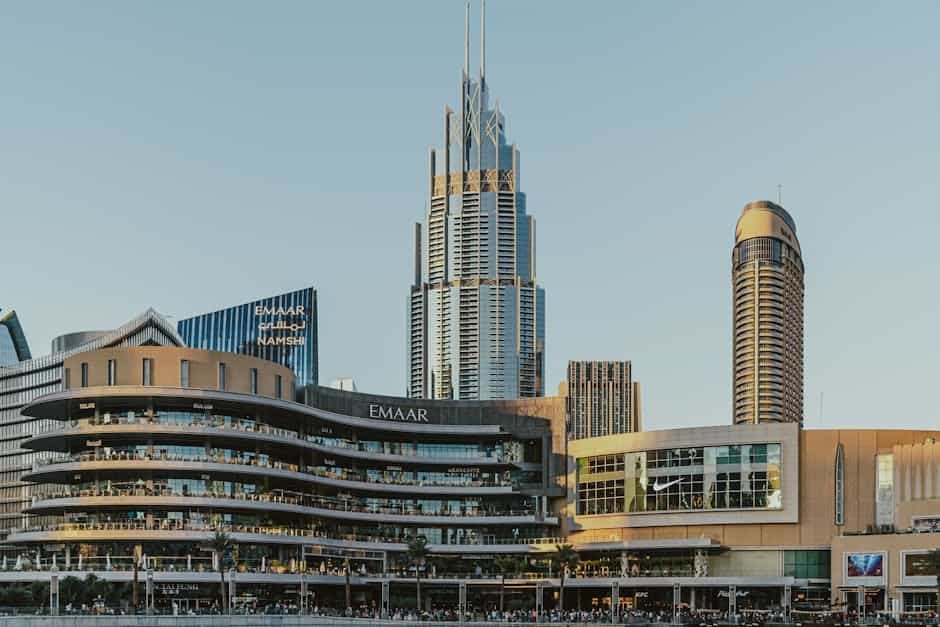
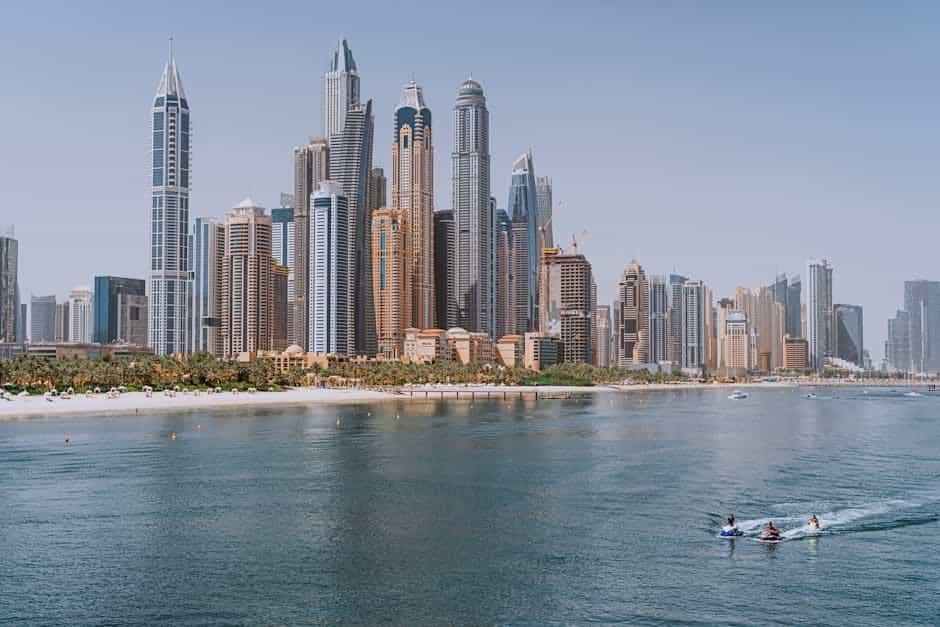
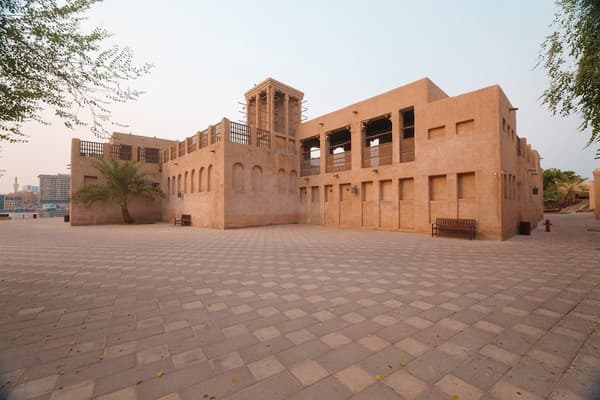
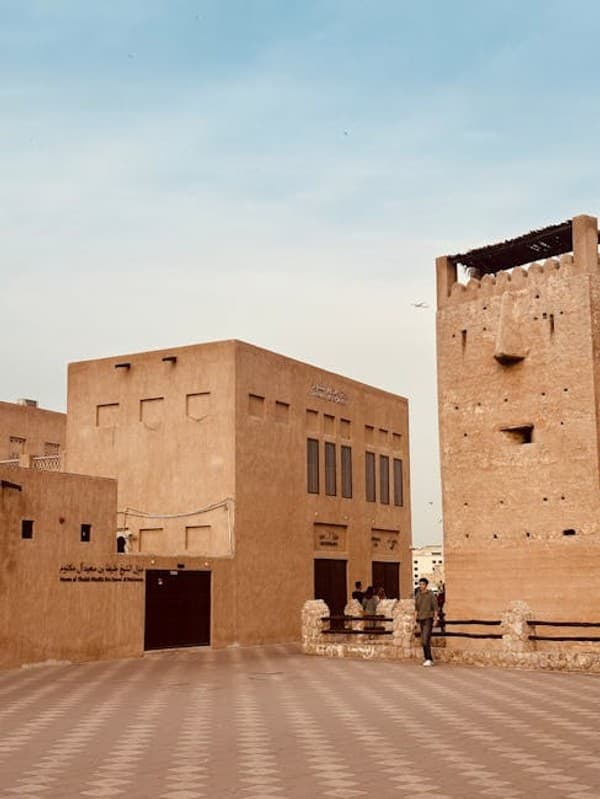
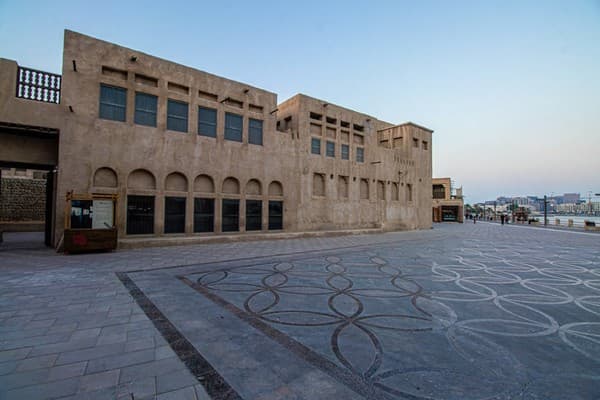
Al Fahidi Historical Neighborhood (Al Bastakiya) is one of Dubai's oldest traditional districts, dating to the late 19th century. Founded largely by Persian (Bastaki) merchants, the area preserves vernacular Gulf architecture—narrow wind-tower (barjeel) houses, courtyard homes, coral-stone walls and gypsum construction—and represents an important link to Dubai's pre-oil urban fabric and pearl-trading past. The quarter now functions as a living heritage zone and cultural hub that contrasts sharply with Dubai's modern skyline.
Last updated: 07 Jan 2026
Places to visit
- Al Fahidi Historical Neighbourhood (Al Bastakiya) — the labyrinth of restored lanes and courtyard houses
- Coffee Museum — exhibits on Arabian coffee, roasting and traditional coffee culture
- Sheikh Mohammed Centre for Cultural Understanding (SMCCU) — cultural programs, guided tours and traditional meals
- XVA Art Hotel & Gallery — contemporary Middle Eastern art in a restored heritage house
- Majlis Gallery and other small private galleries — rotating exhibitions of regional artists
- Arabian Tea House — traditional Emirati dishes and lounge-style dining in a heritage setting
Unique Aspects
- Distinctive wind-tower (barjeel) architecture used for natural cooling
- Narrow pedestrian lanes and sheltered courtyards that create atmospheric light and shadow
- Restored coral-stone and gypsum buildings with wooden latticework and carved doors
- Active cultural spaces: art galleries, small museums, workshops and community programs
Things to do
- Self-guided or guided walking tours to explore alleys, courtyards and restored homes
- Visiting the Coffee Museum and small cultural museums to learn about local traditions
- Joining a cultural breakfast or lunch at SMCCU to discuss Emirati culture with local hosts
- Gallery hopping and meeting contemporary Arab artists at XVA and Majlis Gallery
- Photography—especially of wind towers, textured walls and narrow lanes
- Attending occasional workshops (calligraphy, Arabic coffee demonstrations) and pop-up events
Best Time to Visit
October to April for comfortable temperatures; mornings and late afternoons are most pleasant for walking
Weather Conditions
Hot desert climate—very hot summers (June–September) with temperatures often exceeding 40°C/104°F; mild winters (November–March) with daytime temperatures typically 20–30°C/68–86°F
Entry Fees & Permits
The neighborhood itself is free to enter and explore. Individual attractions have their own hours and fees: the Coffee Museum and some galleries charge a small admission fee; SMCCU runs timed cultural programs that may require reservations and a participation fee. Typical opening hours for galleries and museums are roughly 10:00–18:00, but check venues individually.
Accessibility
Easily reached by taxi or public transport. Nearest metro: Al Fahidi Metro Station (Green Line) and Al Ras/Al Ghubaiba stations are within short taxi/foot distance. The area is pedestrian-first with uneven stone pavements—wheelchair access is limited in some restored lanes and buildings. Dubai International Airport (DXB) is approximately 10–15 km away (20–30 minutes by car depending on traffic).
Recommended Duration
Allow 1–3 hours for a focused visit; half a day (3–4 hours) if you plan to include a museum, a meal and gallery visits
Clothing & Gear Tips
Dress modestly (shoulders and knees covered) out of respect for local norms. Wear comfortable shoes for walking on uneven lanes, bring a hat/sunglasses, sunscreen and water—especially in hotter months.
Local Food & Souvenirs
Try traditional Emirati tea and dishes at Arabian Tea House or SMCCU meals. Souvenirs include locally made handicrafts, artisan ceramics, traditional perfumes (oud and attar), dates, and limited-run prints or artworks from the neighborhood galleries.