Dubai Creek, Dubai
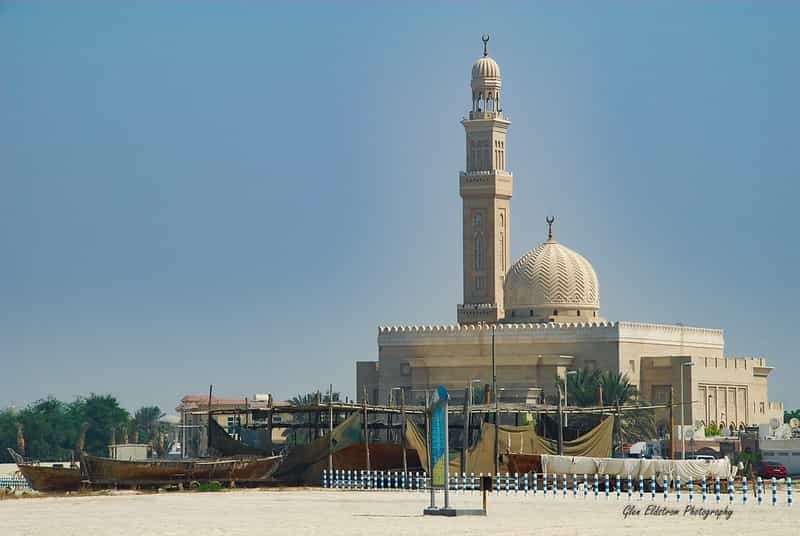
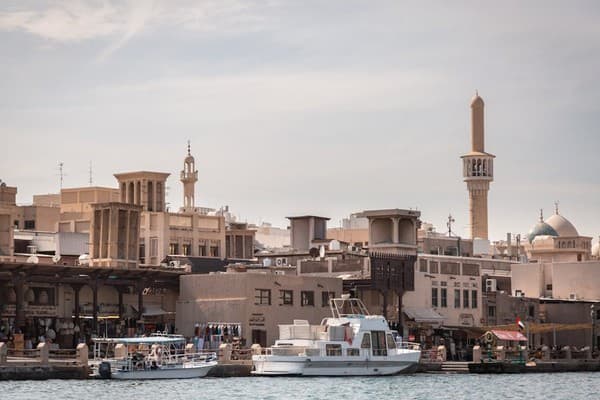
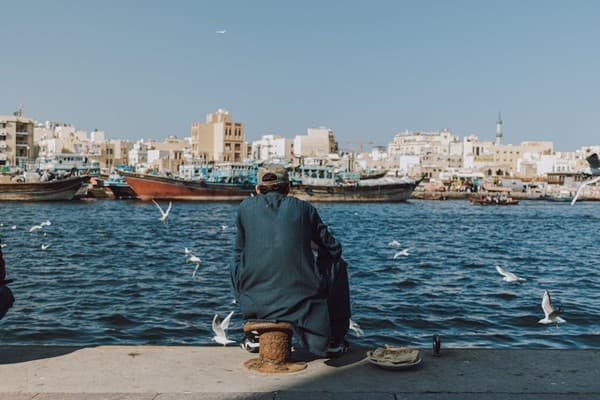
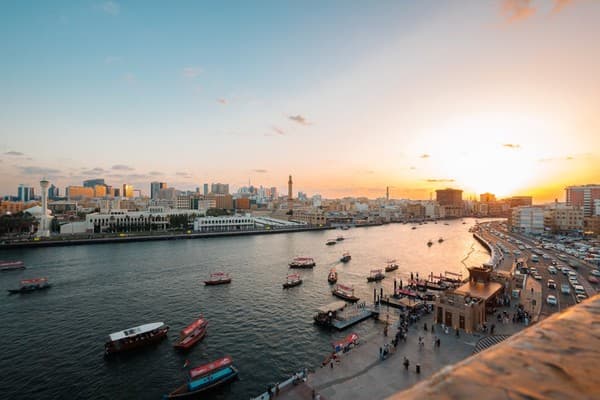
Dubai Creek is the historic heart of Dubai, a natural saltwater inlet that shaped the city's development as a trading, pearling and fishing hub. For centuries the Creek linked the Arabian Gulf to inland markets, enabling trade with India, Persia and East Africa and laying the foundations for Dubai's growth into a regional trading port. The Creek area contains important heritage sites (traditional souks, wind-tower houses, and early merchant compounds) that illustrate Dubai's pre-oil culture and urban fabric.
Last updated: 07 Jan 2026
Places to visit
- Al Fahidi Historical Neighbourhood (Al Bastakiya)
- Dubai Museum & Al Fahidi Fort
- Deira Gold Souk and Spice Souk
- Al Seef and Al Seef Promenade
- Dubai Creek Park
- Sheikh Saeed Al Maktoum House
- Dubai Creek Golf & Yacht Club
- Dhow Wharfage and Dubai Creek Harbour (development and viewpoints)
- Traditional abra (water taxi) crossings and dhow cruises
- Ras Al Khor Wildlife Sanctuary (at the Creek mouth - flamingos and birds)
Unique Aspects
- Tidal saltwater inlet dividing Bur Dubai and Deira, creating a waterfront cultural axis
- Traditional wooden dhows and abra water taxis still operating alongside modern developments
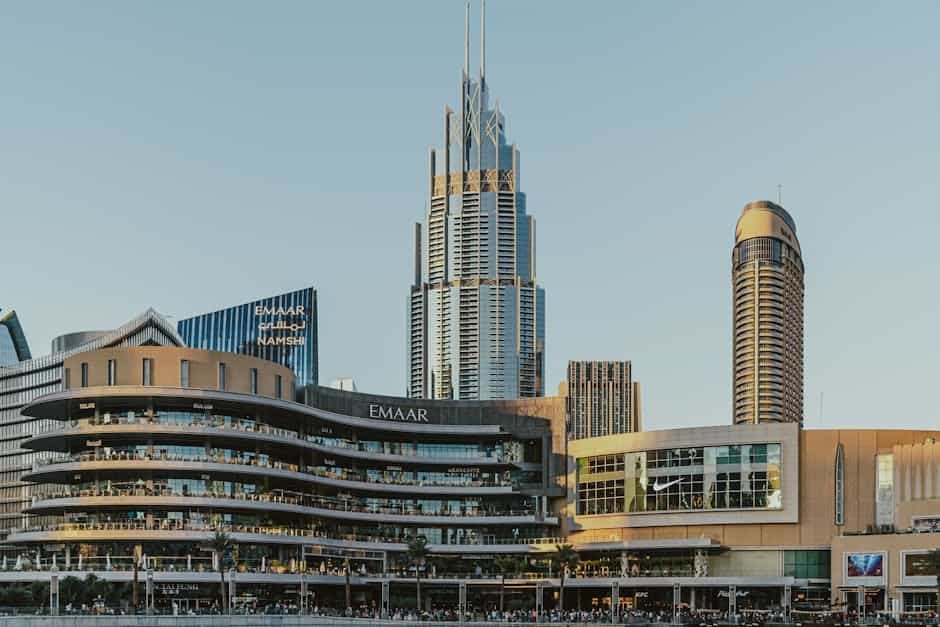
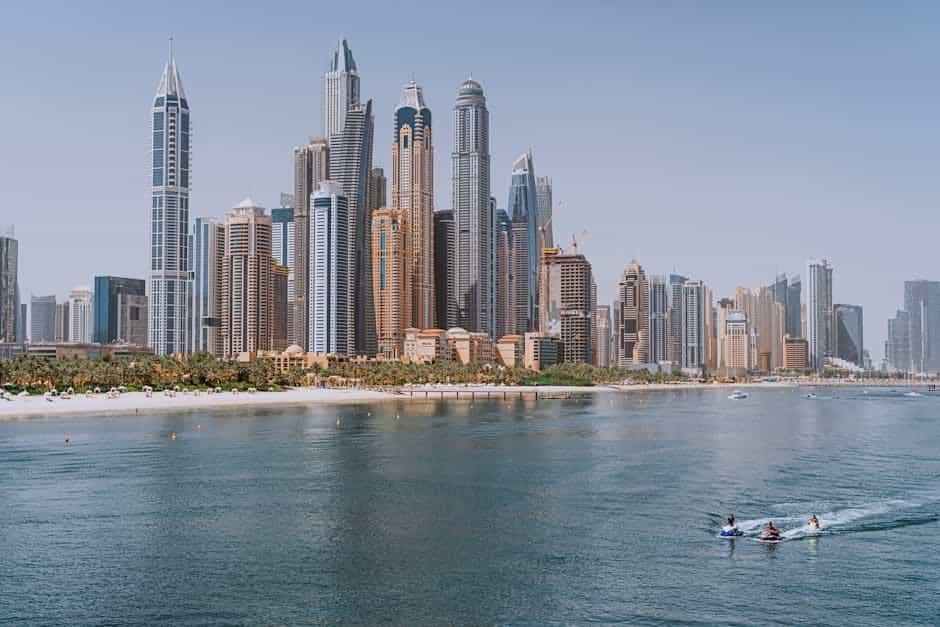
- Contrast of narrow historic lanes and wind-tower architecture with modern skyline and marina views
- Active souks and trading quays preserving merchant culture
- Birdlife and natural wetlands near the Creek mouth (notably flamingos at Ras Al Khor)
Things to do
- Take an abra ride across the Creek for a local and very affordable experience
- Join a dhow cruise dinner or sightseeing cruise at sunset
- Explore Al Fahidi Historical Neighbourhood, museums, and restored wind-tower houses
- Shop at the Gold Souk, Spice Souk, and boutique stalls along Al Seef
- Walk or cycle along Creekside promenades and Al Seef waterfront
- Visit Dubai Creek Park for family-friendly recreation and views
- Go birdwatching at nearby Ras Al Khor Wildlife Sanctuary
- Take a guided heritage or food tour to learn about traditional trades and cuisine
- Photograph the dynamic contrast between old souks/dhows and modern architecture
Best Time to Visit
October to April — mild, pleasant weather ideal for walking and boat trips
Weather Conditions
Hot and humid summers (May–September) with temperatures often exceeding 40°C; mild, dry winters (December–February) with daytime temperatures around 20–30°C. Evenings in winter can be cool.
Accessibility
Easily accessible from Dubai International Airport (DXB) and central Dubai. Public transport options: Dubai Metro (stations near Creek areas such as Al Ghubaiba, Al Fahidi/Al Ras, Baniyas Square), bus routes, taxis, and Dubai Water Transport Authority abras and water buses. Many attractions are walkable within the Creek precinct; transfers and parking available for cars.
Recommended Duration
Half a day for a brief experience (abra ride and souks) to 1–2 days to explore historical neighbourhoods, museums, a dhow cruise and nearby attractions.
Clothing & Gear Tips
Light, breathable clothing in warm months; modest dress in public and religious sites (cover shoulders and knees). Comfortable walking shoes, sun protection (hat, sunglasses, sunscreen) and a light jacket for cooler evenings in winter.
Local Food & Souvenirs
Sample local and regional cuisine along the Creek—fresh seafood, Emirati dishes, karak tea and street snacks. Souvenirs include gold and jewelry, spices, perfumes and oud, textiles, traditional crafts and dhow-inspired souvenirs.