Sheikh Saeed Al Maktoum House, Dubai
Sheikh Saeed Al Maktoum House is a major heritage site in Dubai: the former residence and seat of government of Sheikh Saeed bin Maktoum Al Maktoum. Located in the Al Shindagha historic district on the western bank of Dubai Creek, the building preserves traditional Emirati residential architecture and a comprehensive photographic archive that documents Dubai’s transformation from a pearling and trading port to a modern city. The house illustrates social, economic and maritime history of pre-oil Dubai and is an essential stop for understanding the emirate’s past.
Last updated: 07 Jan 2026
Places to visit
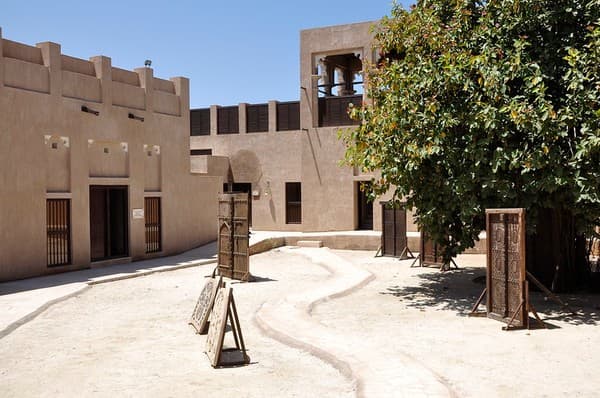
- The restored family rooms and courtyards
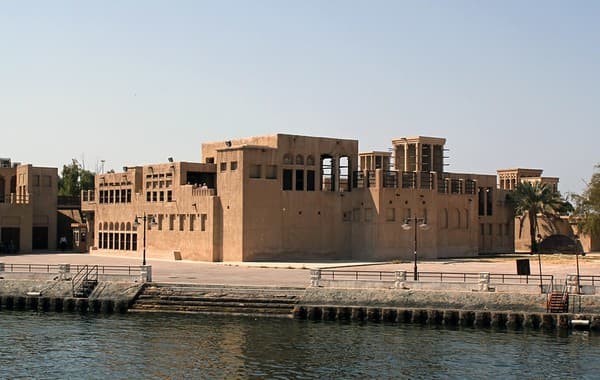
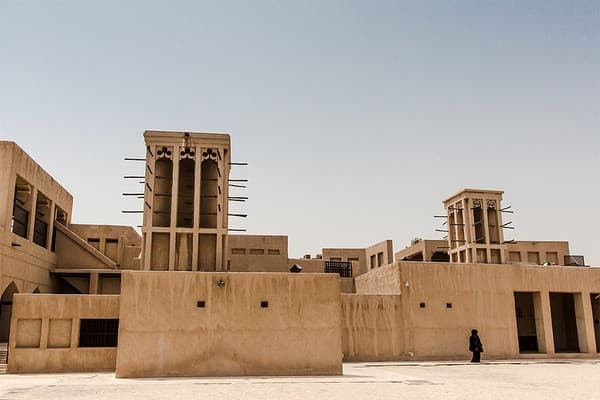
- Historic watchtowers and traditional wind towers (barajeel)
- Extensive photographic archive and document displays
- Models and maps showing Dubai’s urban development
- Maritime and pearling exhibits (boats, tools, navigational instruments)
- Views across Dubai Creek and the bustling abra crossings
Unique Aspects
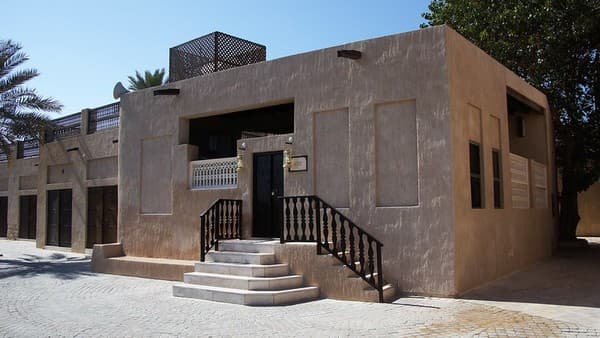
- Traditional coral-and-plaster architecture with wooden beams and carved windows
- Well-preserved wind-towers (barajeel) demonstrating passive cooling
- A rare photographic archive (late 19th–early 20th century)
- Direct creekside location offering authentic historic atmosphere
- Exhibits focused on pearling, trade and early maritime life
Things to do
- Guided and self-guided tours of the restored rooms and exhibits
- Studying the photographic and document archive showcasing Dubai’s history
- Photography of traditional architecture and creek views (respect museum rules)
- Short walks along Al Shindagha for other heritage sites and museums
- Combining the visit with an abra crossing to Deira or a stroll in the Al Fahidi historic neighbourhood
Best Time to Visit
October–April (cooler months). Visit mornings or late afternoons to avoid midday heat and for better light for photography.
Weather Conditions
Desert climate: hot, humid summers (May–September; daytime highs commonly 35–45°C) and mild winters (November–March; daytime 20–25°C). Evenings can be cool in winter.
Entry Fees & Permits
Operated by Dubai Culture & Arts Authority. Entry is often free or low-cost, but fees and opening hours can change—check the official website or call ahead for the latest information before you go.
Accessibility
Located in the Al Shindagha historic district on Dubai Creek. Easily reachable by taxi and by abra (creek ferry). Nearest major public-transport hubs are the Al Ghubaiba transport area and central creek-side stops; Al Fahidi/Al Ghubaiba stations are the closest metro/bus connections (short taxi or walk). Note: the building has historic floors, thresholds and steps; accessibility for wheelchairs is limited—contact the museum for specific assistance or arrangements.
Recommended Duration
45–90 minutes to explore the house and exhibits comfortably.
Clothing & Gear Tips
Light, breathable clothing in summer; modest attire out of respect for a heritage site (cover shoulders and knees). Bring comfortable shoes, a hat, sunscreen and a bottle of water.
Local Food & Souvenirs
Combine the visit with a meal in the nearby Al Seef or Al Fahidi areas—try Arabic coffee, dates and traditional Emirati dishes. Souvenir ideas: postcards/prints from the photographic archive, small handicrafts, spices, and dates.