Textile Souk (Old Souk), Dubai
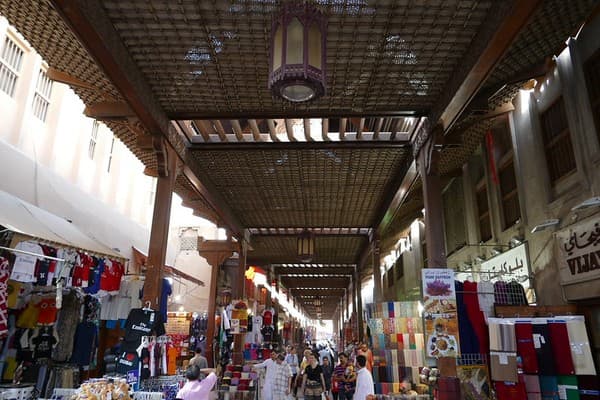
Textile Souk (Old Souk) in Bur Dubai sits on the western bank of Dubai Creek and represents the city’s historic role as a trading entrepôt. Before Dubai’s oil boom, the creek shoreline was the commercial heart where dhows from India, Persia and East Africa delivered goods—textiles being a major commodity. The souk showcases Dubai’s multicultural trading history and the continued influence of South Asian textiles and craftsmanship on the city’s retail landscape.
Last updated: 07 Jan 2026
Places to visit
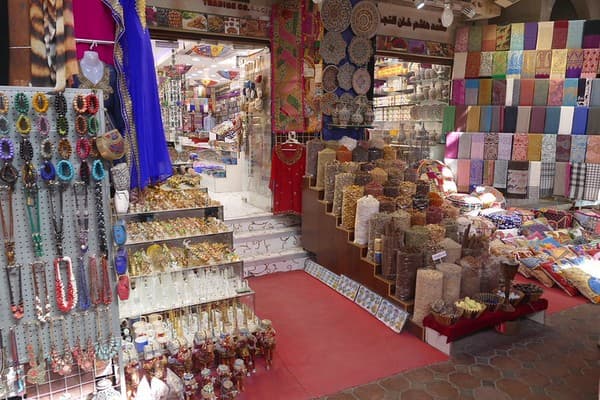
- Rows of small, family-run textile shops selling silks, cottons, brocades, satin, chiffon, and sequined fabrics
- Tailoring and alteration services offering same-day or next-day custom work
- Specialty shops for bridal fabrics, saris, abayas and Indian/Pakistani dress materials
- Accessory stands selling trims, beads, ribbons, buttons and embellishments
- Nearby Meena Bazaar and the historic Al Fahidi/Bastakiya district for combined visits
Unique Aspects
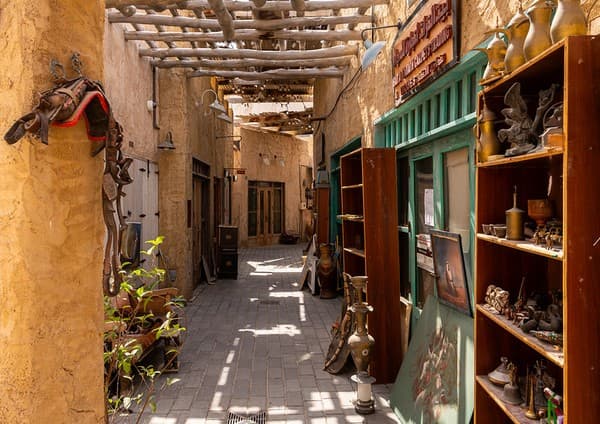
- Vibrant displays of colours and fabrics spilling onto narrow lanes
- Opportunity to see and commission local tailoring and hand-embroidery
- Traditional market atmosphere with haggling as the norm
- Close proximity to Dubai Creek with abra (water taxi) crossings giving a historic transport experience
Things to do
- Shopping for dress fabrics, saris, scarves, and home textiles
- Bargaining with shopkeepers to negotiate prices
- Ordering tailored garments or alterations from local tailors
- Photography of colourful stalls and street scenes (ask permission before close-up shots)
- Taking an abra ride across Dubai Creek and exploring Bur Dubai’s heritage sites
Best Time to Visit
November to March for pleasant daytime temperatures; evenings year-round are cooler and lively. Early mornings on weekdays are less crowded.
Weather Conditions
Desert climate: hot and humid in summer (June–September) with temperatures often exceeding 40°C; mild and comfortable winters (December–February) with daytime highs around 20–30°C.
Entry Fees & Permits
Free to enter. Individual shop opening hours vary—commonly open from mid-morning (around 09:30–10:30) through evening (often until 21:00–23:00). Hours can change during Ramadan and public holidays, and some stalls may close in the mid-afternoon.
Accessibility
Easily reachable by taxi and public transport. Nearest Green Line metro stations: Al Fahidi and Al Ghubaiba (both a short taxi/foot ride). Frequent abra (traditional boat) crossings link Bur Dubai to Deira near the souks. Pedestrian access within the souk is via narrow lanes; not all areas are wheelchair-friendly.
Recommended Duration
1–3 hours for browsing, bargaining and tailoring; allow extra time if ordering custom garments or visiting nearby attractions.
Clothing & Gear Tips
Light, breathable clothing in summer; modest attire recommended (shoulders and knees covered) out of respect for local customs. Comfortable shoes for walking the narrow lanes. A small umbrella or hat and water in hot months.
Local Food & Souvenirs
Try local refreshments like karak tea, shawarma and Emirati sweets at nearby cafés. Recommended souvenirs: embroidered fabrics, pashminas, saris, abaya materials, decorative trims, beadwork and bespoke garments tailored on-site.