Dakor Ranchhodraiji (Krishna) Temple visit
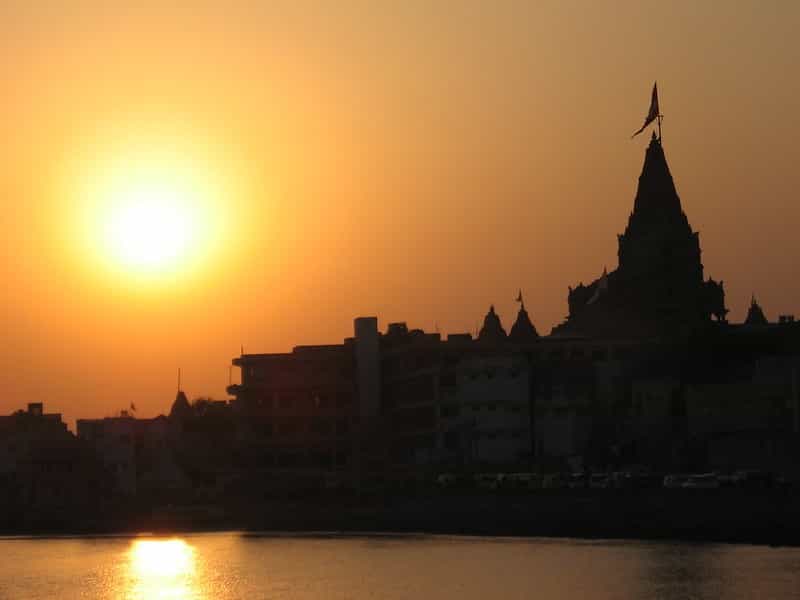
Shri Ranchhodraiji Temple in Dakor is one of Gujarat's most revered Krishna shrines. The temple is dedicated to Ranchhodraiji — a form of Lord Krishna — and is a major pilgrimage site for Vaishnav devotees. The complex combines devotional rituals, ornate architecture, and a lively local market that together create a vivid cultural experience.
Location
Shri Ranchhodraiji Mandir (Ranchhodraiji Temple), Dakor, Kheda district, Gujarat, India
Duration
1–3 hours for darshan; half-day to a full day if you include exploring the town, attending aarti ceremonies and local markets.
Best Time to Visit
October to February (cool, pleasant weather). Major festival periods — Janmashtami, Holi, and Kartiki Purnima / annual fair — are spiritually vibrant but extremely crowded; arrive early or book in advance if visiting during festivals.
Pricing
Entry: Free Puja/Seva: Voluntary donations; small paid sevas/prasad typically range from INR 50–500 depending on the service. Special seva/offerings and accommodation packages (if booked through local trusts or hotels) cost extra. Accommodation/Meals: Budget guesthouses and lodges available in Dakor; prices vary by season (approx. INR 800–3000 per night for typical options).
Activity Type
Coordinates
Highlights
Main sanctum with the revered idol of Ranchhodraiji (Krishna)
Daily aartis and traditional rituals (morning and evening)
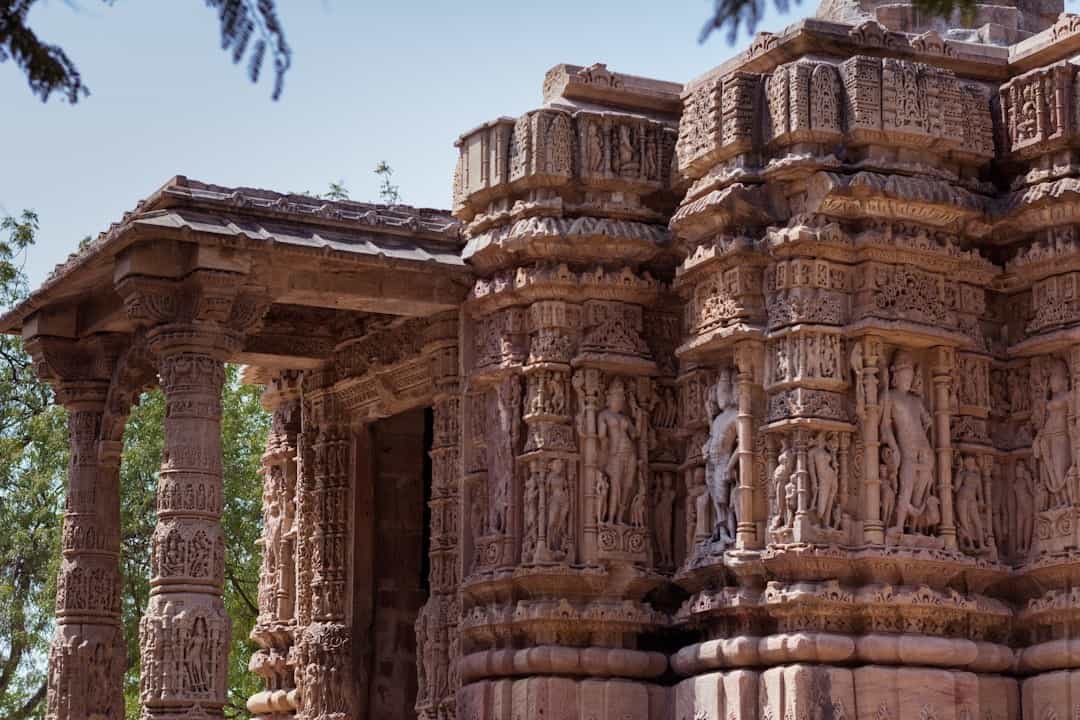
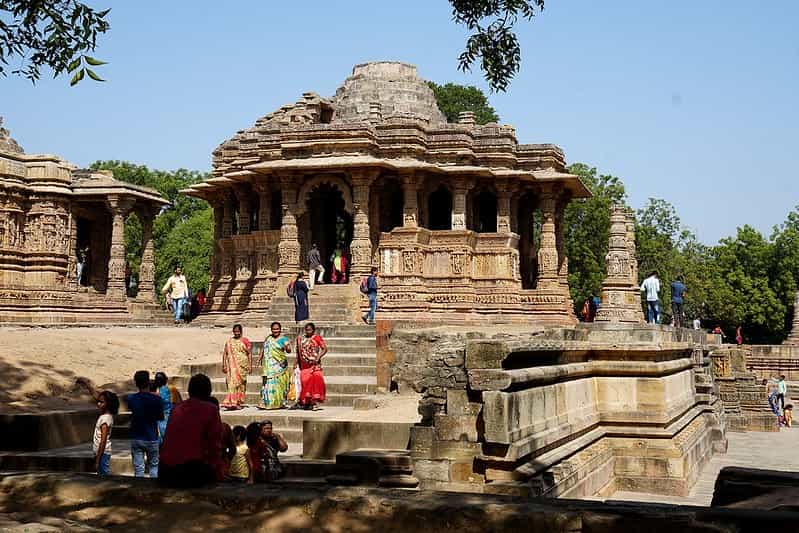
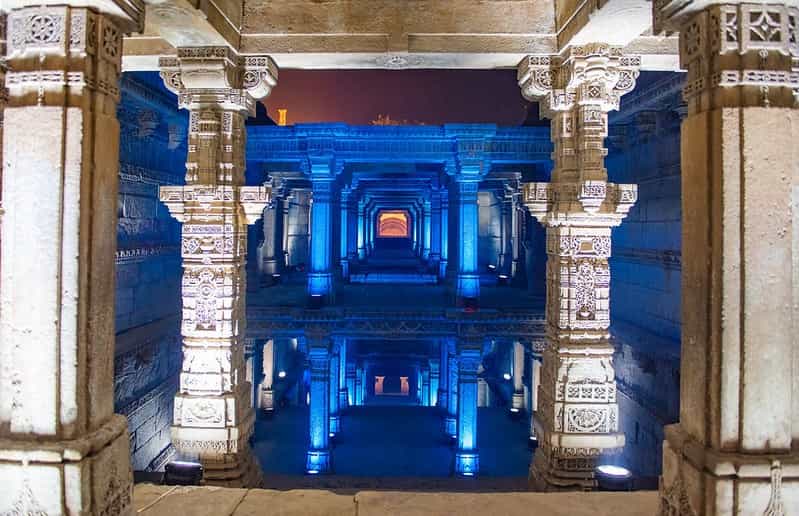
Well-maintained temple complex with ornate carvings and pillars
Lively local market offering religious items, Gujarati snacks and handicrafts
Chance to taste traditional prasadam and vegetarian Gujarati cuisine
Calm temple atmosphere outside festival days — suitable for meditation and devotional singing
Itinerary
Arrival and orientation
Reach early to avoid crowds. Locate the temple complex, toilet facilities and darshan queue. Dress modestly (shoulders and knees covered). Remove footwear before entering the complex.
Morning darshan & Shringar/Abhishek (if scheduled)
Participate in or observe the morning rites. Paid sevas (if available) are announced at the temple notice board — check with temple staff. Photography may be restricted inside the sanctum.
Explore the temple complex and nearby shrines/pond
Visit smaller shrines around the main temple, and spend time at the temple pond or ghats. Walk the outer corridors to admire architecture and inscriptions.
Market visit & prasadam / lunch
Browse the market for religious souvenirs (darshan thalis, bells, beads). Try local vegetarian snacks and temple prasadam at nearby eateries. Keep small change for offerings and purchases.
Evening aarti and departure
Return for the evening aarti — often the most atmospheric time with lamps and bhajans. Expect larger crowds; arrive 30–45 minutes early for a good spot. Exit after darshan following the indicated queues and instructions.
Safety Requirements
Respect crowd control measures — follow queues and staff instructions during peak times
Remove footwear and keep valuables secure while inside the complex
Stay hydrated, especially in summer; carry a refillable water bottle
If attending festivals, be prepared for heavy crowds; keep children close and use ID bands for young children if possible
Follow local COVID-19 or health advisories if active (masking and distancing policies may apply)
Tips
Wear modest, breathable clothing — cotton kurta/pants or long skirts work well for both comfort and respectfulness
Visit early morning on weekdays to avoid crowds and long queues
Carry small denomination cash for offerings, prasad and market purchases (many small shops may not accept cards)
Ask temple volunteers or notice boards for exact aarti/seva timings — schedules can change on festival days
Respect photography rules — avoid taking photos inside the sanctum or of people during prayers unless you have permission
If you plan to stay overnight, book accommodation in advance during festival seasons
Combine the visit with nearby towns (Anand, Nadiad) for additional sightseeing or travel connections