Jambughoda Wildlife Sanctuary and Hathni Mata Waterfall
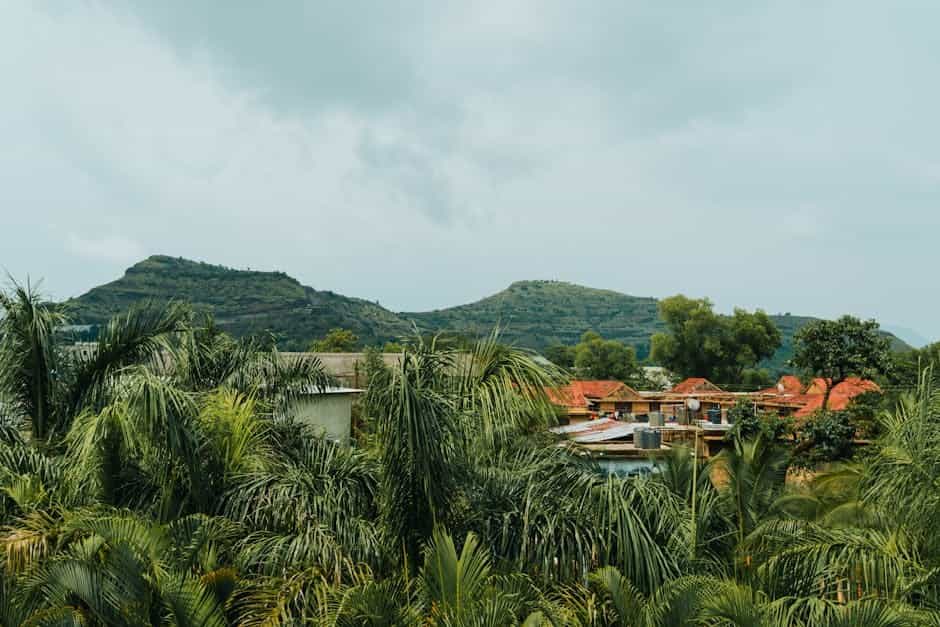
A protected dry deciduous forest in Panchmahal district, Jambughoda Wildlife Sanctuary is known for teak and mixed forest, small herds of chital (spotted deer), sambhar, nilgai, wild boar, and a variety of birds. The sanctuary is a quiet, offbeat wildlife destination with undulating hills, seasonal streams and tribal settlements nearby. It’s ideal for short treks, birdwatching, nature walks and photography.
Location
Jambughoda Wildlife Sanctuary, Jambughoda, Panchmahal, India
Duration
Half-day to full-day (3–6 hours). Overnight stays possible in nearby forest rest houses.
Best Time to Visit
October to March (cooler months; best for wildlife sightings and comfortable treks). Monsoon (July–September) brings lush greenery but some trails may be slippery or inaccessible.
Pricing
Nominal entry fee (approx INR 20–50 for adults). Vehicle charges or guide fees may apply; charges vary seasonally. Forest department rest house/tour packages have separate tariffs.
Activity Type
Coordinates
Highlights
Dry deciduous teak and mixed forest
Spotted deer (chital), sambhar, nilgai and wild boar sightings
Good birdwatching: Indian pitta, peafowl, raptors and migratory birds
Scenic trekking trails and viewpoints
Forest rest house and local tribal cultural interactions
Itinerary
Enter sanctuary for early morning nature walk or guided birdwatching session.
Early morning is best for wildlife and bird activity; carry binoculars and a local guide if available.
Short trek to a nearby viewpoint and visit seasonal streams or watchtower.
Carry water and sun protection; avoid loud noises to increase chances of sightings.
Picnic or visit local tribal hamlets to learn about community life (if permitted).
Seek permission before photographing people; follow local customs.
Sunset walk or drive in the sanctuary buffer areas and return to rest house.
Roads can be narrow; hire a local driver/guide for safer navigation.
Safety Requirements
Carry sufficient drinking water and basic first-aid
Do not approach or feed wild animals; maintain safe distance
Follow forest department rules and timings (entry/exit)
Wear sturdy footwear and insect repellent; be cautious of snakes and insects during monsoon
Inform authorities or guide about planned routes for solo treks
Tips
Hire a local guide or contact the forest department for the best routes and sightings
Carry binoculars and a camera with zoom lens for wildlife photography
Stay in the forest rest house or nearby accommodations in Jambughoda or Godhra for early access
Avoid loud music and littering; follow Leave No Trace principles
Check with forest department for any permits, fees or seasonal closures