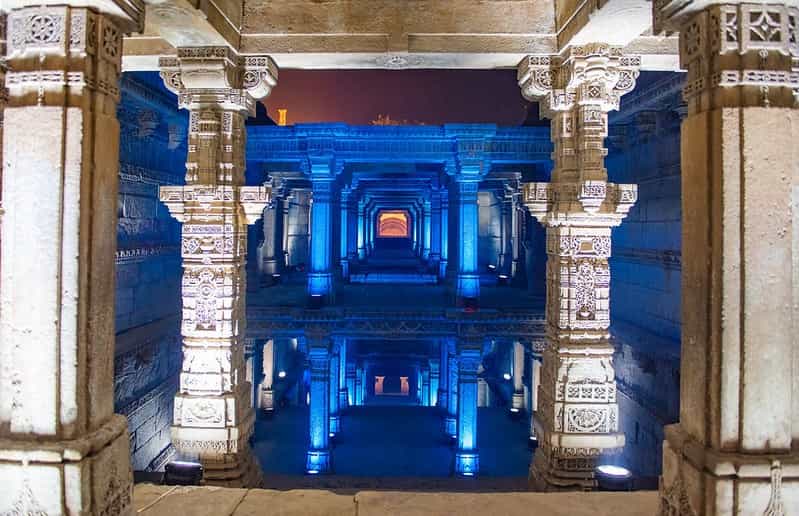
Modhera Sun Temple and Suryakund
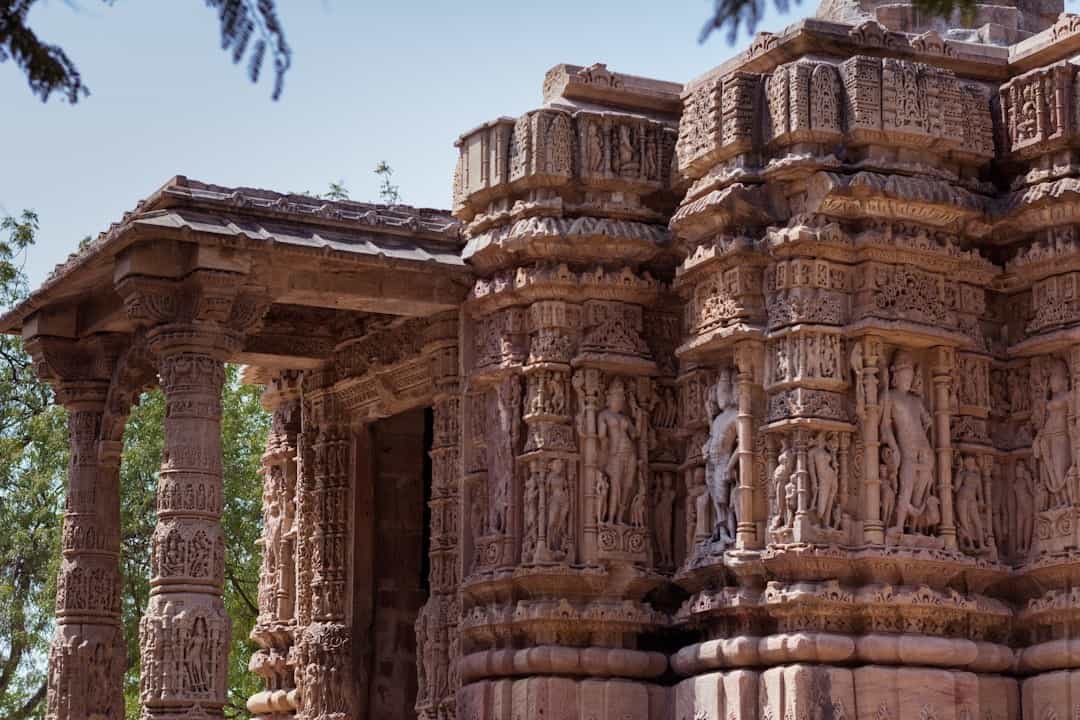
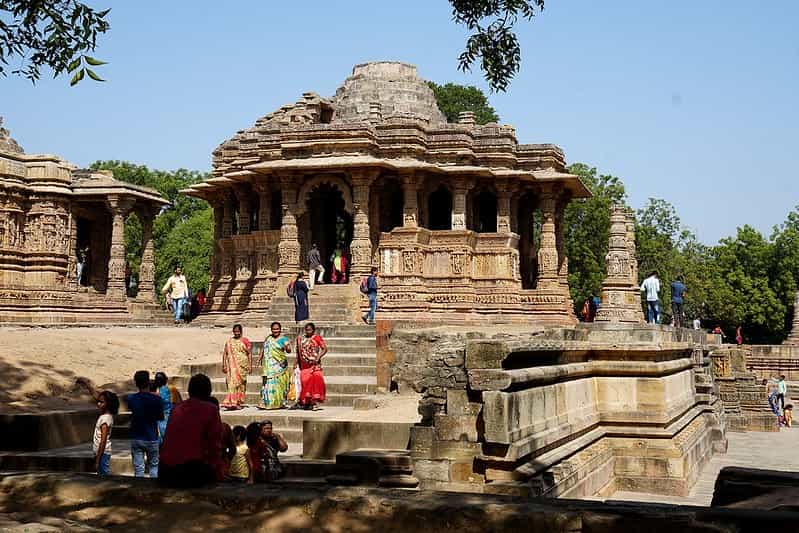
Modhera Sun Temple is a 11th‑century Solanki (Chaulukya) era temple complex dedicated to Lord Surya (the Sun God). Built around 1026 CE during the reign of King Bhima I, the temple is renowned for its architectural symmetry, ornate stone carvings and axial alignment that allows the sun’s rays to fall on the sanctum at certain times. The complex includes the main sanctum (Guda Mandapa), an assembly hall (Sabha Mandapa) and the large stepped tank known as Suryakund (Rangamandapa) — a ceremonial water reservoir with beautifully carved steps used for rituals and festivals. The site is protected and maintained by the Archaeological Survey of India (ASI) and is an important example of medieval Gujarati temple architecture.
Location
Modhera Sun Temple and Suryakund, Modhera (Mehsana district), India
Duration
2–3 hours (typical visit); more time if attending a cultural event
Best Time to Visit
October to February (cool, dry season). Modhera Dance Festival is held annually (usually in January) and is a special time to visit.
Pricing
Nominal entry fee collected by the Archaeological Survey of India (fees may vary). Camera/video charges may apply separately. Exact rates change from time to time — check the ASI ticket counter or official sources before visiting.
Activity Type
Coordinates
Highlights
Elaborately carved Sabha Mandapa (assembly hall) with detailed sculptures of gods, dancers and mythological scenes
Guda Mandapa (sanctum) aligned for solar illumination
Suryakund — large stepped tank with symmetrical steps and sculptural decoration
Fine examples of Solanki (Chaulukya) stone-carving and architectural planning
Modhera Dance Festival: classical dance performances on the temple stage during winter
Great photography opportunities during early morning and late afternoon light
Itinerary
Reach the parking area and enter the ASI‑maintained grounds.
Buy tickets and any camera permits at the counter. Carry ID if required.
Start with the stepped tank area to appreciate the symmetry and low-angle light.
Walk around the tank edge and view the carvings from the surrounding promenade.
Explore the pillared hall and examine the sculptural panels depicting dancers, deities and scenes.
Observe architectural details like bracket figures and ceiling patterns.
Approach the sanctum area and learn about the temple’s solar alignment and historical context.
Respect ASI rules—do not touch delicate carvings and avoid restricted areas.
Capture the temple façades, details, and panoramic shots of the complex.
Golden hour (early morning or late afternoon) is ideal for photos.
Leave or stay for scheduled events like the Modhera Dance Festival if visiting in season.
Check festival schedules in advance; seating is sometimes limited.
Safety Requirements
Wear sensible footwear — surfaces and steps are stone and can be uneven or slippery when wet.
Carry sun protection (hat, sunscreen, water) — summers are very hot.
Follow ASI guidelines: do not climb on structures, avoid touching or leaning on carvings.
Be cautious on steps around the tank — they can be steep.
If attending large events, follow crowd and emergency directions from organizers.
Tips
Best light: Early morning (shortly after sunrise) or late afternoon for photos and cooler temperatures.
Combine this visit with nearby heritage sites such as Rani‑ki‑Vav (Patan) and other attractions in Mehsana/Ahmedabad region.
Carry sufficient drinking water and light snacks; limited food options available near the site.
Hire a local guide or pick up an ASI information board to understand historical and sculptural details.
Respect local customs — dress modestly when visiting a religious heritage site.
Public transport is limited; hire a taxi from Mehsana or Ahmedabad, or use a private car for flexibility.
Check the ASI office timings and any festival schedules in advance; the site may have different opening hours on special days.