Polo Forest hikes and ancient ruins
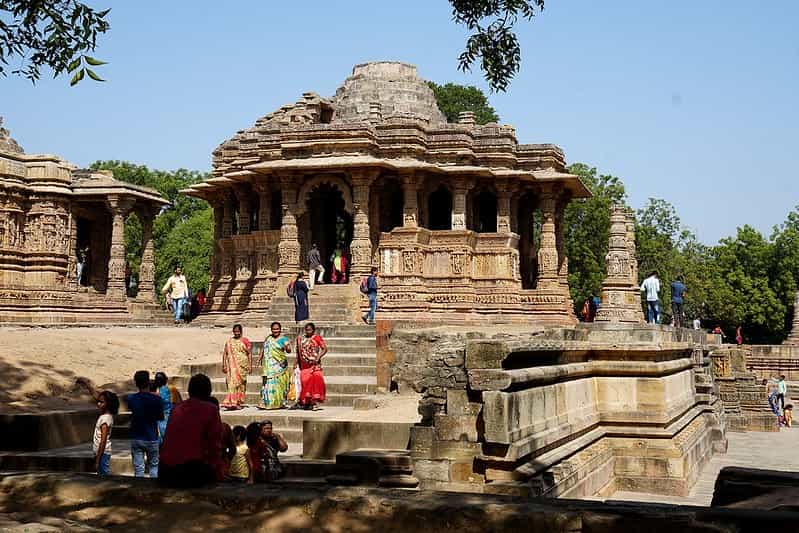
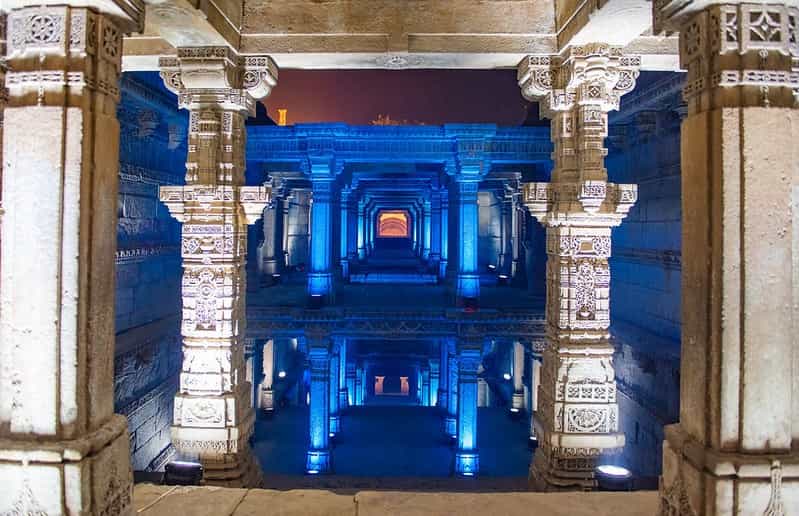
Polo Forest (near Vijaynagar) is a mix of easy-to-moderate forest treks and archaeological exploration through ruined temples, stepwells and halls from a bygone era. Located in the Sabarkantha district of Gujarat, the site combines dense teak and bamboo forest, seasonal streams and several clusters of carved stone shrines and structures scattered across the valley. The hike routes take you through shaded trails, riverbeds and granite outcrops with multiple opportunities for photography, birdwatching and exploring medieval temple ruins. Coordinates given are approximate — use local signboards or a guide for precise navigation.
Location
Polo Forest, Vijaynagar (ruins and trails), Vijaynagar / Idar region (Sabarkantha district), India (Gujarat)
Duration
Options: Half-day (3–4 hours) for nearest ruins and viewpoint; Full-day (6–8 hours) to cover multiple ruin clusters, river trail and deeper forest loops; Overnight (camp + next-morning walk) for photographers and birders.
Best Time to Visit
October to February for cool, dry trekking. Monsoon (July–September) is spectacular for waterfalls and full streams but trails can be slippery and parts may be inaccessible.
Pricing
Entry and trail access: usually free to minimal (₹0–₹50). Local guide fees: ₹300–₹800 (half-day). Parking/vehicle charges and camping permits (if available) may add ₹50–₹500 depending on arrangements.
Activity Type
Coordinates
Highlights
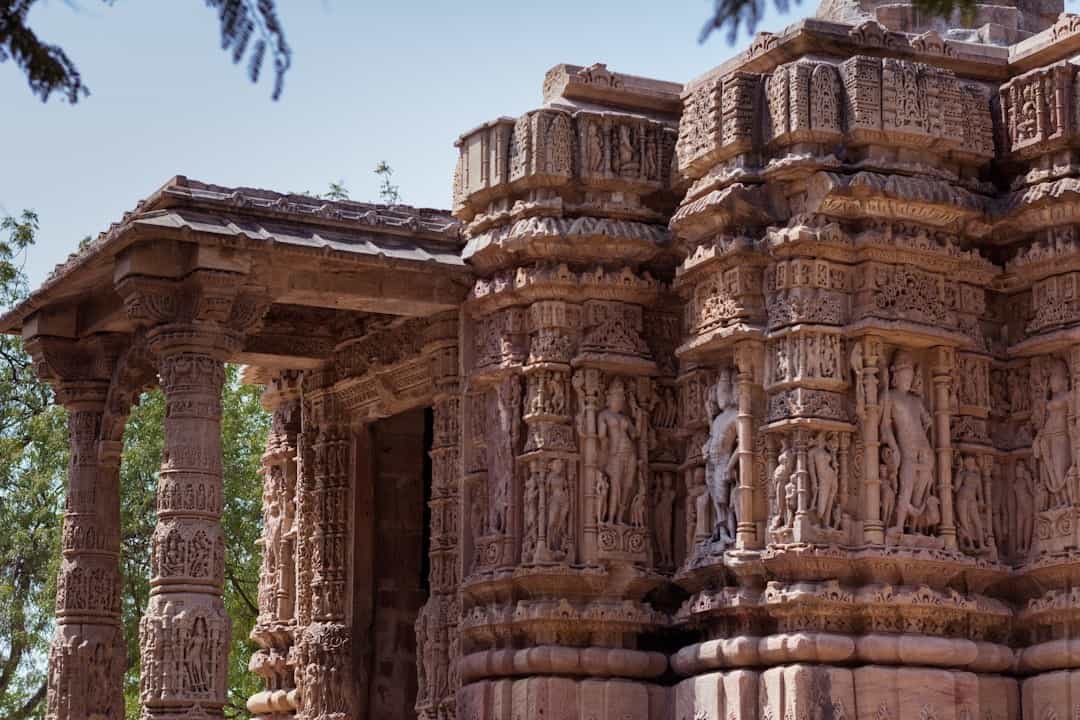
Scattered medieval temple ruins and carved stone pillars clustered around Vijaynagar — great for history and photography.
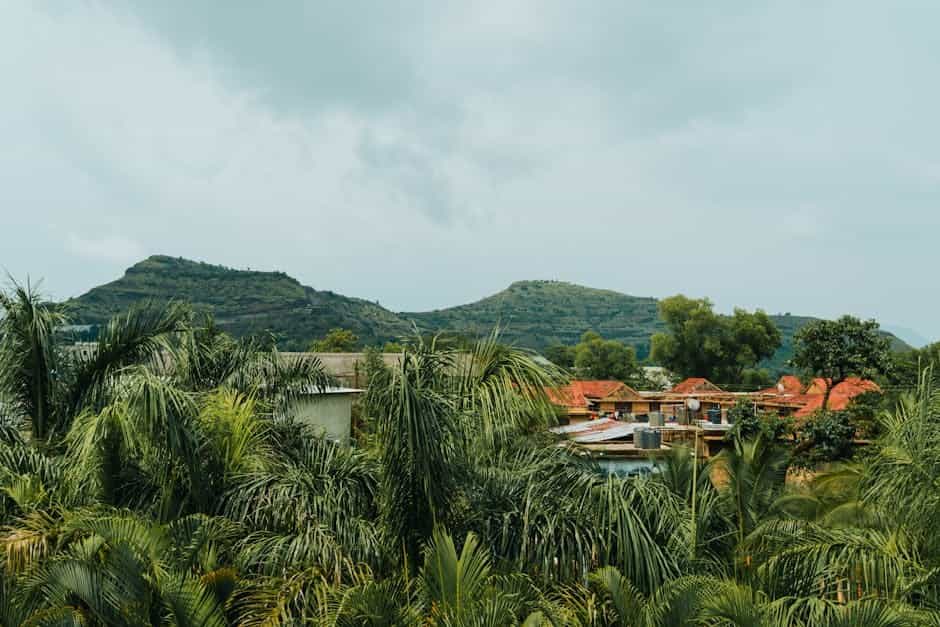
Shaded teak and mixed forest with seasonal streams (Harnav river tributaries) and small waterfalls during monsoon.
Easy-to-moderate hikes along riverbeds, granite outcrops and ridgelines with viewpoints over the valley.
Birdwatching opportunities: bulbuls, barbets, kingfishers near water, migratory visitors in winter.
Ruin features: mandapas, toranas, pillars, stepwells and ruined sanctums showing regional stone-carving traditions.
Itinerary
Arrive at the Vijaynagar/Polo Forest entry point; register if required and meet guide.
Follow the main loop to the nearest temple cluster, visit carved pillars and a stepwell, short riverbank walk and return to parking.
Start early: deeper forest trails to multiple ruin clusters, picnic by a stream, climb a granite outcrop for valley views and photograph architectural details.
Carry packed lunch, water and a basic first-aid kit. Expect uneven stone surfaces and some short climbs.
Camp at designated safe spot (arrange permit/local host), do sunset/sunrise photography and pre-dawn birdwalk.
Camping requires prior arrangement; carry warm clothing for winter mornings and heat/bug protection in other months.
Safety Requirements
Wear sturdy walking shoes with good grip — trails and ruins have uneven stone and roots.
Carry minimum 2–3 litres of water per person for a full day; refill options are limited outside village points.
Avoid slippery riverbeds and rock faces during/after heavy rain; check local weather and park advisories in monsoon.
Do not climb or disturb fragile ruins; many structures are centuries old and unsafe if climbed.
Inform someone about route and expected return time; mobile network can be patchy in parts of the forest.
Tips
Local guide: Highly recommended for history context, safe routing and finding lesser-known ruins. Guides can be hired from Vijaynagar or the parking area.
Timing: Early morning and late afternoon offer best light for photography and cooler hiking conditions.
What to carry: Sun protection (hat, sunscreen), insect repellent, flashlight/headlamp for short cave/roofed mandapa interiors, reusable water bottle, snacks, light first-aid and cash for local fees.
Respect the site: Do not remove stones, graffiti or offerings. Keep noise to a minimum and avoid open fires near ruins.
Transport & access: Nearest major towns: Himmatnagar (~60–80 km depending on route) and Ahmedabad (~120–140 km). Road access to Vijaynagar is by local roads — allow extra time during monsoon.
Monsoon note: If you visit July–September expect impressive waterfalls and fuller streams but carry waterproof gear and be prepared for trail closures or diversions.
Photography: Use a wide-angle lens for temple clusters and a telephoto for birds. Early/late light enhances stone textures and forest colors.