Rani ki Vav (Queen’s Stepwell)
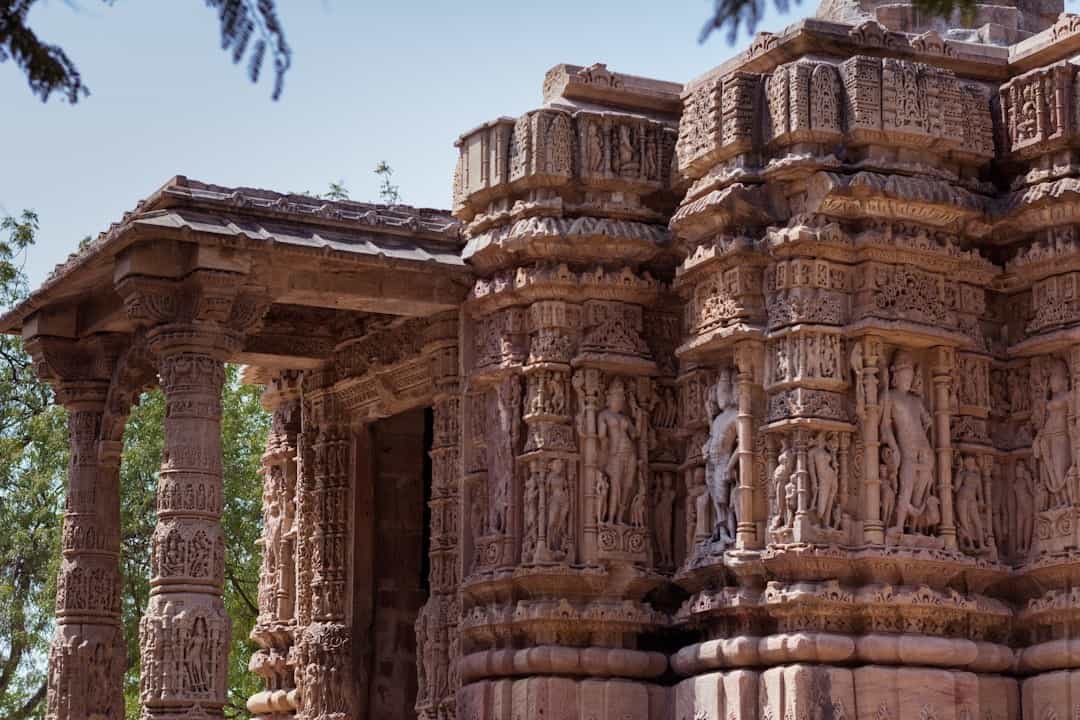
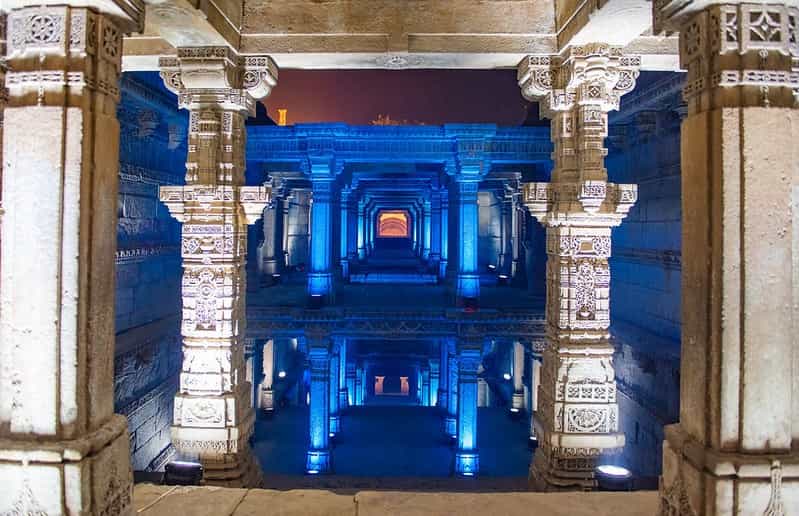
Rani ki Vav is an 11th-century intricately ornamented stepwell built in memory of King Bhima I by his queen Udayamati. Located in Patan, Gujarat, it is a unique example of subterranean water architecture and is recognized as a UNESCO World Heritage Site (2014). The structure is designed as an inverted temple highlighting the sanctity of water, with seven descending levels of sculptural panels and over 500 finely carved figurative sculptures depicting Hindu deities, celestial beings, and scenes from epics.
Location
Rani ki Vav, Patan, Patan, India
Duration
1–2 hours (guided visit may take up to 2 hours)
Best Time to Visit
October to March (cooler months; early morning or late afternoon recommended to avoid crowds and heat)
Pricing
Nominal entry fees apply and can change. Typical range: Indian citizens INR 40–70, foreign visitors INR 200–300. Separate charges may apply for still cameras or professional equipment—check on-site or the official ticket counter for current rates.
Activity Type
Coordinates
Highlights
UNESCO World Heritage Site designation (2014)
Seven descending levels of galleries richly decorated with sculptures
Over 500 sculptures including river goddesses, apsaras, guardians and scenes from the Ramayana and Mahabharata
Masterful stepwell engineering — an 'inverted temple' where the well is treated as sacred space
Good on-site interpretation and viewing platforms; nearby archaeological museum displays artifacts
Photography opportunities (check camera fees and restrictions)
Itinerary
Arrive and buy tickets
Ticket counter near the entrance; arrive when site opens to enjoy quieter conditions.
Orientation and interpretive panels
Read the history panels and get a site map; consider an audio guide or local guide for richer context.
Descend through the levels and view main panels
Start from the top and walk down the stepped galleries, spending time at each sculptural panel. Avoid touching carvings.
Photography and final viewpoint
Use the designated platforms for wide-angle shots; be mindful of conservation and other visitors.
Visit nearby museum / souvenir shop
Small interpretive displays and exhibits nearby provide additional context and artifacts.
Safety Requirements
Uneven stone steps and low lighting — wear stable footwear and watch your step
Not suitable for visitors with serious mobility issues (no elevator access); assistance required for wheelchair users
Do not climb on or touch delicate sculptures to prevent damage
Follow site rules, stay within designated viewing areas, and obey signage
Carry water and sun protection during hot months
Tips
Best time: Visit early morning or late afternoon to avoid the midday heat and crowds
Hire a licensed local guide or use an audio guide for detailed historical and iconographic explanations
Carry a hat, sunscreen, and water—there is limited shade inside the complex
Respect conservation rules—no littering, avoid flash photography if requested, and do not touch sculptures
Combine the visit with nearby Patan attractions such as the Patan Patola weaving workshops and Sahastralinga Talav
Confirm current ticket prices and camera fees at the official counter or local tourism website before visiting