Salt-pan (Agariya) livelihood trails
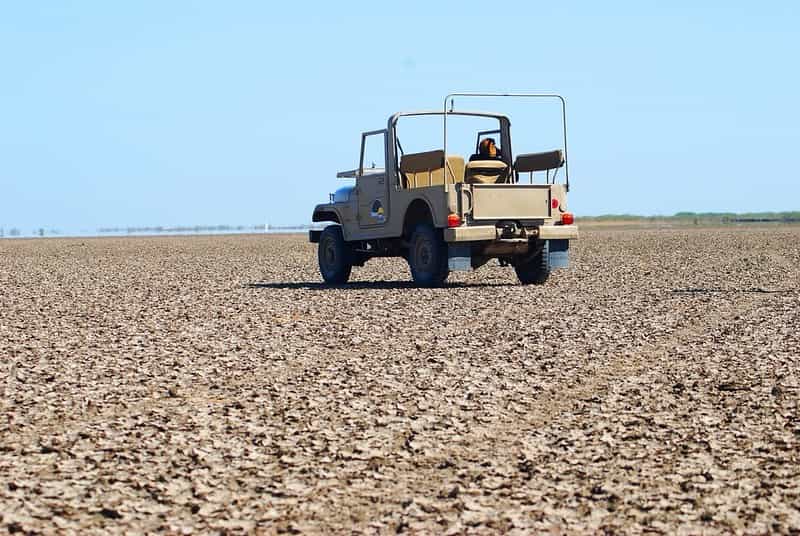
Experience the living landscape of the Agariya salt‑makers: a guided cultural trail into the salt pans of the Little Rann of Kutch to observe traditional salt production, meet the Agariya community, and learn about their seasonal livelihood, crafts and local ecology. The trail combines walking on the salt crust, village interactions, short drives across the edge of the Rann and opportunities for birdwatching and wildlife spotting (including the Indian wild ass at a distance).
Location
Salt pans and Agariya settlements along the edge of the Little Rann of Kutch, Near Khavda / Bhachau / villages around Little Rann of Kutch (access from Bhuj or Radhanpur), India
Duration
Options: half‑day (3–4 hours) or full‑day (6–8 hours). Multi‑day immersion experiences available on request.
Best Time to Visit
Best: October to March for comfortable temperatures, birdwatching and clearer skies. Salt‑making season (when pans are active) is typically late winter to summer (Feb–June) — for seeing salt crystallization and Agariya work, visit in March–May but expect high heat. Avoid monsoon months when parts of the Rann may be flooded.
Pricing
Typical range: INR 700–4,000 per person depending on group size and services. • Group shared (half‑day): INR 700–1,500 per person. • Private guided half‑ or full‑day: INR 1,500–4,000. • Additional: transport from Bhuj or nearby towns (INR 1,500–4,000 round trip depending on distance). Prices vary by season and operator — confirm local rates and whether meals or entry fees are included.
Activity Type
Coordinates
Highlights
Meet the Agariya community — learn their seasonal rhythm, tools and social organisation
Watch traditional salt production — raking, evaporating and harvesting on sunbaked pans
Walk across the salt crust along marked trails (with a guide)
Birdwatching hotspot — waders, flamingos and migratory birds in season
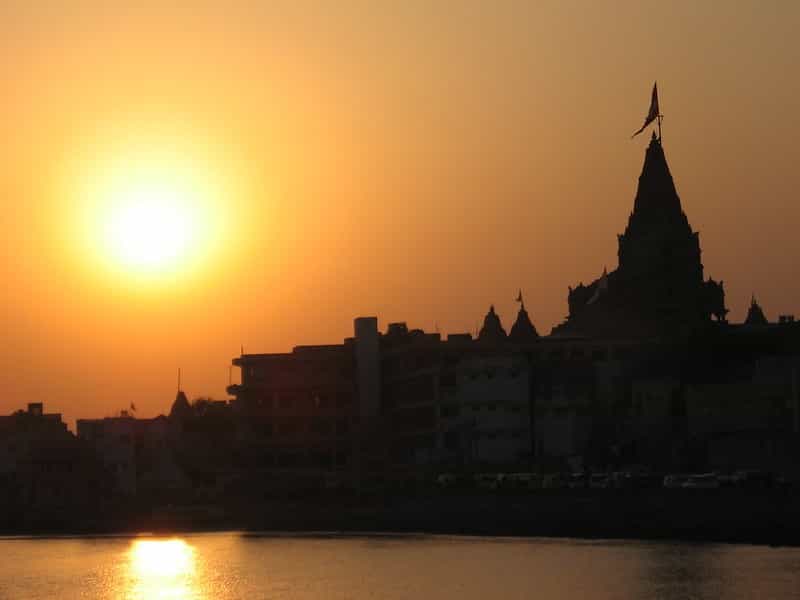
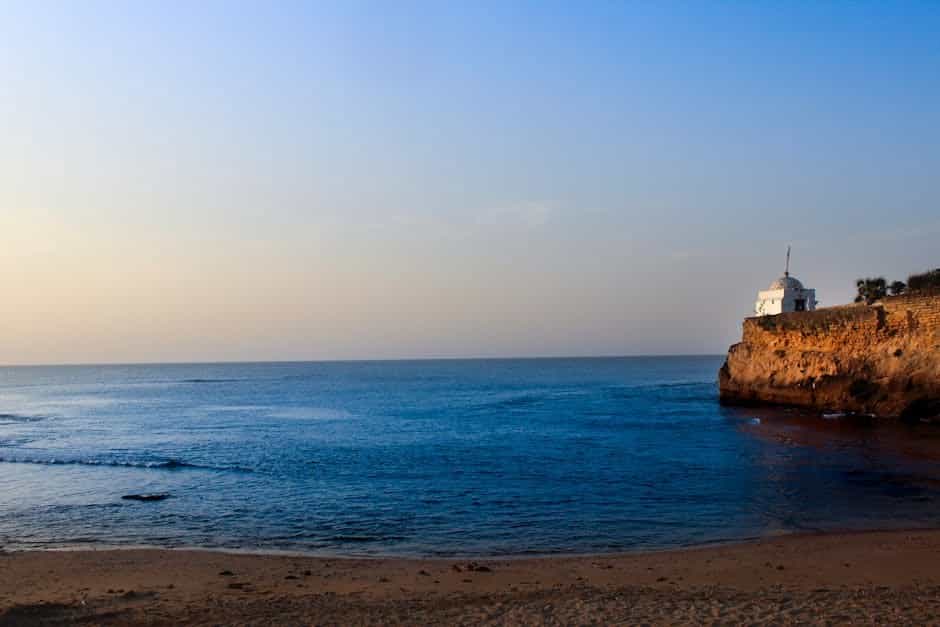
Scenic salt panoramas and dramatic sunsets over the Rann
Opportunities to buy local crafts and support community livelihoods
Itinerary
Pickup from Bhuj/nearby village and transfer to salt‑pan edge; short orientation.
Early start avoids midday heat. Introduction to the Agariya hosts and safety briefing.
Guided walk across the salt pans with Agariya guide; observe and photograph salt‑making processes.
Wear closed shoes; follow the guide and stay on firm routes to protect fragile crust and local operations.
Visit a local Agariya hut/settlement, have tea or a packed snack, hear stories about seasonal migration and livelihood.
Respect household norms; ask before taking photos of people.
Return to the pans for late afternoon light; birdwatching and sunset over the Rann. Transfer back to base.
Sunset offers the best photographic colours. Temperatures drop quickly after dusk — bring a light layer if visiting in winter.
Safety Requirements
Carry and drink ample water — dehydration risk is high in the Rann, especially March–June
Sun protection: hat, sunscreen, sunglasses and long sleeves recommended
Wear sturdy closed shoes with good grip — salt crust can be sharp and abrasive
Do not walk on areas marked as unstable or wet; follow the local guide at all times
Avoid contact of salt water with open cuts; rinse immediately if contact occurs
Check local weather/road conditions; some routes may be impassable after rains
Tips
Respect the community: ask permission before photographing people or private spaces and avoid disruptive behaviour
Carry small change (cash) for local purchases — many villages have limited digital payment options
Bring a reusable water bottle, snacks, and a basic first‑aid kit (antiseptic for any abrasions)
Best light for photos: early morning and sunset. Midday is harsh and very hot during summer months
If you want to witness active salt harvesting, check the season and confirm with your guide (March–May)
Consider hiring a local Agariya guide or working through a community‑linked operator to ensure direct economic benefit to hosts
Wear lighter colours and breathable fabrics in summer; layer in winter (Oct–Feb can be chilly mornings/evenings)
Inform your guide of any mobility issues — some walking may be uneven and on reflective, blinding surfaces