Barda Wildlife Sanctuary, Gujarat
Barda Wildlife Sanctuary is a key remnant of the dry deciduous and thorn-scrub ecosystems of the Saurashtra region in Gujarat. Declared a protected area in the late 20th century, it conserves an isolated hill range that supports a range of mammals, reptiles and birds adapted to semi-arid conditions, and sustains local tribal communities whose traditional lifestyles are closely tied to the landscape.
Last updated: 23 Oct 2025
Places to visit
- Barda Hills – scenic rocky ridges and panoramic viewpoints
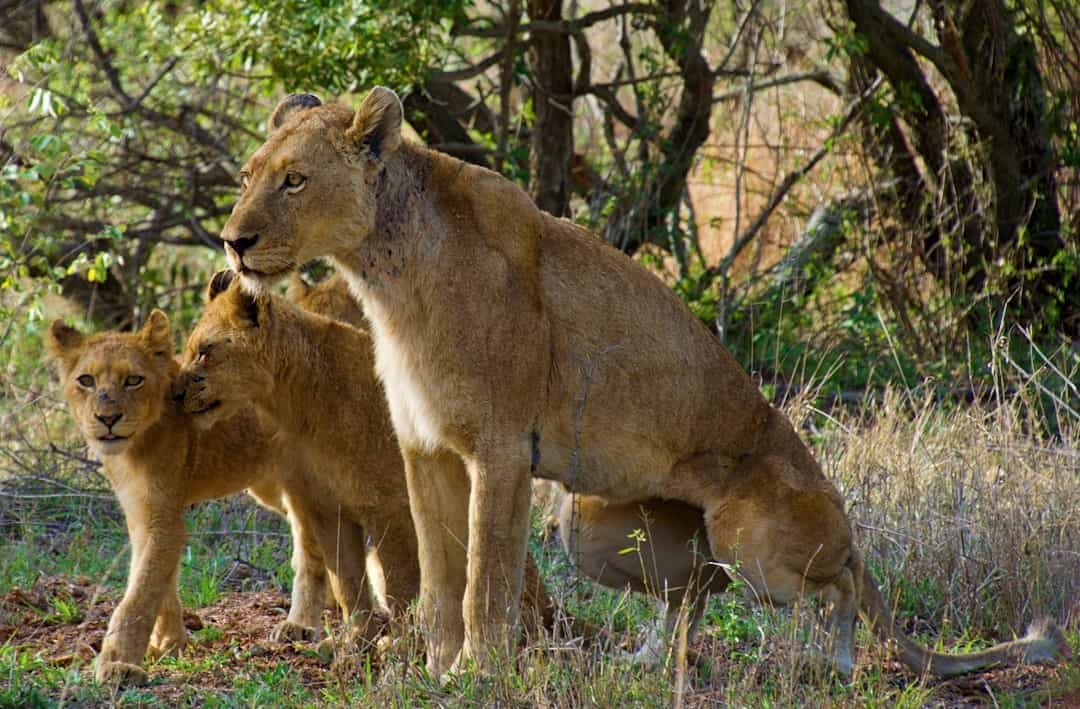
- Wildlife viewing – notable species include chinkara (Indian gazelle), nilgai, small carnivores and diverse birdlife
- Birdwatching – resident and migratory birds of scrub and dry-forest habitats
- Tribal villages – experience local culture and traditional crafts
- Trekking and nature trails – gentle hikes across the sanctuary
Unique Aspects
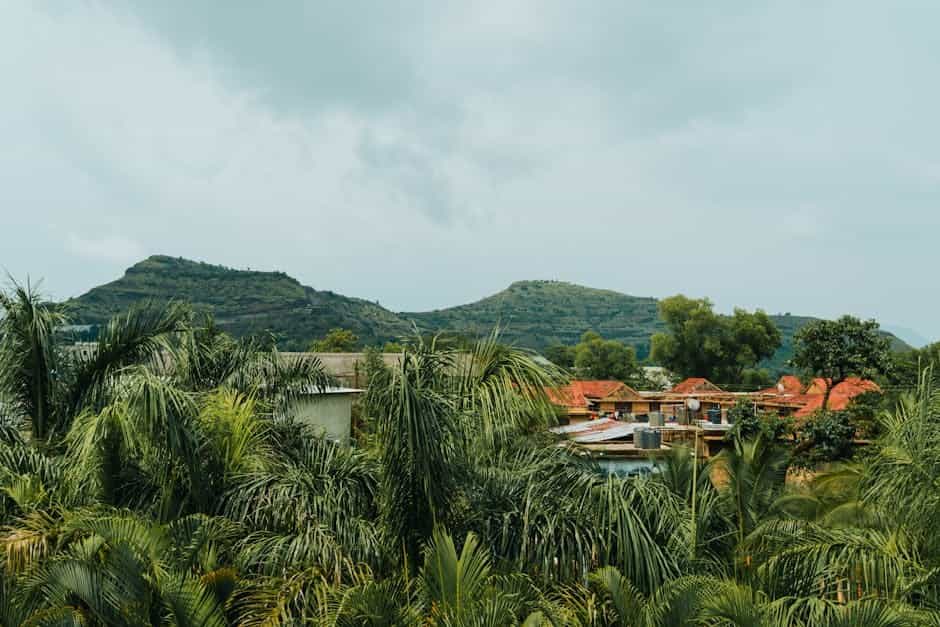
- An isolated semi-arid hill range with dry deciduous and thorn-scrub vegetation
- Limestone outcrops and rocky ridgelines offering panoramic views
- Habitat for chinkara and other ungulates, with good sightings possible in early morning/evening
- Rich but understudied bird community adapted to arid and scrub environments
- Cultural continuity: living traditions of local tribal communities linked to the landscape
Things to do
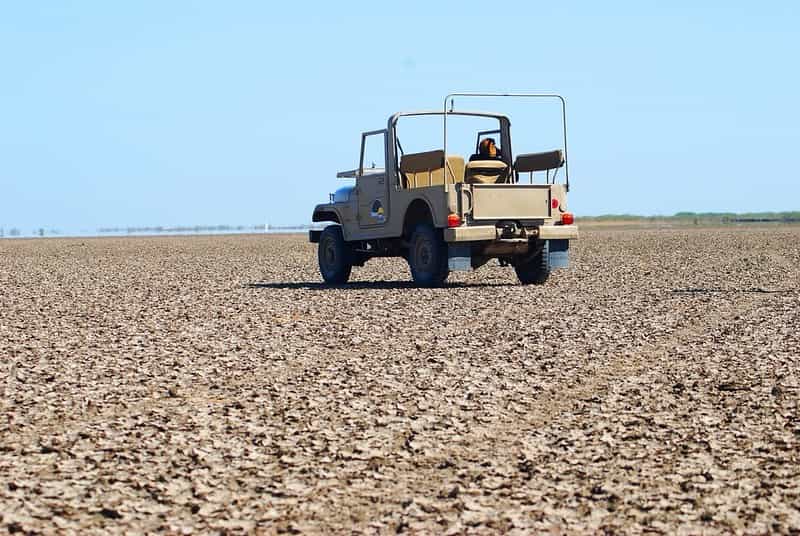
- Guided wildlife drives and safaris (arranged through the forest department or local operators)
- Birdwatching with binoculars and local guides
- Guided treks and short hikes to viewpoints
- Cultural visits to nearby tribal villages and community-run experiences
- Photography (wildlife, landscapes, and cultural life)
Best Time to Visit
October to March for pleasant temperatures and best wildlife activity; avoid the peak summer months. Monsoon (June–September) brings greenery but can limit access.
Weather Conditions
Semi-arid climate: hot summers (often exceeding 35–40°C), mild winters (around 10–25°C), and a monsoon season with most rainfall between June and September.
Accessibility
Nearest major towns and access points: Porbandar and surrounding Saurashtra towns. Porbandar has the closest airport and rail connections, while Rajkot is a larger regional hub further away. Road access is available but many internal sanctuary tracks are rough—a high-clearance vehicle or local transport arranged through the forest department/local guides is recommended.
Recommended Duration
A 1–2 day visit is ideal to explore key viewpoints, do wildlife watching at dawn/dusk, and visit a nearby village. Longer stays (3 days) for relaxed birding or participation in local activities.
Clothing & Gear Tips
Light, breathable clothing for daytime; warm layers for cool winter mornings/evenings. Sturdy walking shoes, hat, sunscreen, insect repellent, binoculars, and a refillable water bottle are recommended. Carry a basic first-aid kit.
Local Food & Souvenirs
Sample Gujarati cuisine and coastal Saurashtra specialties in nearby towns. In Porbandar you can find seafood-based dishes. Look for local tribal handicrafts, beadwork, bandhani textiles and handmade items as souvenirs; buy directly from communities when possible to support local livelihoods.