Calico Museum of Textiles, Gujarat
The Calico Museum of Textiles in Ahmedabad is one of the world's leading textile museums, established to preserve, study and display India's rich textile heritage. Founded in the mid-20th century by members of the Sarabhai family to conserve the collections associated with Calico Mills and regional craft traditions, it has become a major center for textile research, conservation and public education. The museum's collections span locally produced textiles of Gujarat and other Indian regions, South Asian garments, early printed cottons and rare handwork, providing insights into social, economic and artistic histories tied to textile production.
Last updated: 06 Jan 2026
Places to visit
- Patola (double ikat) from Patan — rare, precisely woven double-ikat saris renowned for complex geometric patterns.
- Bandhani and tie-dye — dazzling embroidered and resist-dyed textiles from Gujarat and Rajasthan.
- Ajrakh and block-printed cottons — traditional Ajrakh from Kutch with indigo and madder natural dyes.
- Mughal and court textiles — lavish brocades, painted and embroidered pieces reflecting elite patronage.
- South Asian embroidered garments — regional embroideries including kutch, phulkari and kantha.
- Early chintzes and European-influenced prints — examples showing global trade influences on Indian cottons.
- Costume and accessories — traditional garments, turbans, shawls and ceremonial textiles across centuries.
Unique Aspects
- A strong conservation and research program with a textile conservation laboratory.
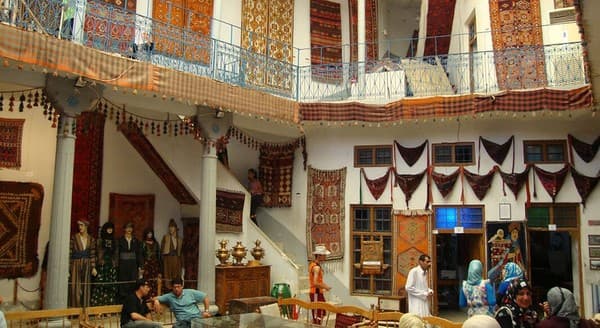
- Context rooms and installations that display textiles with historical information on usage and provenance.
- Rare manuscripts and archival materials related to textile production and trade.
- Exhibits that show techniques (weaving, dyeing, printing, embroidery) and sometimes working looms.
Things to do
- Guided, appointment-only tours led by knowledgeable museum staff (generally included with admission).
- Short educational talks/demonstrations on dyeing, block-printing and conservation (when scheduled).
- Research visits for scholars by prior arrangement to consult the museum's archives and collections.
- Temporary exhibitions that spotlight particular techniques, regions or historical themes.
Best Time to Visit
October to March — cooler, dry weather makes city travel more comfortable. Early mornings are best for quieter, focused visits.
Weather Conditions
Ahmedabad has a hot semi-arid climate: hot summers (April–June), monsoon rains (July–September) and pleasant winters (November–February). Dress for heat in summer.
Entry Fees & Permits
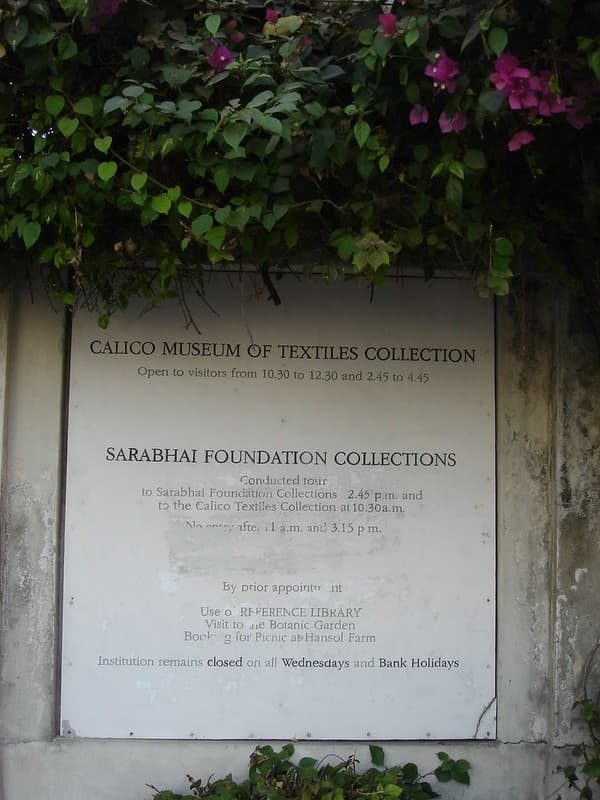
The museum operates largely on appointment-based guided visits; entry is typically by scheduled tour and may involve a modest fee or donation. Photography is usually restricted inside galleries. Exact entry fees, tour timings and days of operation vary—check the museum's official website or contact them by phone/email before planning.
Accessibility
Located in Ahmedabad city. Nearest major transport hubs: Sardar Vallabhbhai Patel International Airport (Ahmedabad) and Ahmedabad Junction railway station. Local taxis, ride-hailing services and city cabs provide convenient access. Because visits are guided and scheduled, inform the museum in advance about mobility needs; they can advise on on-site accessibility.
Recommended Duration
1–2 hours for the standard guided tour; longer if you are a researcher or wish to attend special sessions.
Clothing & Gear Tips
Wear comfortable, respectful clothing for a cultural site and comfortable shoes for walking. Carry a hat, water and sunscreen in hot months. Bring a small notebook or camera only if permitted.
Local Food & Souvenirs
Try Ahmedabad's street and Gujarati cuisine (dhokla, khaman, khandvi, fafda and local sweets). For souvenirs look for block-printed scarves, ajrakh textiles, embroidered pieces, or ethically sourced reproductions of traditional patterns from reputable shops or museum-affiliated outlets.