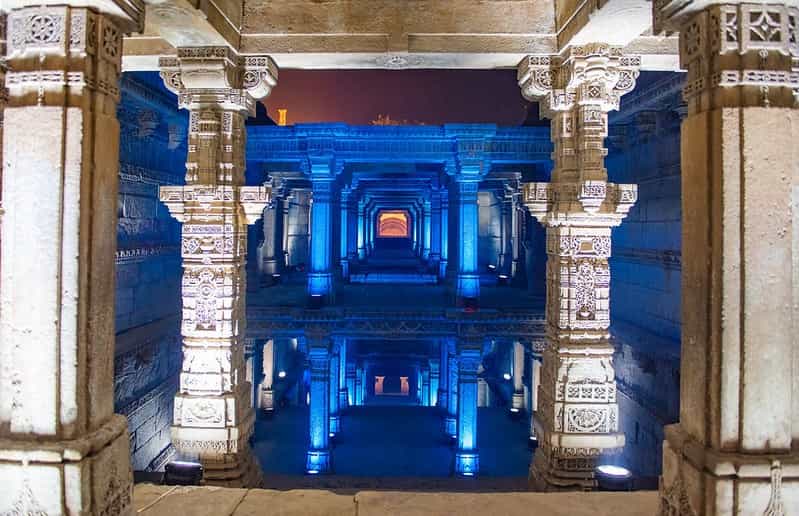
Dwarkadhish Temple, Gujarat
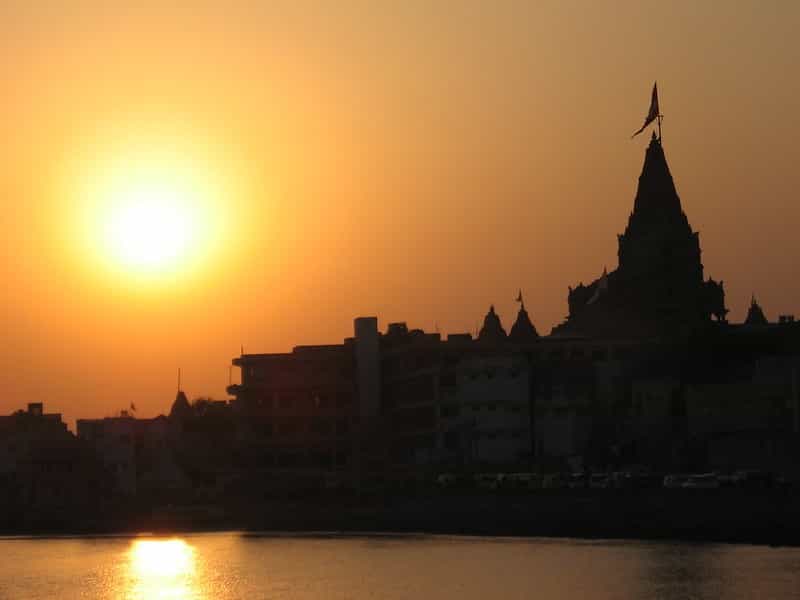
Dwarkadhish Temple (also known as Jagat Mandir) in Dwarka, Gujarat, is one of the most important Hindu temples dedicated to Lord Krishna (worshipped as Dwarkadhish, the 'King of Dwarka'). It is traditionally regarded as one of the four Dhams (Char Dham) and a major pilgrimage site in the Krishna tradition. The town of Dwarka is associated with the ancient kingdom of Krishna from the Mahabharata and with traditions of a submerged city at the site. The temple's continuous religious importance across centuries makes it central to regional culture, pilgrimage circuits, and Hindu devotional architecture.
Last updated: 23 Oct 2025
Historic Anecdotes
Local legend holds that Dwarka was Krishna's capital and was later submerged by the sea; the present temple marks the sacred site. Stories associated with the temple include many episodes from Krishna's life—his kingship, episodes with Rukmini and other devotees—and tales of miraculous preservation of the idol through ages. Traditions also emphasize the temple's ancient lineage of priests and ritual continuity, and the changing of the temple flag by hereditary servitors is considered auspicious.
Places to visit
- Sanctum sanctorum (Garbha Griha) housing the idol of Dwarkadhish (Krishna as king)
- Daily aartis and ritual ceremonies—morning and evening aarti are major draws
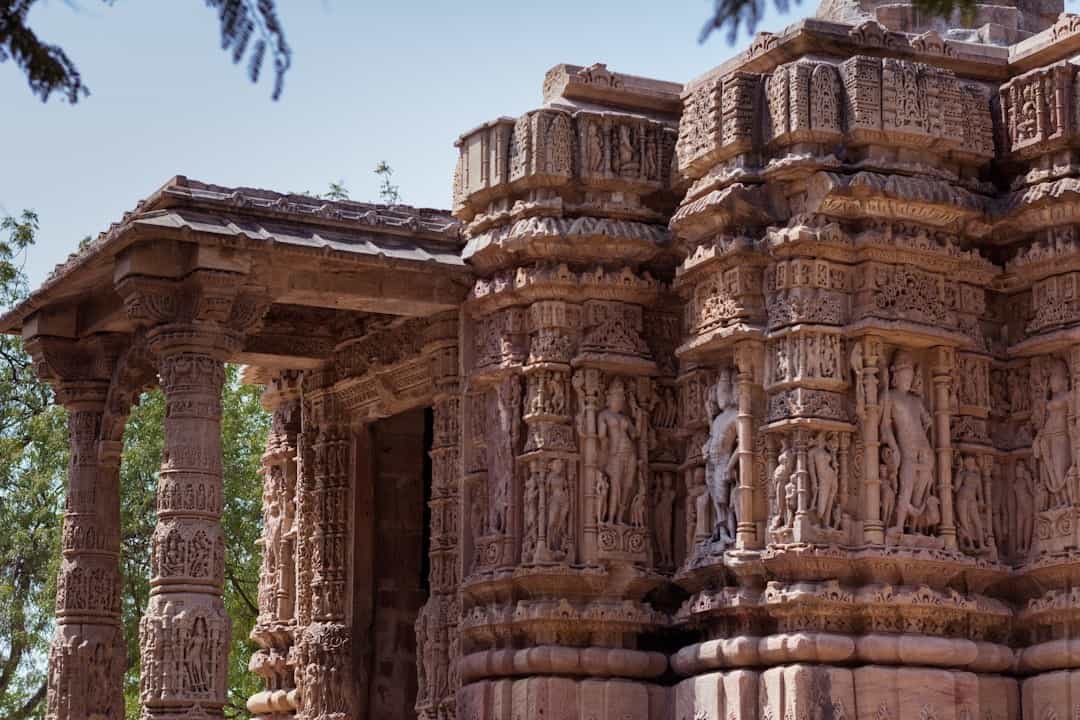
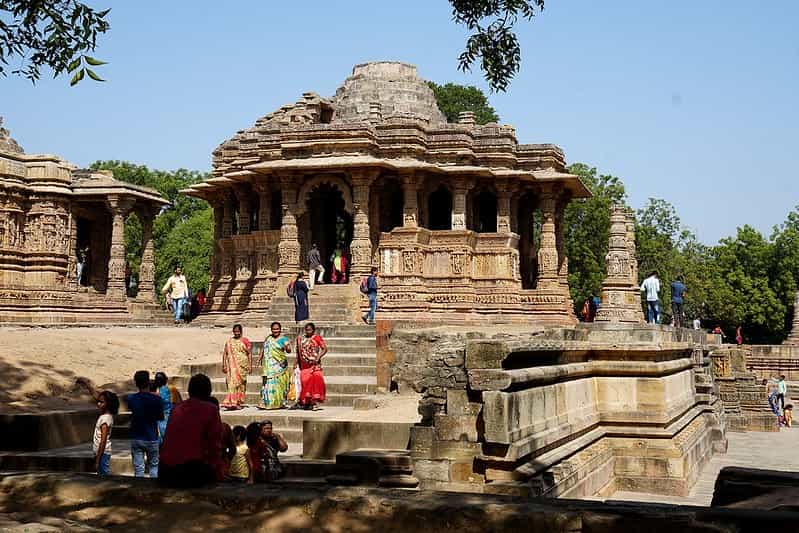
- Temple architecture and intricately carved exterior and mandapas
- The bustling old temple precinct and lanes with shops offering puja items and souvenirs
- Nearby pilgrimage sites: Bet Dwarka (island), Rukmini Devi Temple, Gomti Ghat
Unique Aspects
- Vibrant devotional atmosphere with continuous bhajans, bells and chanting
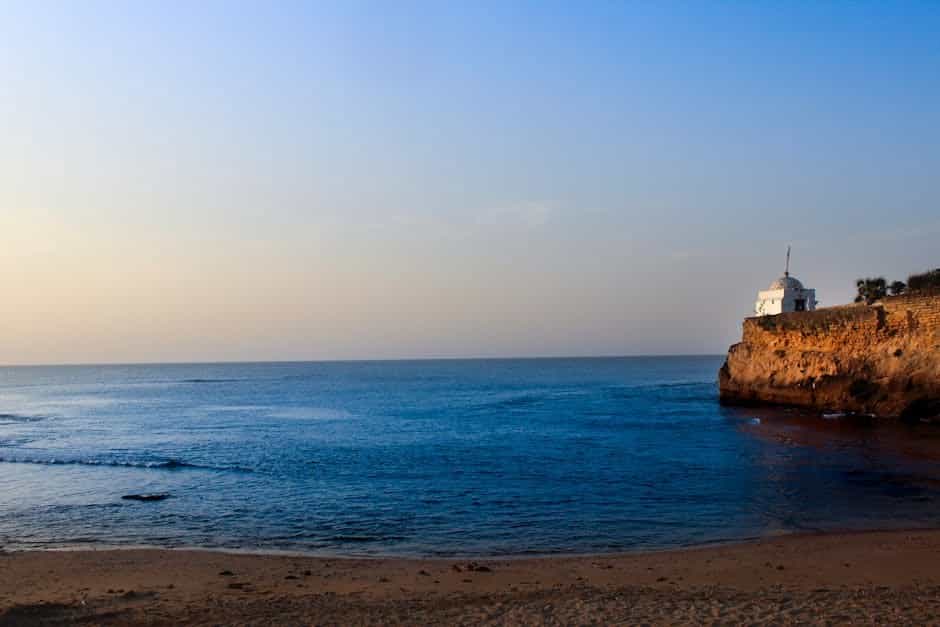
- Maritime setting on the Arabian Sea coast; ties to the legend of submerged Dwarka
- Historic ritual practices preserved by traditional priestly lineages
- Colorful temple flags, bells, and brass/metalwork typical of Gujarati temple art
Things to do
- Darshan (visiting the sanctum) and participating in aarti
- Joining or listening to bhajan sessions and religious discourses
- Exploring the old market area for devotional items, handicrafts and snacks
- Visiting nearby temples and sites on a pilgrim circuit (Bet Dwarka, Rukmini Temple)
- Boat rides to Beyt/Beth Dwarka and coastal sightseeing
Festivals & Events
- Janmashtami (Lord Krishna’s birthday) — major celebrations and large pilgrim turnout
- Diwali and Holi — regionally celebrated with temple rituals
- Local temple anniversaries and special puja days with larger processions and events
- Kartika and other auspicious days in the Hindu calendar when pilgrim numbers rise
Best Time to Visit
October to March (pleasant weather and ideal for sightseeing and pilgrimage). Early mornings are best for quieter darshan and cooler temperatures.
Weather Conditions
Coastal climate: hot summers (April–June), monsoon rains (June–September) with humid conditions, and mild to pleasant winters (October–February).
Entry Fees & Permits
Entry to the temple is generally free; donations and offerings are customary. Typical visiting hours span early morning to late evening with scheduled aartis, but times can vary by season—check locally or with temple authorities for exact aarti timings and special-event schedules.
Accessibility
Dwarka is accessible by road and rail. There is a railway station in Dwarka with connections to major cities; road services (state buses, taxis) connect to nearby towns and cities. The closest major airports are in the region (travelers usually use regional airports or connect via larger hubs). Temple precincts include steps and traditional structures that may limit wheelchair access in some areas; comfortable walking and removing shoes are required for darshan.
Recommended Duration
Plan for at least a half-day to a full day to cover the temple, nearby ghats and the local market; a 1–2 day stay is ideal if you plan to visit Bet Dwarka and other nearby pilgrimage sites.
Clothing & Gear Tips
Wear modest, comfortable clothing suitable for a religious site; light cotton in summer, a light jacket in winter. Carry a hat/umbrella, sunscreen, refillable water bottle and comfortable footwear (you will remove shoes for darshan).
Local Food & Souvenirs
Try local Gujarati vegetarian fare (thali, farsan) and coastal snacks; seafood is available in the region for non-vegetarians. Souvenirs include religious symbols and idols, brassware, prayer beads, devotional music CDs, and local handicrafts. Respect temple rules about offerings and purchases.