Historic City of Ahmedabad (UNESCO), Gujarat
Historic City of Ahmedabad (founded 1411 CE by Sultan Ahmed Shah) is a major example of an evolving medieval port-town and fortified city in India. The walled city preserves an exceptional ensemble of Indo-Islamic and vernacular architecture: mosques, tombs, havelis, civic spaces, stepwells (vavs), and the distinctive 'pol' neighborhood system. Its urban morphology, traditional civic institutions and craft traditions (textiles, block-printing, metalwork) demonstrate continuity of cultural practices and communal living patterns that contributed to its inscription as a UNESCO World Heritage Site (2017).
Last updated: 30 May 2026
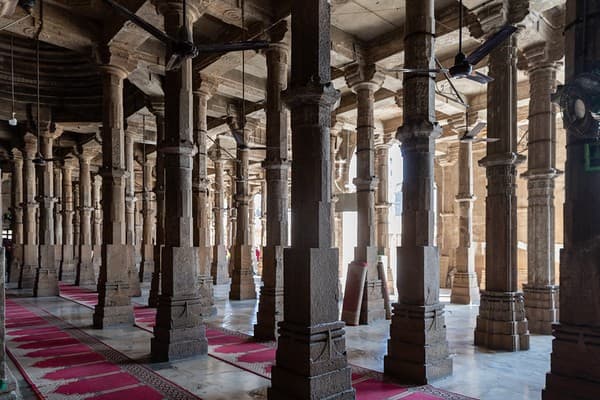
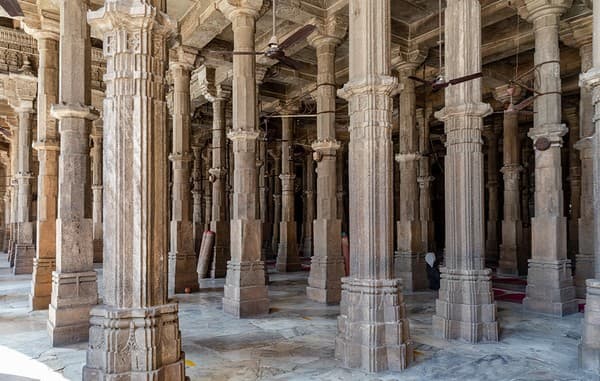
Historic Anecdotes
Local traditions recall the city's founding by Sultan Ahmed Shah who selected the site and laid out the first citadel and gates. The Sidi Saiyyed Mosque is famed for its carved stone window popularly called the 'Tree of Life' — a motif that has become symbolic of Ahmedabad. Pol neighborhoods are associated with centuries-old community governance customs and interwoven family histories that are still alive through festivals, oral histories, and craft lineages.
Places to visit
- Bhadra Fort and Bhadra Palace
- Jama Masjid (15th century) - prominent Indo-Islamic mosque
- Sidi Saiyyed Mosque - famed jali (stone lattice) work
- Teen Darwaza and Lal Darwaza** - historic gates and ceremonial spaces
- Historic Pol neighborhoods (e.g., Gali Shreeji, Shahpur, Teen Darwaza areas)
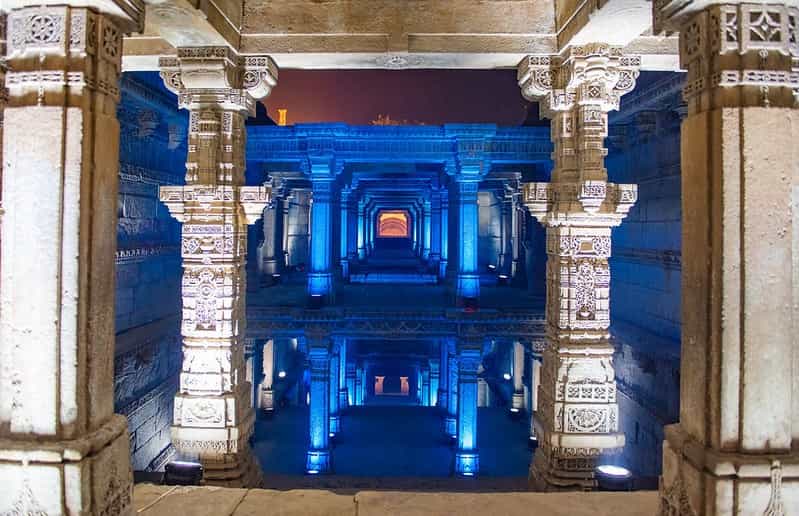
- Adalaj Stepwell (Adalaj Vav) (nearby; often visited with the old city)
- Calico Museum of Textiles (by appointment) - world-class textile collection
- Manek Chowk - day market & renowned night street-food hub
- Heritage bazaars: Khanpur, Bhadra, and traditional crafts markets
Unique Aspects
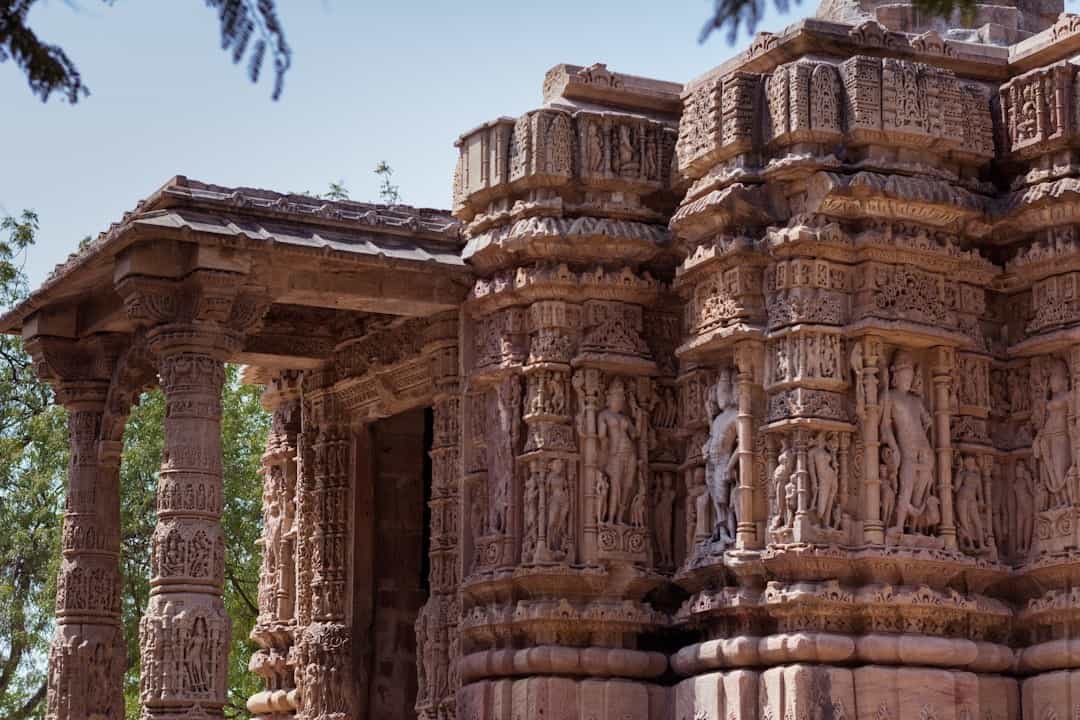
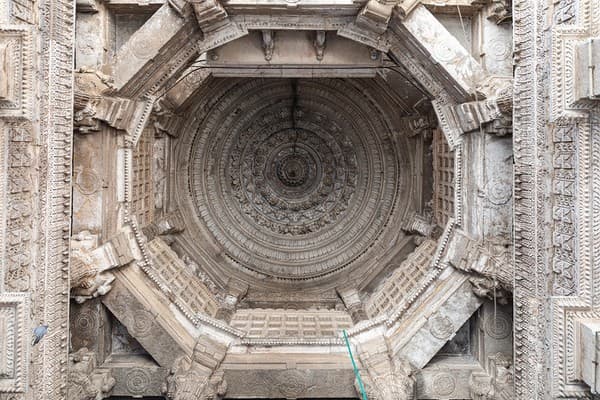
- Intricate carved stone jali screens and Indo-Islamic ornamental carving
- Tightly-knit 'pol' housing clusters with carved wooden facades and inner courtyards
- Historic stepwells (vavs) demonstrating traditional water management and ornamentation
- Blend of Hindu, Jain and Islamic religious architecture and urban forms
- Living craft traditions: block printing, bandhani, handloom textiles and embroidery
- Narrow winding lanes and civic landmarks that illustrate medieval urban planning
Things to do
- Guided heritage walks through the walled city and pol neighborhoods (recommended early morning or late afternoon)
- Visit and photograph the Sidi Saiyyed jali, Jama Masjid and other monuments
- Explore Calico Museum of Textiles (pre-booking required) and small craft workshops
- Evening and late-night street food at Manek Chowk (from around 9 PM)
- Attend a traditional Garba session during Navratri or observe kite-flying at Uttarayan
- Shopping for textiles, bandhani, block-printed fabrics and traditional crafts
- Boat/Leisure time at Kankaria Lake (nearby) and heritage light displays
Festivals & Events
- Uttarayan (Makar Sankranti) — January kite festival (very large, citywide)
- Navratri (Garba) — September–October (large community celebrations in the city)
- Ahmedabad Heritage Walks and heritage festivals organized by local NGOs (INTACH, local guides)
- Seasonal craft fairs and textile-related exhibitions (check city events calendar)
Best Time to Visit
October to March (cool, dry season): comfortable temperatures and many festivals. Avoid peak summer months (April–June) if possible.
Weather Conditions
Summers (Apr–Jun): hot, often exceeding 40°C. Monsoon (Jul–Sep): humid with rain. Winters (Nov–Feb): mild and pleasant (10–25°C).
Entry Fees & Permits
Most historic mosques and public monuments are free to enter (donations welcome). Some heritage sites and museums charge nominal fees (typically INR 10–300). Calico Museum requires prior appointment and has specific visiting hours. Typical monument visiting hours are roughly 9:00–17:00, but timings vary — check site-specific information before visiting.
Accessibility
Nearest airport: Sardar Vallabhbhai Patel International Airport (AMD) — ~13–20 km from the walled city. Major rail hub: Ahmedabad Junction (Sabarmati). The walled old city has narrow lanes — best accessed on foot, by cycle-rickshaw, or auto-rickshaw; cars and large buses are restricted in many areas. Public buses and taxis/ride-hailing available for wider city travel.
Recommended Duration
For the historic core: 1–2 full days. To explore museums, nearby stepwells and broader Ahmedabad highlights: 3–4 days.
Clothing & Gear Tips
Wear modest clothing for religious sites (shoulders and knees covered). Comfortable walking shoes for cobbled lanes, a sunhat and water bottle for hot months, and an umbrella/raincoat during monsoon. Carry a light jacket for cooler winter evenings.
Local Food & Souvenirs
Must-try foods: Gujarati thali, dhokla, khandvi, fafda-jalebi, street chaat at Manek Chowk and local sweets. Souvenirs: bandhani textiles, block-printed fabrics, embroidered items, handloom scarves, brassware and small handicrafts. For curated textile purchases and guided context, visit the Calico Museum gift/associated shops or reputable textile shops in the city.