Hutheesing Jain Temple, Gujarat
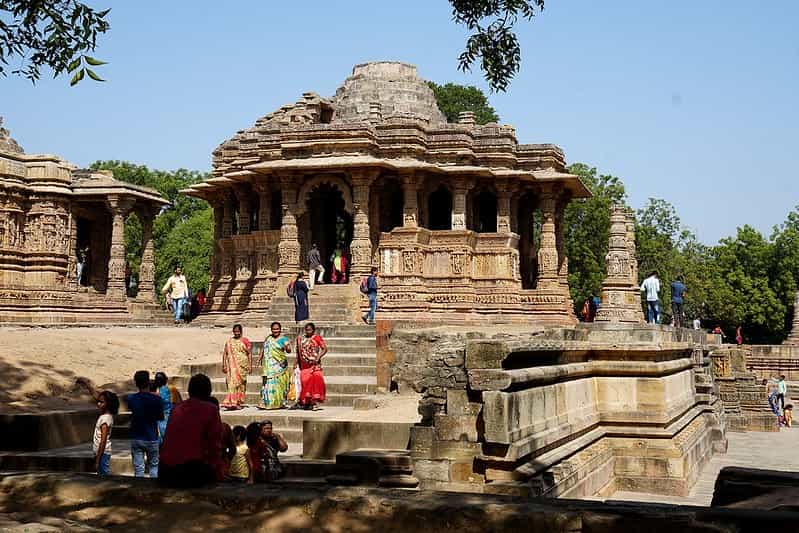
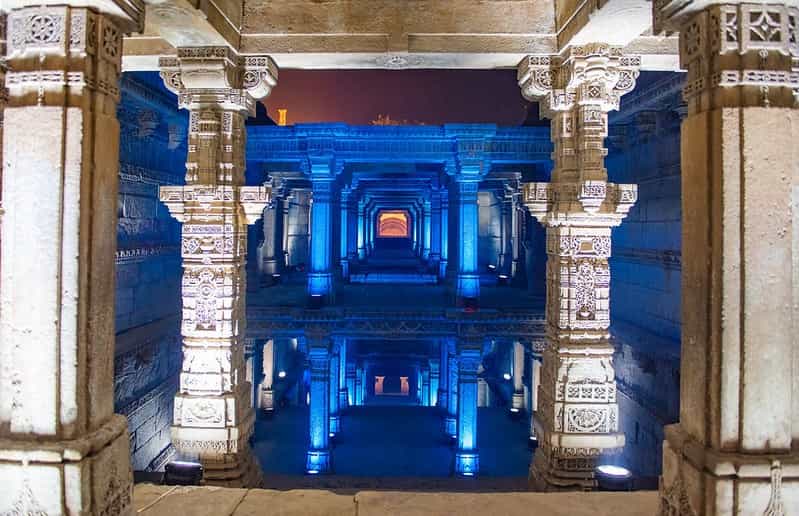
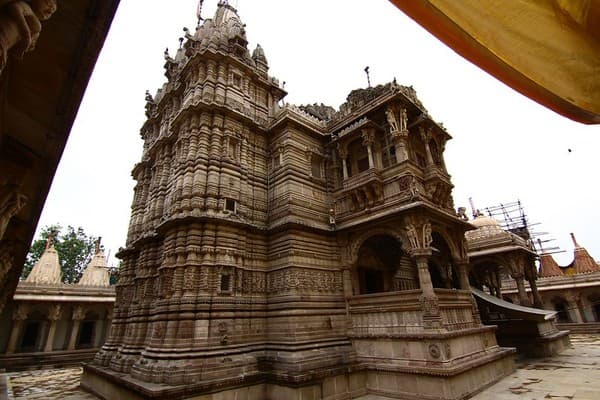
Hutheesing Jain Temple (Ahmedabad, Gujarat) is a major 19th‑century Jain temple complex built in 1848. Commissioned by Sheth Hutheesing Kesarisinh, it is an important example of Gujarati Jain architecture and marble carving from the period. The temple has served both religious and civic roles — as a centre of worship for the Svetambara Jain community and as a philanthropic public‑works project that provided employment to artisans during a local famine.
Last updated: 06 Jan 2026
Historic Anecdotes
Local accounts emphasize the temple's origin as a relief project: the Hutheesing family funded construction to provide work for craftsmen during hard times. The temple is also associated with stories of community unity and devotion; its name commemorates the Hutheesing family patrons rather than a mythological legend.
Places to visit
- Main sanctum (garbhagriha) dedicated to the Tirthankara Dharmanatha
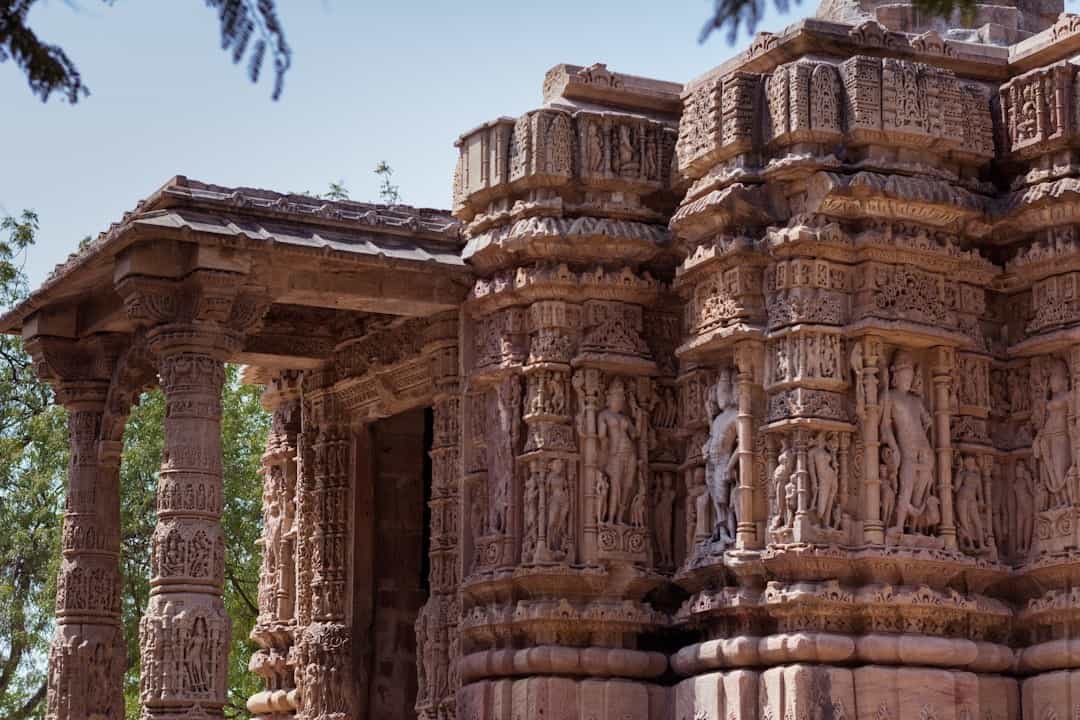
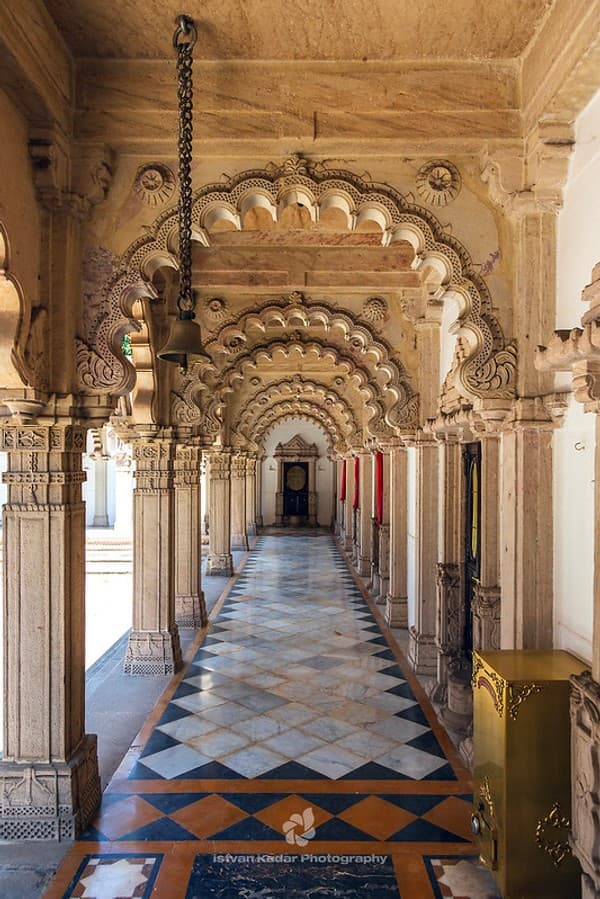
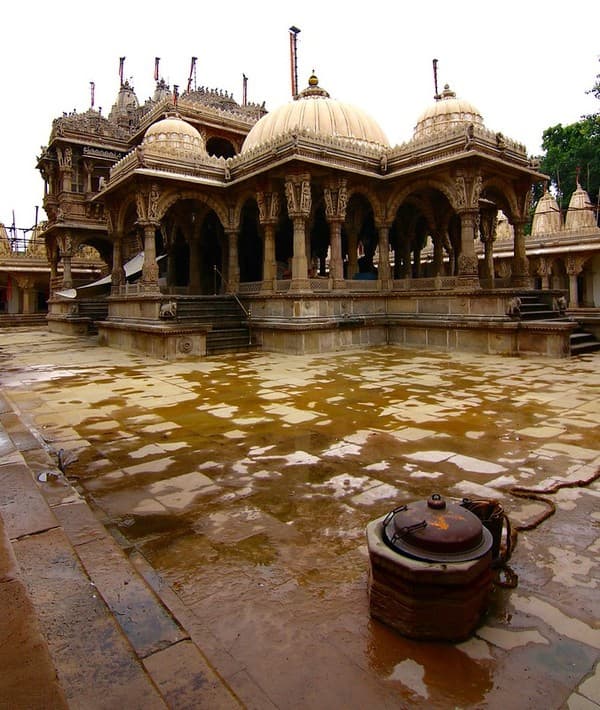
- Elaborately carved marble façade and interior — pillars, ceilings and toranas
- Open sabha-mandap and pillared corridors for congregational worship
- Series of smaller shrines/devakulikas that surround the main shrine
- Intricate stone carvings depicting Jain iconography and floral motifs
Unique Aspects
- Constructed primarily of white marble with detailed hand-carved ornamentation
- Blend of traditional Jain temple elements with local Gujarati craftsmanship
- Important centre for major Jain festivals and rituals
- An urban temple complex located in Ahmedabad’s old city, accessible to visitors
Things to do
- Darshan and prayer — participate in or observe daily worship
- Study and admire intricate marble carvings and architectural details
- Join or observe aarti and bhajan sessions in the morning/evening (when held)
- Take a guided tour (where available) or use self-guided observation to learn history
- Photography of exteriors and permitted interior areas (respect temple rules)
Festivals & Events
- Paryushan/Das Lakshana — major Jain observance celebrated with rituals and scripture recitation
- Mahavir Jayanti — birthday of Lord Mahavira, marked with special prayers
- Diwali (Jain observance)** — celebrated by Jains with lamps and temple rituals
- Local community events and religious assemblies organized by the temple trust
Best Time to Visit
October to March for pleasant weather; visit early morning to avoid crowds and to experience morning rituals
Weather Conditions
Ahmedabad has hot summers (April–June), a monsoon season (July–September), and mild winters (November–February). Plan accordingly.
Entry Fees & Permits
Typically free entry; many temples welcome donations. Common visiting hours are early morning to noon and late afternoon to evening (for example, roughly 6:00–12:00 and 16:00–20:00), but timings can vary — check locally before visiting.
Accessibility
Nearest airport: Sardar Vallabhbhai Patel International Airport (Ahmedabad). Nearest major railhead: Ahmedabad Junction. The temple is in Ahmedabad’s old city and is accessible by local buses, auto‑rickshaws, taxis and app-based cabs. Note: some parts of the complex may have steps and limited wheelchair access — confirm accessibility options in advance.
Recommended Duration
1–2 hours to explore the temple, attend darshan, and view carvings at a relaxed pace
Clothing & Gear Tips
Dress modestly (shoulders and knees covered). Remove shoes before entering sanctified areas. Carry a scarf or shawl if you want additional coverage. Carry bottled water and sun protection for travel between sites.
Local Food & Souvenirs
Sample nearby Gujarati vegetarian snacks (dhokla, khaman, fafda) and sweets. Buy religious books, small marble or stone carvings, and local handicrafts as souvenirs from nearby shops.