Indian Wild Ass Sanctuary, Little Rann of Kutch, Gujarat
Indian Wild Ass Sanctuary (Little Rann of Kutch) is one of Gujarat's most important protected areas, established in 1973 to conserve the Indian wild ass (Equus hemionus khur). It protects a rare saline desert–wetland ecosystem (the Little Rann) and its adjoining Banni grasslands, supporting unique flora and fauna and a seasonal influx of migratory birds. The sanctuary is a conservation success story — the khur population recovered through targeted protection measures — and it plays an important role in local pastoralist (Maldhari) culture and livelihood.
Last updated: 23 Oct 2025
Places to visit
- Indian Wild Ass (Khur) sightings — the main draw and the largest wild ass population in India
- Birdwatching — migratory and resident species including greater and lesser flamingos, pelicans, egrets, and shorebirds
- Expansive salt flats (the 'Rann') — stark white landscapes that are striking at sunrise/sunset
- Banni Grasslands — grazing ecosystem adjacent to the salt plain with unique grass species and rural life
- Village and cultural visits — interactions with Maldhari pastoralist communities and local crafts
Unique Aspects
- Largest protected population of the Indian wild ass
- Unique saline desert + seasonal wetland habitat that floods in monsoon and attracts birds
- Expansive, photogenic white salt plains offering wide-open vistas and dramatic light
- Traditional pastoralist culture of the Maldhari communities
Things to do
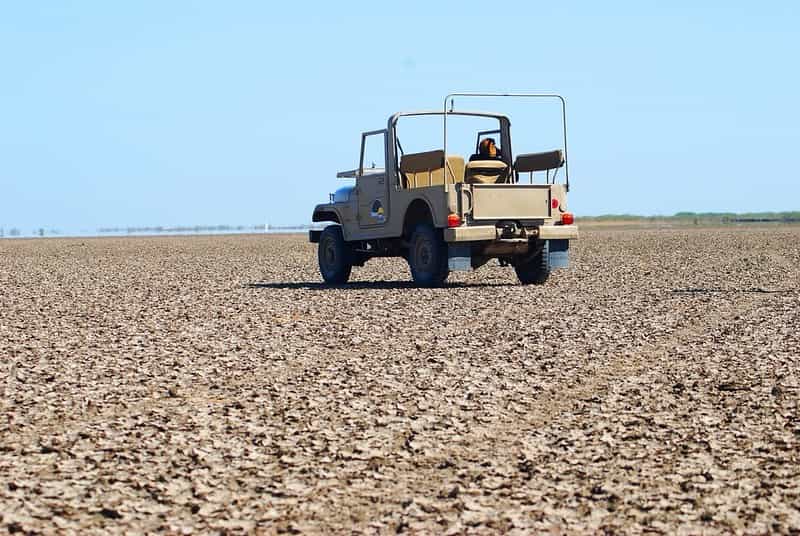
- Early-morning and late-afternoon 4x4 safaris to view wild asses and other wildlife
- Birdwatching and photography — bring a telephoto lens and binoculars
- Guided nature drives with forest department guides
- Visiting Banni villages to learn about Maldhari life and crafts
- Camping and landscape photography on the salt flats (where permitted)
Best Time to Visit
October to March — cool, dry weather and peak birding; winter mornings are best for wildlife sightings. Monsoon (July–September) floods parts of the Rann and transforms the landscape but makes access difficult. Summers (April–June) are extremely hot and less comfortable for visitors.
Weather Conditions
Arid to semi-arid climate: hot summers (often above 40–45°C), mild to cool winters (nights can drop to single digits), and a monsoon season that floods the salt flats seasonally. Carry sun protection year-round.
Accessibility
Gateway towns and bases: Dasada is the common tourist/administrative base near the sanctuary. Nearest major cities/airports: Bhuj (regional airport, closer) and Ahmedabad (major airport, ~200–300 km by road). Road access is the usual approach — private vehicles, hired 4x4s or organized tours are recommended because roads across the Rann/salt flats need appropriate vehicles. Public transport to the immediate sanctuary is limited; contact local tour operators or the forest department for guidance and permits.
Recommended Duration
1–2 days for a focused visit (wild ass drive + birding); 2–3 days recommended for dedicated birders or photographers.
Clothing & Gear Tips
Light, breathable clothing for daytime; a wide-brim hat, sunglasses, and high-SPF sunscreen. Warm layers for chilly winter mornings and nights. Good walking shoes or boots, a waterproof layer for the monsoon, binoculars, telephoto camera lens, extra water, and a basic first-aid kit.
Local Food & Souvenirs
Local Gujarati and Kutch cuisine available in Dasada and nearby towns — simple home-style meals. Souvenirs include Kutch handicrafts: embroidery, mirror-work textiles, Ajrakh prints, leatherwork and other traditional crafts sold in regional markets and at Rann Utsav stalls.