Jambughoda Wildlife Sanctuary, Gujarat
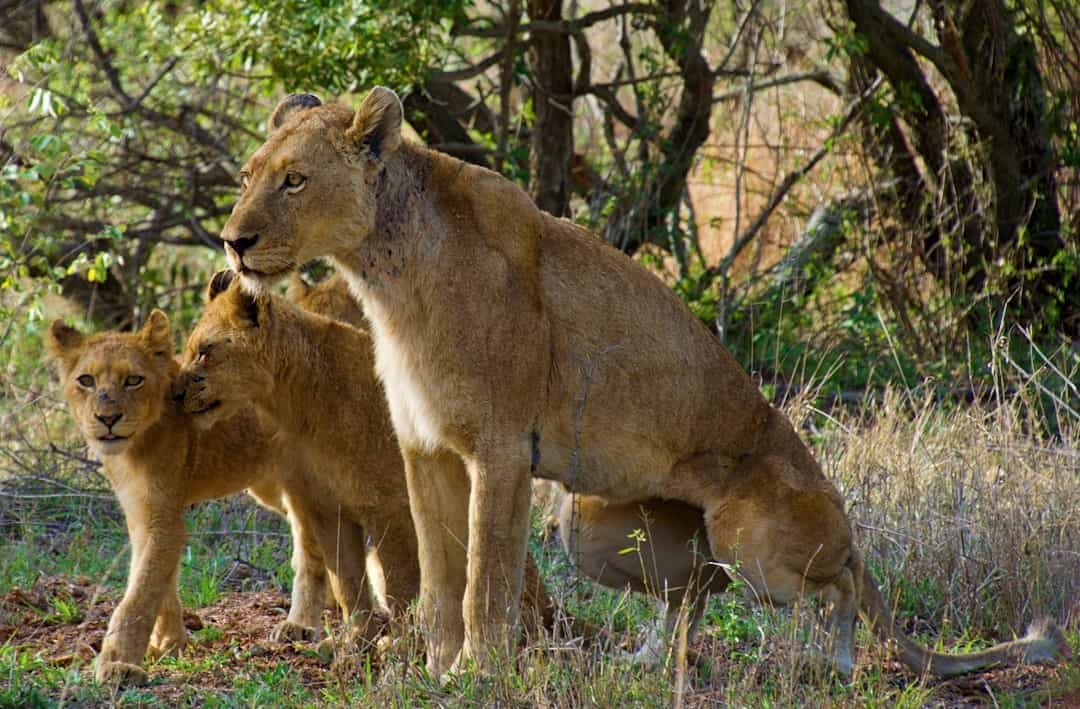
Jambughoda Wildlife Sanctuary protects a patch of semi-evergreen and mixed dry deciduous forests in Gujarat and preserves regional biodiversity including mammals, birds and reptiles. It is ecologically important as a corridor between forested hill tracts of the region and supports populations of leopards, sloth bears and herbivores. The sanctuary also overlaps with areas historically linked to the local princely estate (Jambughoda State), and nearby communities maintain tribal cultural traditions that are tied to the forest landscape.
Last updated: 23 Oct 2025
Places to visit
- Dense dry deciduous and semi-evergreen forest patches
- Wildlife sightings: leopard, sloth bear, sambar, chital (spotted deer), nilgai and jungle cat
- Rich birdlife including Indian peafowl, Indian roller, parakeets, raptors and numerous forest passerines
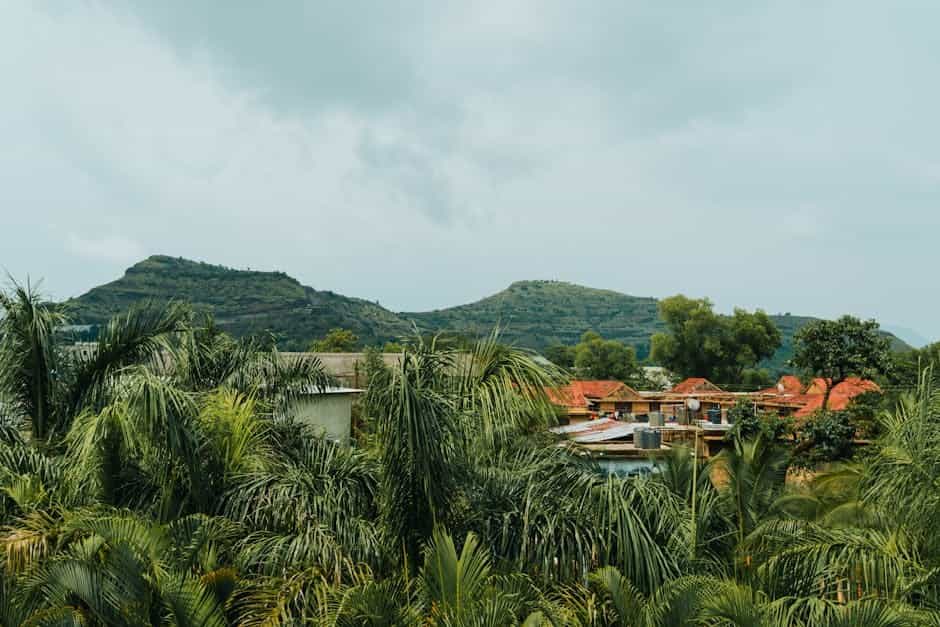
- Scenic hills, seasonal waterfalls and streams (best seen during/after monsoon)
- Jambughoda Palace (historic landmark nearby) and tribal villages providing cultural insight
Unique Aspects
- Relatively undisturbed forested hills offering good chances of encountering shy mammals like sloth bear and leopard
- Seasonal waterfalls and lush greenery during the monsoon that transform the landscape
- Community-managed patches and sacred groves reflecting traditional conservation practices
- Good opportunity for birdwatching and nature photography due to mixed habitats
Things to do
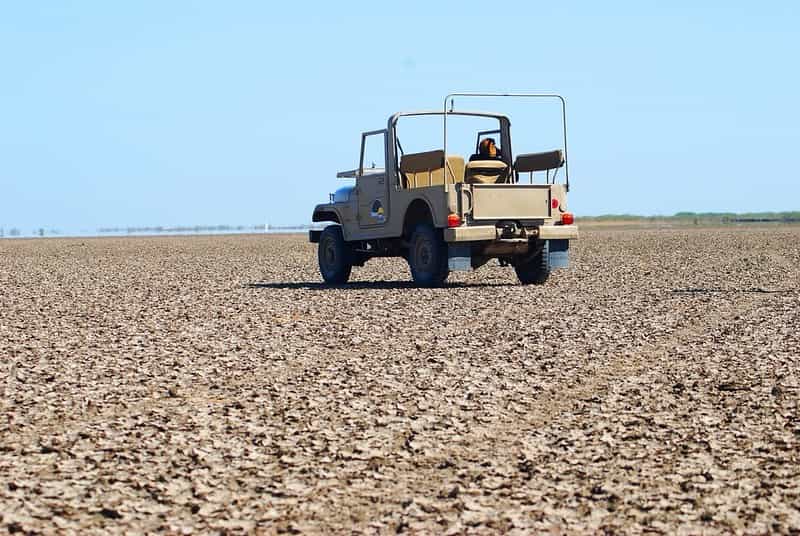
- Guided wildlife drives and walks (organized by the forest department or local guides)
- Birdwatching — morning and late afternoon are best
- Short treks and nature trails on marked paths
- Photography of landscapes, birds and mammals
- Visiting nearby tribal villages and local markets to experience culture and pick up handicrafts
- Staying at heritage properties or eco-camps near the sanctuary
Best Time to Visit
October to March for comfortable weather and better wildlife visibility; monsoon (July–September) for lush scenery and waterfalls but expect slippery trails and limited access.
Weather Conditions
Hot summers (April–June), heavy monsoon rains (July–September) and mild winters (October–February). Day temperatures can be high in summer; nights are cool in winter.
Accessibility
Nearest major transport hubs: Vadodara is the closest major city with rail and air connections. Access to the sanctuary is by road; private car or taxi from nearby towns is the usual option. Local roads can be narrow and winding — a high-clearance vehicle is useful during the monsoon.
Recommended Duration
Plan for 1–2 days if combining wildlife viewing with a short trek and a village visit; 2–3 days if you want a relaxed schedule with more birdwatching and photography time.
Clothing & Gear Tips
Light, breathable clothing for daytime; warm layers for early mornings and winter nights. Sturdy walking shoes, rain jacket for monsoon, hat, sunscreen, insect repellent, binoculars and a field guide or bird app for identification.
Local Food & Souvenirs
Try local Gujarati cuisine in nearby towns; look for tribal handicrafts, woven items and locally made honey or spices as souvenirs. Respect local customs when photographing or interacting with community members.