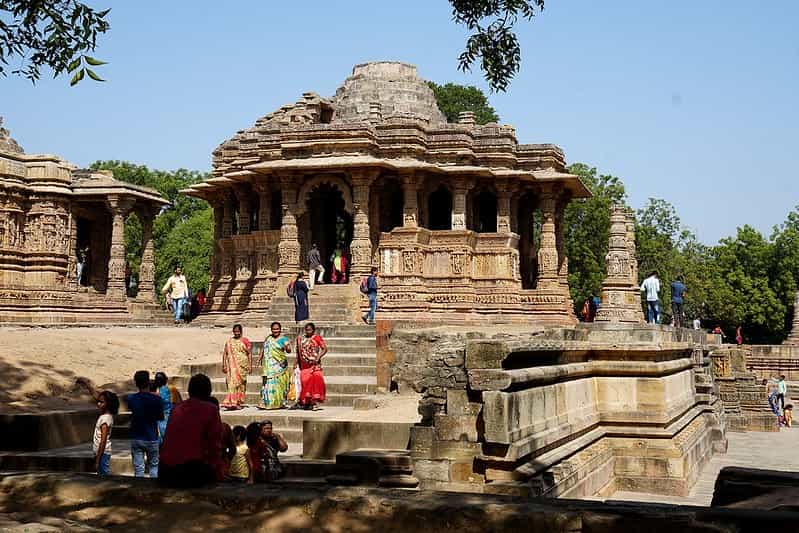
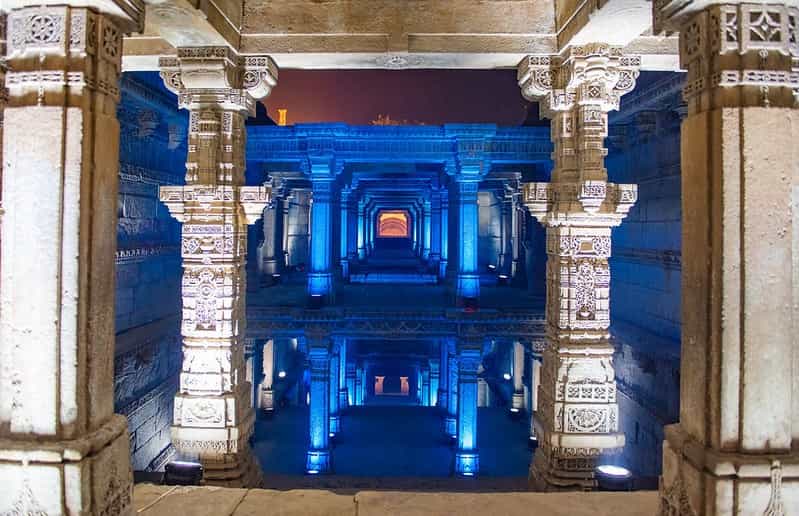
Kutch, Gujarat
Kutch is a region of high historical, cultural and natural importance: it hosts the Harappan archaeological site of Dholavira, centuries-old trading and maritime heritage along its coast, and a rich tapestry of tribal cultures (Kutchi, Rabari, Koli and others). Ecologically Kutch includes the Great Rann of Kutch — one of the world’s largest salt deserts — the Banni grasslands and unique saline wetlands that support diverse wildlife and migratory birds.
Last updated: 23 Oct 2025
Places to visit
- Great Rann of Kutch (White Rann) — vast salt desert and sunset/stargazing spot
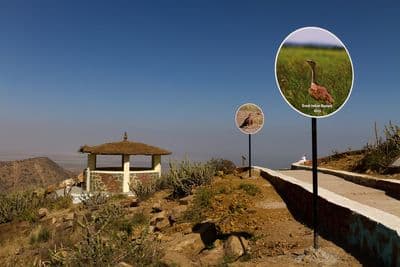
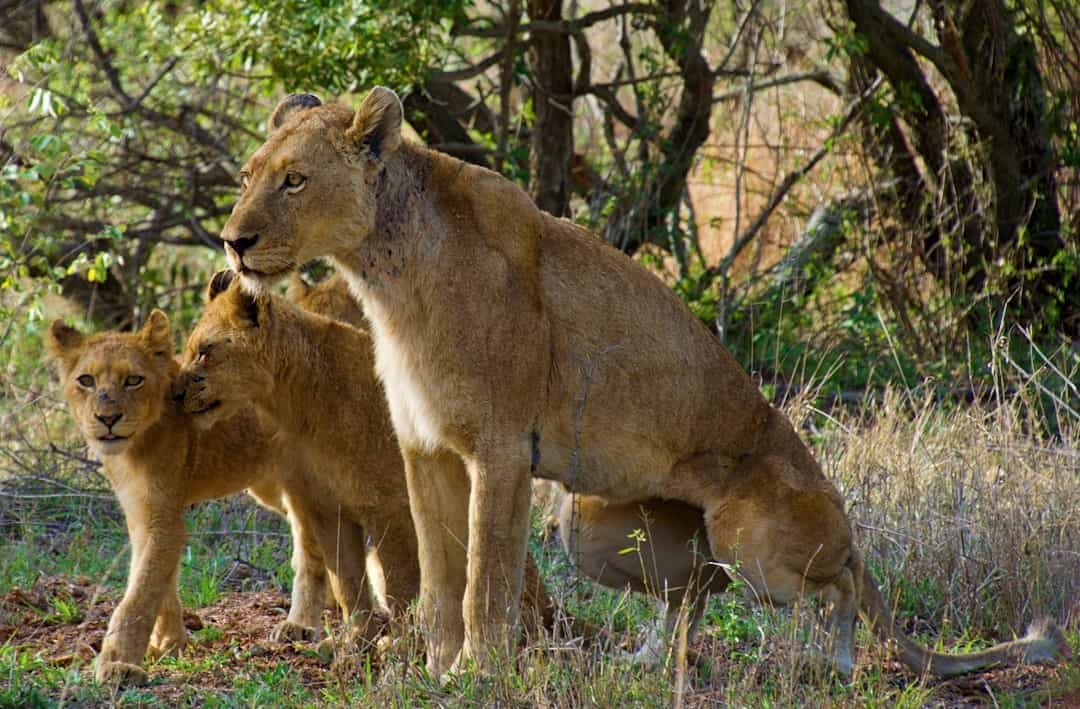
- Little Rann of Kutch / Indian Wild Ass Sanctuary — wildlife and birding
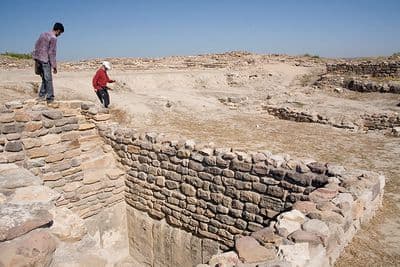
- Dholavira (Harappan archaeological site) — major Indus Valley civilization site
- Bhuj and Bhujodi craft village — museums, markets and crafts
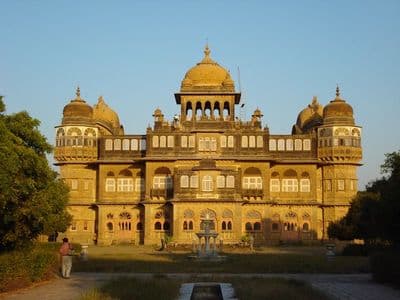
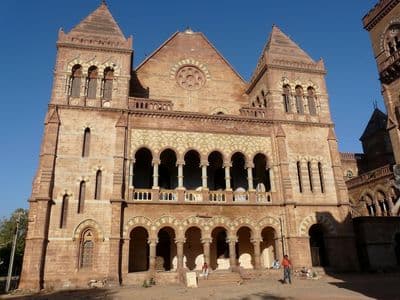
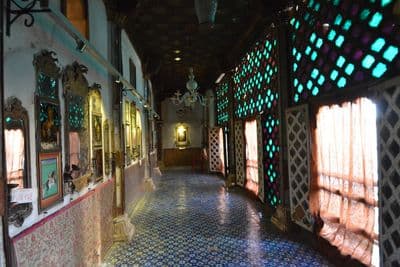
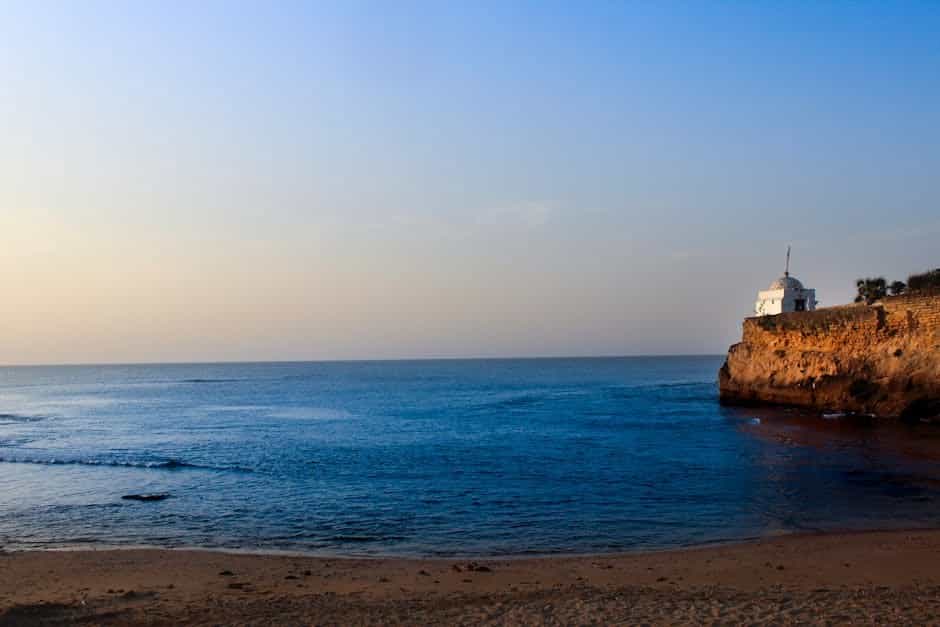
- Mandvi Beach and Vijay Vilas Palace — beach, palace and shipbuilding history
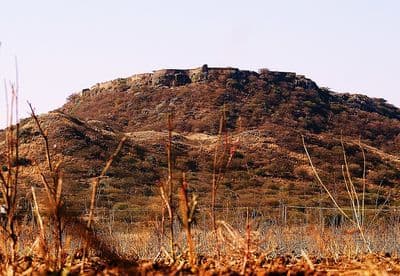
- Kalo Dungar (Black Hill) & the Rann Utsav viewing points
- Banni Grasslands — pastoral landscapes and birdlife
- Narayan Sarovar — sacred lake and temple complex
- Nirona — home of Rogan art and traditional crafts
Unique Aspects
- Seasonal salt flats that form a brilliant white desert (best experienced in dry season)
- Unique saline and semi-arid ecosystems supporting migratory birds (flamingos, pelicans) and desert-adapted fauna
- Rich, living tribal craft traditions: bandhani, Kutchi embroidery, mirror-work, Rogan painting, Ajrakh
- Traditional circular mud houses (bhungas) built for seismic resilience and climate adaptation
- Diverse landscape contrasts — salt desert, grasslands, wetlands, coastline and archaeological ruins
- Colors, music and handicrafts that make for vivid cultural photography and shopping
Things to do
- Attend the Rann Utsav for cultural performances, crafts and local cuisine
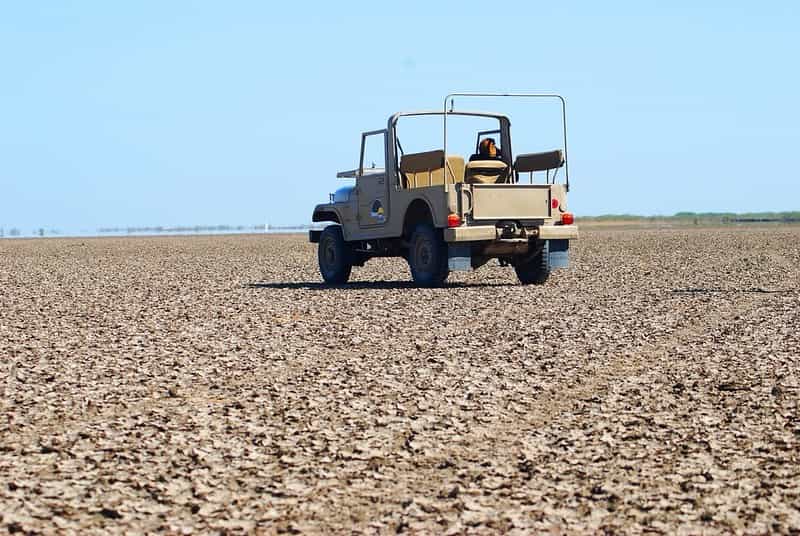
- Jeep or 4x4 safaris across the White Rann and guided desert excursions
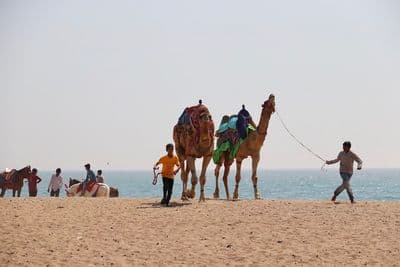
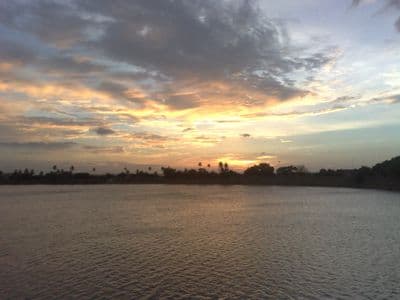
- Camel rides and sunset/sunrise viewing on the Great Rann
- Village craft tours — Bhujodi, Nirona, Ajrakh workshops and artisan demonstrations
- Birdwatching in the Little Rann, Banni Grasslands and coastal wetlands
- Explore Dholavira with its well-preserved Harappan urban layout
- Relax at Mandvi Beach; visit Vijay Vilas Palace and shipbuilding yards
- Stargazing on the salt flats and photography of surreal landscapes
Festivals & Events
- Rann Utsav (Oct–Feb) — flagship cultural festival with camps, performances and crafts
- Local craft fairs and markets held seasonally across Kutch
- Tribal fairs and religious festivals (regional Navratri celebrations, temple festivals)
- Occasional archaeological and wildlife-related events or guided heritage walks
Best Time to Visit
October to February — cool, dry weather and the active Rann Utsav season. Avoid peak summer months (April–June) due to extreme heat; monsoon (June–Sept) brings localized flooding and limited access in some areas.
Weather Conditions
Hot, dry summers with very high daytime temperatures; mild to chilly winters with cold nights on the Rann; monsoon brings short wet season and temporary waterlogging in low areas.
Accessibility
Nearest airport: Bhuj (BHJ) — regional flights; major connecting airport: Ahmedabad (AMD) with road/train connections to Bhuj. Bhuj is accessible by train and long-distance buses; roads connect major towns but remote sites often need hired vehicles or 4x4. Seasonal road conditions can vary—check local travel advisories before visiting remote areas.
Recommended Duration
3–5 days to cover Bhuj, Great Rann and Mandvi; 7–10 days to include Dholavira, Little Rann, Banni villages and a relaxed itinerary.
Clothing & Gear Tips
Light, breathable clothing for daytime in non-winter months; warm layers for winter nights on the Rann; sun protection (hat, sunglasses, high-SPF sunscreen), dust-proof goggles or scarf, comfortable walking shoes, a flashlight for night desert walks, and refillable water bottle.
Local Food & Souvenirs
Sample Kutchi cuisine: Dabeli, local seafood specialties (Mandvi), bajra rotla, and seasonal sweets. Souvenirs: Kutchi embroidery and mirror-work textiles, bandhani, Ajrakh prints, Rogan paintings, leather jootis, wooden crafts and handmade salt or decorative items. Buy directly from artisan villages (Bhujodi, Nirona) to support local craftspeople.