Kutch Desert Wildlife Sanctuary, Gujarat
The Kutch Desert (part of the Great Rann of Kutch) is a unique seasonal salt marsh and one of the largest salt deserts in the world. It is important ecologically as a habitat for migratory and resident waterbirds (including flamingos), as well as endemic desert and grassland species. Culturally, the region is home to vibrant Kutchi communities with distinctive crafts, textiles and pastoral traditions (notably the Banni pastoralists). The landscape and seasonal flooding have shaped local life for centuries and give the area its dramatic, otherworldly character.
Last updated: 23 Oct 2025
Places to visit
- The Great Rann of Kutch salt desert (wide white salt flats)
- Panoramic viewpoints such as Kalo Dungar (Black Hill)
- Banni Grasslands — seasonal grassland ecosystem
- Flamingo and migratory bird concentrations in the wet season
- Traditional Kutchi villages and artisan workshops
- Rann Utsav (seasonal cultural festival held nearby)
Unique Aspects
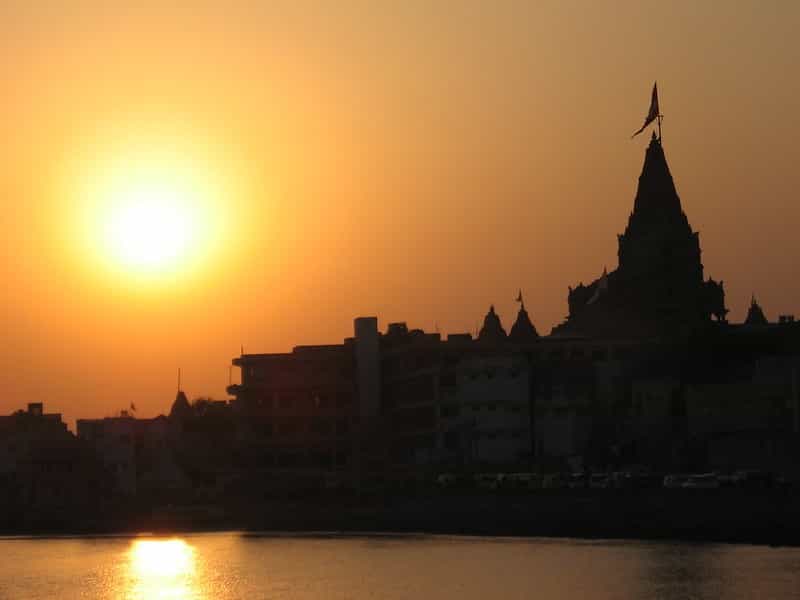
- Vast white salt plains that create striking sunrise and sunset photography opportunities
- Seasonal transformation from dry salt desert to shallow wetlands supporting waterbirds
- Clear night skies for stargazing
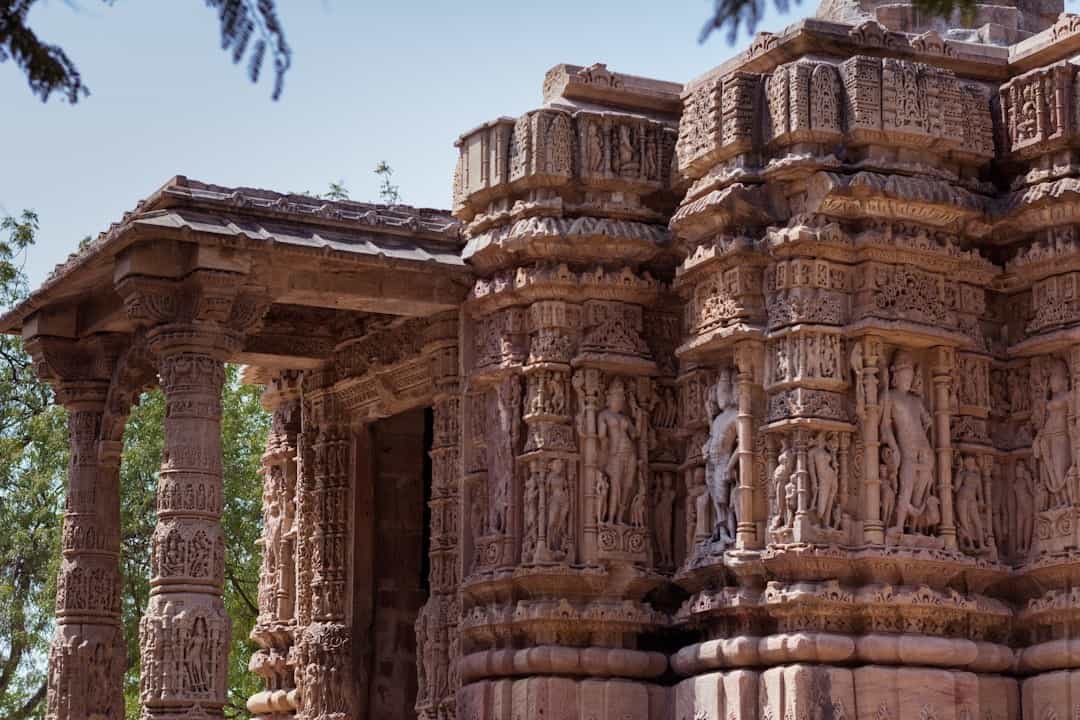
- Rich local crafts: Ajrakh printing, Bandhani tie-dye, embroidery and leatherwork
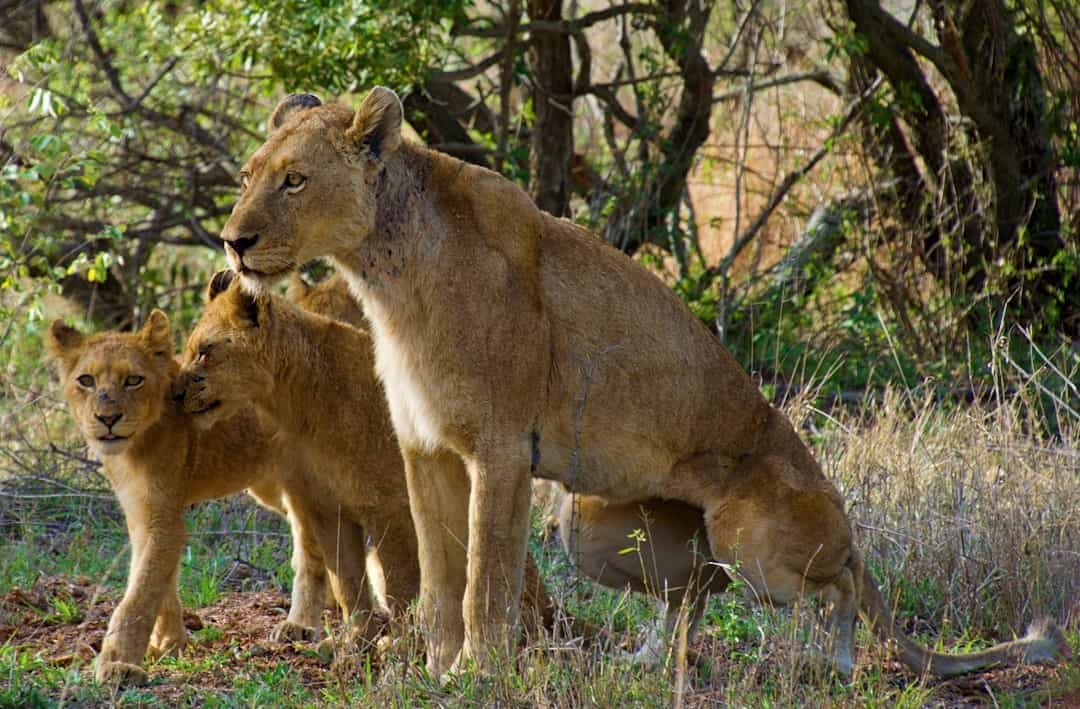
- Unique desert-adapted flora and fauna in the Banni grasslands
Things to do
- Birdwatching (especially migratory species and flamingos)
- Photography of landscapes, sunrises/sunsets and cultural scenes
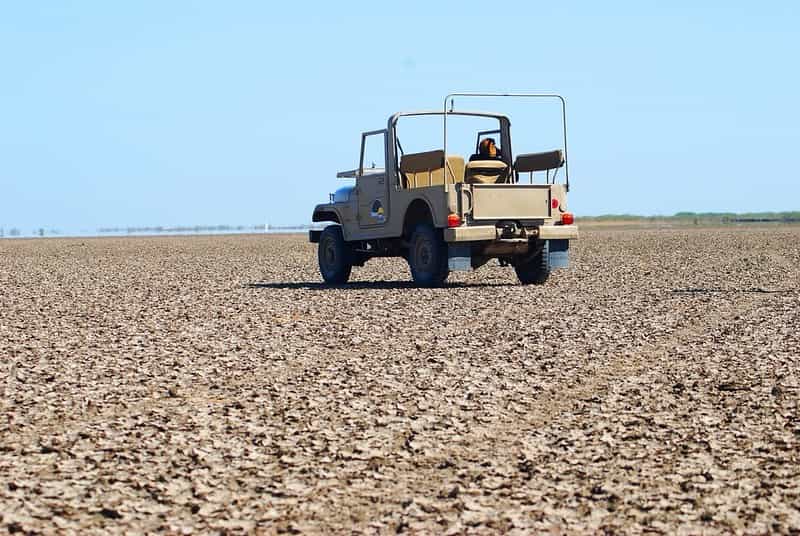
- Guided jeep safaris and nature drives in surrounding grasslands
- Visiting Kutchi villages to see handicrafts and traditional life
- Stargazing on the salt plain
- Attending cultural programs and markets during Rann Utsav (Nov–Feb)
Best Time to Visit
November to February — pleasant daytime temperatures, clear skies, and the Rann Utsav season; migratory birds are present. Monsoon and immediate post-monsoon (July–Sept) can flood parts of the Rann and access is limited. Summer (Apr–Jun) is extremely hot and not recommended.
Weather Conditions
Arid desert climate: very hot in summer (often exceeding 40°C), cool to cold nights in winter (can be near freezing), and a short monsoon season. Expect large day–night temperature swings in winter.
Accessibility
Nearest major hub is Bhuj (road and a regional airport) — Bhuj is approximately 80–120 km from different parts of the Rann depending on which access point you use. Ahmedabad is the nearest major city with wider transport connections (roughly 300–400 km away). Road travel is the primary way to reach the sanctuary; 4x4 or sturdy vehicles are recommended for off-road sections. Seasonal flooding can affect access—confirm road conditions before travel.
Recommended Duration
Plan 2–3 days to experience the salt plains, nearby viewpoints, local villages and at least one sunset/sunrise session; longer stays (4–5 days) allow a more relaxed pace and village visits.
Clothing & Gear Tips
Bring warm layers for winter nights, sun-protective clothing, a wide-brim hat, sunglasses, sunscreen, sturdy walking shoes, binoculars for birding, a good camera with telephoto lens if possible, and a flashlight/headlamp. Carry water, a basic first-aid kit and any necessary medications.
Local Food & Souvenirs
Try local Kutchi and Gujarati specialties (simple rural fare such as rotla, khichdi, local breads and seafood in coastal areas). Popular souvenirs include Ajrakh and Bandhani textiles, embroidered Kutchi handicrafts, leatherwork, lacquerware and locally made jewelry. Buy from reputable stalls or cooperatives to support artisans.