Marine National Park, Gulf of Kutch, Gujarat
Marine National Park, Gulf of Kutch is one of India's earliest and most important marine protected areas. It conserves a mosaic of intertidal and subtidal habitats — coral reefs, rocky outcrops, mangroves and seagrass beds — that support high marine biodiversity including corals, molluscs, crustaceans, dolphins, sea turtles and numerous migratory and resident seabirds. The park plays a critical role in sustaining local fisheries and protects habitats that are sensitive to coastal development and climate change.
Last updated: 23 Oct 2025
Places to visit
- Pirotan Island (noted for its lighthouse and rich marine life)
- Narara and other intertidal islands with coral and rocky platforms
- Shallow coral gardens and colourful reef patches
- Mangrove stands and seagrass beds
- Abundant birdlife — waders and migratory species
- Opportunities to see dolphins and occasionally sea turtles
Unique Aspects
- Extensive intertidal flats exposed at low tide, ideal for guided walking and exploration
- Fringing coral communities and coral outcrops unusual for the western Indian coast
- Rich mollusc and crustacean beds that support local fisheries
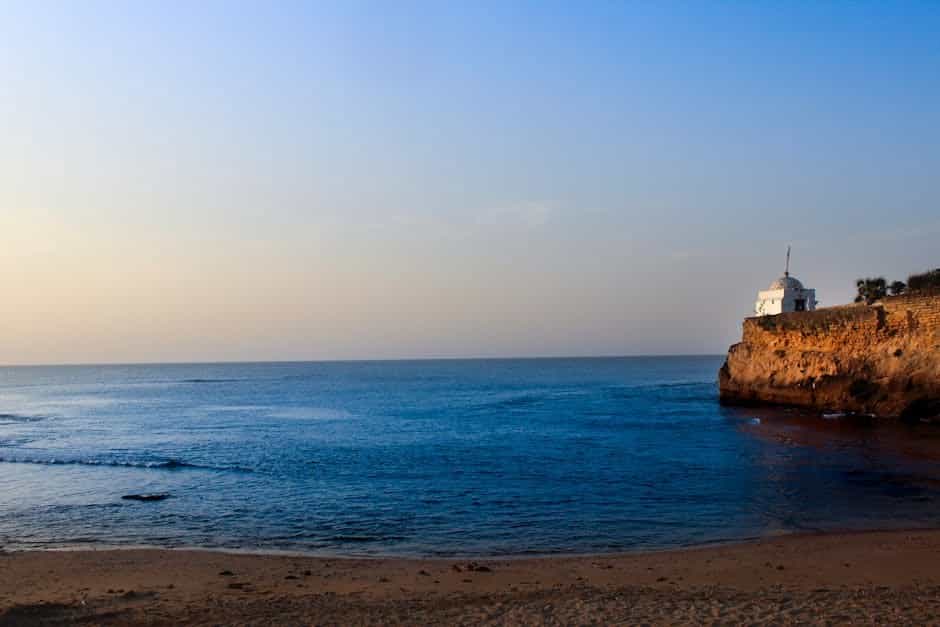
- Pirotan lighthouse as a scenic and navigational landmark
Things to do
- Day boat excursions around the islands and to select landing sites
- Snorkelling and glass-bottom boat rides (where allowed and in suitable weather)
- Low-tide guided walks to explore intertidal life (only with authorised guides)
- Birdwatching and nature photography
- Educational visits and marine life spotting (dolphins, reef fish, starfish)
Best Time to Visit
October to March — cooler temperatures, calmer seas and clearer water for snorkeling and wildlife spotting. The monsoon (June–September) brings rough seas and many islands/areas are closed to visitors.
Weather Conditions
Coastal, semi-arid climate: hot and dry in summer (April–June), monsoon rains June–September with choppy seas, and mild/cool conditions in winter (October–March). Daily temperatures vary widely between seasons; strong sun and heat are common outside winter months.
Entry Fees & Permits
Visits require permits/permission from the Gujarat Forest Department. Day-trip landing permissions, boat charges and guide fees vary by operator and season. There is no standard public timetable — authorised boat operators run trips during daylight hours (typically early morning to late afternoon). Check and book permits and boats in advance through authorised operators or the local forest office.
Accessibility
Nearest major access points: Jamnagar (nearest town with road, rail and limited air connections) and regional airports such as Rajkot for wider connectivity. Boats and launches to the park are arranged from local jetties (bookings often originate in Jamnagar or nearby coastal villages). Road access to the coast is by car or bus to the launch points; final access to islands is by authorised boat only. Tidal schedules strongly affect accessibility — plan trips around low/high tide as advised by guides.
Recommended Duration
A typical visit is a day trip from Jamnagar with a boat excursion; for relaxed exploration, 1–2 days including overnight stay in Jamnagar or nearby is recommended.
Clothing & Gear Tips
Light, breathable clothing; strong sun protection (wide-brim hat, high SPF sunscreen, sunglasses); water shoes or reef-safe sandals for rocky/uneven tidal areas; snorkelling gear if you have it (many operators provide equipment); dry bag for electronics; binoculars for birdwatching.
Local Food & Souvenirs
Enjoy coastal Gujarati seafood specialties in Jamnagar (subject to local availability and conservation rules). For souvenirs, consider locally made Kutch handicrafts and embroidery, block-printed textiles and responsibly sourced decorative items. Do not collect shells, coral or marine life — removing natural objects from protected areas is prohibited.