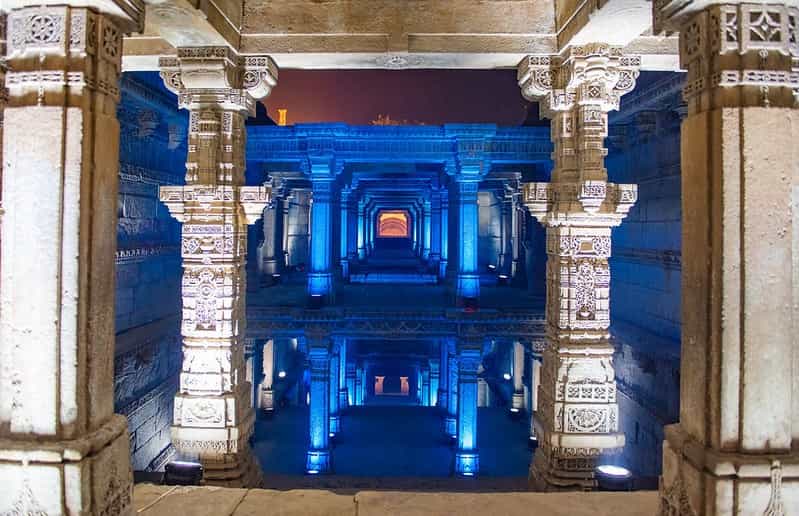
Nageshwar Jyotirlinga Temple, Gujarat
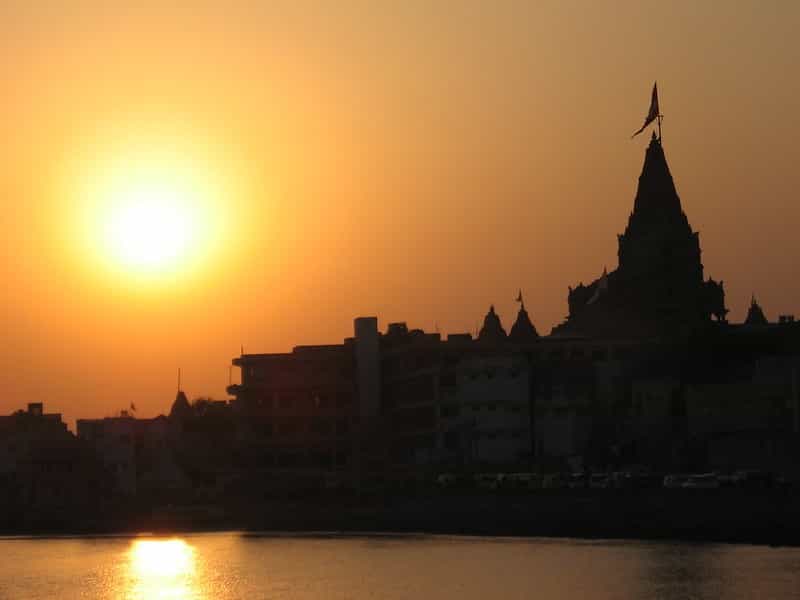
Nageshwar Jyotirlinga Temple (also spelled Nagnath or Nageshwar) near Dwarka in the Devbhoomi Dwarka district of Gujarat is one of the twelve traditional Jyotirlinga shrines of Lord Shiva, making it an important pilgrimage site for Hindus. The temple's sanctity comes from its identification as the location where Shiva is worshipped as the 'Lord of Serpents' (Naga). It forms a key part of the Dwarka pilgrimage circuit along with the Dwarkadhish Temple and Bet Dwarka. Historically, the temple has been renovated and rebuilt over centuries; it combines ancient religious significance with later architectural additions. The temple's coastal location also ties it to maritime traditions of the region.
Last updated: 23 Oct 2025
Historic Anecdotes
According to legend, the demon Daruka (or Daruka) was slain by Lord Shiva, who then manifested as Nageshwar to protect the sages and devotees. Another story connects the site to the tale of the churning of the ocean and the emergence of poison, which Shiva consumed to save the world; local lore emphasizes Shiva's protective role against venom and serpents. The Jyotirlinga here is said to have emerged from the earth on its own (swayambhu). Devotees also believe that worship at Nageshwar can free one from the fear of snakes and negate the malefic effects of 'Naga Dosha' in astrology.
Places to visit
- The main Jyotirlinga shrine of Nageshwar (swayambhu Jyotirlinga)
- Ancillary shrines for Parvati and other deities within the temple complex
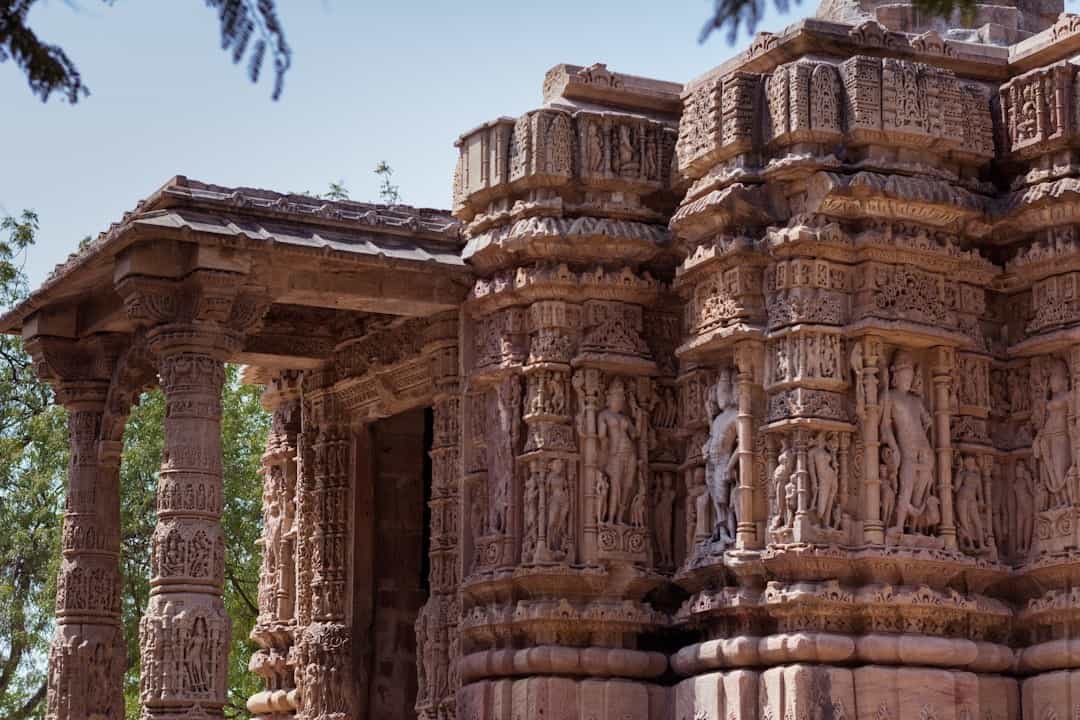
- Sculptural and architectural details reflecting multiple renovation phases
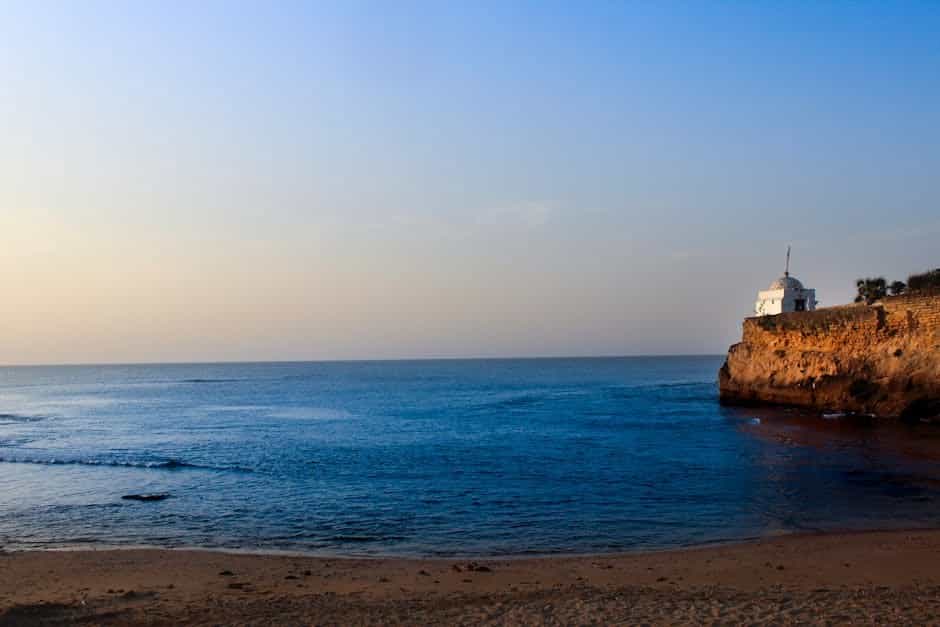
- Coastal setting with views of the Arabian Sea and proximity to Dwarka
Unique Aspects
- The Jyotirlinga is associated with serpent imagery and rituals
- Pilgrimage circuit connectivity: often visited together with Dwarkadhish Temple and Bet Dwarka
- Traditional festivals like Maha Shivaratri celebrated with special ceremonies
- Rituals aimed at alleviating 'Naga Dosha' and serpent-related rites
Things to do
- Darshan (viewing) and puja of the Jyotirlinga
- Participating in aarti during morning and evening ceremonies
- Offering prayers related to Naga Dosha relief and performing special rituals
- Exploring nearby Dwarka temples and the coastal areas
- Photography of the coastal temple surroundings (where permitted)
Festivals & Events
- Maha Shivaratri — major celebrations with large gatherings and special pujas
- Shravan month observances (Sawan) — increased pilgrim activity and rites
- Local religious fairs and occasional cultural programs aligned with temple events
Best Time to Visit
October to March (post-monsoon and winter months) when weather is pleasant and humidity is lower.
Weather Conditions
Coastal tropical climate: hot and humid from March to June, monsoon rains from June to September, and mild to pleasant from October to February. Temperatures range from around 15°C in winter to over 40°C in peak summer.
Entry Fees & Permits
No significant entry fee for general darshan is typically charged. Temple timings can vary; generally open early morning (around 5:00 AM or earlier) and close at night after the last aarti. Devotees should check current timings locally or via the temple's administrative office before visiting.
Accessibility
Nearest major railhead and city: Dwarka (about 17–20 km depending on the temple location). Nearest airport: Jamnagar Airport (~100 km) or Rajkot Airport (~200 km) with road connectivity to Dwarka. Local transport: taxis, auto-rickshaws, and buses available from Dwarka and surrounding towns. Road access via National and state highways; parking available nearby but can be limited during festival times.
Recommended Duration
2–4 hours for a focused visit to the temple and nearby shrines; 1–2 days if combining with a broader Dwarka pilgrimage (including Bet Dwarka and Dwarkadhish Temple).
Clothing & Gear Tips
Modest, comfortable cotton clothing suited to warm coastal weather. For temple entry, traditional Indian attire or conservative clothing is appropriate. Carry sun protection (hat, sunscreen), water, and an umbrella during hotter months. Comfortable footwear; be prepared to remove shoes before entering sanctum areas.
Local Food & Souvenirs
Local Gujarati vegetarian cuisine available in Dwarka — dishes like dhokla, thepla, khandvi, and local thali meals. Seafood is available in coastal areas but may not be served in temple-proximate eateries due to religious sensitivity. Souvenirs: religious mementos (prasad, rudraksha beads, small deity statues), local handicrafts, and textiles from Gujarat.