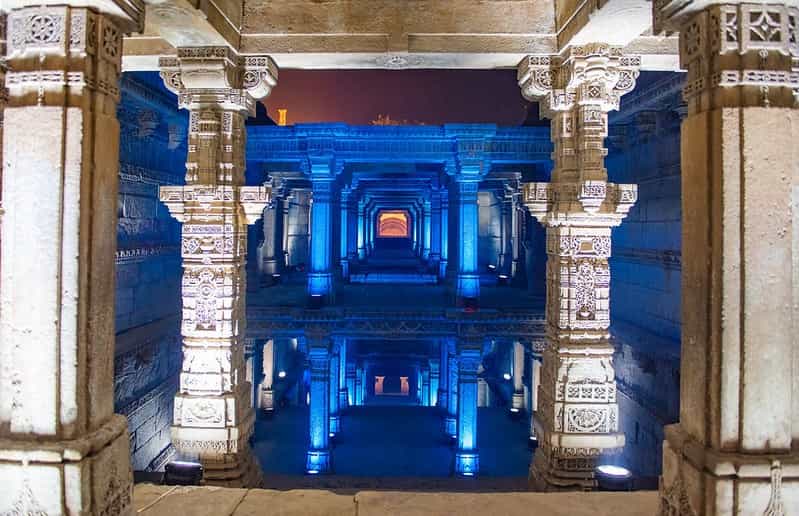
Rani ki Vav (Queen’s Stepwell), Gujarat
Rani ki Vav (Queen’s Stepwell) in Patan, Gujarat, is a remarkable example of Indian stepwell architecture and water-management engineering from the Solanki (Chaulukya) period (11th century). Built as a memorial to King Bhima I by his queen Udayamati, it is valued for its architectural innovation, sculptural richness and symbolic role as an "inverted temple" — a subterranean shrine to the sanctity of water. The site is designated as a UNESCO World Heritage Site for its outstanding universal value.
Last updated: 06 Jan 2026
Historic Anecdotes
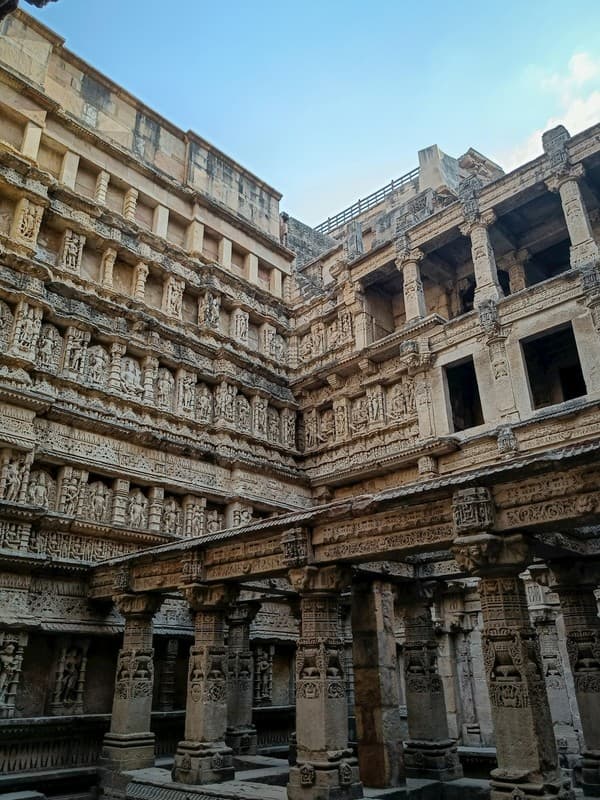
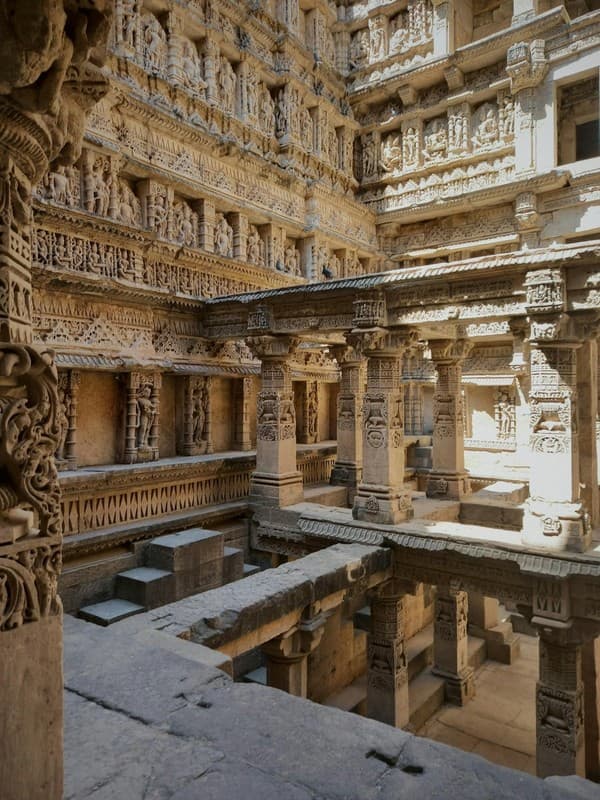
Local tradition holds that the stepwell was constructed by Queen Udayamati as a funerary and votive monument to King Bhima I. Over centuries the stepwell was silted up and effectively lost until it was rediscovered and excavated in the late 20th century. The structure’s many panels and reliefs — including scenes from the Puranas, depictions of gods and celestial beings — have inspired stories about its symbolic role connecting the earthly and divine through water.
Places to visit
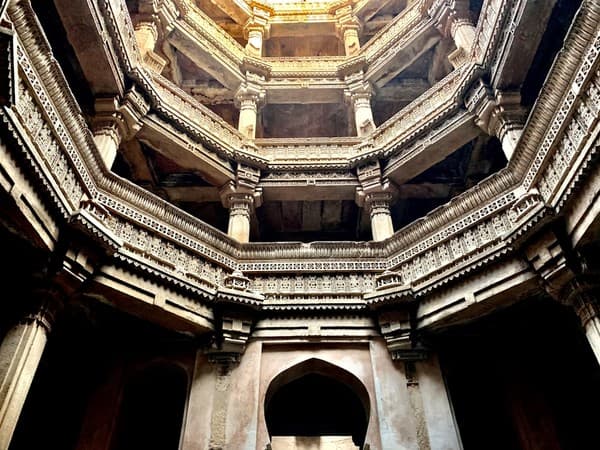
- Seven-storeyed descending galleries and stepped corridors
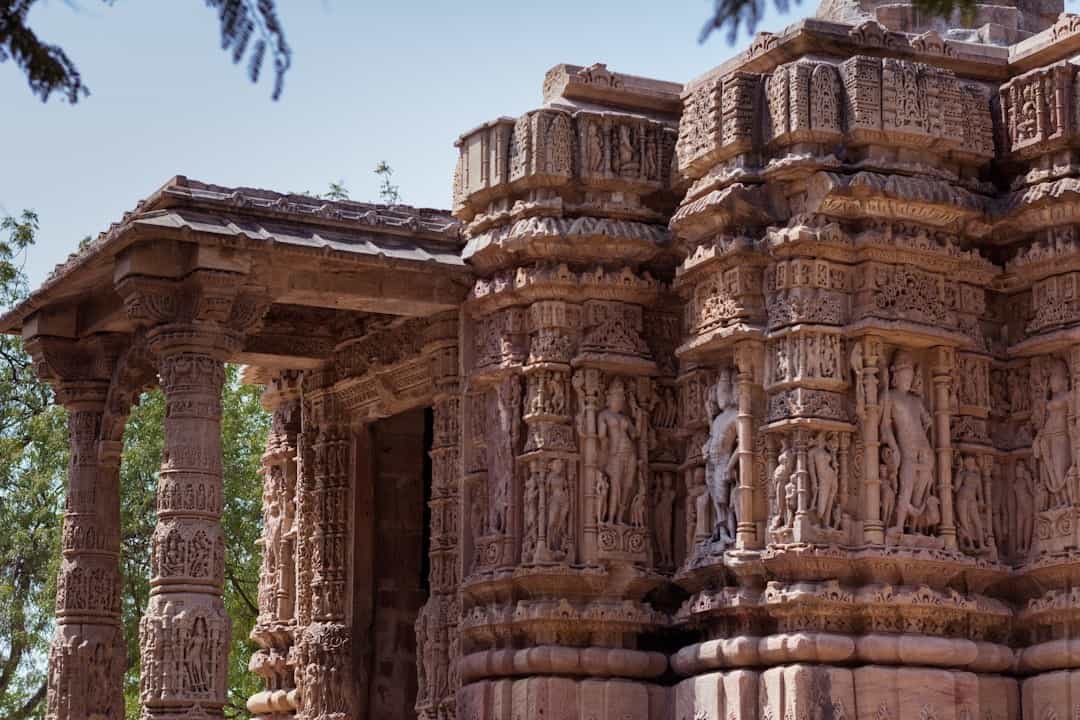
- Extensive high-relief sculptures of gods, goddesses, apsaras, and mythological scenes
- Panels of Vishnu’s Dashavatara (Ten Avatars)
- Ornamental toranas (arched pavilions) and pillared pavilions
- The main shaft and water tank area (originally functional for water storage and community use)
Unique Aspects
- Inverted temple concept: architectural layout treated as a shrine to water
- Exceptionally detailed stone carvings and iconographic program combining religious, secular and everyday motifs
- Ingenious hydraulic and geometric design adapted to local water-table conditions
- High state of preservation after archaeological excavation and conservation
Things to do
- Guided or self-guided architectural and iconography tours to study the carvings and layout
- Photography (respecting site rules) of relief panels and stepped galleries
- Walking the various terraces and viewing platforms to appreciate the vertical composition
- Combining a visit with nearby Patan attractions: Patan Patola museum and local bazaars
Festivals & Events
- Occasional heritage walks and guided cultural programs organized by local tourism bodies
- Regional events and fairs in Patan (check local calendars) — the site may be included in city heritage celebrations
- Patan’s textile and craft events (e.g., Patola-related exhibitions) held periodically in the town
Best Time to Visit
October to March — pleasant winter and post-monsoon months; avoid the extreme heat of summer (April–June).
Weather Conditions
Hot summers (April–June), monsoon rains (July–September) and mild winters (November–February). Even on cooler days the stepwell interior can be shaded and noticeably cooler than the surface.
Entry Fees & Permits
Nominal entry fee is charged by the managing authority; timings and fees can change — check the official ASI / local tourism website or at-site information before planning. Typical visiting hours are daytime (early morning to early evening).
Accessibility
Nearest major airport: Ahmedabad (Sardar Vallabhbhai Patel International Airport), roughly 2–3 hours by road. Nearest rail/road hubs: travel via Ahmedabad or nearby regional stations and continue by road to Patan. Patan is well connected by state buses, private buses and taxis. On-site, the stepwell involves descending many steps — mobility-restricted visitors may find access limited; there are viewing areas at the top and platforms.
Recommended Duration
1–2 hours to explore thoroughly (longer if combining with local museums or markets).
Clothing & Gear Tips
Wear comfortable shoes (non-slip), a hat and sunscreen in hot months, and carry water. Respectful clothing is advised at heritage and religious sites. Be cautious on steps — surfaces can be uneven.
Local Food & Souvenirs
Patan is known for Patola silk (ikat) sarees and textiles — authentic Patola makes a prized souvenir. Sample Gujarati snacks such as dhokla, khandvi, fafda and regional sweets. Local markets also offer handicrafts and textiles.