Sabarmati Ashram (Gandhi Ashram), Gujarat
Sabarmati Ashram (also known as Gandhi Ashram) is one of the most important sites in India's modern history. Established by Mohandas K. Gandhi in 1917 on the banks of the River Sabarmati, the ashram served as Gandhi's residence and a center for India's freedom movement until 1930. It was the launching point for the 1930 Dandi Salt March (Salt Satyagraha), a landmark act of civil disobedience against British colonial rule. The ashram exemplifies Gandhi's principles of simplicity, self-reliance (swadeshi), nonviolence (ahimsa), and communal harmony and continues to be a living symbol of his social and political philosophy.
Last updated: 06 Jan 2026
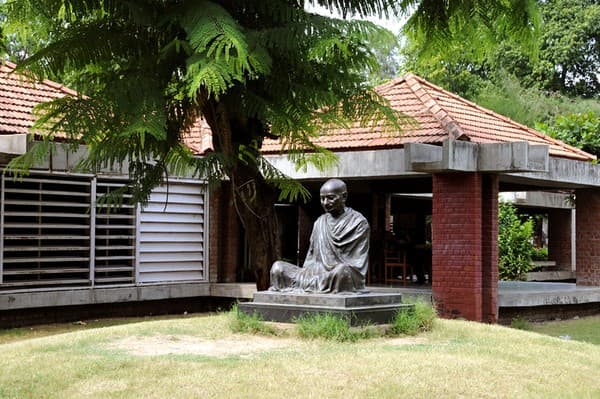
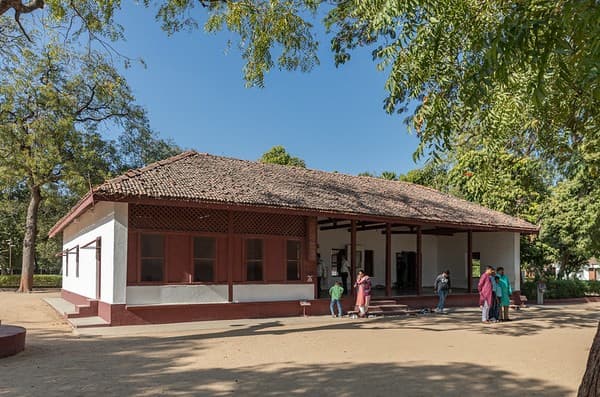
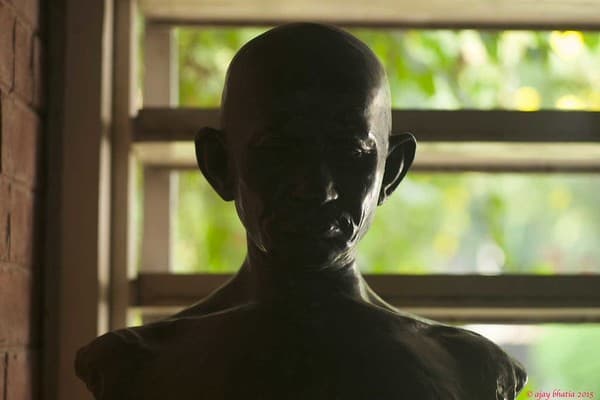
Places to visit
- Hriday Kunj (Gandhi's Cottage) — the simple room where Gandhi lived and worked
- Ashram Museum (Gandhi Smarak Sangrahalaya) — displays of photographs, letters, relics and exhibits on the freedom movement
- Prayer Ground and Sabarmati Riverfront — tranquil riverside area used for meetings, speeches and daily prayers
- Charkha and Khadi Exhibits — demonstrations and displays of spinning and handloom traditions
- Library and Archives — collection of books, original letters and documents related to Gandhi and the freedom struggle
Unique Aspects
- Riverside, low-rise architecture reflecting Gandhian simplicity
- Original personal belongings of Gandhi (charkha, glasses, walking stick, clothing)
- Interpretive panels and multilingual exhibits (English, Hindi, Gujarati)
- Peaceful gardens and walking paths ideal for reflective visits
- Site of historical departures (the Dandi March starting point)
Things to do
- Guided or self-guided museum tours to view exhibits and personal artifacts
- Attend or observe daily prayers and bhajans (spiritual songs) when available
- Walk the riverfront and visit the prayer ground and cottages
- See live or demonstrative spinning (charkha) and khadi displays
- Browse the library and purchase books or khadi textiles at the on-site shop
Best Time to Visit
October to March (cool, dry weather) is the most comfortable period for sightseeing. Early mornings and late afternoons are particularly pleasant by the river.
Weather Conditions
Hot summers (April–June) with temperatures often exceeding 40°C; monsoon (July–September) brings heavy rainfall; winters (December–February) are mild and comfortable.
Entry Fees & Permits
Entry to the ashram grounds is generally free; the museum may have a nominal entrance fee or request for donation. Typical visiting hours are during daytime (morning to late afternoon), but exact opening hours and any ticket fees change occasionally — check the official Sabarmati Ashram website or contact the museum before your visit for current timings and charges.
Accessibility
Located in Ahmedabad city on the Sabarmati riverbank. Nearest major transport hubs: Sardar Vallabhbhai Patel International Airport (Ahmedabad), Sabarmati Railway Station and Ahmedabad Junction (short taxi/auto ride away). The site is reachable by city buses, taxis and auto-rickshaws. Parts of the ashram have level paths suitable for visitors with limited mobility; however, wheelchair access may be limited in some older buildings — inquire ahead for assistance.
Recommended Duration
1–2 hours for a focused visit; 2–4 hours if you plan to read exhibits, attend a session, or explore nearby riverfront areas.
Clothing & Gear Tips
Wear modest, comfortable clothing and comfortable walking shoes. Carry sun protection (hat, sunglasses, sunscreen) during hot months and an umbrella or raincoat in monsoon season. Keep water and a small notebook or camera for reflections (observe photography rules posted on-site).
Local Food & Souvenirs
Try nearby Gujarati snacks such as dhokla, thepla and farsan from local eateries. On-site and nearby shops sell khadi garments, hand-spun textiles, books on Gandhi and small handicrafts — khadi cloth and books on Gandhian thought make meaningful souvenirs.