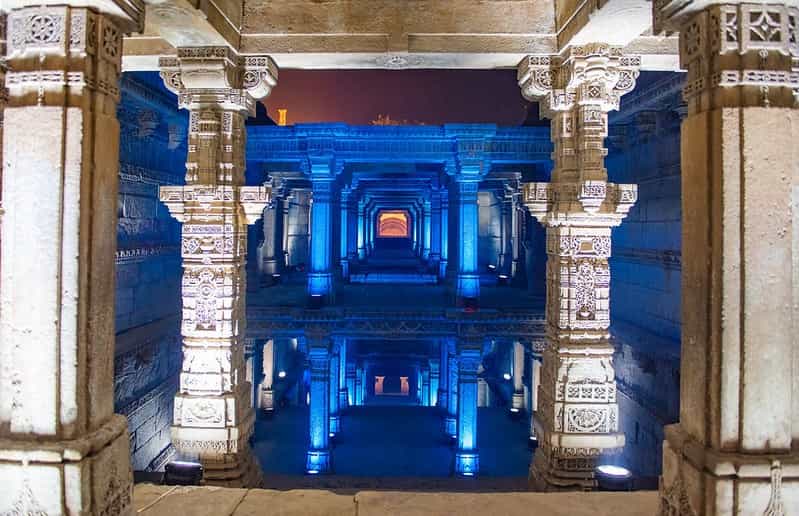
Somnath Temple (Shree Somnath Jyotirling), Gujarat
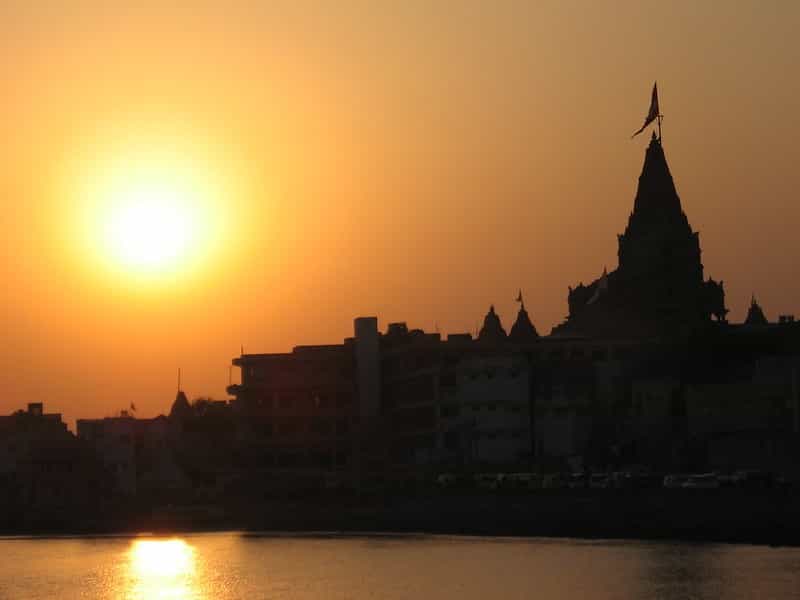
Somnath Temple (Shree Somnath Jyotirling) is one of the twelve Jyotirlinga shrines of Lord Shiva and is considered among the most sacred pilgrimage sites in Hinduism. Located on the coast of the Arabian Sea in Prabhas Patan near Veraval, Gujarat, the temple has profound religious, historical and cultural importance—centuries of devotion, repeated reconstructions, and its role as a symbol of resilience and national pride. The present structure was reconstructed in 1951 under the leadership of Sardar Vallabhbhai Patel and K.M. Munshi, following traditional temple–architecture styles, and stands at an ocean-front site of great natural beauty.
Last updated: 23 Oct 2025
Historic Anecdotes
Legend links the site to Chandra (the Moon God): after being cursed, Chandra is said to have sought absolution at Somnath and was granted relief by Shiva, giving the temple its name (‘Somnath’ = Lord of the Moon). The site is also associated with many local legends and historic narratives about its repeated destruction and rebuilding over centuries, including medieval invasions and later modern restoration—stories that emphasize faith, endurance and cultural continuity.
Places to visit
- Main Somnath Jyotirlinga sanctum (Darshan)
- Ocean-front temple complex and promenade
- Triveni Sangam (confluence of rivers near the sea)
- Bhalka Tirth (nearby Krishna-related shrine)
- Somnath Museum (archaeological exhibits and artifacts)
- Light-and-sound show (evening)
- Old ruins and archaeological remains around the complex
Unique Aspects
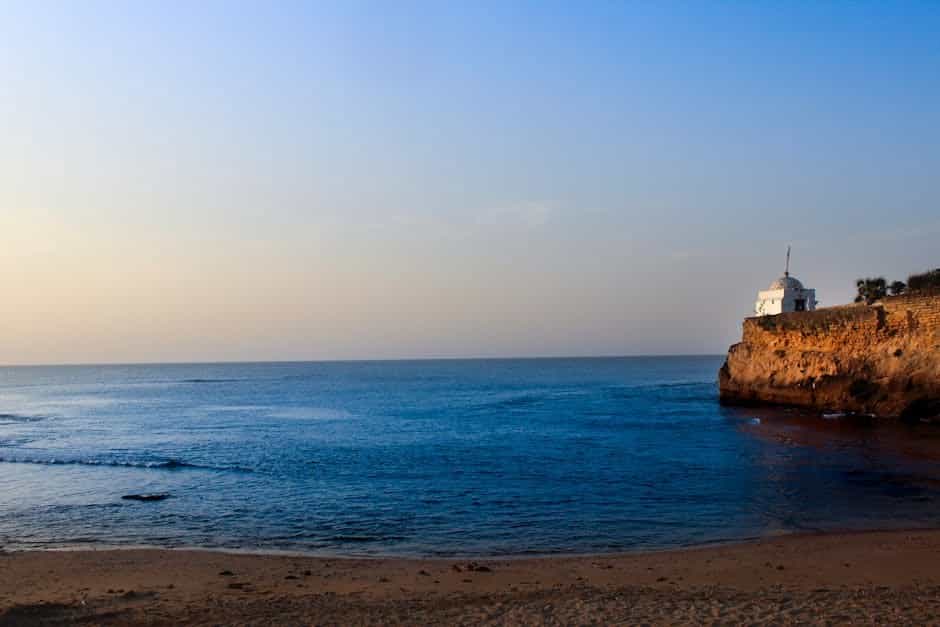
- Panoramic Arabian Sea setting—temple built on the sea shore
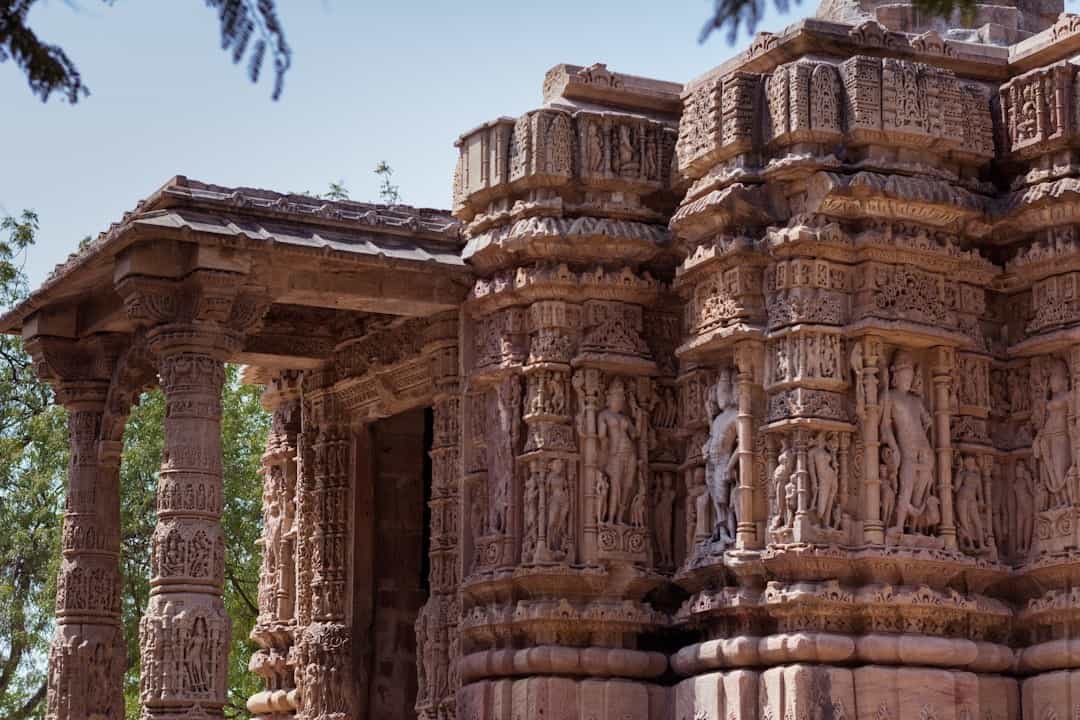
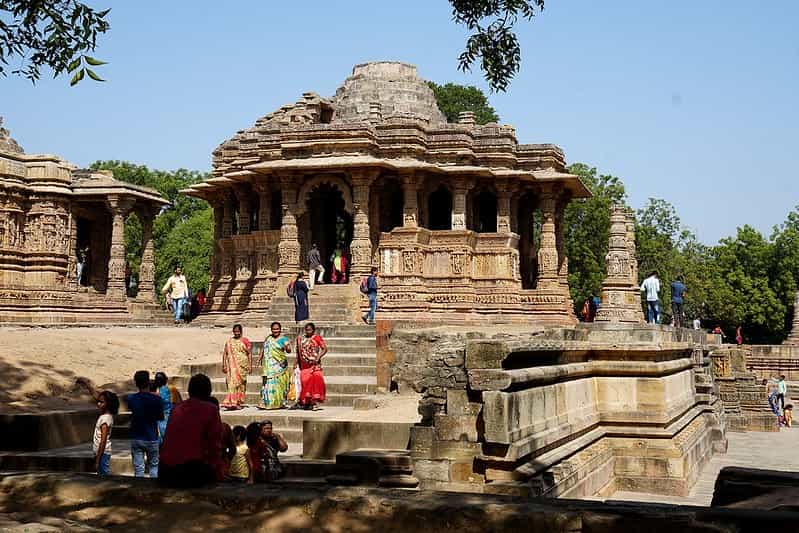
- Elaborate stone carvings and traditional temple architecture (reconstructed in traditional style)
- Jyotirlinga — one of the twelve prime Shiva shrines
- Evening aarti with coastal backdrop
- Museum collection featuring sculptures, inscriptions and relics from the site’s past
Things to do
- Perform darshan at the Jyotirlinga and participate in daily aarti rituals
- Attend the evening light-and-sound show that narrates the temple’s history
- Walk the seafront promenade and watch the sunset over the Arabian Sea
- Visit the Somnath Museum and nearby archaeological ruins
- Pilgrimage circuit including Bhalka Tirth, Triveni Sangam and other nearby temples
- Photography of coastal views and temple exterior (note restrictions inside sanctum)
Festivals & Events
- Mahashivaratri — major celebration with special prayers and large pilgrim turnout
- Kartik Purnima — sacred bathing at the nearby confluence
- Daily and weekly aarti ceremonies and special pujas on holy days
- Occasional cultural programs and commemorative events on national and religious anniversaries
Best Time to Visit
October to February (post-monsoon and winter months) — cooler temperatures, lower humidity and pleasant evenings for seafront visits.
Weather Conditions
Coastal climate—hot and humid in summer (March–June), heavy monsoon rains (June–September), and mild pleasant winters (October–February). Expect sea breeze and higher humidity year-round.
Entry Fees & Permits
Temple darshan is generally free for visitors, but certain facilities (museum, light-and-sound show and guided tours) usually have nominal fees. Typical visiting hours are early morning to late evening (many pilgrims visit around sunrise and participate in evening aarti); hours may vary seasonally—check the official temple trust website or local notices for exact timings.
Accessibility
Nearest railhead: Veraval Railway Station (about 7–10 km) — frequent connections to major cities in Gujarat and beyond. Nearest airports: Diu Airport (~60–70 km) and Rajkot/Jamnagar airports (roughly 150–200 km depending on route). Good road connectivity by state buses, private taxis and car rentals from Veraval, Junagadh and other regional hubs. The temple complex has steps and ramps in some areas but visitors with mobility needs should confirm local arrangements in advance.
Recommended Duration
Half day to full day for the main temple, museum and nearby sites; 1–2 days if you plan to include additional regional temples and coastal sightseeing.
Clothing & Gear Tips
Respectful/modest clothing for temple entry (cover shoulders and knees). Comfortable footwear that is easy to remove (shoes must be left outside the sanctum). Sun protection (hat, sunscreen), light layers for sea breeze and a small umbrella/poncho during monsoon months.
Local Food & Souvenirs
Try local Gujarati snacks and thali in Veraval/nearby eateries (dishes like dhokla, khandvi, farsan and coastal seafood where available). Souvenirs include religious items (prayer beads, small Shiva idols), local handicrafts, silver jewelry and seashell-based crafts. Be mindful to buy from reputable shops.