Sun Temple, Modhera, Gujarat
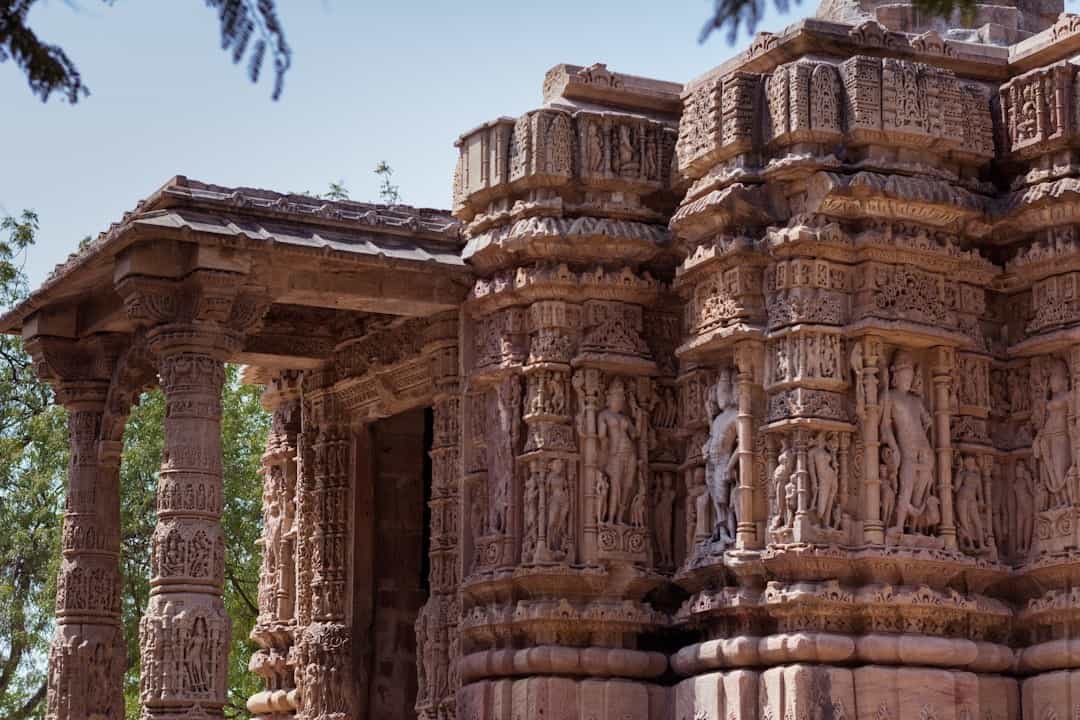
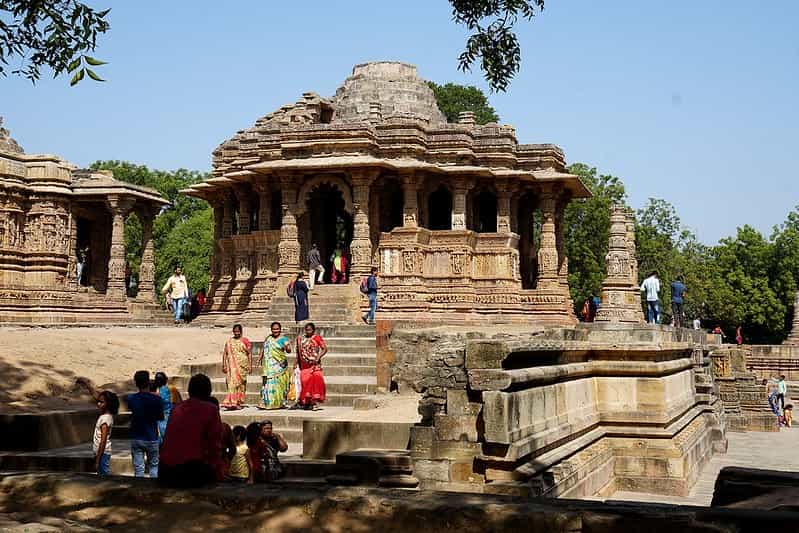
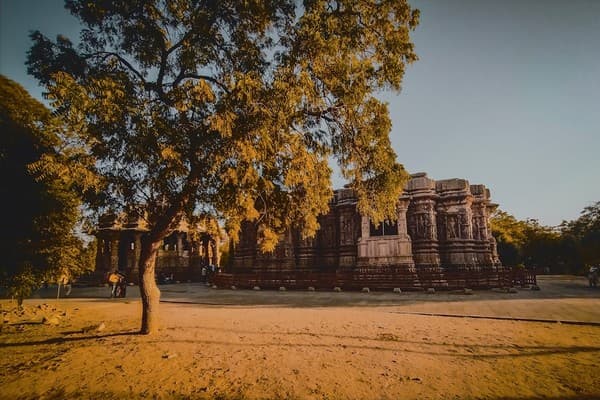
Sun Temple, Modhera is a major example of 11th-century Solanki (Chaulukya) architecture in Gujarat. Built during the reign of King Bhima I (early 11th century CE) and dedicated to the Hindu sun god Surya, the complex demonstrates advanced stone-carving techniques, temple planning and iconography of the period. The temple is notable for its east-facing alignment so that the first rays of the rising sun fall on the main shrine, and for its richly carved panels depicting gods, dancers, musicians and scenes from daily life.
Last updated: 06 Jan 2026
Places to visit
- Garbhagriha (sanctum) with its original east-facing layout (sanctum now empty of the primary idol)
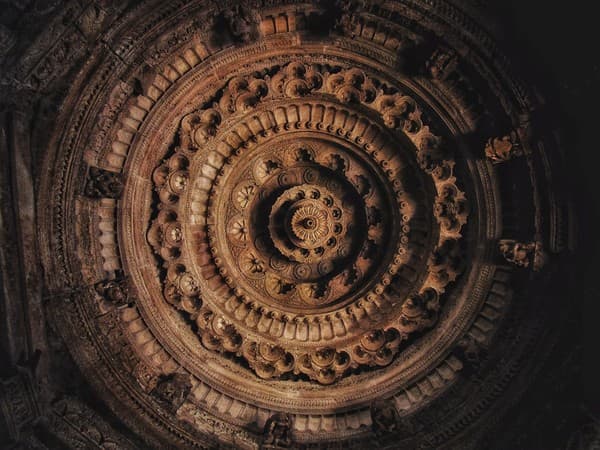
- Sabha Mandapa (assembly hall) — an ornate hall with finely carved pillars and ceilings
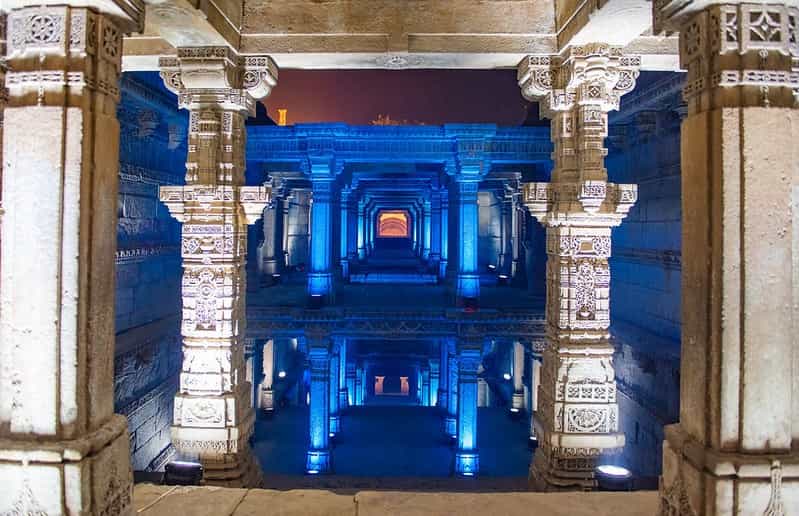
- Surya Kund (stepped tank) — a large, sculpted stepwell used for ritual bathing and ceremonies
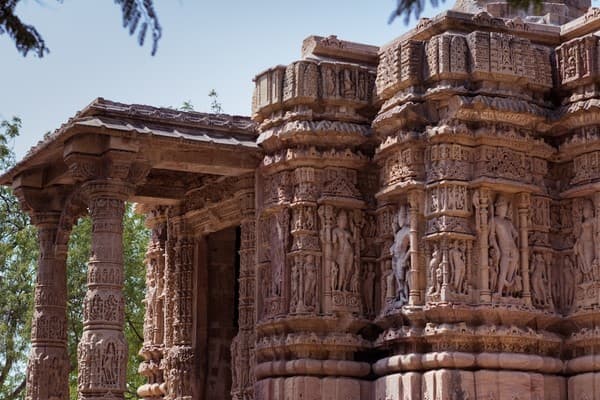
- Intricate external carvings — friezes of dancers, deities, mythological scenes and geometric patterns
- Modhera Dance Festival (annual classical dance event held on the temple grounds)
Unique Aspects
- East-facing design that frames the sunrise—architectural planning to honour Surya
- Exceptional stone reliefs showing everyday life, musical ensembles and mythic episodes
- A well-preserved stepped tank (Kund) with decorative niches and bathing steps
- Use of local sandstone and skilled joinery without extensive metal fastenings
- Atmospheric open-air setting suitable for cultural performances, especially at dusk
Things to do
- Guided or self-guided architectural walks to study the carvings and temple layout
- Photography of sculptural details and the stepped tank (respect site rules)
- Attend the Modhera Dance Festival (classical dance performances set against the temple backdrop)
- Sunrise visit to observe how morning light plays on the shrine and carvings
- Combine with nearby heritage visits (for example, Patan and its historic sites)
Best Time to Visit
October to March (winter months) — cooler weather and festival season make visits comfortable and culturally rewarding.
Weather Conditions
Gujarat has a tropical climate: hot summers (April–June), monsoon rains (July–September), and mild, pleasant winters (October–March). Carry sun protection during daytime visits.
Entry Fees & Permits
The site is maintained by the Archaeological Survey of India (ASI). Timings are generally from sunrise to sunset, and there is typically a nominal entry fee for visitors. Fees and exact hours may change—check the ASI or Gujarat Tourism website or on-site signage before visiting.
Accessibility
Modhera is in Mehsana district, Gujarat. Nearest major airport: Ahmedabad (accessible by road). Road access: well connected by state highways; regular buses and taxis operate from Ahmedabad and nearby towns. Nearest railway stations: local and regional stations serve Mehsana and surrounding towns—use road transfers for the last leg. Visitors should confirm current public-transport options and schedules.
Recommended Duration
Plan 1–2 hours for a thorough visit of the temple complex; half a day if you include nearby sites or attend events/festivals.
Clothing & Gear Tips
Wear comfortable, modest clothing suitable for temple sites. Bring sun protection (hat, sunscreen), comfortable walking shoes, and a light layer for cooler winter mornings/evenings.
Local Food & Souvenirs
Nearby towns offer typical Gujarati cuisine (snacks like dhokla, khandvi, local thalis). For souvenirs, consider local handicrafts and textiles (Patan is famous for Patola sarees), small stone-carving replicas or locally made crafts. Purchase from reputable local shops or government-run emporia.