Taranga Jain Temple, Gujarat
Taranga Jain Temple (Taranga Tirth) is one of Gujarat's important Digambara Jain pilgrimage complexes located on Taranga Hill in northern Gujarat. The hill-top group of temples dates mainly to the medieval period (notably the 11th–13th centuries) and reflects the region's rich Jain architectural and devotional traditions. The site has long been associated with royal patronage from the Solanki period and later patrons; historically it served as a major spiritual centre for Jains in Gujarat and western India. The temple complex combines religious significance with scenic hilltop views and ancient stone inscriptions that document the area's religious history.
Last updated: 23 Oct 2025
Historic Anecdotes
Local tradition links Taranga Hill with saints and Jain Acharyas; it is often associated with patronage by King Kumārpāla and the scholarly tradition of Acharya Hemachandra (stories emphasize the royal support that helped build and endow temples). Folk legends also speak of miraculous darshans and the sanctity of the hill — many pilgrims believe a visit confers spiritual merit and blessings. There are also tales about secret caves and meditation spots on the hill used by ascetics.
Places to visit
- Ajitnath (Ajitanatha) Temple - the principal shrine and main focal point of worship in the complex
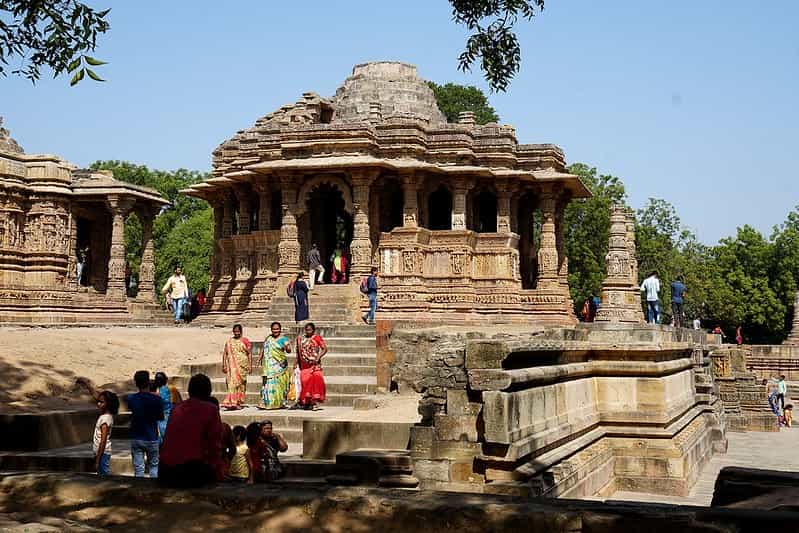
- Cluster of medieval Jain temples and small shrines scattered along Taranga Hill
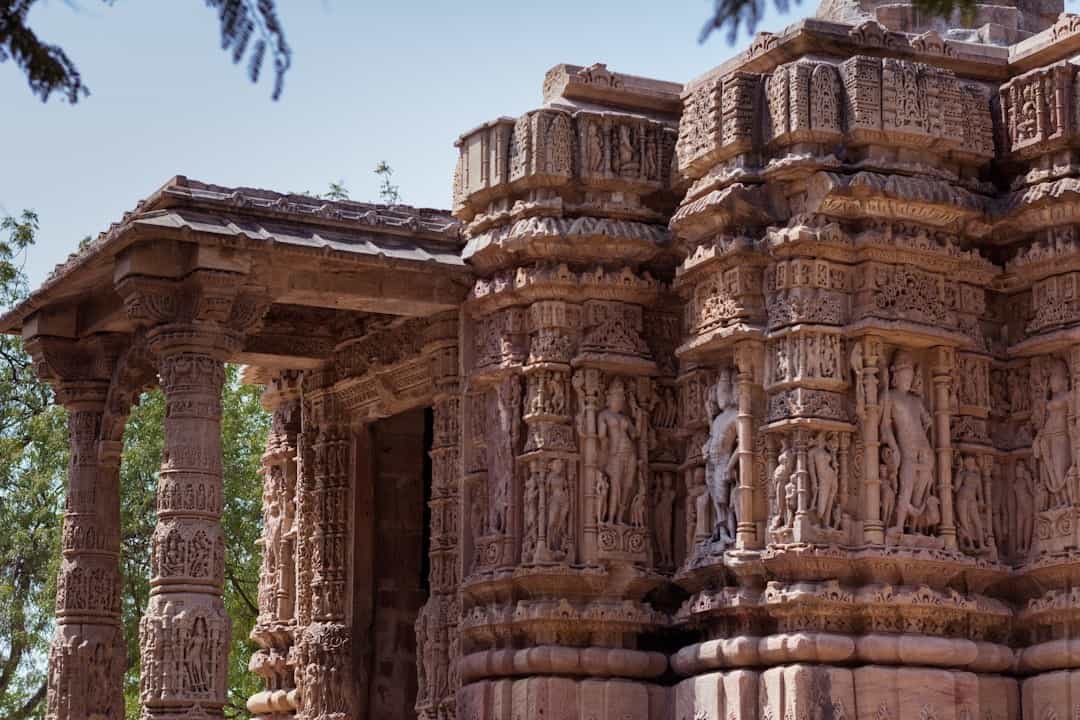
- Intricately carved stone pillars, toranas (arches) and doorways
- Ancient inscriptions and sculptural panels depicting Jain iconography
- Hilltop viewpoints overlooking the surrounding countryside
Unique Aspects
- Fine medieval stone carving and ornamentation typical of Solanki-era temple architecture
- Compact hill-top complex that blends natural scenery with sacred architecture
- Quiet meditation niches and steps that pilgrims ascend for darshan
- Preserved iconographic panels showing Tirthankaras, yakshas and yakshinis
- Sense of continuity: living religious rituals continue alongside historic monuments
Things to do
- Darshan and puja at the Ajitnath main shrine
- Climb the hill and explore the group of temples and small shrines
- Photography of carvings and landscapes (respecting temple rules)
- Guided or self-guided walks to read stone inscriptions and understand iconography
- Attend evening aarti or bhajan sessions when offered
Festivals & Events
- Mahavir Jayanti — major Jain festival celebrated with special pujas
- Paryushan — important Jain observance marked by increased pilgrim activity
- Kartik month fair/pilgrimage (Oct–Nov) — seasonal influx of devotees and local fairs
- Local temple anniversaries and ritual days when special ceremonies are performed
Best Time to Visit
October to March — cool, dry weather and pleasant for climbing the hill; avoid the hot summer months (April–June). Monsoon (July–September) brings greenery but can make paths slippery.
Weather Conditions
Taranga experiences a typical semi-arid Gujarati climate: hot summers, mild winters, and monsoon rains. Expect high temperatures in April–June and comfortable conditions in winter (Nov–Feb).
Entry Fees & Permits
Most Jain temples at Taranga have free entry for darshan; donations are welcome. Typical visiting hours are early morning to evening (many temples open for morning and afternoon/evening darshan). Exact timings can vary by shrine — check locally or at the temple notice board. Note: shoes are not permitted inside shrines and photography or flash may be restricted in some interiors.
Accessibility
Taranga Hill is reached by a short climb from the base village. Road access is available by car or local buses. The nearest major transport hubs are Ahmedabad (major city with airport) and regional railway stations in the Mehsana region — visitors usually travel by road from Ahmedabad or nearby towns and then take a short uphill walk to the temple complex. Local taxis, auto-rickshaws, and state-run buses provide connections; the final approach includes steps and uneven paths, so mobility-impaired visitors should plan accordingly.
Recommended Duration
Plan for 2–4 hours: time to reach the hilltop, complete darshan, explore the cluster of temples and enjoy the views. Half-day visits are typical from Ahmedabad or nearby towns.
Clothing & Gear Tips
Wear modest clothing that covers shoulders and knees; comfortable walking shoes (you will remove them before entering shrines); sun protection (hat, sunglasses) and water for the climb. If visiting in monsoon, carry a light raincoat and anti-slip footwear.
Local Food & Souvenirs
Nearby villages and towns offer simple Gujarati snacks and thalis; carry water and light snacks if you prefer. Souvenirs include Jain religious items (small idols, prayer books), brass or stone crafts, and local textiles. Respect dietary restrictions around temple premises (many Jains follow vegetarian practices).