Ayurvedic spa and wellness therapies
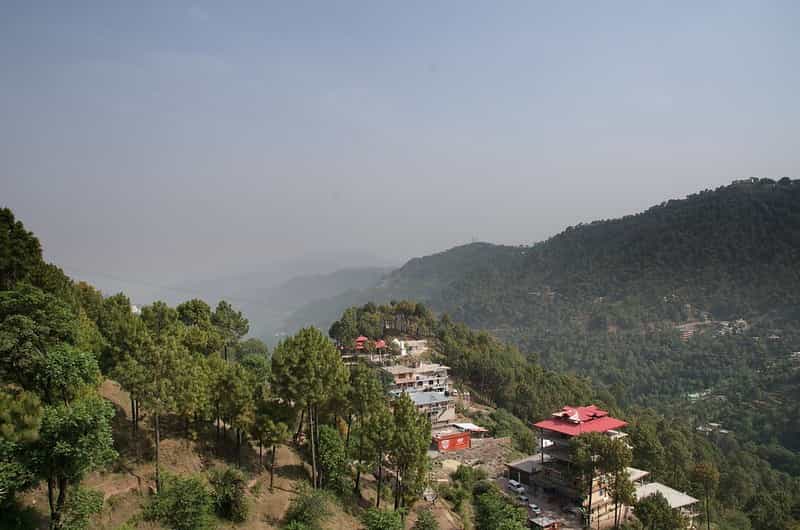
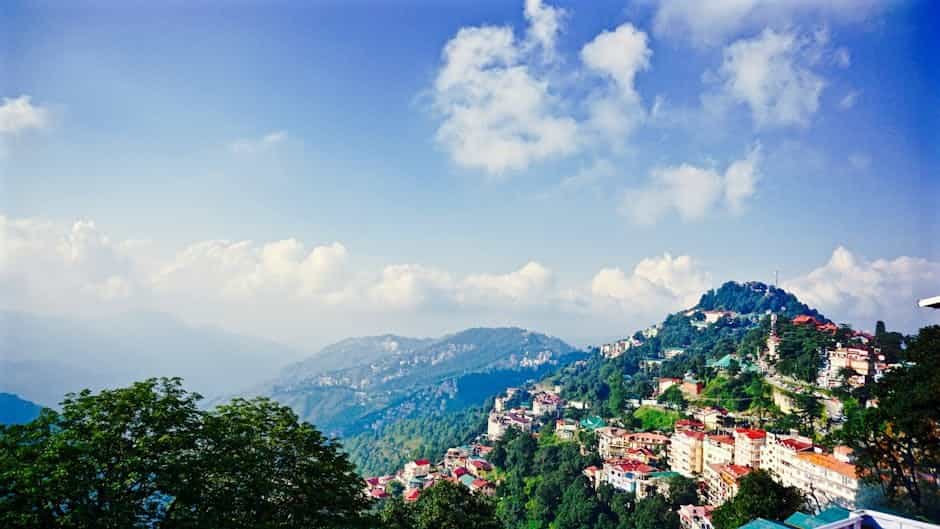
A range of authentic Ayurvedic spa and wellness therapies delivered in the Himalayan settings of Manali and Dharamshala. Treatments combine traditional Panchakarma procedures, oil massages, Shirodhara, herbal steam baths and guided yoga/meditation to support detoxification, stress relief, pain management and overall well‑being. Many centres pair therapies with personalized consultations by a registered vaidya (Ayurvedic physician) and diet and lifestyle guidance tailored to your constitution (dosha).
Location
Multiple Ayurvedic centres, day‑spas and wellness resorts across Manali & Dharamshala, Manali; Dharamshala, India
Duration
Flexible — single session 60–120 minutes. Typical wellness packages range 1 day to 2 weeks; intensive Panchakarma 7–21 days.
Best Time to Visit
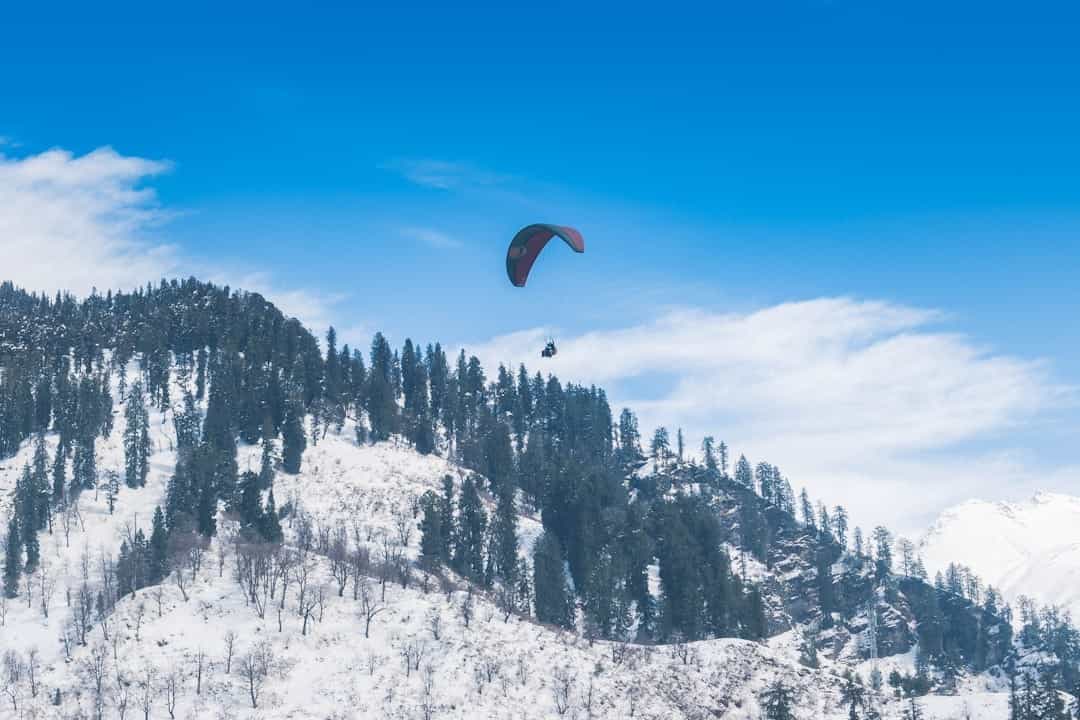
March–June and September–November for mild weather and clear views. Winters (December–February) are cold but ideal for warm oil therapies and cozy spa stays. Monsoon (July–August) may bring disrupted travel in higher reaches but can be tranquil for indoor therapies.
Pricing
Typical pricing (approximate and subject to centre):
- Single therapy/session (Abhyanga, Shirodhara, Nasya): INR 800–3,000 (USD ~10–40)
- Half‑day wellness package: INR 2,000–6,000 (USD ~25–80)
- 3‑7 day rejuvenation packages: INR 8,000–40,000 (USD ~100–500)
- 7–21 day Panchakarma/clinical detox programs: INR 25,000–120,000 (USD ~300–1,500) Note: premium resorts or specialist clinical centres charge higher; prices vary with accommodation, inclusion of meals, doctor consultations and duration.
Activity Type
Coordinates
Highlights
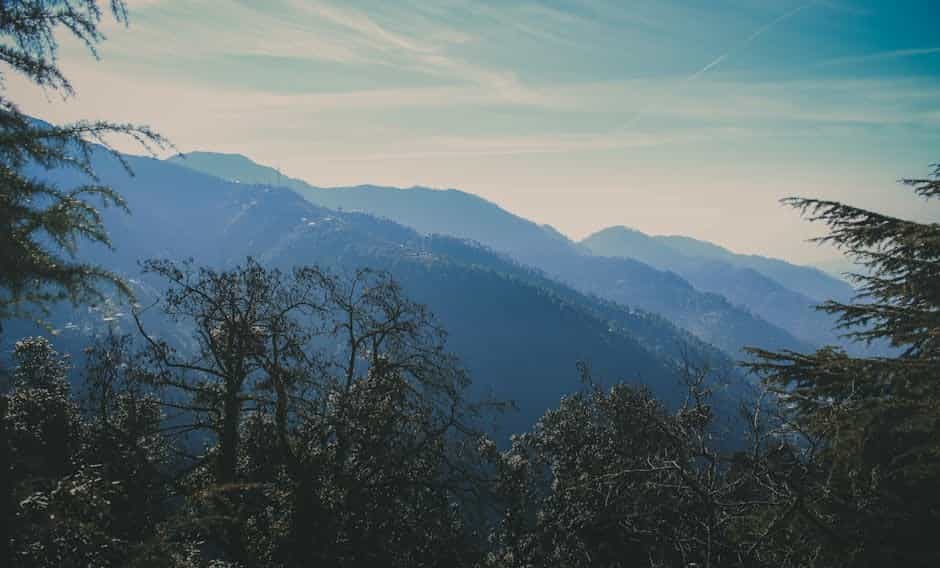
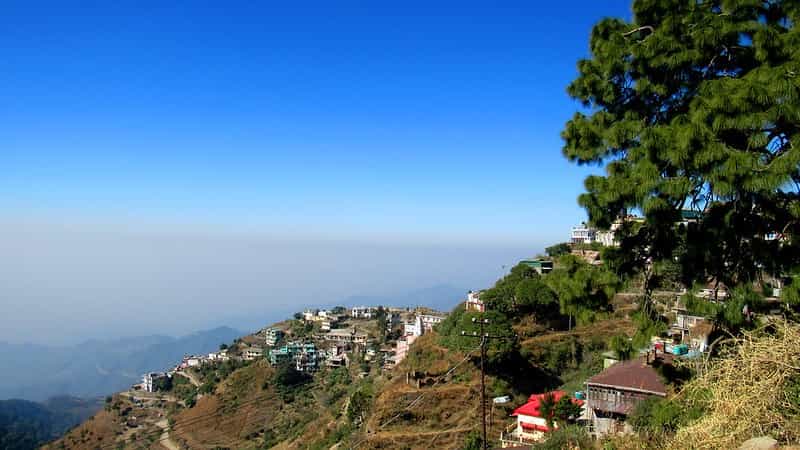
Scenic Himalayan settings for relaxation and clean mountain air
Authentic Ayurvedic consultations with registered vaidyas and customized treatment plans
Panchakarma detoxification programs (Vamana, Virechana, Basti where available)
Traditional oil massages (Abhyanga), Shirodhara (warm oil on forehead) and Shirabhyanga
Herbal steam baths, sudation therapies and local herbal poultices (Kizhi/Elakizhi where offered)
Daily yoga, pranayama and guided meditation to complement therapies
Nutrition and post‑therapy lifestyle/diet counselling
Itinerary
Initial consultation and assessment by an Ayurvedic doctor (prakriti/dosha analysis); baseline vitals and review of medical history.
Bring prior medical reports and list of medications; discuss expectations and contraindications.
Gentle Abhyanga (full‑body warm oil massage), mild steam therapy, and light yoga/stretching session.
Helps relax muscles, improves circulation and prepares the body for deeper detox.
Shirodhara or targeted head therapies, localized oil treatments (Kati Basti/Patra potali), nasya (nasal drops) and guided pranayama sessions.
Beneficial for stress, insomnia, sinus issues and mental clarity. Treatment intensity tailored by the vaidya.
Procedures may include therapeutic vomiting (Vamana), purgation (Virechana), medicated enemas (Basti), therapeutic oleation (Snehana) and sudation (Swedana) as per individualized plan.
Requires medical supervision, dietary restrictions and commitment to the protocol; durations vary by centre and patient condition.
Post‑therapy assessment, dietary and lifestyle counseling, yoga practice plan and written aftercare guidelines.
Follow‑up appointments recommended; gradual return to normal activities over several days to weeks.
Safety Requirements
Pre‑treatment medical check and consultation with a registered Ayurvedic physician (vaidya).
Disclose chronic illnesses, medications, pregnancy and recent surgeries — some therapies are contraindicated.
Follow pre‑treatment dietary restrictions (light, sattvic meals) and post‑treatment aftercare strictly.
Ensure the centre uses licensed therapists and hygienic, high‑quality herbal oils and medicines.
If undergoing Panchakarma, ensure facilities provide clinical supervision and emergency care access.
Adjust activity intensity for altitude and cold — acclimatize before strenuous sessions.
Tips
Book consultations and multi‑day packages in advance, especially in peak seasons (May–June, October).
Choose centres accredited by local health authorities or with qualified Ayurvedic physicians on staff; verify credentials.
Ask for transparent details about included therapies, medicines, accommodation and cancellation policies.
Bring warm comfortable clothing, slippers, a reusable water bottle and any regular medicines.
Plan travel time between Manali and Dharamshala separately — they are several hours apart; consider dedicating your visit to one town per program.
Communicate openly about allergies and sensitivities to oils or herbs.
Combine therapies with gentle mountain activities (short walks, nature time) and sufficient rest for best results.