Explore Naranag Temple ruins and village
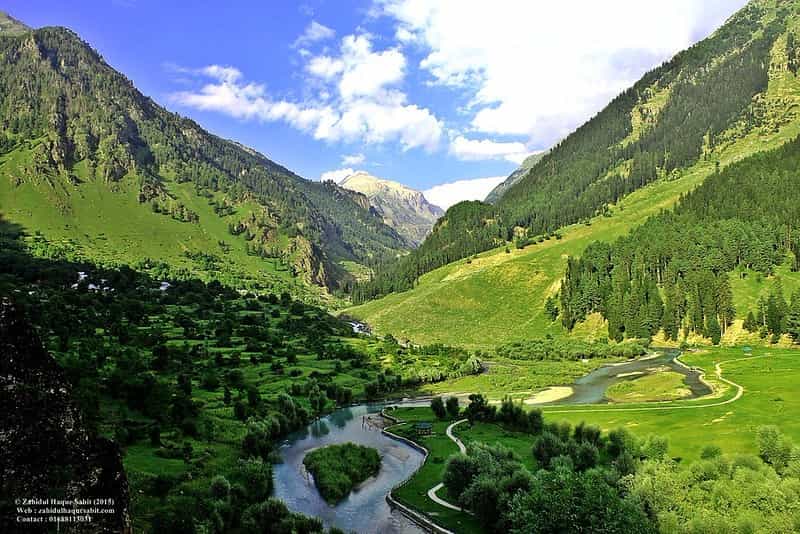
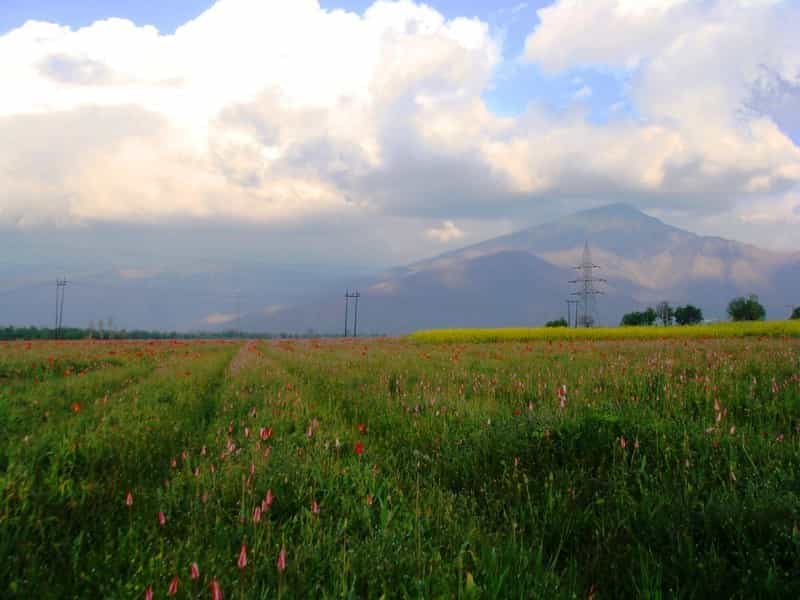
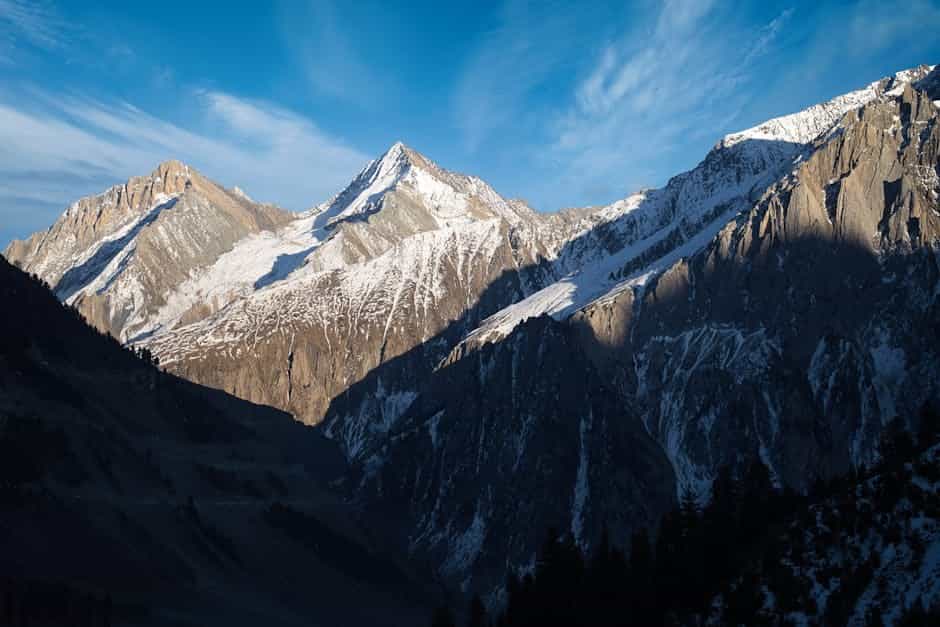
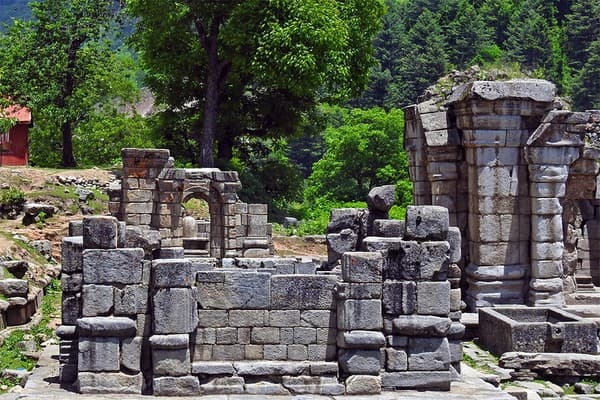
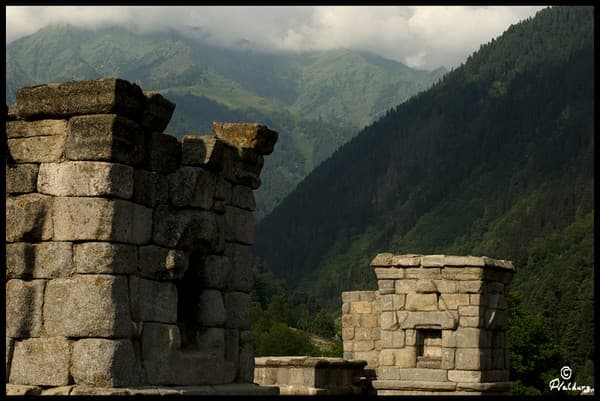
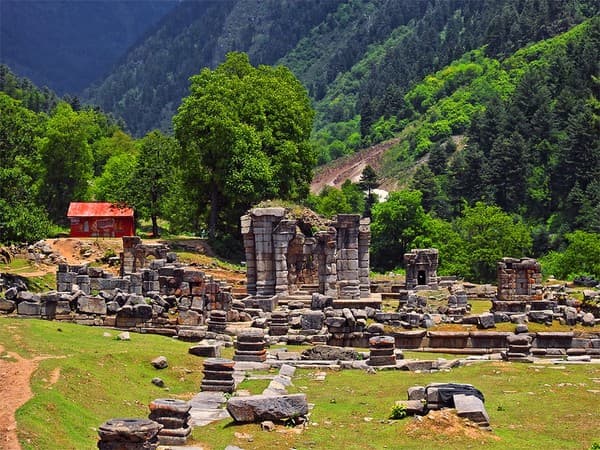
Historic 8th-century temple complex set at the head of the Sindh Valley, Naranag is a compact archaeological site and working mountain village in Ganderbal, Kashmir. The site features ruined stone temples attributed to the Karkota period (linked to rulers such as Lalitaditya), dramatic Himalayan backdrops, and easy access to high‑altitude treks and alpine lakes. This activity combines heritage sightseeing, short village walks, riverside picnic spots, and optional short hikes for panoramic views.
Location
Naranag Temple Complex & Naranag Village, Ganderbal, India (Jammu & Kashmir)
Duration
Half day (3–4 hours) to full day (6–8 hours); overnight extension possible for treks to alpine lakes
Best Time to Visit
May to October (late spring to early autumn) — ideal months: June–September for clear mountain views and accessible roads.
Pricing
Entry to the ruins is generally free. Typical costs (approximate): local taxi roundtrip from Srinagar INR 3,000–4,500; local guide INR 800–1,500/day; simple homestays INR 700–1,500/night. If joining an organized day tour expect INR 1,200–2,500 per person.
Activity Type
Coordinates
Highlights
8th-century Karkota-era temple ruins with carved stone foundations and plinths
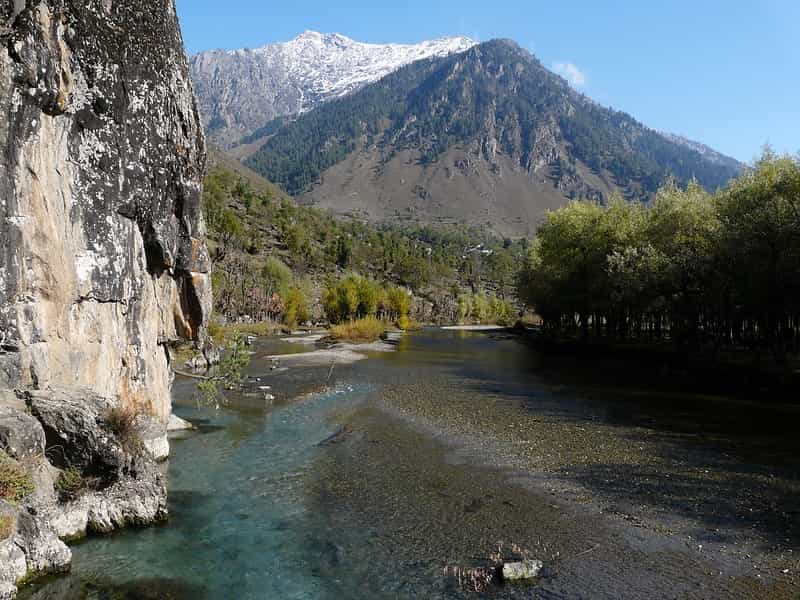
Picturesque Sindh River and riverside meadows
Traditional Kashmiri village life and homestay options
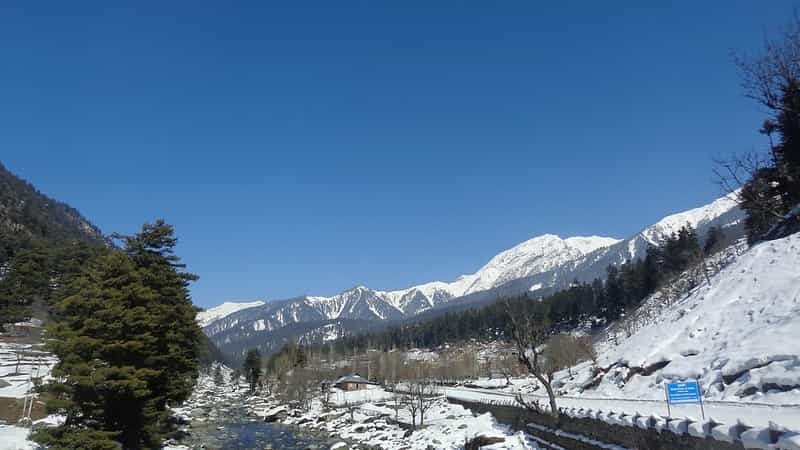
Clear views of surrounding Himalayan ridges and approach to Sindh Valley treks (Vishansar, Krishansar)
Short, easy walking routes suitable for most fitness levels
Itinerary
Drive from Srinagar (or nearby base) to Naranag via Ganderbal
Scenic drive; carry water and light snacks. Road may be single‑lane in places.
Explore the temple ruins and archaeological plinths
Walk around the site, photograph the ruins and mountain backdrop. Respect signage and do not remove artifacts.
Village walk and riverside picnic
Visit local homes/homestays (with permission), enjoy tea and local snacks. Good spot for lunch.
Optional short hike to nearby viewpoints or simple trails along the Sindh
Choose routes with your guide — terrain can be rocky; wear sturdy shoes.
Return drive to Srinagar or overnight at a local homestay
Evening arrival back in town; traffic or weather can affect timing.
Safety Requirements
Basic fitness for uneven terrain and short hikes; watch for slippery rocks near the river
Altitude is moderate but can affect sensitive visitors—stay hydrated and avoid sudden exertion
Carry a first‑aid kit, sufficient water, sun protection and warm layers (weather can change quickly)
Follow local guidance; avoid entering fragile structures and do not touch exposed carvings
Check road conditions and local advisories during monsoon or early/late season
Tips
Hire a local guide for historical context and safer route choices; they can also arrange homestays
Wear sturdy walking shoes and sunproof clothing; carry waterproof layers
Carry cash — remote villages may not accept cards and ATMs are limited
Respect local customs: dress modestly, ask before photographing people or private homes
If you plan to continue to alpine lakes (Vishansar, Krishansar), allocate extra days and proper trekking gear
Best light for photography is early morning or late afternoon; mid‑day can be harsh
Leave no trace: pack out trash and avoid disturbing archaeological remains